By Zoe Piliafas | Voices of Our Future Manager
“There can be no full freedom of the press until women have an equal voice in the news-gathering and news dissemination processes” IWMF Global Report on the Status of Women in the News Media
There is not a single nation in the world where women have an equal voice. Across the globe, the challenges facing grassroots women leaders - such as gender-based violence, lack of education, inadequate health care, and political oppression - are compounded by societies and leadership that do not value the role of women in building solutions. Women comprise 51% of the world's population yet currently worldwide women hold only 17% of Parliamentarian seats, 15% of corporate "C-level" positions, 1% of media editors, and 20% of non-profit leadership.
We are at a remarkable place in history where new media has the potential to provide extraordinary opportunities for women to access, actively engage with, and drive global conversations. Women are taking to the streets in Yemen, Libya, and the Ivory Coast protesting injustice, political corruption and violence in their communities. But do they have the skills and knowledge to participate in regional and global conversations reshaping their future? Will their voices be heard, their protests addressed, their solutions implemented?
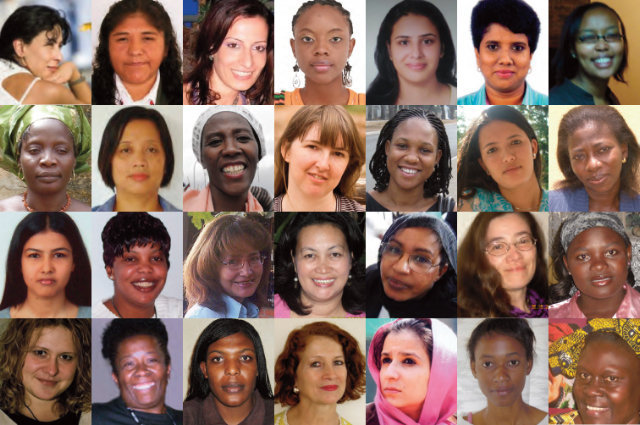
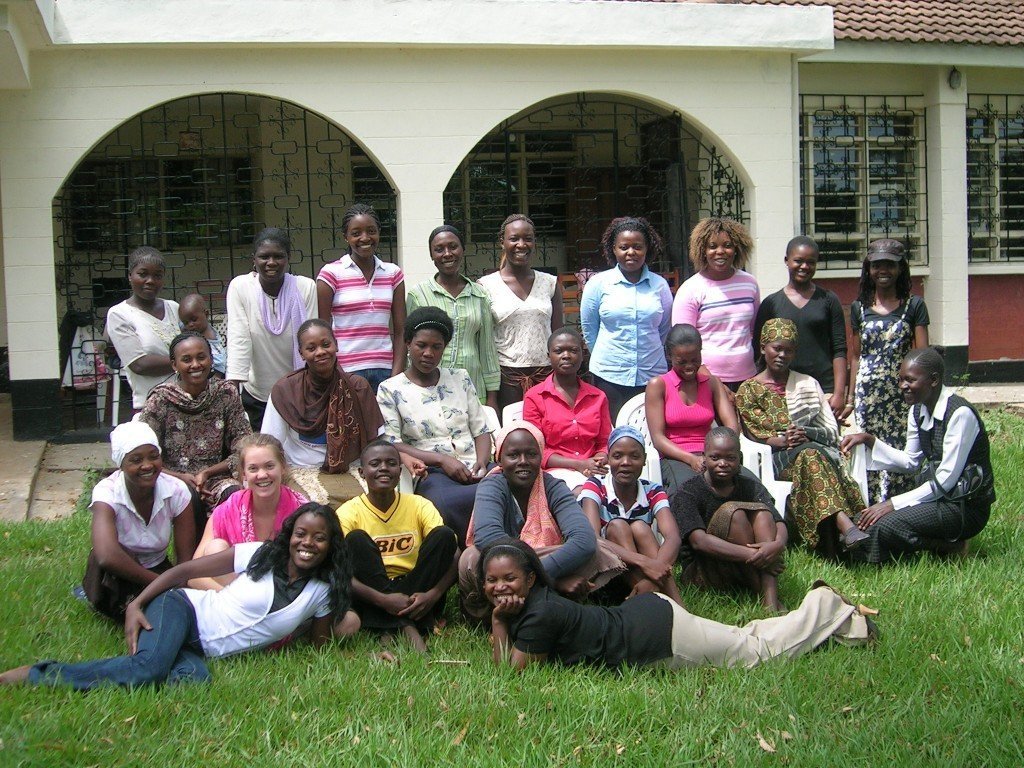
This year Voices of Our Future is preparing to launch its fourth annual citizen journalism and digital empowerment program three short months. This year our application process is right on track to expose over 600 women to the basic principles of new media and women's empowerment through our month-long online application process. Once applications are completed, thirty women who demonstrate solutions-oriented writing and strong leadership skills are selected as Correspondents.
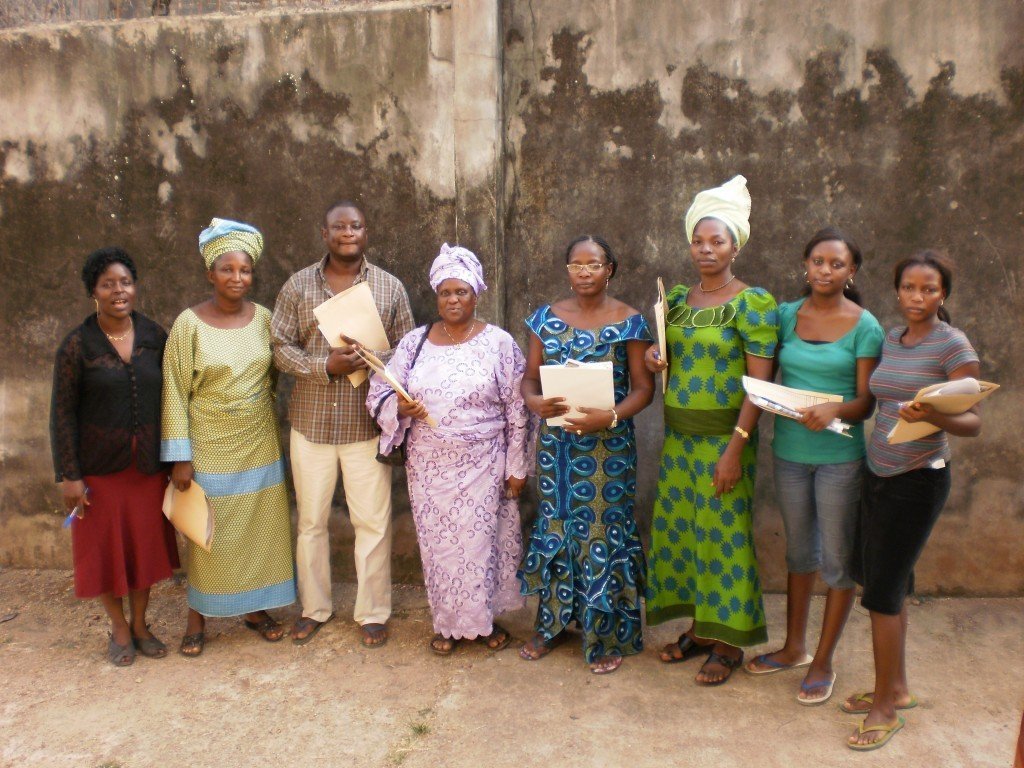
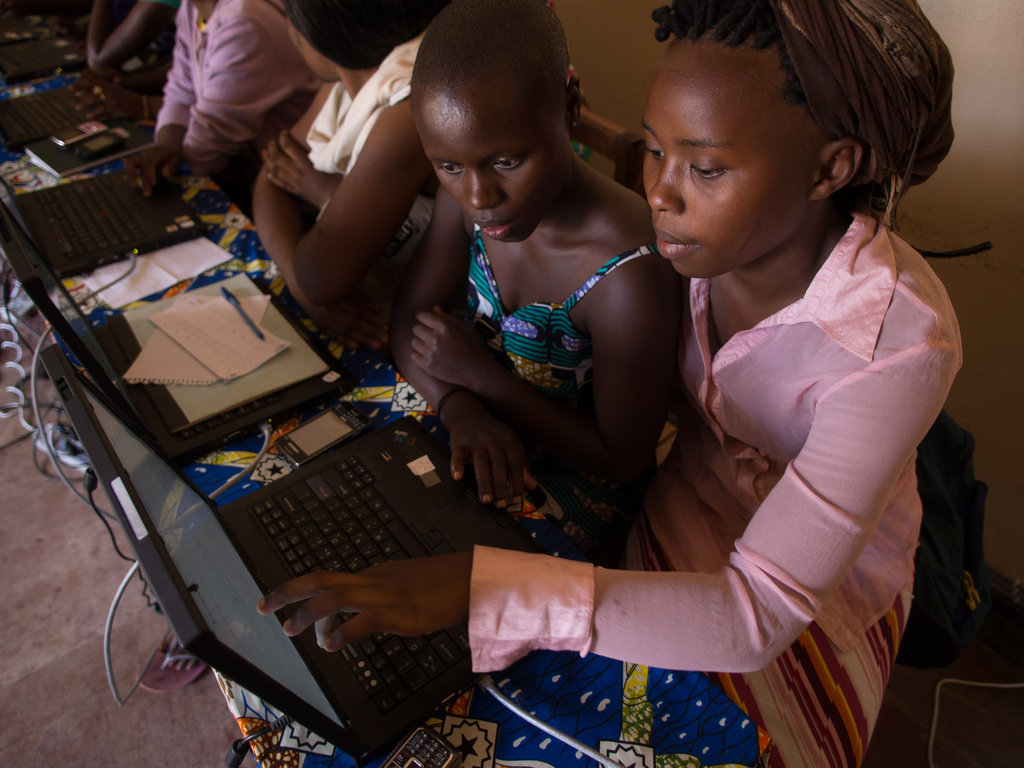
We are one again working with program partners (Global Press Institute and Op-Ed Project), Our staff trained the thirty Correspondents on the principals of practicing ethical citizen journalism. The learning in our online classroom are divided into four modules which focus on: conducting an interview and writing a profile; writing about a timely issue which affects their community and is related to larger global concerns; writing an op-ed; and writing a feature-length article which ties together the skills they’ve learned in the previous modules. Each learning module has an associated writing assignment, which Correspondents posted to our online community at World Pulse.
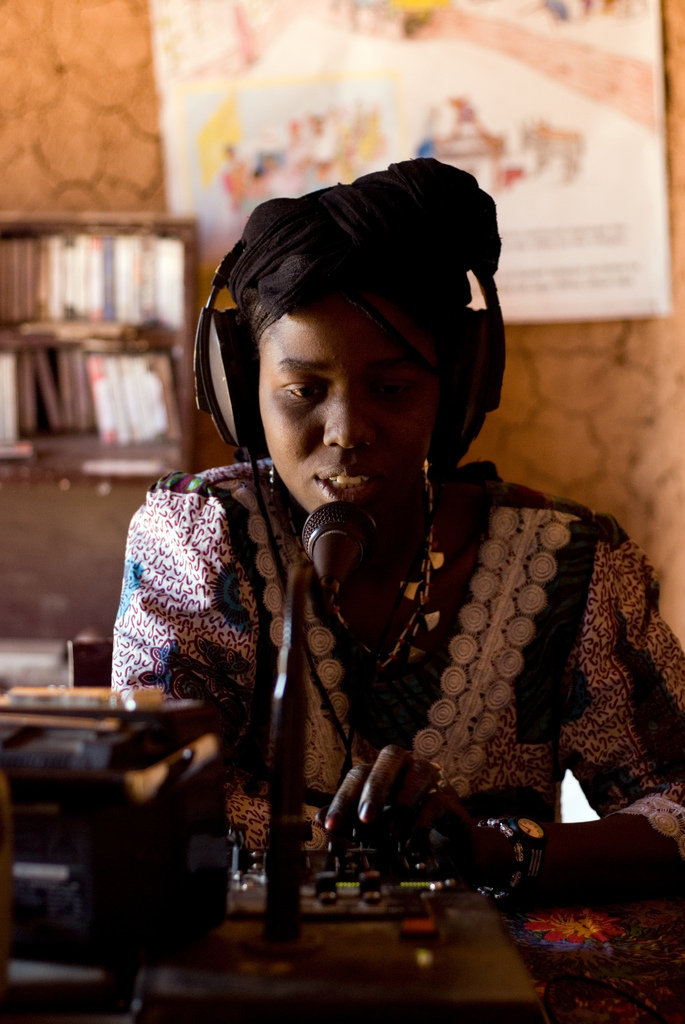
Social and digital media concepts and opportunities are integrated within each learning module. Correspondents were taught how to: pitch stories online and offline; use blogging, Twitter, and Facebook; create podcasts; use mobile phones to access the internet; and how to use these new tools to amplify their voices.
The training provided during the Voices of Our Future program is strengthening and lifting
“World Pulse has helped me realize the potential of my voice. I have always known that I was born to write and to speak, but through World Pulse, and through seeing what impact my writing has had on women of different colours, creeds and countries, I am more convinced than ever that I can and will make a difference” 2010 Correspondent, Fungai Machirori, Zimbabwe
Impact:
In three years, Voices of Our Future has exceeded expectations:
We are excited for our fourth year and our continued impact globally.
Project reports on GlobalGiving are posted directly to globalgiving.org by Project Leaders as they are completed, generally every 3-4 months. To protect the integrity of these documents, GlobalGiving does not alter them; therefore you may find some language or formatting issues.
If you donate to this project or have donated to this project, you can receive an email when this project posts a report. You can also subscribe for reports without donating.