By Farrell Barnes | Development Manager
Earlier this summer, Washington Area Women’s Foundation released a case study that details effective approaches for helping low-income women overcome persistent barriers in workforce development programs and employment in nontraditional sectors: “Lessons Learned & Recommendations for the Field: A Case Study of Nontraditional Job Training Programs for Women.” The study was funded by the Public Welfare Foundation and the Ford Foundation.
The findings of the case study are based on grants The Women’s Foundation awarded over a six year period to DC-area nonprofits for nontraditional job training programs. The Grantee Partners highlighted in the case study are: CASA de Maryland, Goodwill of Greater Washington, Urban Alliance, Year Up National Capital Region and YWCA of the National Capital Area.
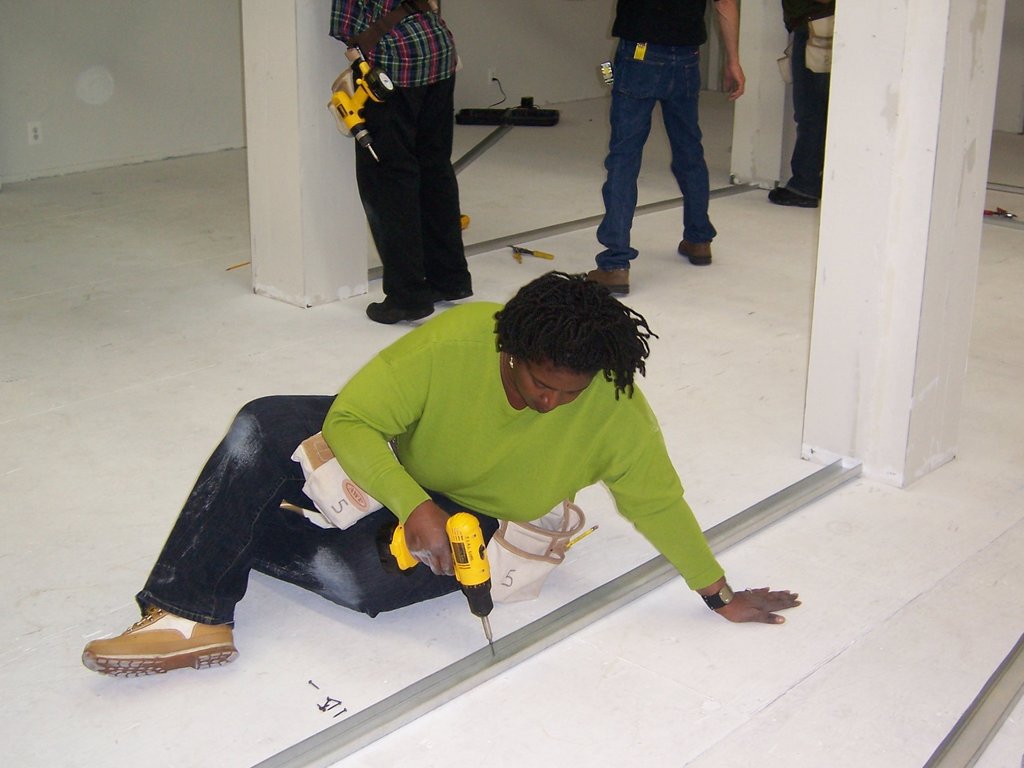
According to the US Department of Labor, nontraditional jobs for women are defined as occupations in which women comprise less than 25 percent of all workers. Examples of these jobs include construction and building trades, engineering, and transportation, and encompass technical, scientific, and labor-intensive work. The case study points out that nontraditional jobs typically pay more than those traditionally classified as “female jobs” – often 20 to 30 percent more – and are more likely to offer career pathways and benefits.
“We explored nontraditional jobs specifically because our research and experience have shown that occupations with higher wages, progressive career pathways and benefits like health care go a long way in helping women, particularly single women who are head of household, achieve and maintain economic security,” said Nicky Goren, president of Washington Area Women’s Foundation. “This is not only about finding jobs for women. It’s about preparing them to excel in careers with family-sustaining wages that will enable them to put themselves and their families on paths to prosperity.”
The case study highlights the categorical and systemic barriers that low-income women often face, including level of educational attainment, work supports, transportation costs, access to affordable child care and discrimination. These barriers are present in many occupations but are often more intense in nontraditional jobs.
The report also makes recommendations that include: more comprehensive case management and support services; greater focus on retention and career advancement services; addressing basic skills and post-secondary education needs; and building partnerships with community colleges and employers.
“Our hope is that policy makers, nonprofits, employers and funders use the case study as they create innovative strategies that will break down barriers and open up good jobs to women,” said Goren. “One in five women in DC lives in poverty and many are supporting children. By opening up these opportunities to them, we can help ensure that women and their families thrive and we can move closer to ending poverty in our community.”
A copy of the case study is available on The Women’s Foundation’s website.
Workforce development and jobs with benefits, career pathways, and family-sustaining wages is just one of the three areas of the Stepping Stones Initiative. With your continued support, we will mobilize our community to ensure that economically vulnerable women and girls in the Washington region have the resources they need to thrive.
Links:
Project reports on GlobalGiving are posted directly to globalgiving.org by Project Leaders as they are completed, generally every 3-4 months. To protect the integrity of these documents, GlobalGiving does not alter them; therefore you may find some language or formatting issues.
If you donate to this project or have donated to this project, you can receive an email when this project posts a report. You can also subscribe for reports without donating.