By Adelaide Lerendu | Fundraising coordinator
Sometimes we can't realise how the water access is important in life. For us, it is natural to turn on the tap and receive water that we can use for everything. Can you imagine if you had to walk everyday to get water out of the river at several kilometers from your house, carry it to your house? You need water for your consumption but also to bath, to clean your house, to cook, to feed your animals, to grow vegetables. It represents a lot of return trips, carrying heavy water cans. If you could see the quality of the Mekong river, you would guess why these people and their children are often very sick. This water is filthy, full of bacteria, dust, insects and pollution.
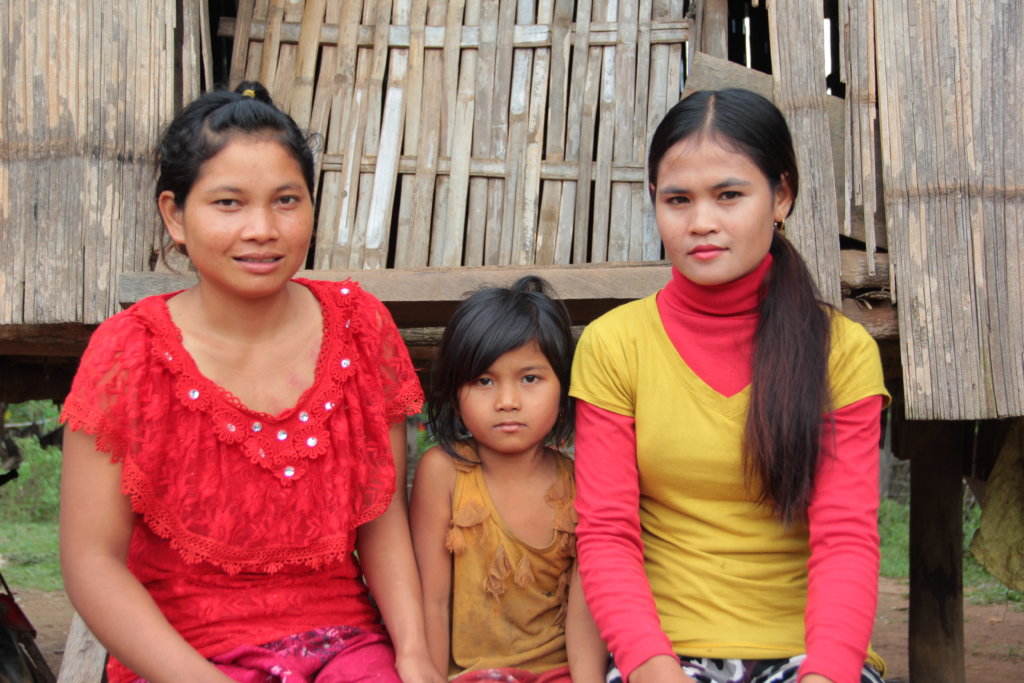
This was the life of the 70 indigenous families living in Pu Char village before CRDT began its "Water for Health" project, funded by Australian government and your donations.
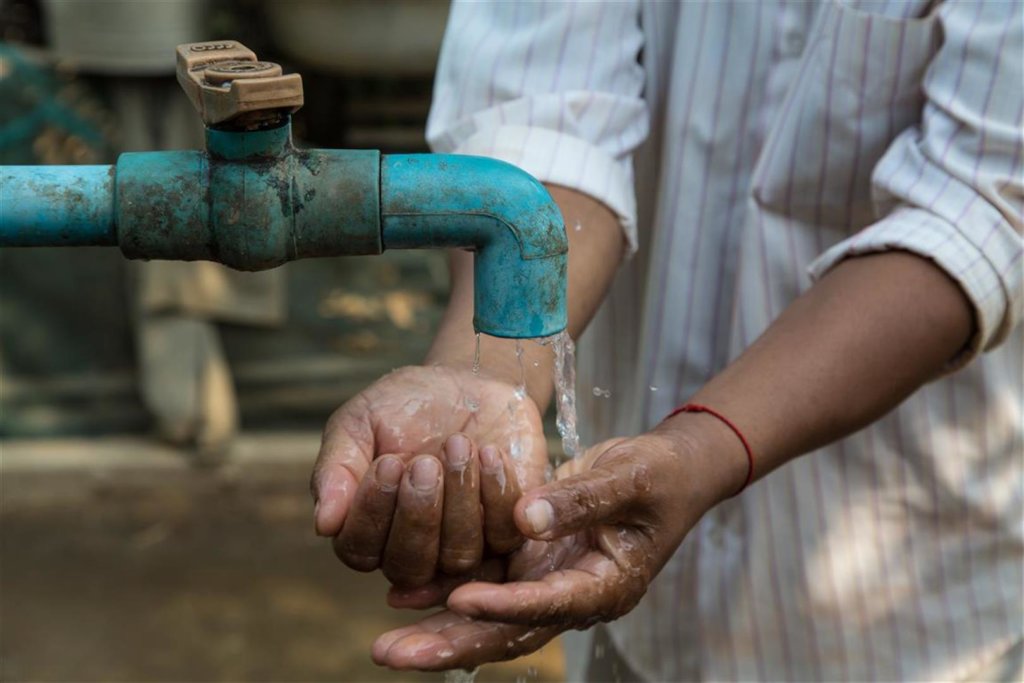
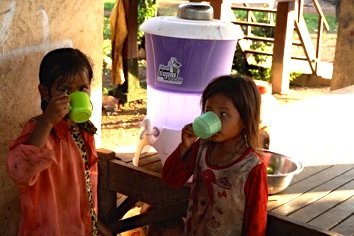
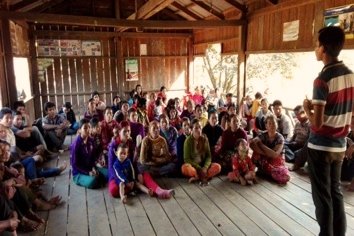
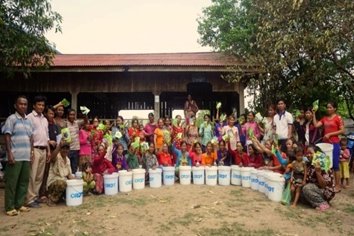
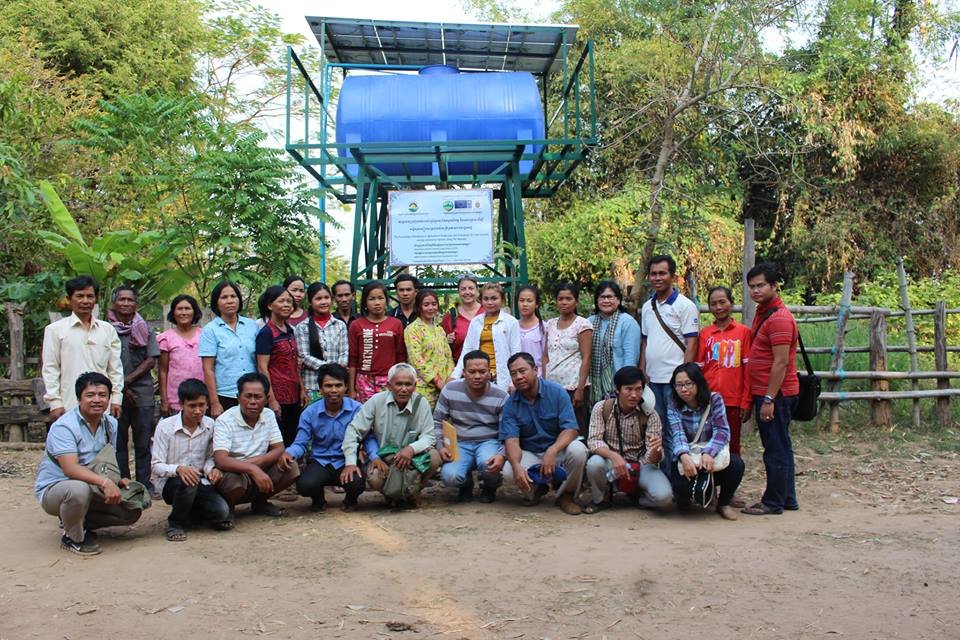
Since our last report, the entire water supply system has been built, and 80% of the houses have been linked to the system through the installation of a pipe network in the village. CRDT keeps providing Sanitation and Hygiene training to improve the health situation among the indigenous community.
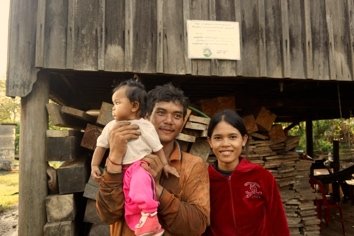
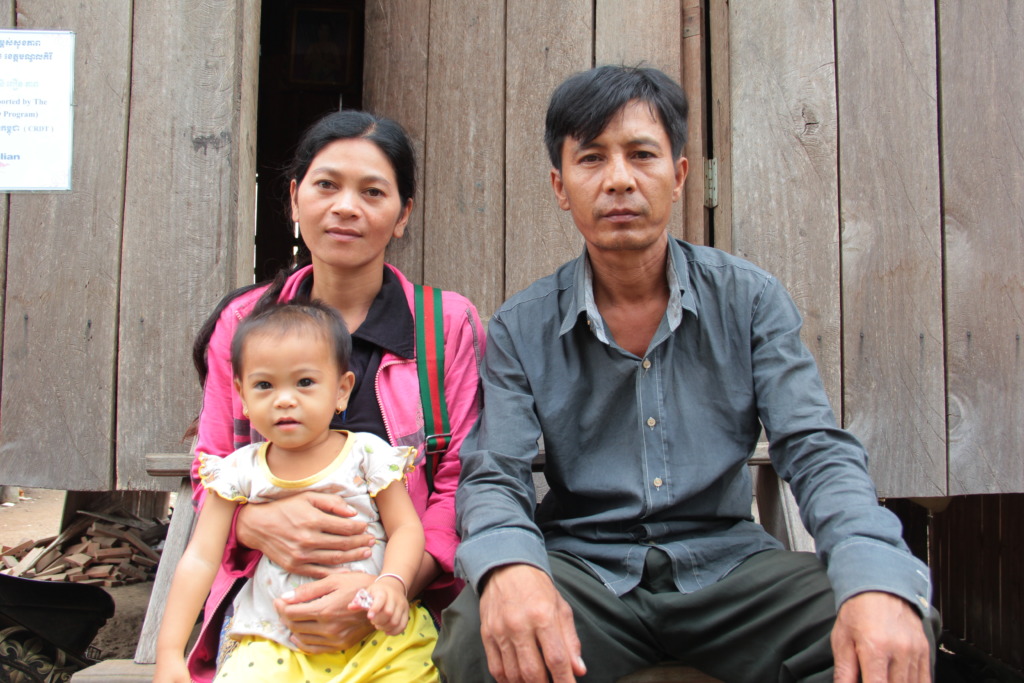
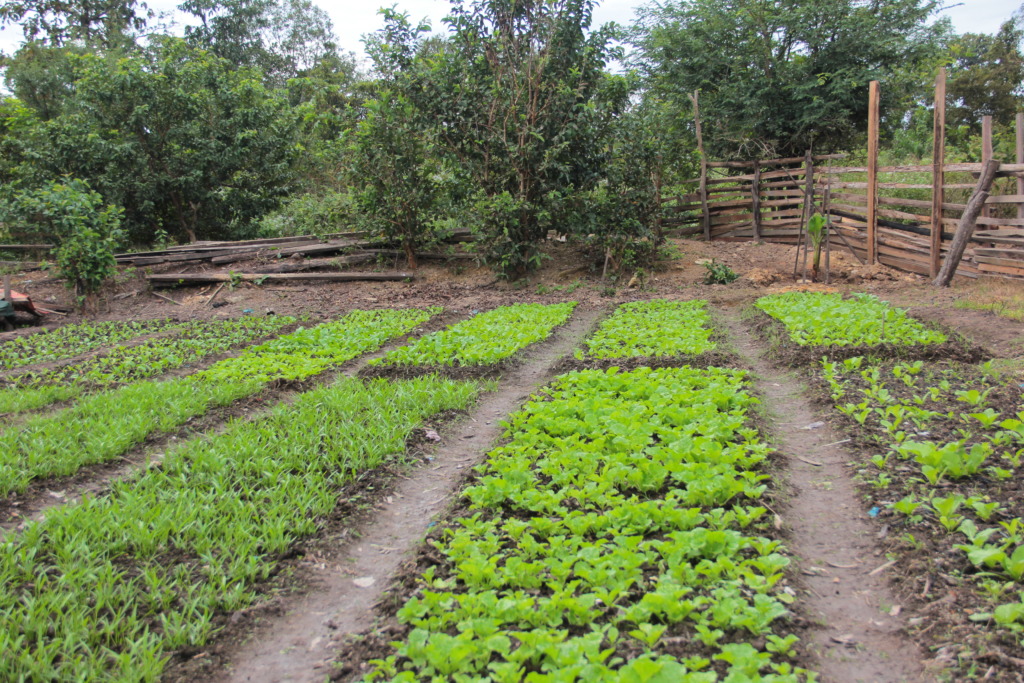
Ms. Pheap and her husband are farmers. They need water for the household consumption but also for the vegetable growing activity. Her house is in a very remote area and getting the water from the river use to occupy the entire family. Besides the exhaustion due to this hard work, some of the family members were often sick because of the water drunk. "We use in average 5 to 6m3 per month, but we need a lot more for vegetable watering during dry season". Pheap's family is one of the 70 families who have benefited from water supply system, primary health and sanitation coaching from CRDT. Since the water supply system has been installed, Ms. Pheap has a water tap in her house yard, and receive water directly at home. With the pipe bringing water her family life completelty changed. The family has now more time to dedicate to different tasks, to school, and Ms. Pheap can grow more vegetable and earn more money. Even with the expenses for the fuel for the generator pumping the water from the river to the water supply system, the profits earned by Ms. Pheap completely worth is: 'the price of water is 1300riels for 1m3, a very suitable price. I earn more money when I sell my vegetable in the market, and now I have more vegetable to sell, and more time to go sell them at the market!", she explains. But the most important improvement is regarding to the health, the whole family spend less money going to the doctor and feel way better since they stopped drinking water from river.
This project aims to improve the health and economic situation of the Indigenous family living in Pu Char village through water access. The biggest part of the project has been realised thanks to your participation but some work is still to be done. Some house have not been linked to the system yet, and the most important part, the training, are still pending. Your donations will contribute to implementing these training and all the materials requested to raise awareness among the community. Besides, some toilets and sanitations materials still need to be built. Your contributions will change the life of these people for ever!
Links:
Project reports on GlobalGiving are posted directly to globalgiving.org by Project Leaders as they are completed, generally every 3-4 months. To protect the integrity of these documents, GlobalGiving does not alter them; therefore you may find some language or formatting issues.
If you donate to this project or have donated to this project, you can receive an email when this project posts a report. You can also subscribe for reports without donating.