By Anton Neefjes | Communication Assisstant
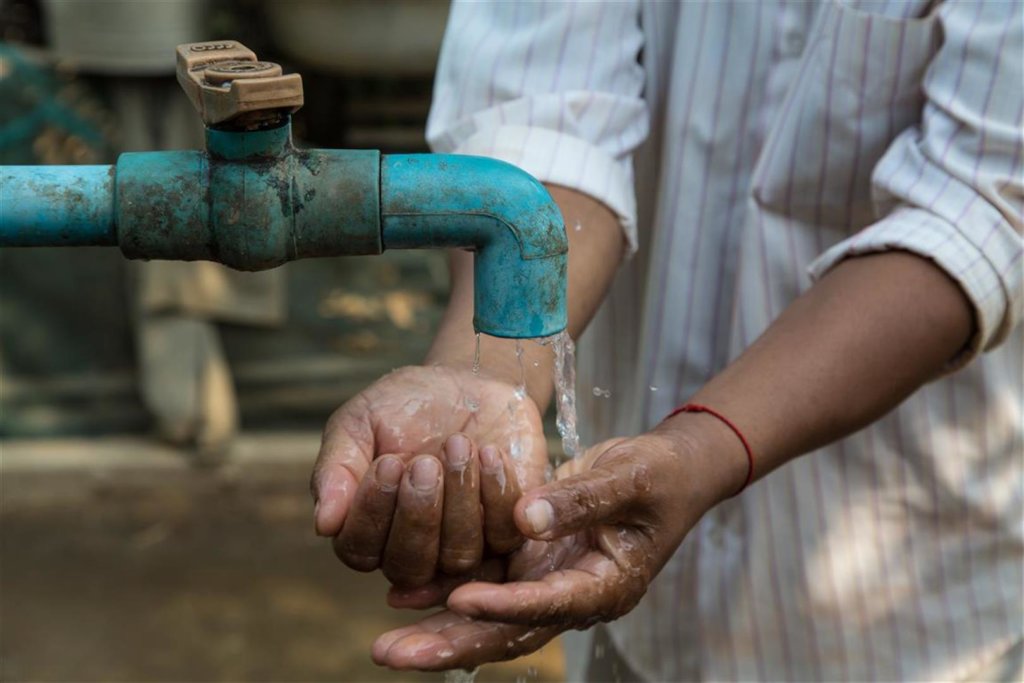
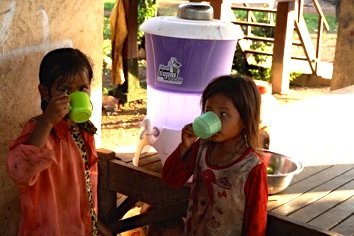
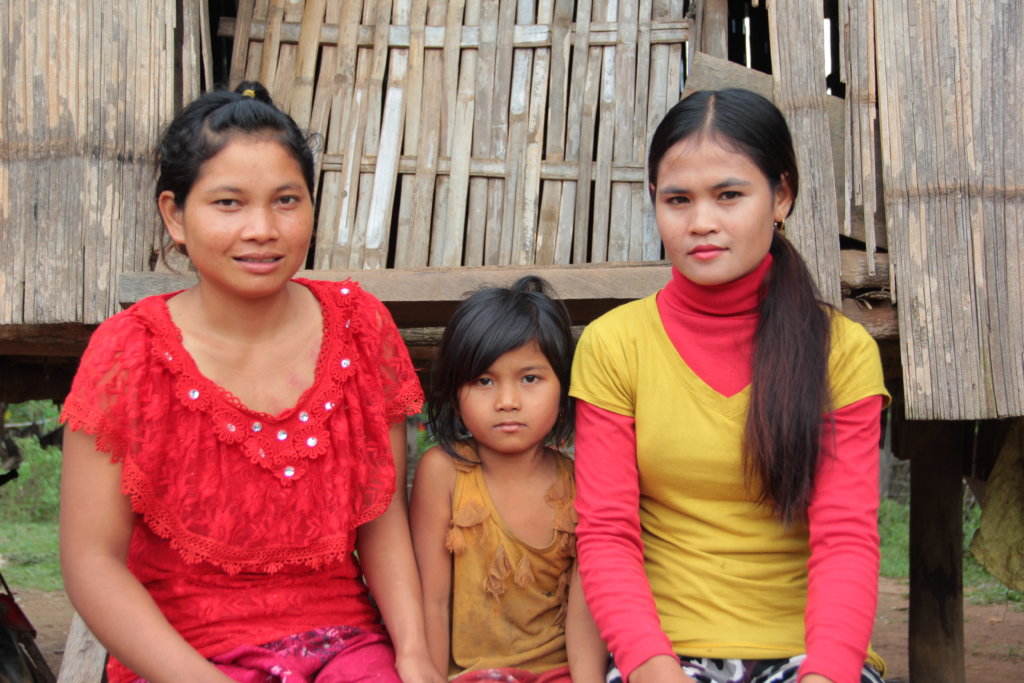
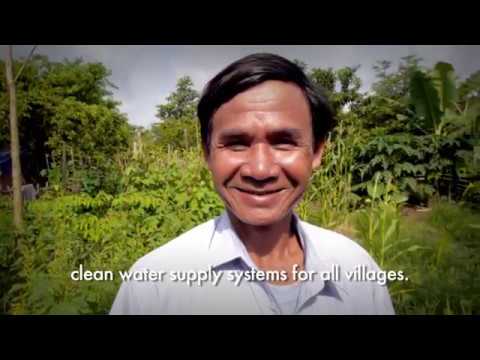
We have come a long way since we first entered Pu Char Village to improve the living conditions of the people there.The two water supply systems, together with the water filters, provides the 70 families with clean and safe drinking water, in addition to water for the fields. What is more, people have started their own businesses of vegetable farming and livestock raising. Still, there is some more work to do.
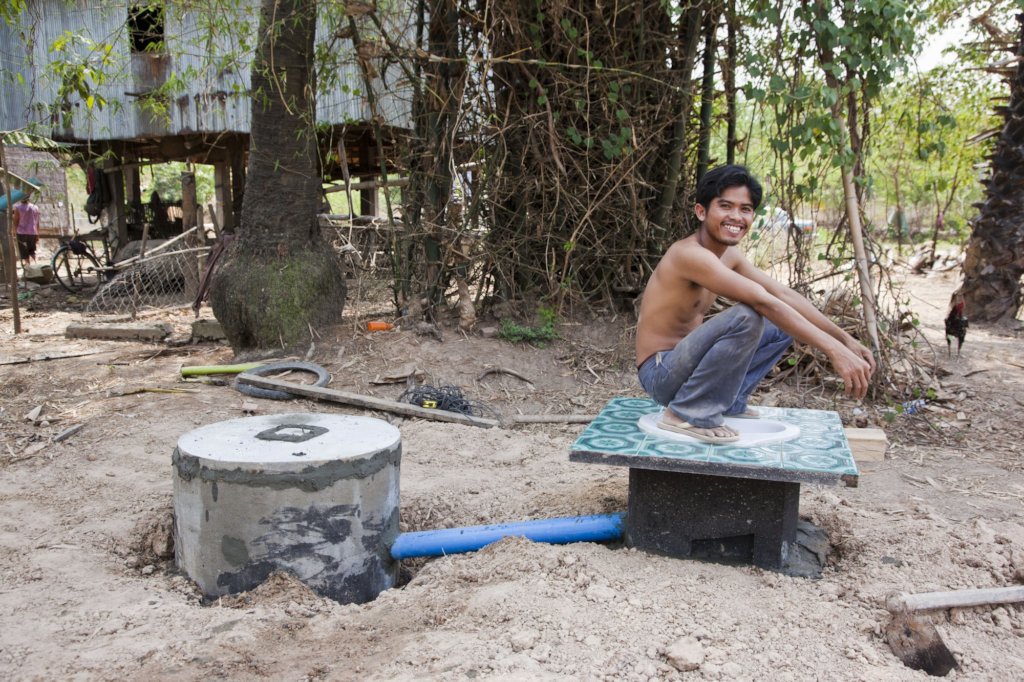
One of the challenges remaining is to convince the villagers to build and use latrines. Even when some villagers said ‘yes’ at the meetings, they did not actually build the latrines. The habit for open defecation seemed too strong. Things have changed however, as the fruits of the labour of our Community-Led Total Sanitation (CLTS) project are starting to show. CLTS is the practice of community members to encourage and motivate fellow villagers to practice safe sanitation practices. Authorities within the communities serve as model villagers for others. So, instead of just providing the latrines and impose an alien idea of sanitation, the basic principle of CLTS is to let change happen from within.
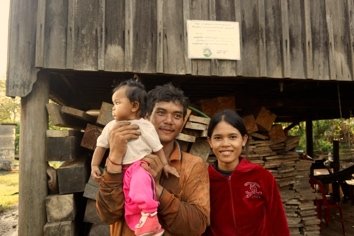
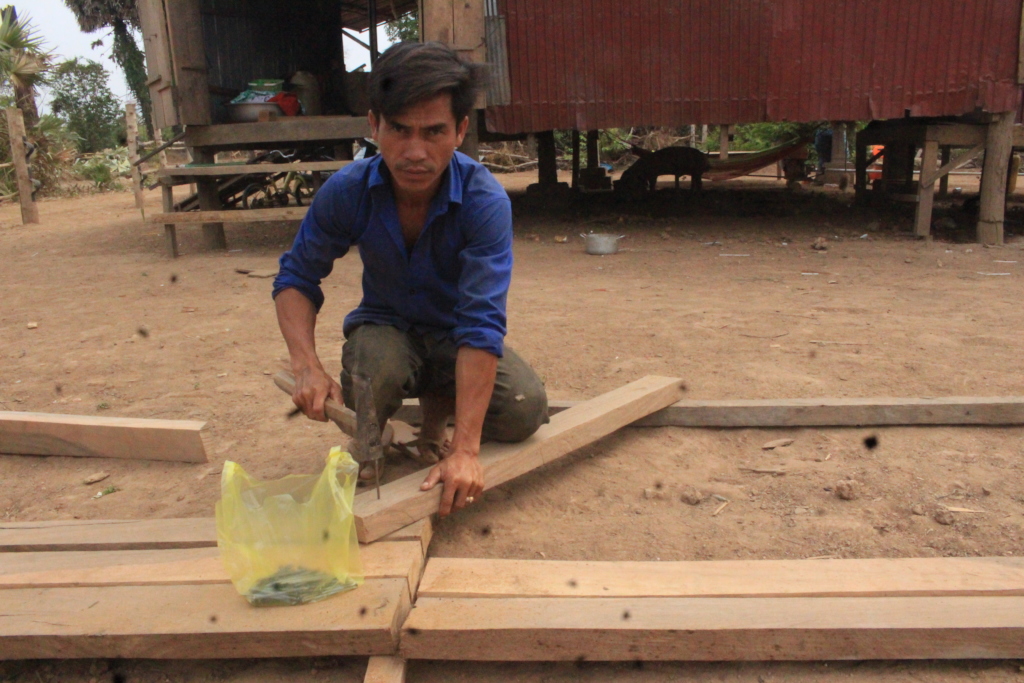
Villagers have followed the example of model villagers who have built latrines already. Now more than half of the village have their own latrine, and the number continues to grow. The following case study will explain our success on the improving sanitation practices of Pu Char village. It tells the story of Mr. Chan who has been convinced by his neighbour to build his own latrine for him and his family to use.
“Before, we would go anywhere to relieve ourselves, to the forest or the rice fields. Sometimes we had to walk long distances. But when it rained we did not want to walk so far, so we did it close to our homes. We did not think that it would be bad for our health, we had always done it this way. But at some point, things changed. People in the village started to build latrines. At first, I did not understand why and I just continued my old ways. I did not want to spend any money on a latrine. I thought: ‘Why would you make a special place to poo, when you can do it anywhere?’
However, when I asked my neighbour about it, I started to understand why he built it. He explained to me how the excreta can go into the water. I said to him, well, then I will just go far into the forest so my poo will not go into the water. Then he said, ‘but what if it rains, do you want to go all the way to the forest?’ ‘Maybe yes’, I said. ‘Okay’, he said, ‘even if you do, other people may just do it close to their homes, and it will still end up in the water.’ ‘And you will use that water to wash your food or other people may still use it to drink.’ It got me thinking, but I was still not prepared to spend money on a latrine.
Then he started telling me about the price I would pay if my daughter would get sick because of unclean water. And then he compared it to the cost of building a latrine. It was only then that I finally understood why he built the latrine. The cost of building a latrine is nothing compared to the price I would pay if my daughter would get sick, and of course I do not want my daughter to get sick in the first place! That is why I am building a latrine now myself and I am convincing my family to do the same.”
Mr. Chan would not have been able to build his latrine without your financial support. There is still some work to do in the village as not all families have built a latrine yet. Your donation will help in training the villagers on proper sanitation practices and aid in building new latrines. And in general, thanks to your contribution, the well-being of the families will also be improved through our other projects, like sustainable businesses, which are still ongoing. Your contributions will greatly change the lives of the people forever!
Links:
Project reports on GlobalGiving are posted directly to globalgiving.org by Project Leaders as they are completed, generally every 3-4 months. To protect the integrity of these documents, GlobalGiving does not alter them; therefore you may find some language or formatting issues.
If you donate to this project or have donated to this project, you can receive an email when this project posts a report. You can also subscribe for reports without donating.