By Mohammad Nurul Huda | Project Coordinator
Overview
This progress report covers activities undertaken between February 2026 and June 2026 under the project "Water ATM Card for Families in Need," implemented as part of the broader Water & Sanitation for Climate-Affected Communities initiative.
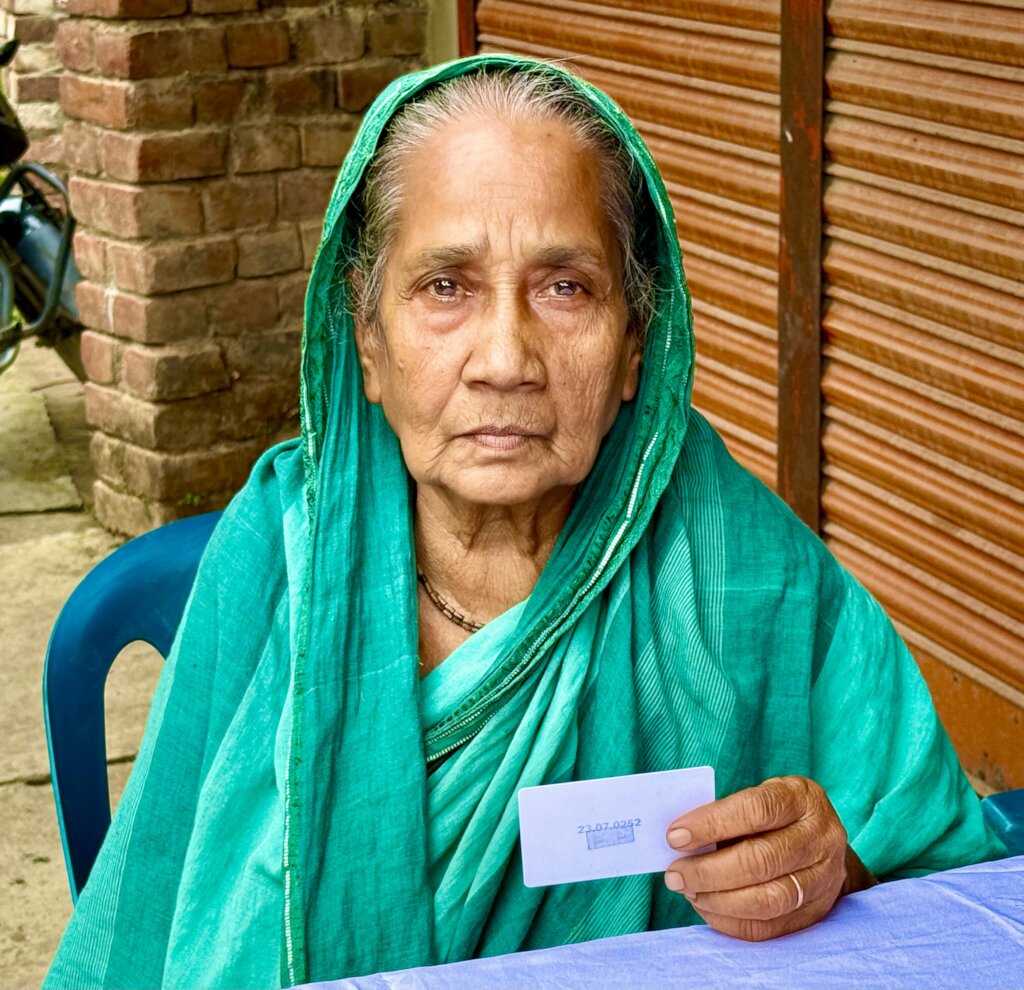
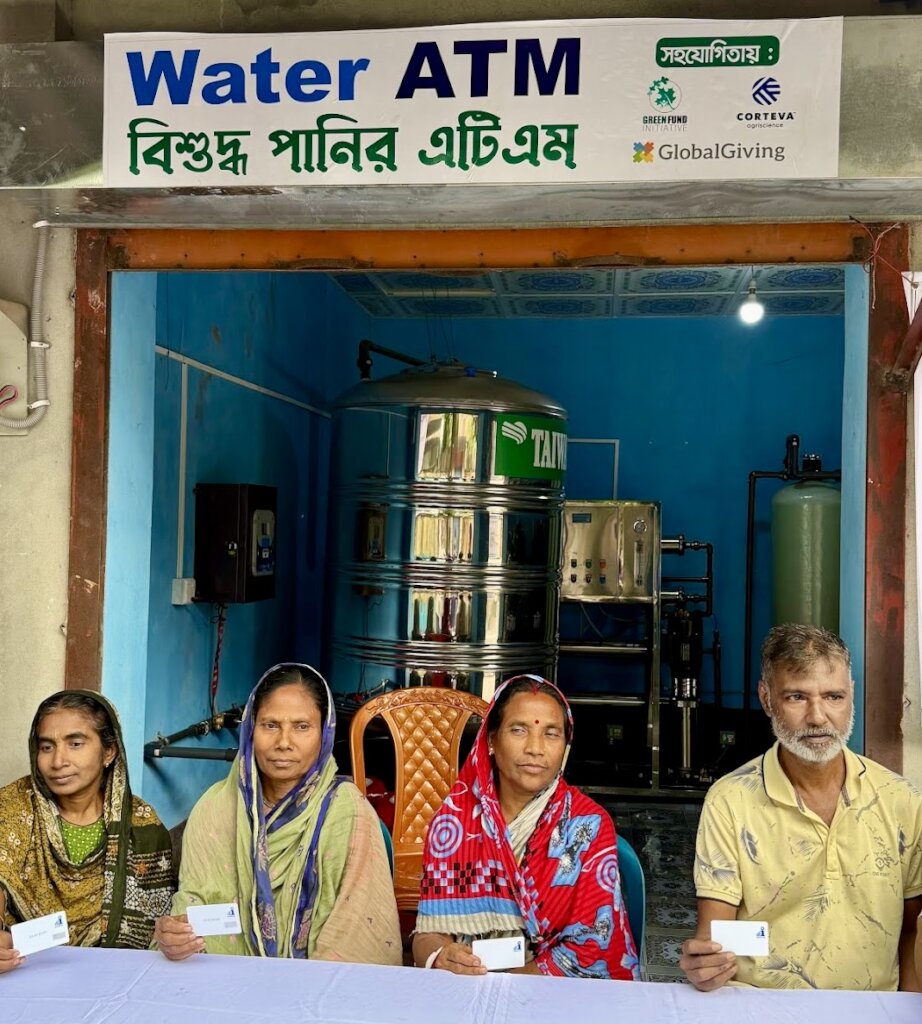
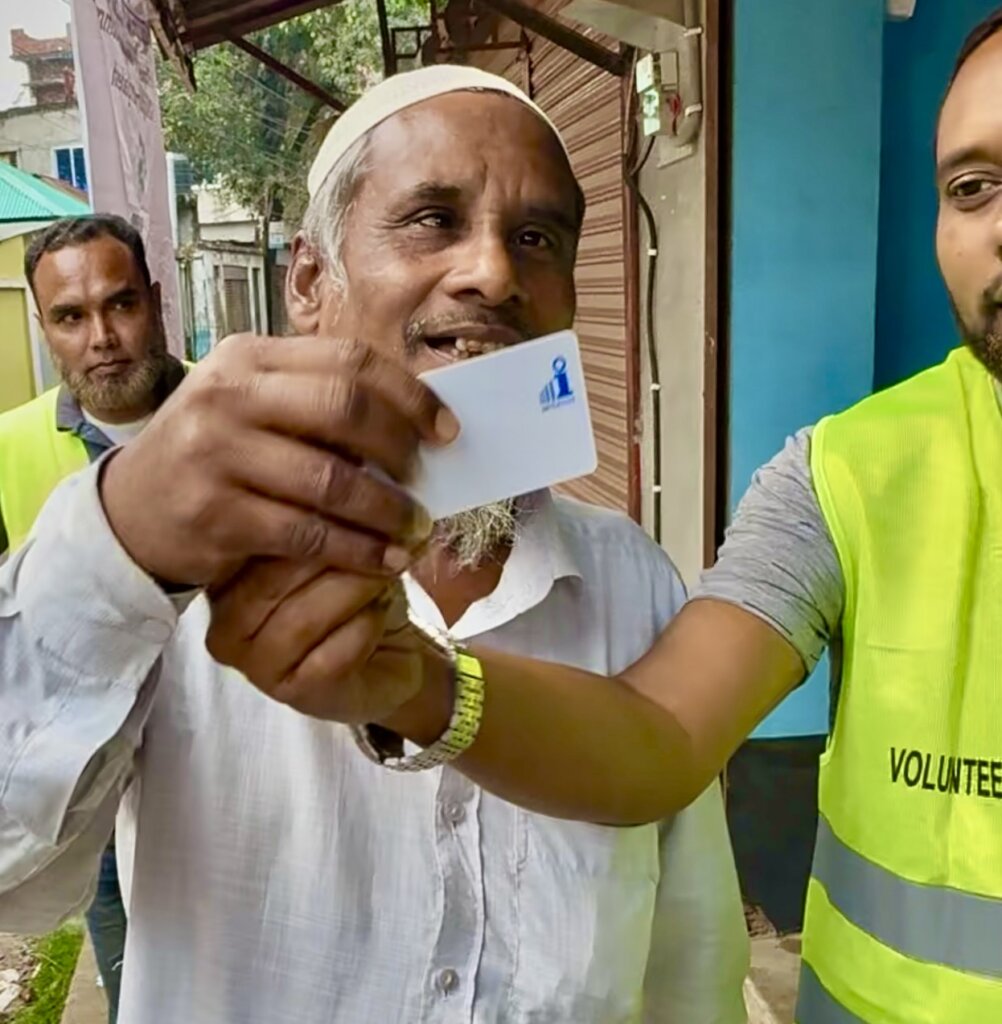
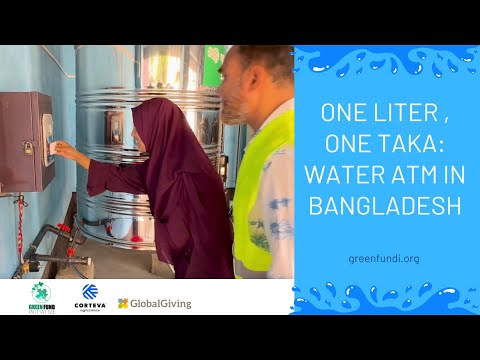
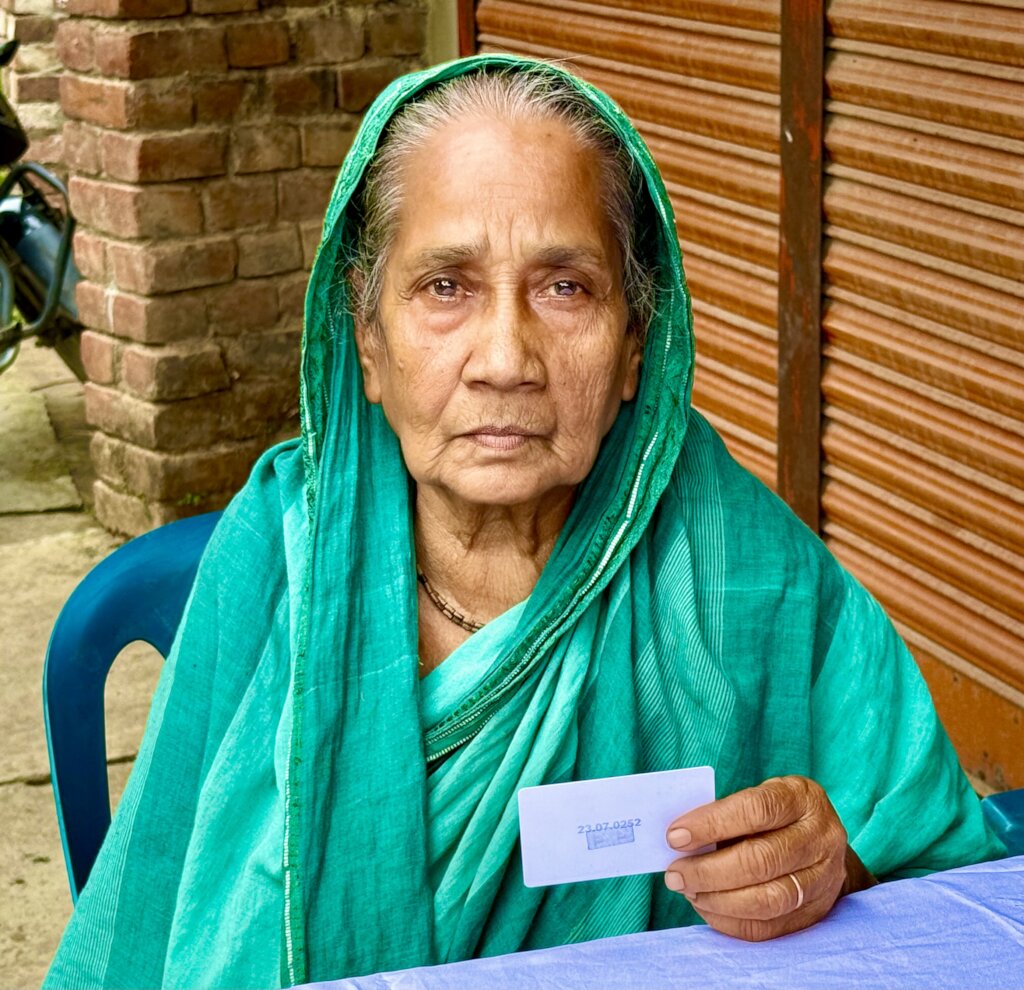
The project aims to provide free Water ATM cards and water jars to vulnerable families, enabling access to safe drinking water through the community Water ATM system. During this reporting period, the project did not receive any new donations. Consequently, planned procurement and distribution activities could not be expanded.
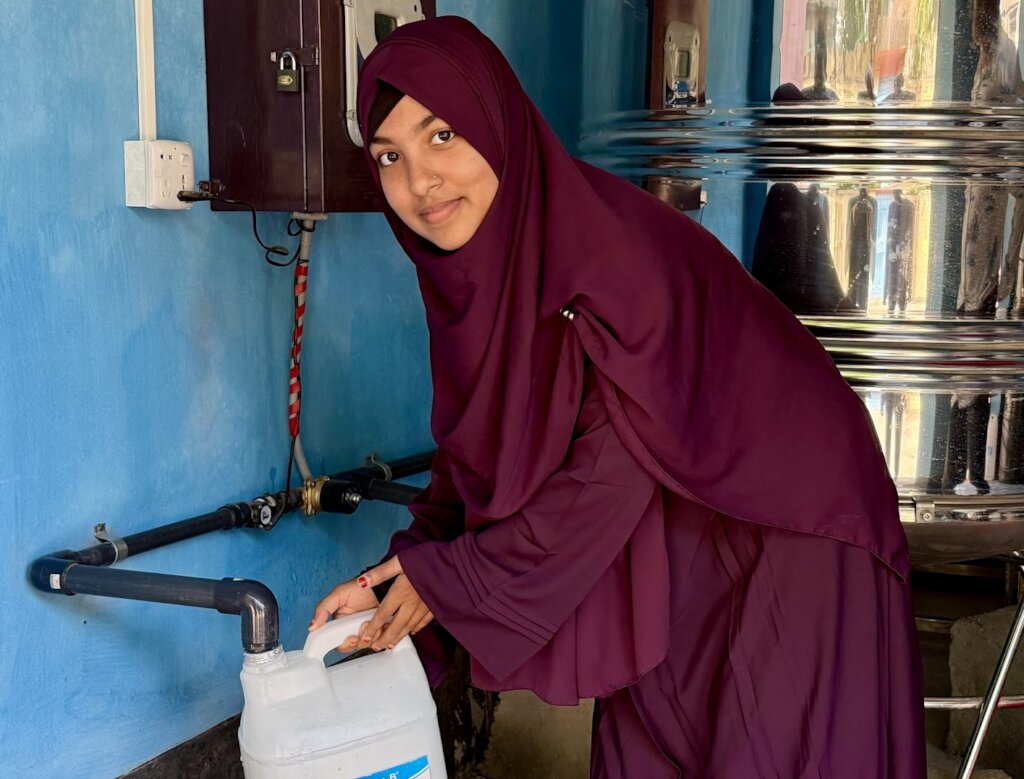
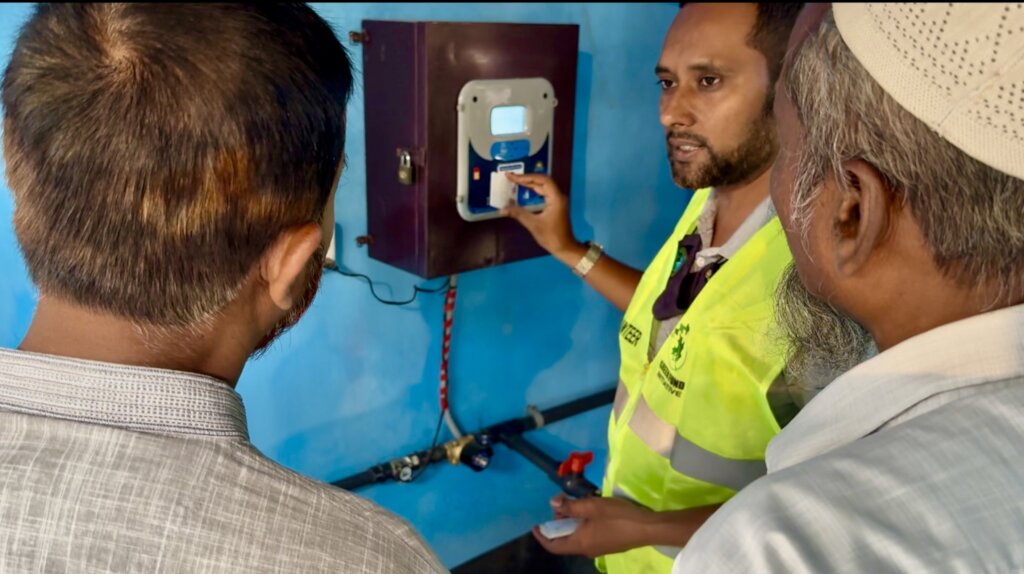
Despite the funding limitations, the Water ATM infrastructure established under previous project activities remained fully operational and continued to provide safe drinking water to community members. GFI volunteers and local stakeholders continued to support monitoring and maintenance efforts to ensure uninterrupted service.
Activities and Progress1. Continued Operation of the Water ATM System
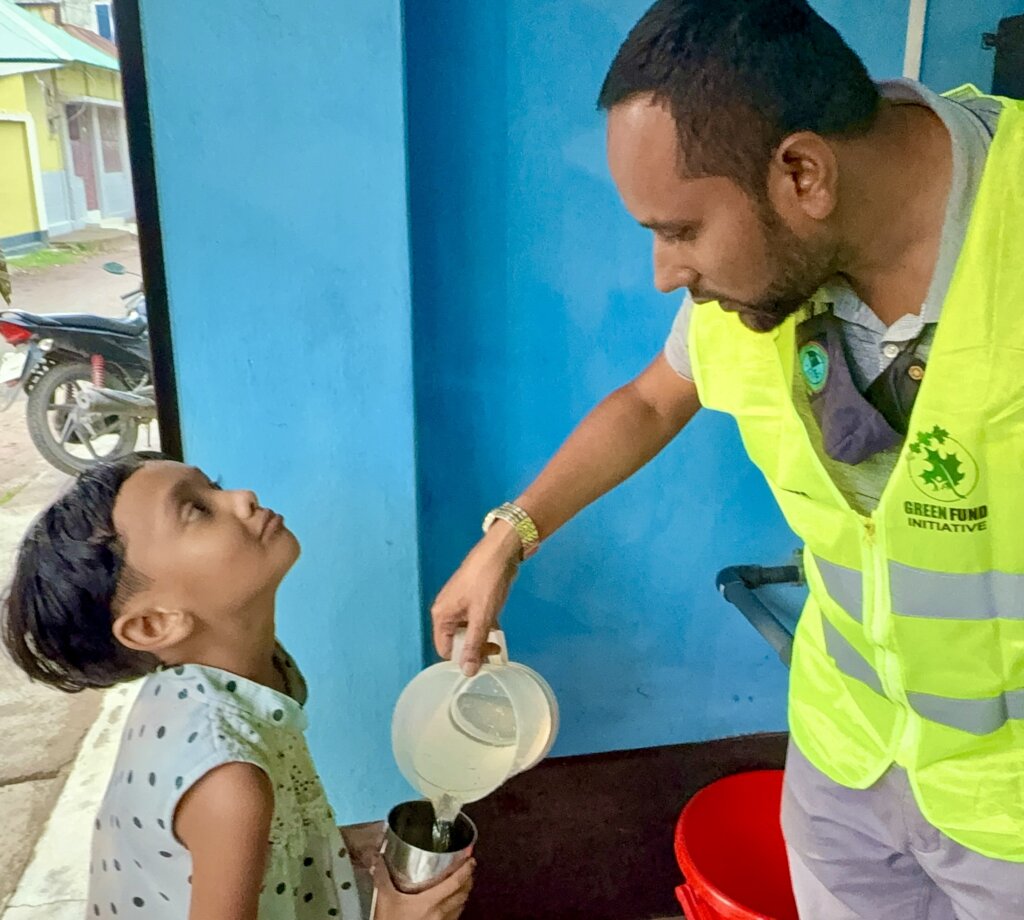
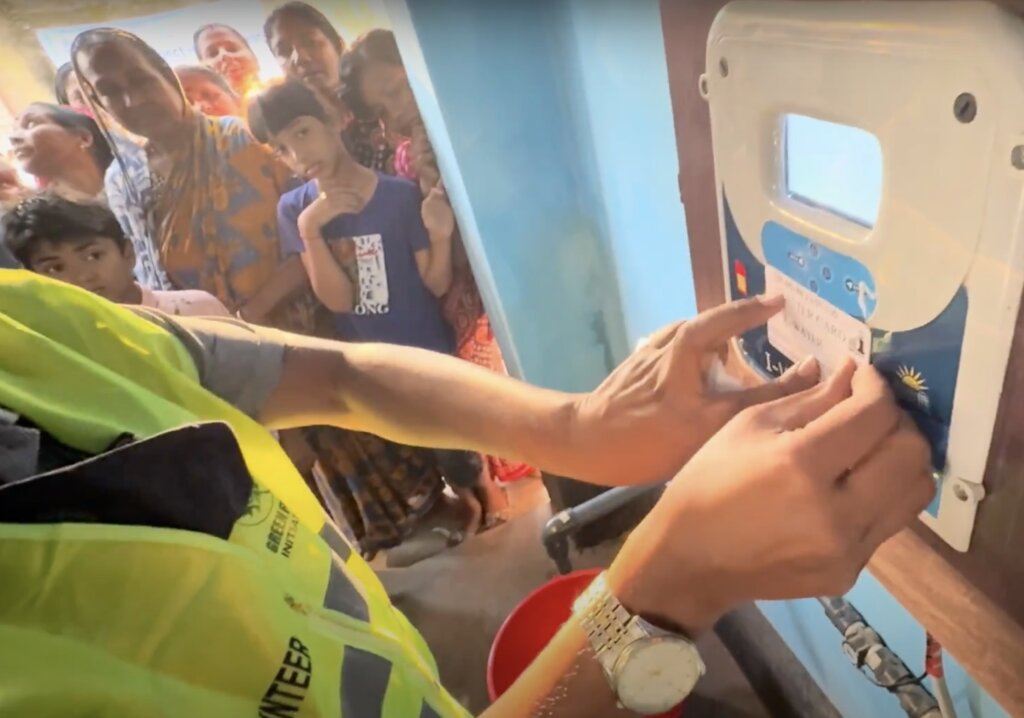
The Water ATM system remained functional throughout the reporting period, providing reliable access to safe drinking water for community members. Routine monitoring and basic maintenance were carried out by local volunteers to ensure uninterrupted operation.
Although no new Water ATM cards could be distributed due to funding shortages, the existing system continued serving beneficiaries and demonstrated the sustainability of the infrastructure already established.
2. Community Follow-Up and Engagement
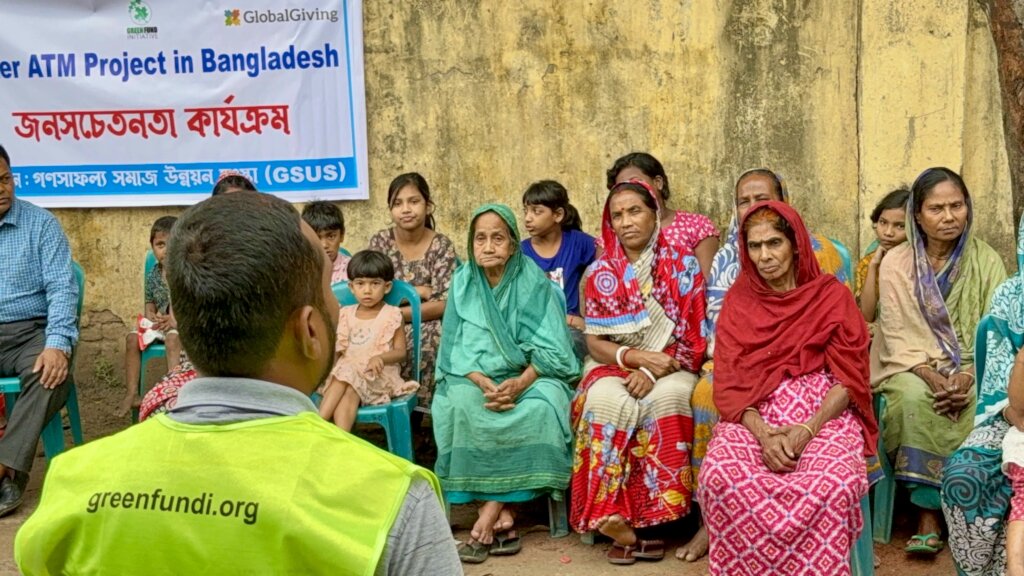
GFI volunteers maintained communication with previously identified beneficiary households and community representatives. These follow-up activities helped maintain community trust and ensured that vulnerable families remained informed about the project's status.
Community members continued to express strong interest in receiving Water ATM cards once funding becomes available.
3. Beneficiary Database Updates
The list of potential beneficiary households was reviewed and updated to reflect changes in family circumstances and vulnerability status. Priority continued to be given to low-income households, elderly individuals, single mothers, and families affected by climate-related challenges.
Maintaining an updated beneficiary database will enable rapid implementation when resources are secured.
4. Safe Water Awareness Activities
Volunteer-led awareness efforts continued through informal discussions and household visits. Key messages focused on:
Safe drinking water practices
Proper water storage and handling
Prevention of waterborne diseases
Hygiene and sanitation awareness
These activities required minimal financial resources while helping reinforce positive community health behaviors.
Observations and Interim Outcomes
The Water ATM system remained operational and continued providing safe drinking water access within the community.
Community demand for Water ATM cards and subsidized water access remains high.
Previously identified beneficiary families remain interested and ready to participate once distributions resume.
Local volunteers continue supporting project monitoring and community outreach activities despite limited resources.
ChallengesLack of New Funding
No new donations were received during this reporting period. As a result, procurement of Water ATM cards and water jars could not be initiated, and no new beneficiary distributions took place.
Increasing Operational Costs
Rising costs associated with transportation, maintenance, and project implementation continue to pose challenges for future expansion.
Unmet Community Needs
Many vulnerable households continue to face difficulties accessing affordable safe drinking water. Delays in funding prolong the time required to reach these families with direct support.
Next Steps
Continue maintaining and monitoring the Water ATM system to ensure uninterrupted service.
Intensify fundraising and donor outreach efforts to secure resources for card distribution and beneficiary support.
Update project documentation and beneficiary data to remain implementation-ready.
Explore partnerships with local organizations and supporters to mobilize small-scale funding opportunities.
Resume procurement and distribution activities immediately upon receipt of sufficient funding.
Conclusion
Although no new donations were received during the February 2026 to June 2026 reporting period, the Green Fund Initiative successfully maintained the operation of the Water ATM system and continued community engagement activities. The ongoing functionality of the Water ATM demonstrates the value and sustainability of previous investments while continuing to provide safe drinking water access to local residents.
GFI remains committed to supporting vulnerable families in northern Bangladesh and stands ready to expand project activities as soon as additional funding becomes available. Continued donor support will be essential to transforming community readiness into direct assistance for families most in need.
Links:
Project reports on GlobalGiving are posted directly to globalgiving.org by Project Leaders as they are completed, generally every 3-4 months. To protect the integrity of these documents, GlobalGiving does not alter them; therefore you may find some language or formatting issues.
If you donate to this project or have donated to this project, you can receive an email when this project posts a report. You can also subscribe for reports without donating.



Support this important cause by creating a personalized fundraising page.
Start a Fundraiser