By Florence Chepkoech | Project Leader
Greetings from Kenya Rainwater Association, I hope you are well!
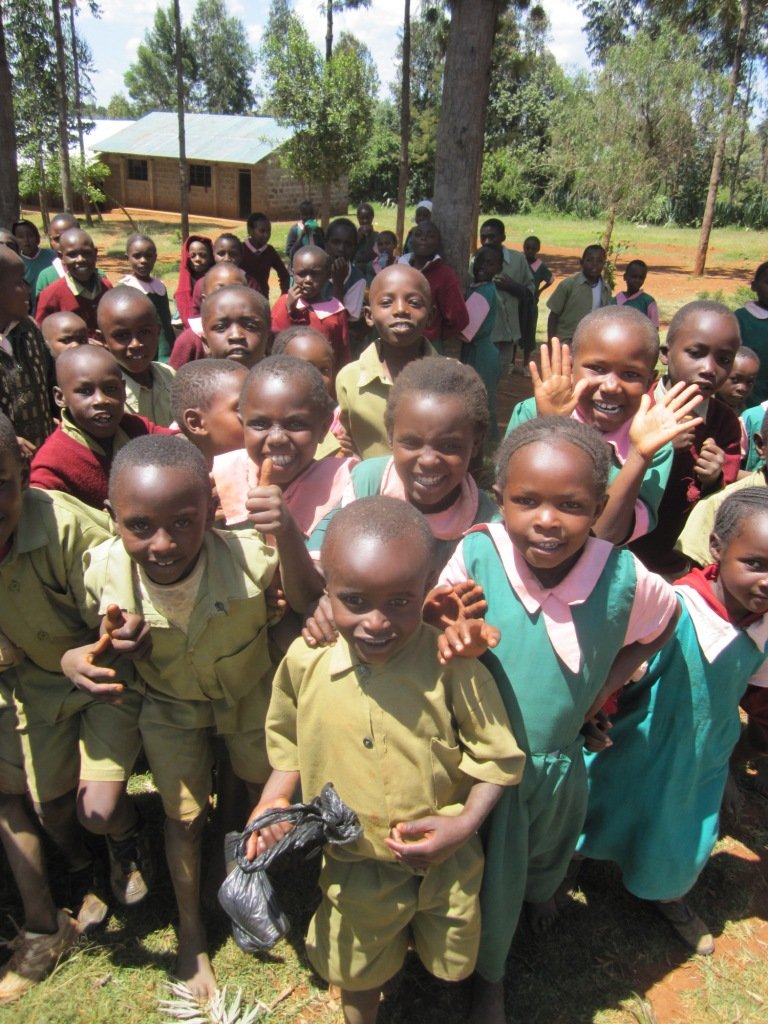
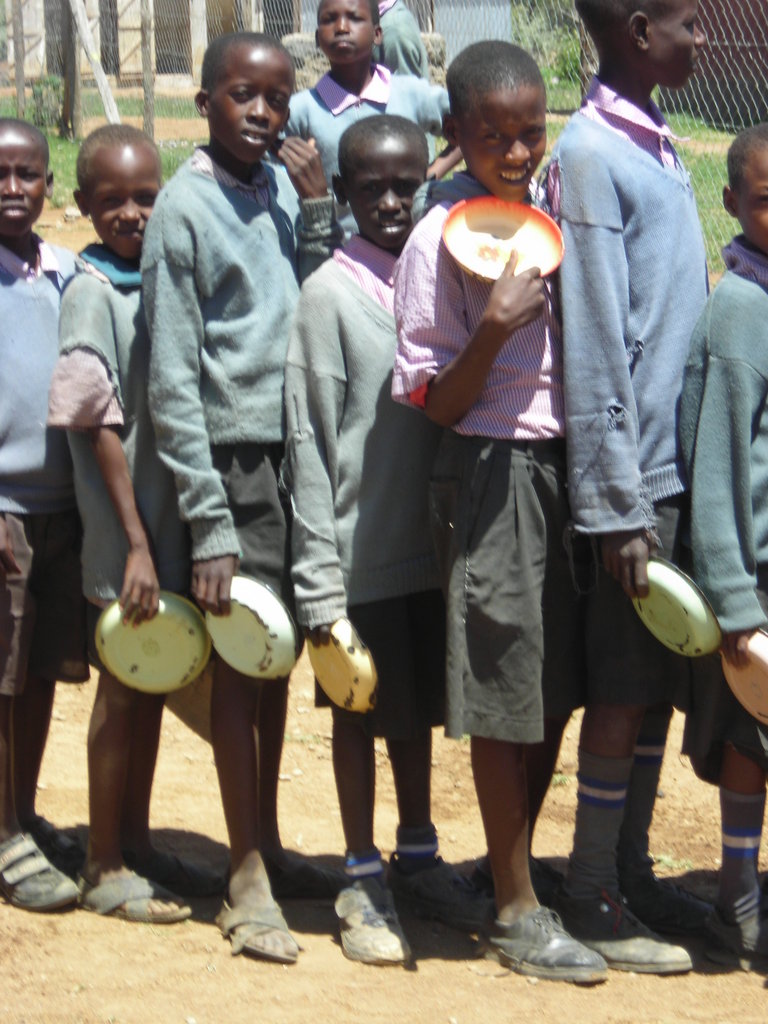
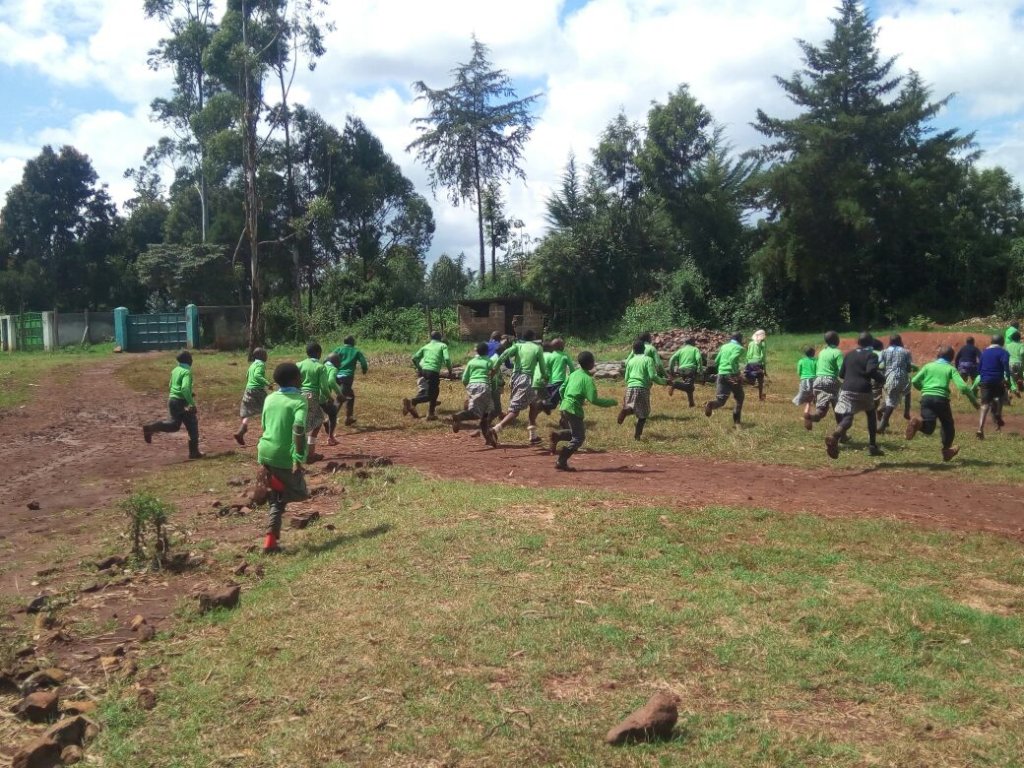
Kwanjora Primary School is located in Ndaragwa Constitituency, Nyandarua North Sub-County, Nyandarua County, Kenya. The climate is classified as semi-arid tropics with two rainy seasons (March - May) and (october - December). The school population is made up of 153 girls, 145 boys and 11 teachers.
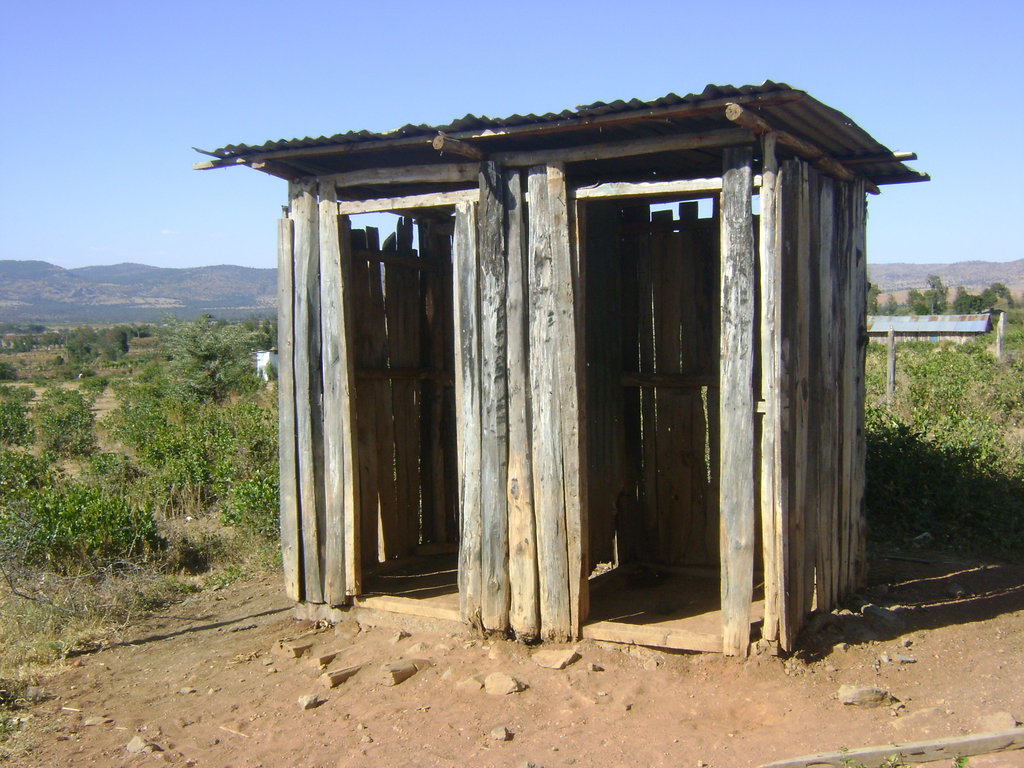
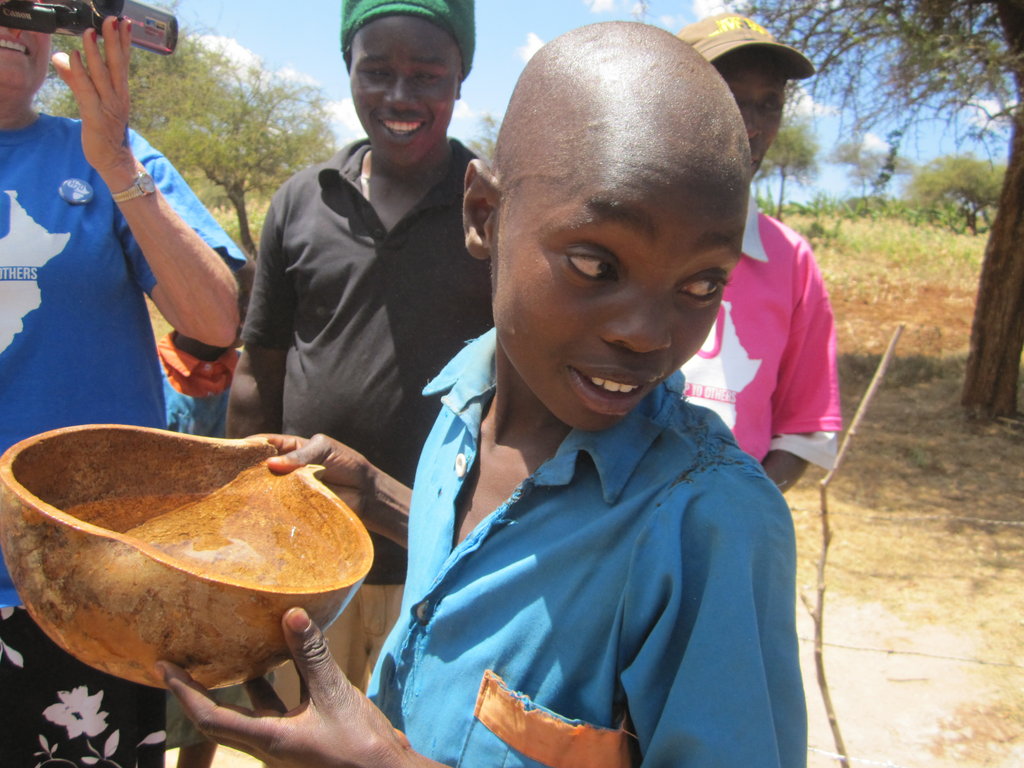
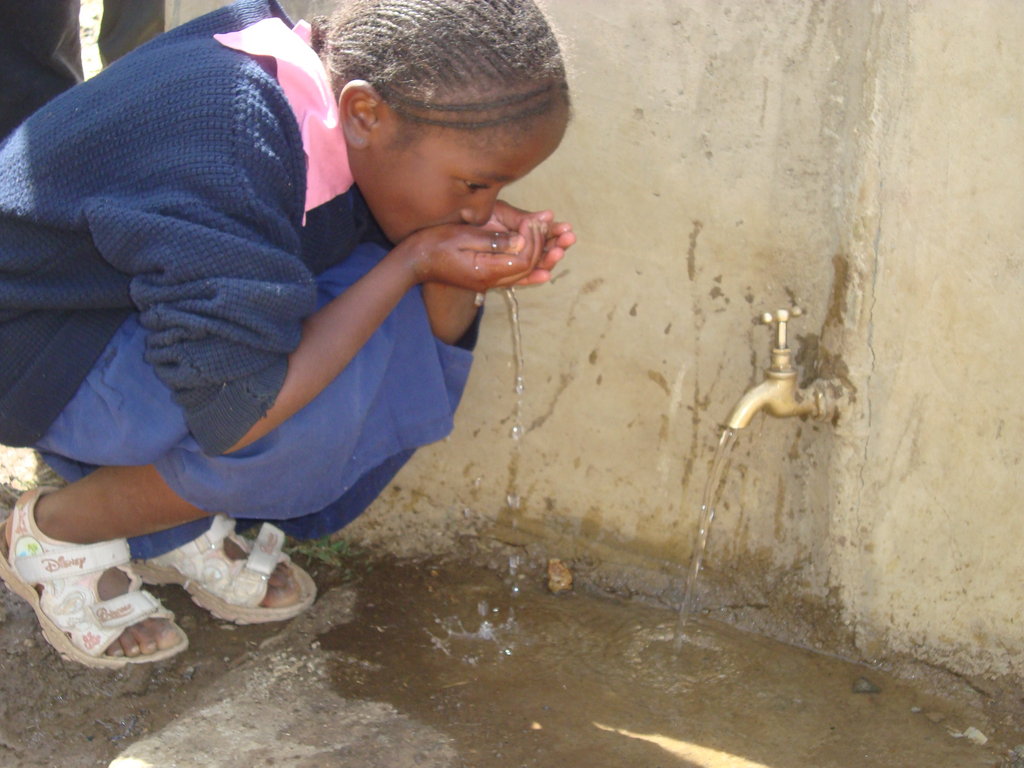
Right now, the pupils fetch water from a seasonal stream about 300m away during the wet season, but when there is no water during the dry spell, they brought water wth 5-litre jericans from home. The water is not drinkable and is used to wet the earthen class floors. Pupils carry individual water in small bottles for personal use from home. The temporary latrines are inadequate and in poor condition and there is also no water or soap to wash hands.
Inadequate access to improved water supply is compounded by poor sanitation and hygiene. Where latrines do exist they are often in poor condition. Existing sanitary facilities rarely have separate blocks for boys and girls and have wooden bases, suffering subsidence with potentially catastrophic implications for someone trapped inside. When girls reach puberty they want more privacy and will often stay away from schools each month or drop out completely if separate facilities are not available. This aggravates girl’s low performance especially those in upper primary who are affected by poor sanitary facilities – need of privacy during menstrual cycle.
In target counties 70-80% of the population live below the poverty line, which is exacerbated by poor access to safe water and sanitation. There are reported cases of typhoid, diarrhoea, cholera, and intestinal worm infestations, which mainly are caused with poor sanitation services. The situation is aggravated by inadequate sensitization and awareness of the linkages between health, water quality, sanitation and hygiene. Ironically, even when people do understand the best methods to protect their health they often lack the facilities to implement their knowledge. Good hygiene practices reduce infections and improve health. For example, hand-washing with soap after using latrines can reduce diarrheal diseases by 30-40% especially for children.
Please help me achieve the following through your generous donations:
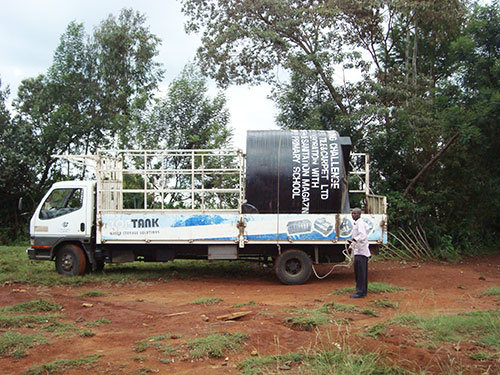
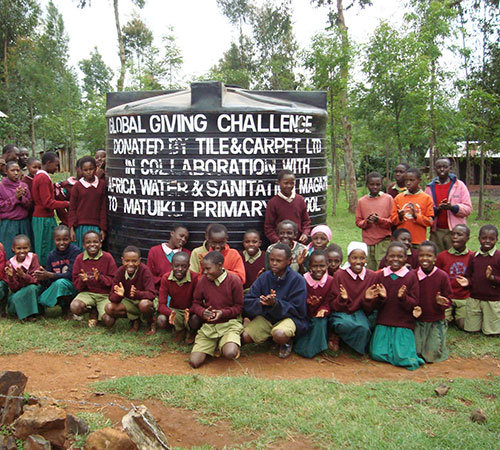
ü Increase access to sustainable water supply for drinking through construction of rainwater storage tanks (75m3) and installation of guttering system for expansive school roof catchments;
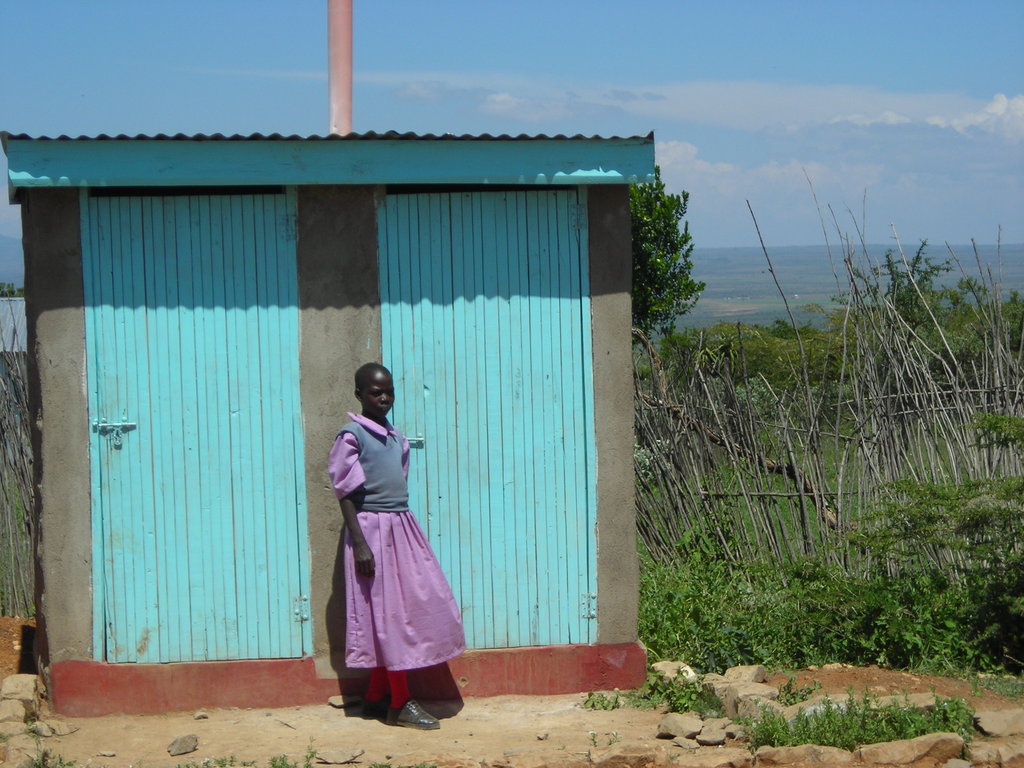
ü Improve sanitation and good hygiene practices in school through construction of gender-sensitive ventilated improved Pit (VIP) latrines– separate blocks for boys ,teachers and girls, and hand-washing facility
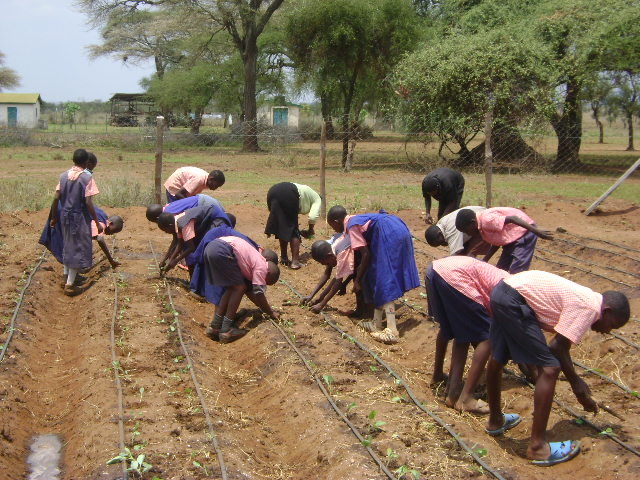
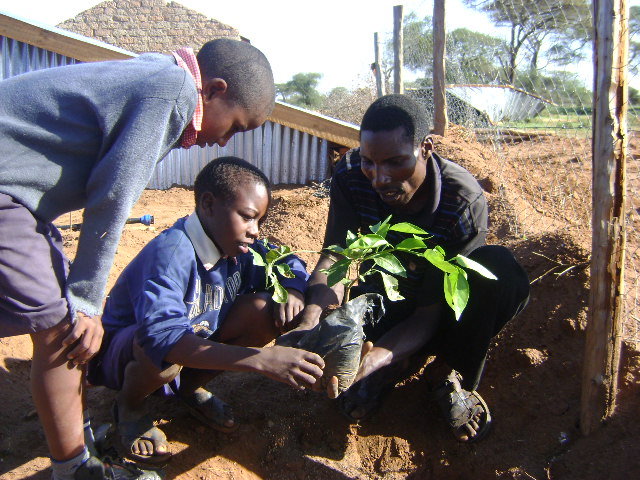
ü Build the capacity and increase knowledge of local communities on rainwater harvesting, improved sanitation, health & hygiene (WASH), food security & nutrition (climate-smart agriculture) and environmental conservation.
When it comes to water it is often said that every drop counts and when it comes to you our partners we say that every donation counts!
Best wishes
Project reports on GlobalGiving are posted directly to globalgiving.org by Project Leaders as they are completed, generally every 3-4 months. To protect the integrity of these documents, GlobalGiving does not alter them; therefore you may find some language or formatting issues.
If you donate to this project or have donated to this project, you can receive an email when this project posts a report. You can also subscribe for reports without donating.