By Owen David Sowerwine | Project Leader
On Monday Hou In Cheong and Jialin Ye fly in from the University of Illinois to volunteer their engineering skills for eight weeks on VTS' SafaPani (arsenic-free water) project. Over the next ten days another eleven or more volunteers arrive to assist with SafaPani and Looma, a computer/projector/sound system/webcam-in-a-box that will bring the world (a world of content) to any school, anywhere...including some schools served by VTS' WireBridges.
The story of VTS is in this attached PDF. We ask skilled volunteers to solve major problems, and if successful make the results available to the people who need them. That's how the WireBridge was created.
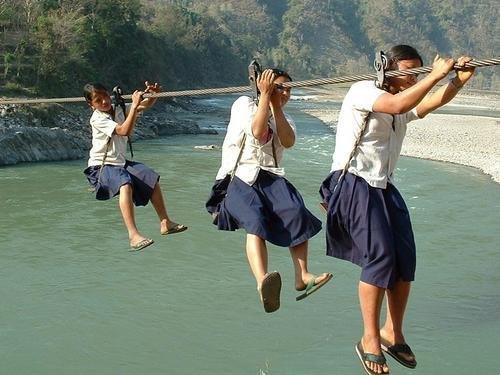
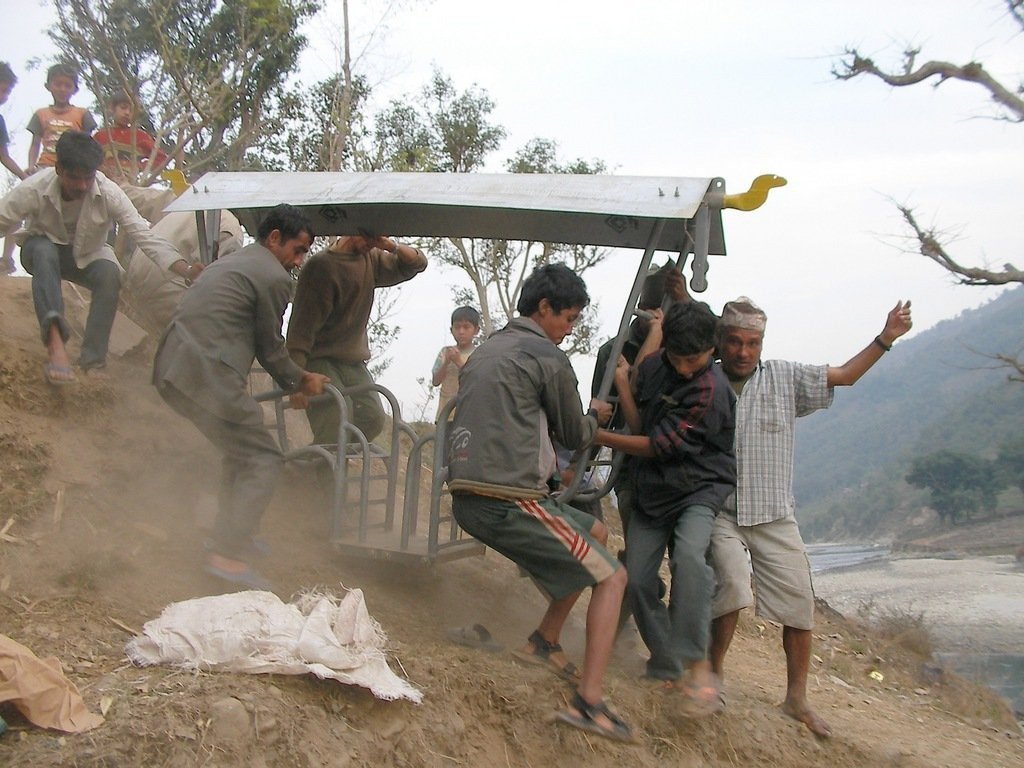
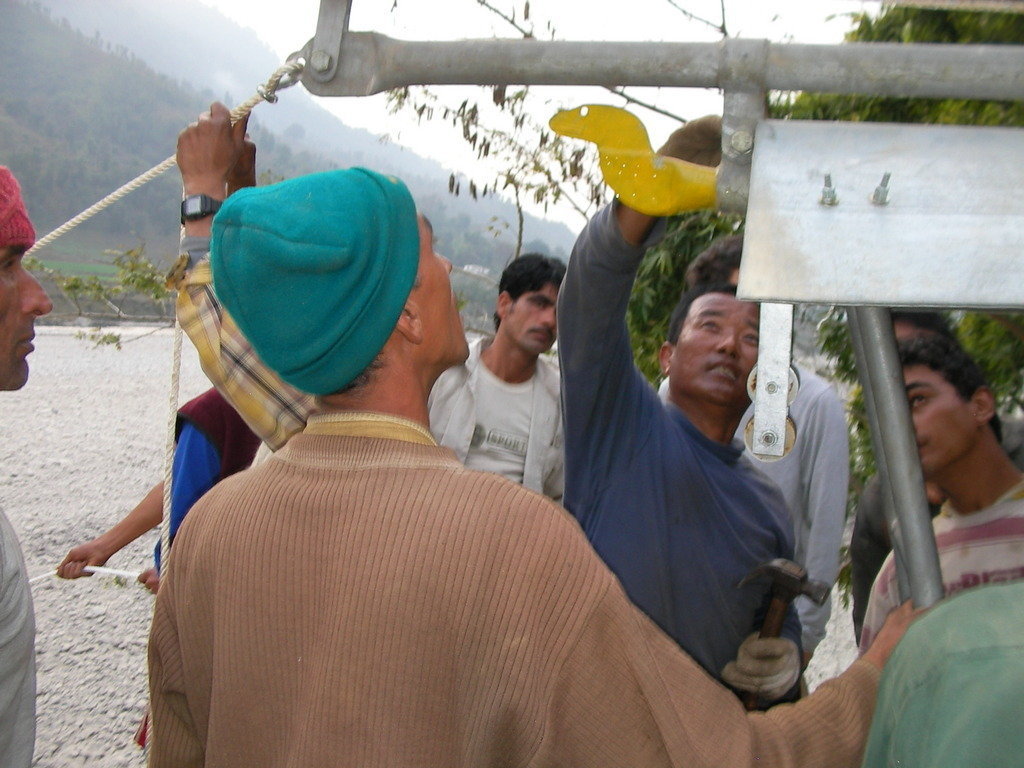
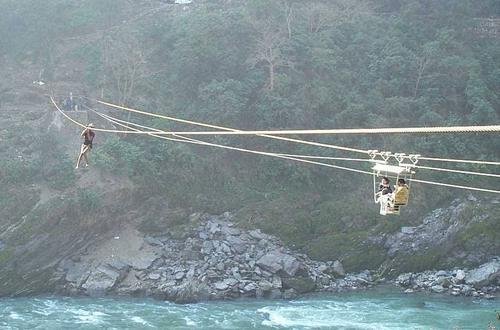
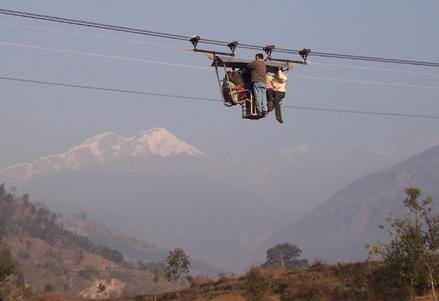
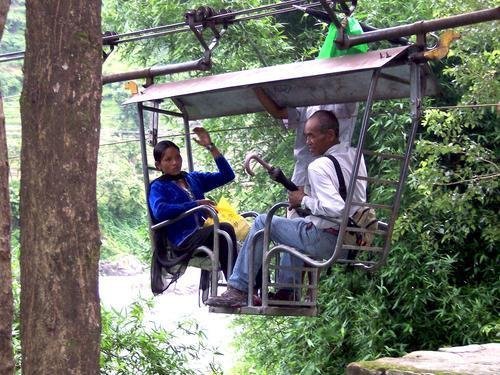
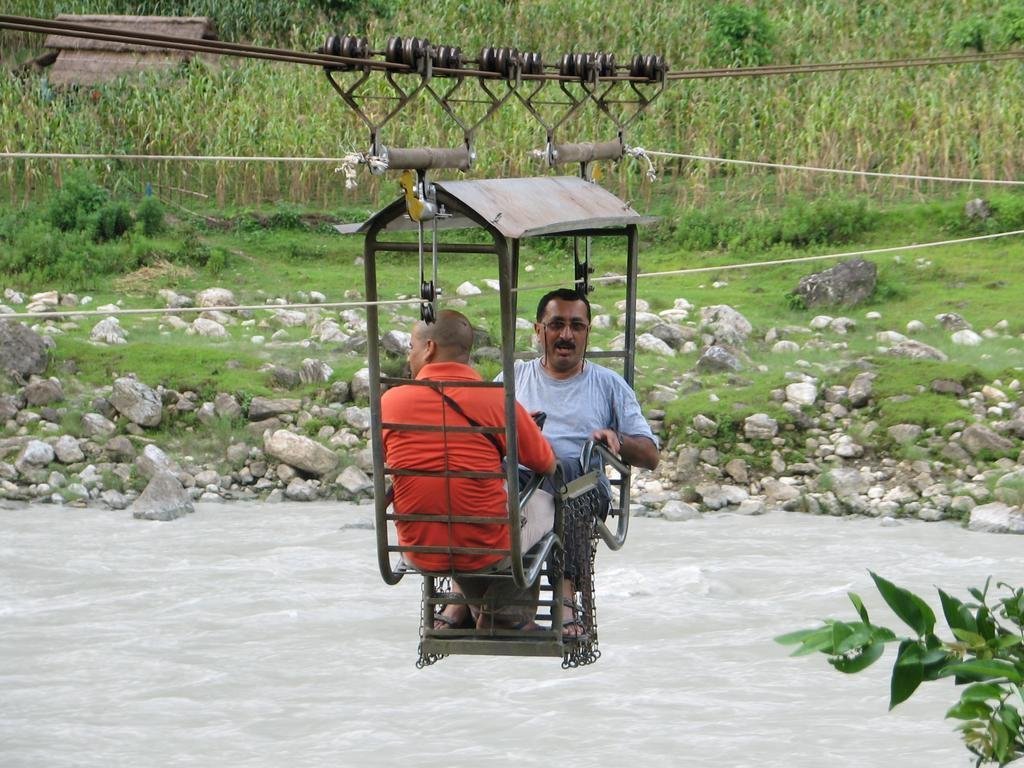
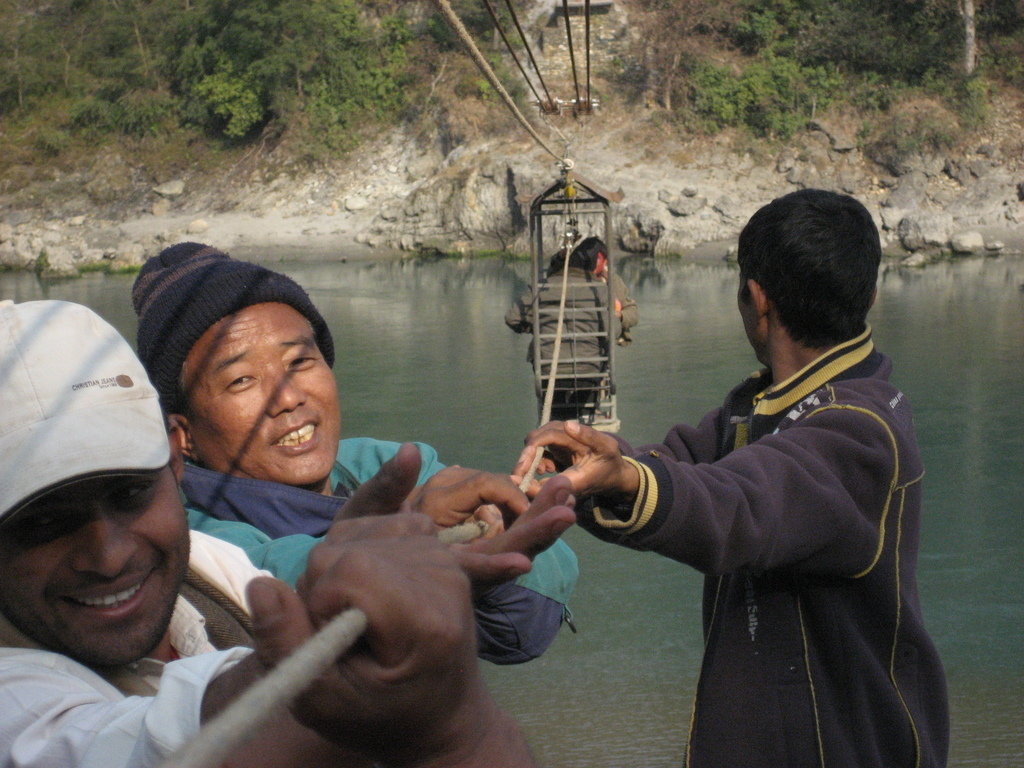
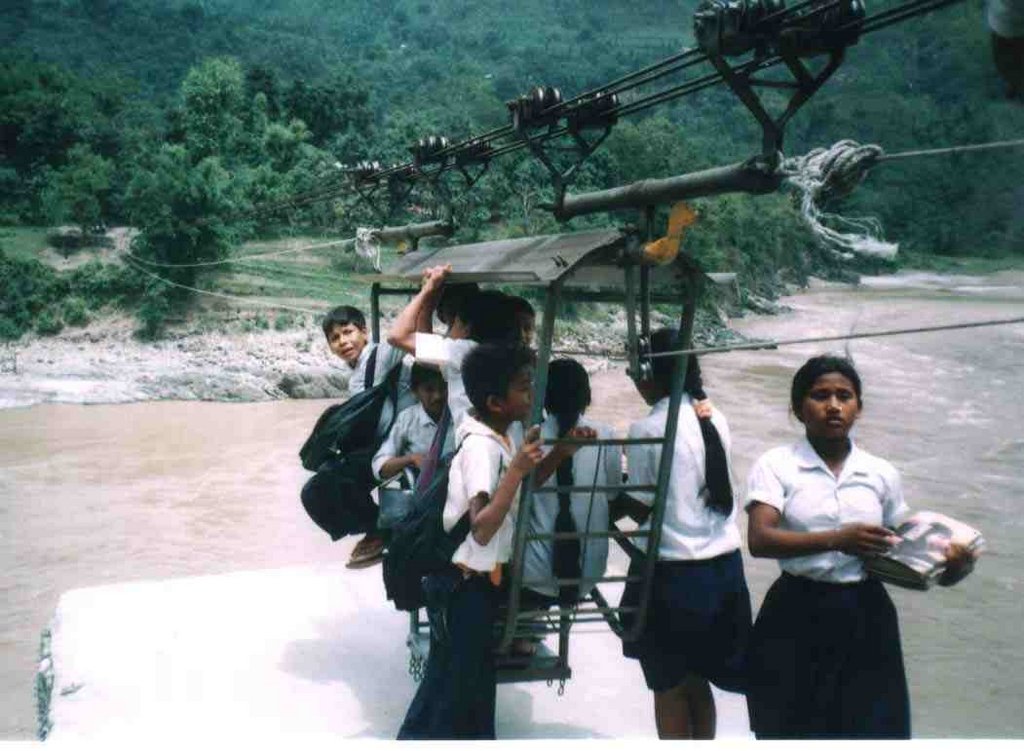
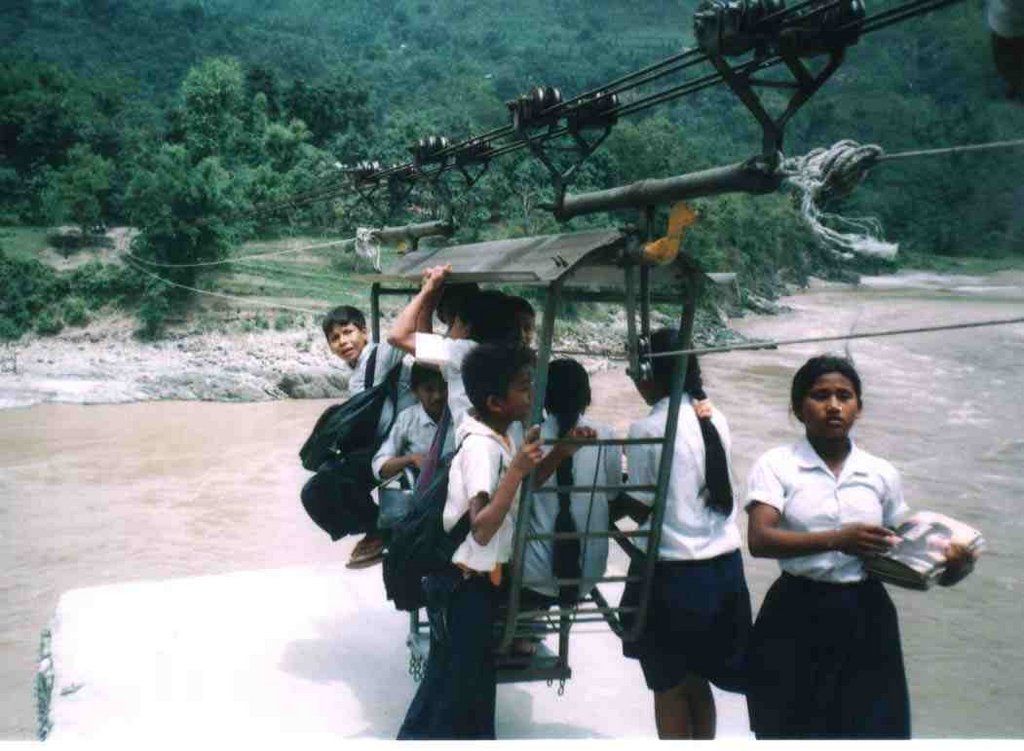
Many hands built the WireBridges. The design works well--it is simple, inexpensive, and carries passengers safely. The team that built the 38 WireBridges in Nepal still exists, and can build more and maintain them.
But the story isn't over. Maintenance for the WireBridges is possible only if the repair team can be paid--so a major (and we hope our final) development challenge is to persuade the government to allocate the funds for proper annual maintenance. A WireBridge costs about the same as a modest auto ($20-25,000), and the annual repair costs are about the same as for a car-around $600.
See below the story of VTS as told by Barbara Wood of the Almanac:
Project reports on GlobalGiving are posted directly to globalgiving.org by Project Leaders as they are completed, generally every 3-4 months. To protect the integrity of these documents, GlobalGiving does not alter them; therefore you may find some language or formatting issues.
If you donate to this project or have donated to this project, you can receive an email when this project posts a report. You can also subscribe for reports without donating.