Vegetable Gardens & Internet for Indian Youth

by United States Committee for FAO
Vegetable Gardens & Internet for Indian Youth

Project Report | Feb 17, 2011
Substrate Trials Report Received!

By Amy McMillen | Program Coordinator

Hi Everyone,

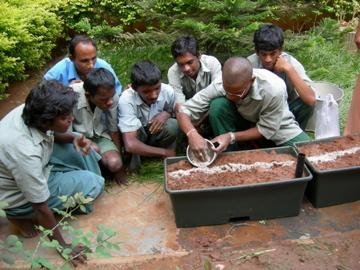
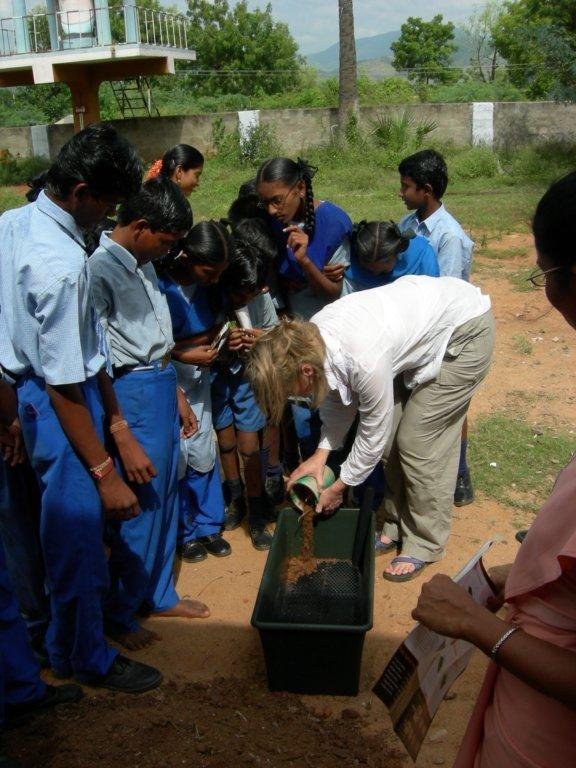
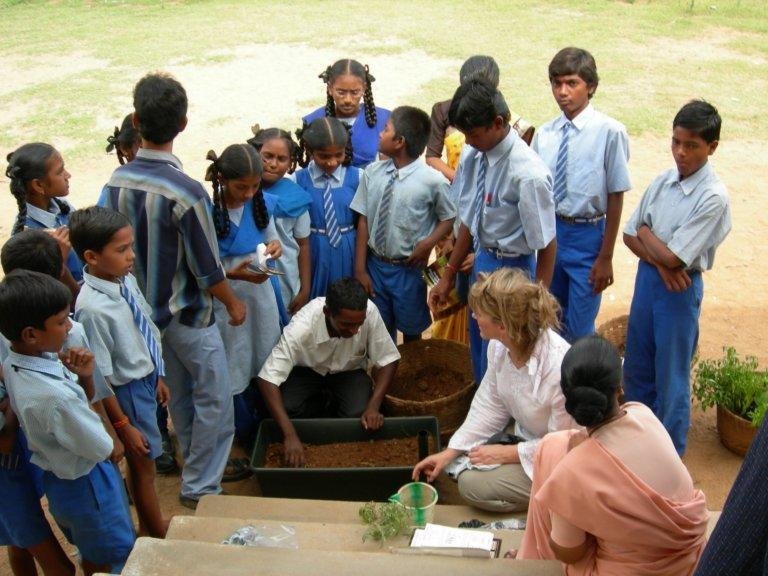
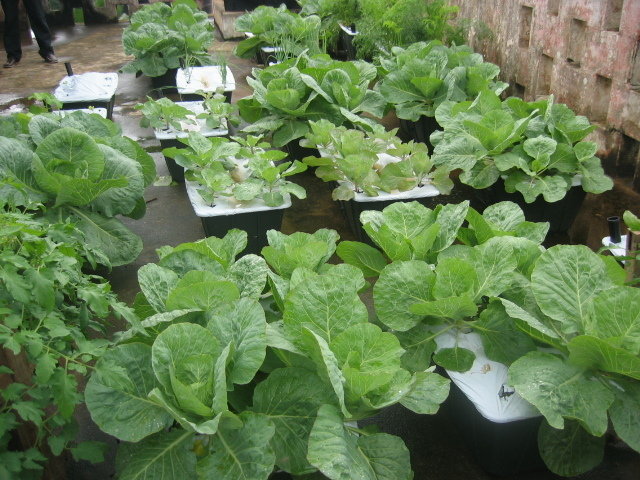
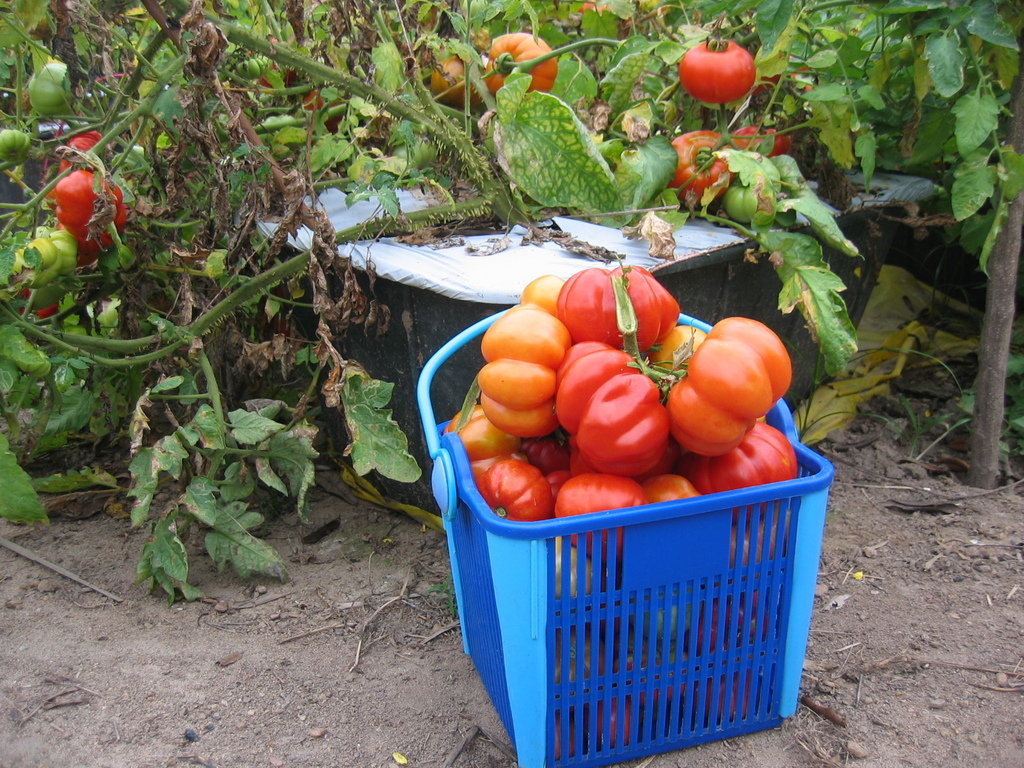
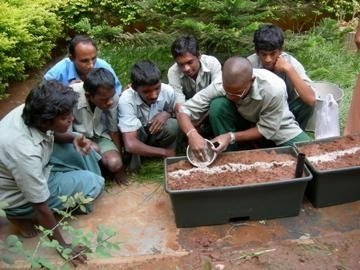
AME Foundation has been busy conducting horticultural trials on the EarthBox to identify local inexpensive substrata and fertilizers that can be used in the box.   The trials are complete and the results are in. 

Dr. Viswanath recommends the following blend of inputs readily available in and around Bangalore for use with the EarthBox.

Growing Medium

  • 1 part soil
  • 1 part sand
  • 8 part Special Compost

    Special Compost

    • 1 part coir powder
    • 1 part worm compost
    • 1 part Regular Compost

(Rooftop terrace garden boxes use a 1-1-8 formula.  Ground garden boxes use a 1-1-4 formula because they can use more sand and soil as there are no weight issues.)

EarthBox® Preparation Process 

  • 1 to 2 inches of coir (outside fiber from coconut) placed on the bottom plastic grate and put into the open corners of the grate
  • 6 inches of Growing Medium
  • Remaining 1.5 inches is left vacant on top

Dr. Viswanath explained that, in his opinion, no chemical pesticides or insecticides are needed.  He did suggest that organic pesticides can be used. 

Organic Pesticide Recipe:

  • 1 part garlic (50 grams)
  • 1 part chili pepper
  • 1 part ginger

Grind all of above and mix together

  • 5 parts water

Blend water and mixture into a liquid paste.

  • 5 parts water

Stir liquid paste and additional water together and pour into spray container.

In addition to identifying the appropriate blend of inputs that will adequately wick water from the basin of the EarthBox throughout, the AME team evaluated the technology for local use.  They noted several advantages.  "The chief of them are listed as follows:

  • In the very first place the supplied boxes immensely help in saving water apart from saving labour. Because, watering can be done once in 3 days as against daily watering in case of other boxes.
  • Its ability to support any local growing media effectively is another equally important benefit.
  • Another aspect worth mentioning is that the boxes are comparatively light weighted. Thus, they provide easy portability which is prime requirement for terrace gardening
  • Lastly – though not least – the EarthBoxes are compact and easy to handle."

We are pleased with the results and will now be moving into a second phase of testing.  This time to use the box with different groups of beneficiaries to determine if the EarthBox and The Growing Connection program can be an effective tool in achieving food security.

Thanks for your continued support!

Share on Twitter Share on Facebook

About Project Reports

Project reports on GlobalGiving are posted directly to globalgiving.org by Project Leaders as they are completed, generally every 3-4 months. To protect the integrity of these documents, GlobalGiving does not alter them; therefore you may find some language or formatting issues.

If you donate to this project or have donated to this project, you can receive an email when this project posts a report. You can also subscribe for reports without donating.

Sign up for updates

Organization Information

United States Committee for FAO

Location: Washington, DC - USA
Amy McMillen
Project Leader:
Amy McMillen
Progam Coordinator
Washington , DC United States

Retired Project!

This project is no longer accepting donations.
 

Still want to help?

Find another project in India or in Economic Growth that needs your help.
Find a Project

Learn more about GlobalGiving

Teenage Science Students
Vetting +
Due Diligence

Snorkeler
Our
Impact

Woman Holding a Gift Card
Give
Gift Cards

Young Girl with a Bicycle
GlobalGiving
Guarantee

Get incredible stories, promotions, and matching offers in your inbox

WARNING: Javascript is currently disabled or is not available in your browser. GlobalGiving makes extensive use of Javascript and will not function properly with Javascript disabled. Please enable Javascript and refresh this page.