By Iain Guest | Project Leader
This is the fifth time we have reported back on our soap program in Mali, which helps 60 survivors of armed sexual violence to produce and sell soap. As you will see, the program is exceeding all expectations.
As we have explained in earlier reports, the program is managed by our Malian partner Sini Sanuman (“Healthy Tomorrow”) and has several innovative features. Sini Sanuman runs three centers in north and south Mali, where SGBV survivors receive six months of emergency support (nutritional, psychosocial, medical, judicial).
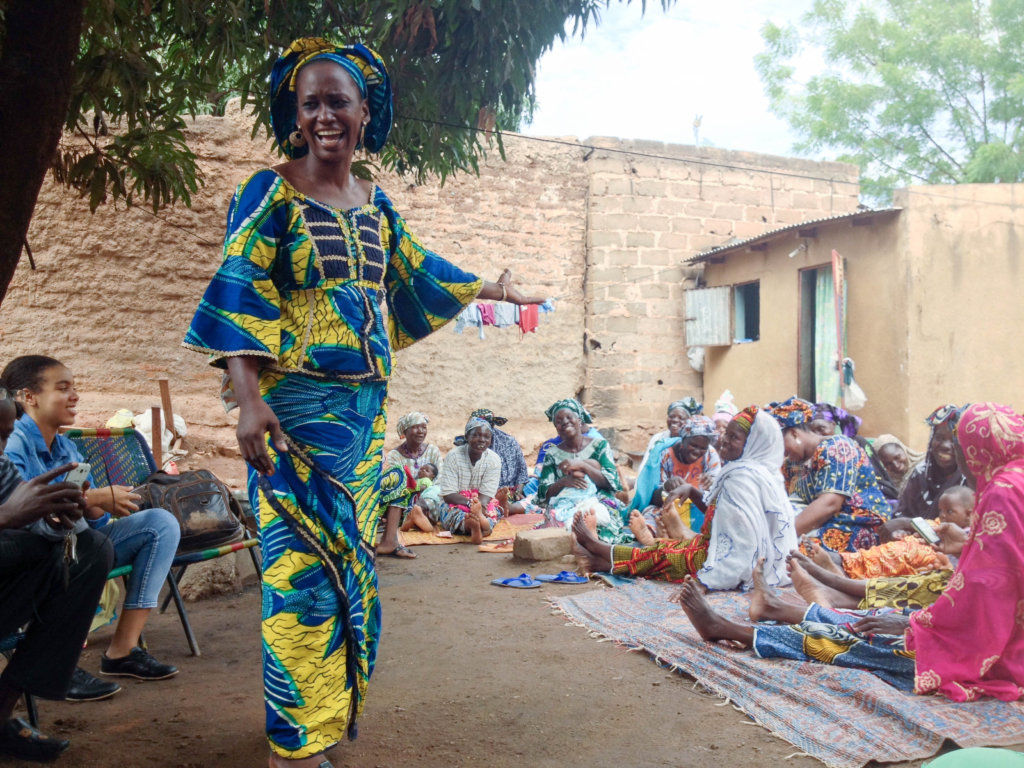
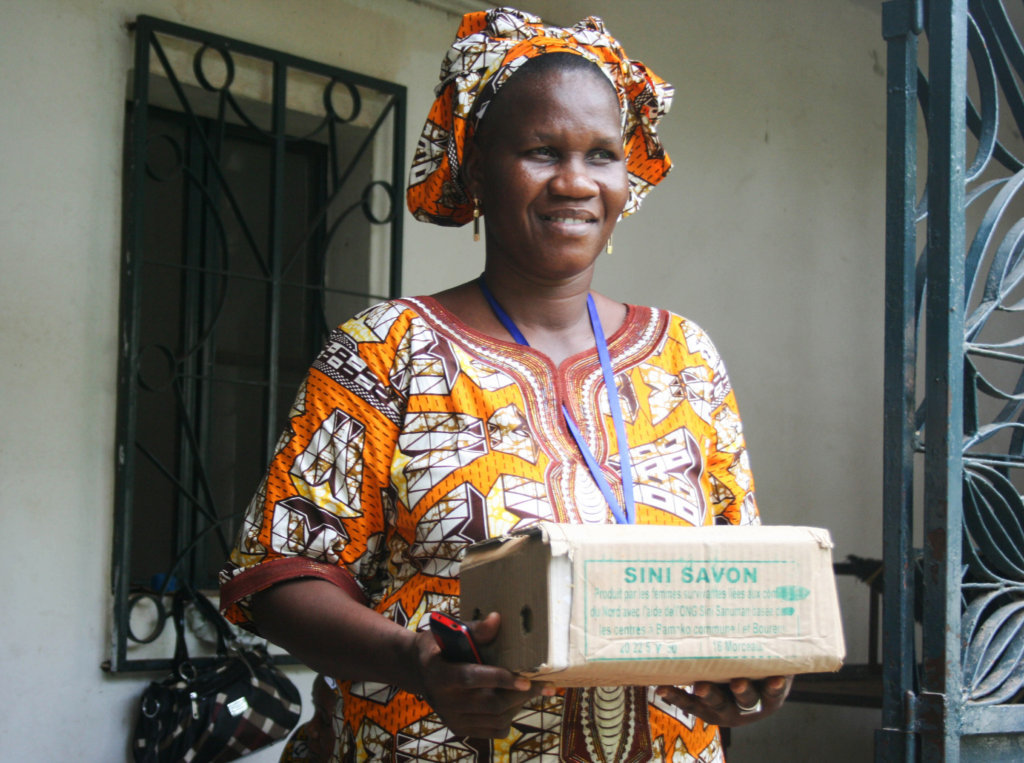
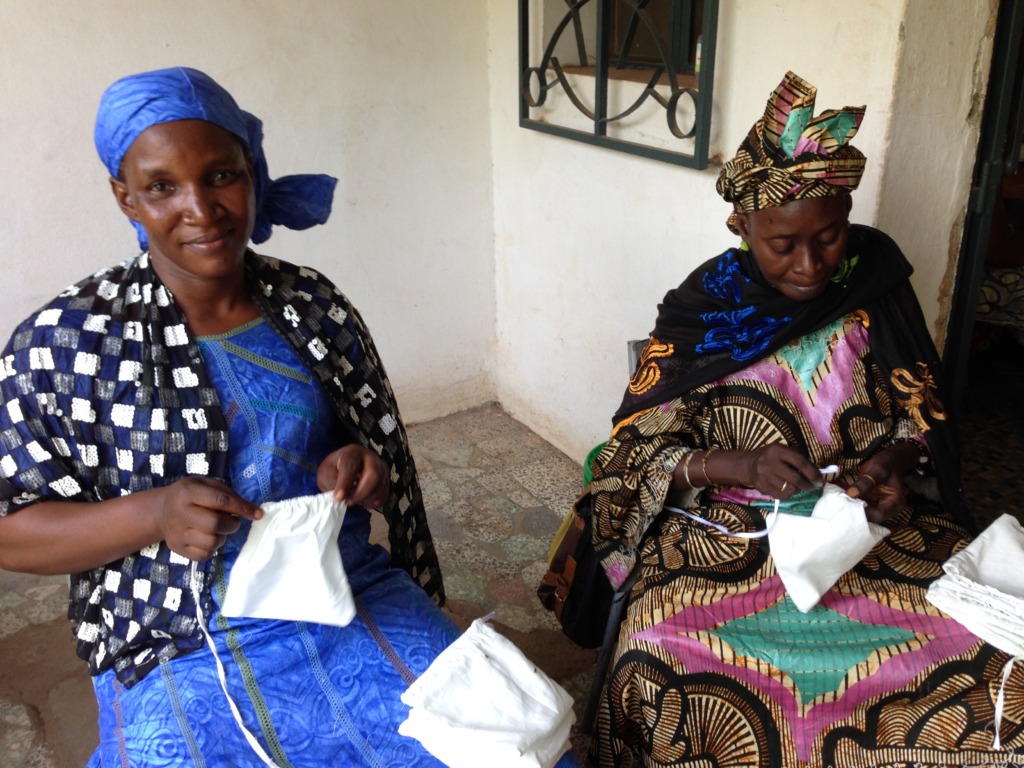
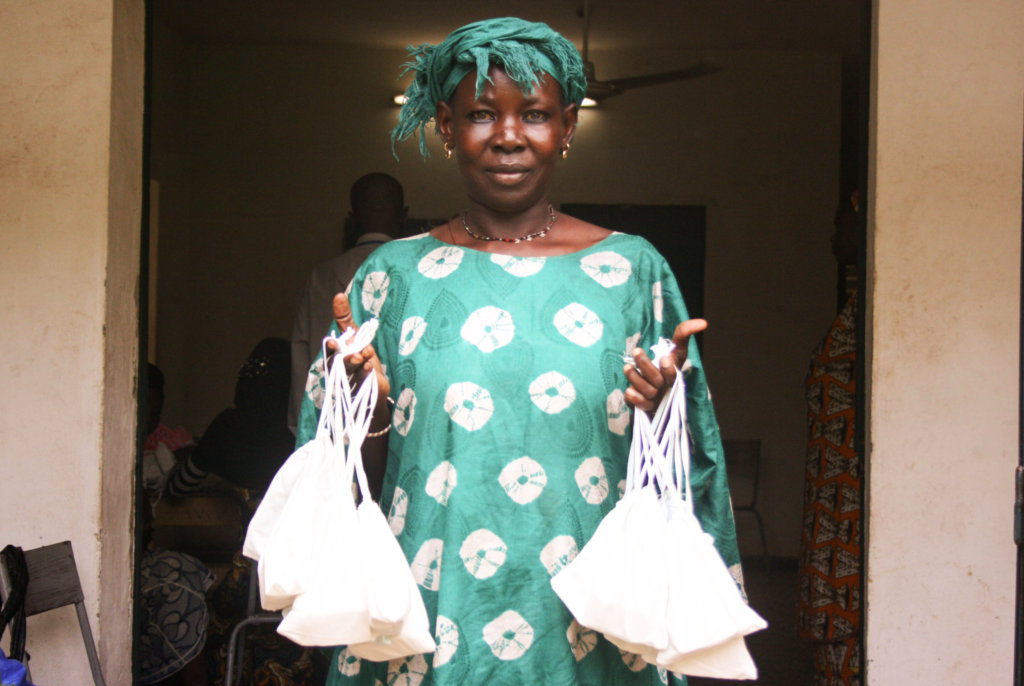
Also in the centers, several professionals train the women in how to make soap, clothes and embroidery. Trainers like Aissata, pictured above, are the heart and soul of the program. Aissata has been making soap much of her life and she loaned her own molds to the project in 2014 to get things started. We have recorded her great work in this video.
Every one of the women she has trained has reason to be grateful to Aissata. As we have explained in previous reports and bulletins, SGBV survivors gain enormously in confidence by being able to make and sell their own products.
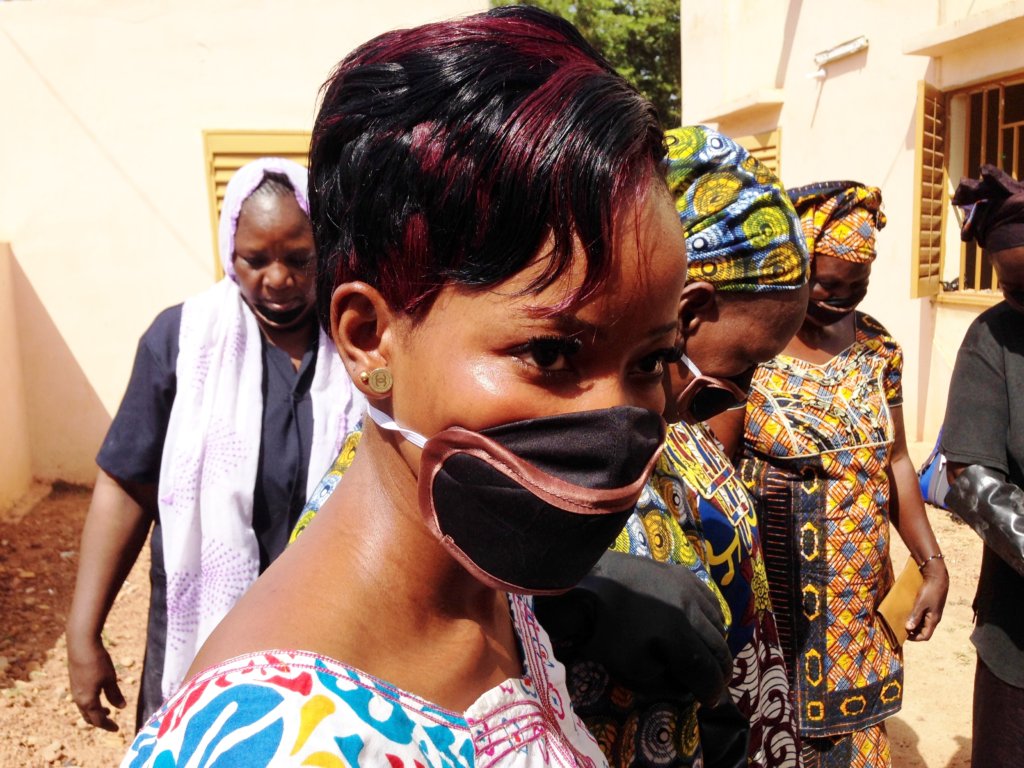
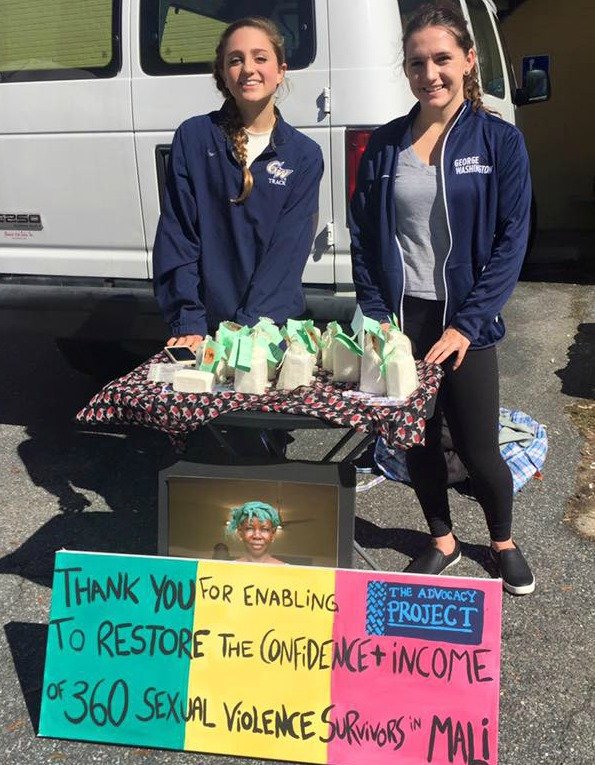
Our appeal on behalf of the soap-makers was launched early in 2016 with help from our friend Luigi from The World Bank, who dedicated his climb of Mount Denali to the soap makers of Sini Sanuman. Thus far we have generated $8,300 from over 70 donors like yourself, which puts us well on the way to our target of $15,000. Rose, who served as a Peace Fellow at Sini Sanuman in 2016, raised another $1,000. We are also grateful to friends in the US like Rachael, who takes time away from her studies to sell Sini Savon at the farmer's market in Washington. (Photo).
Beneficiaries
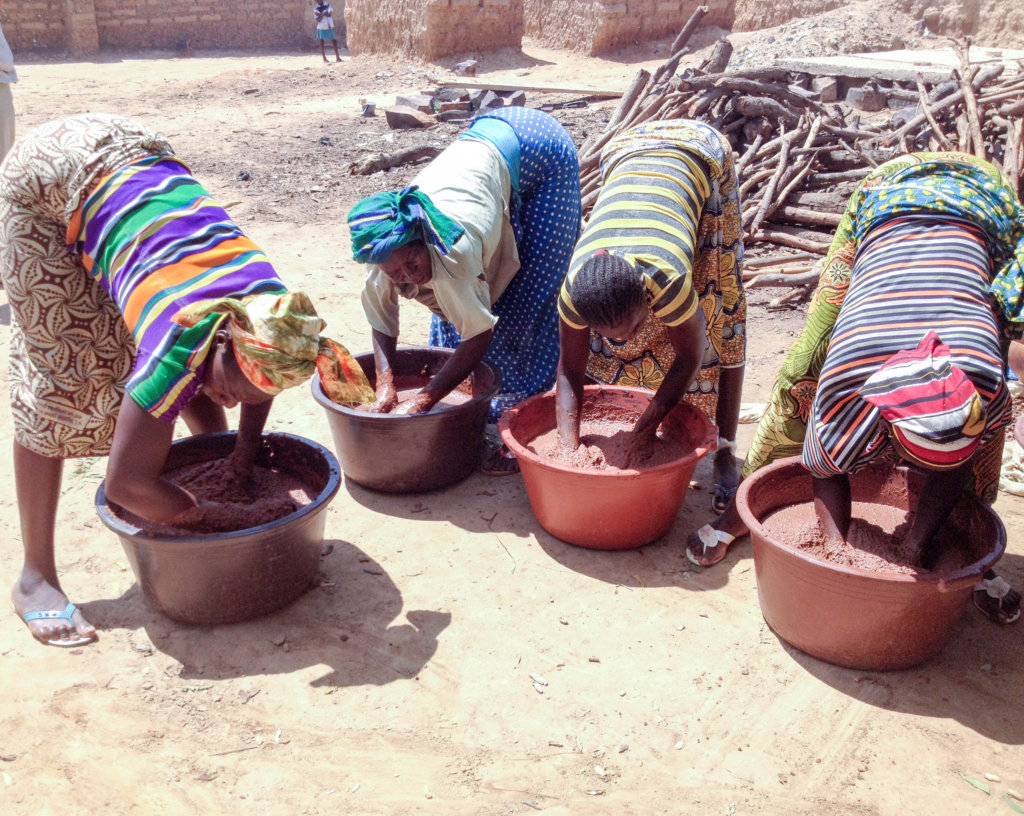
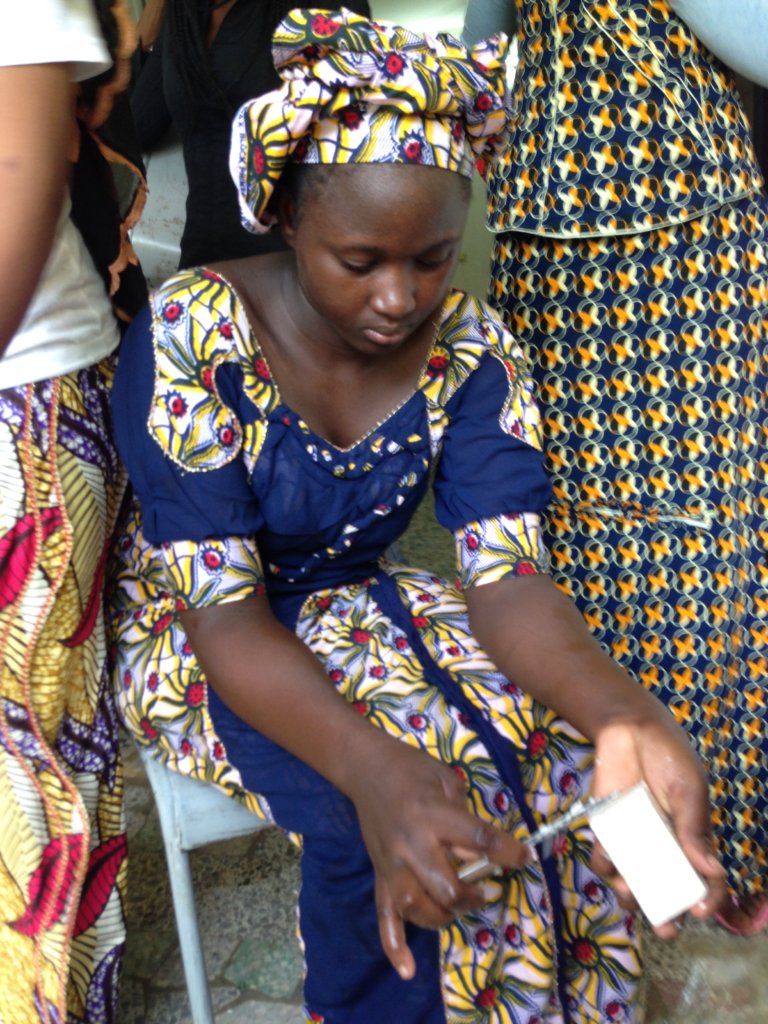
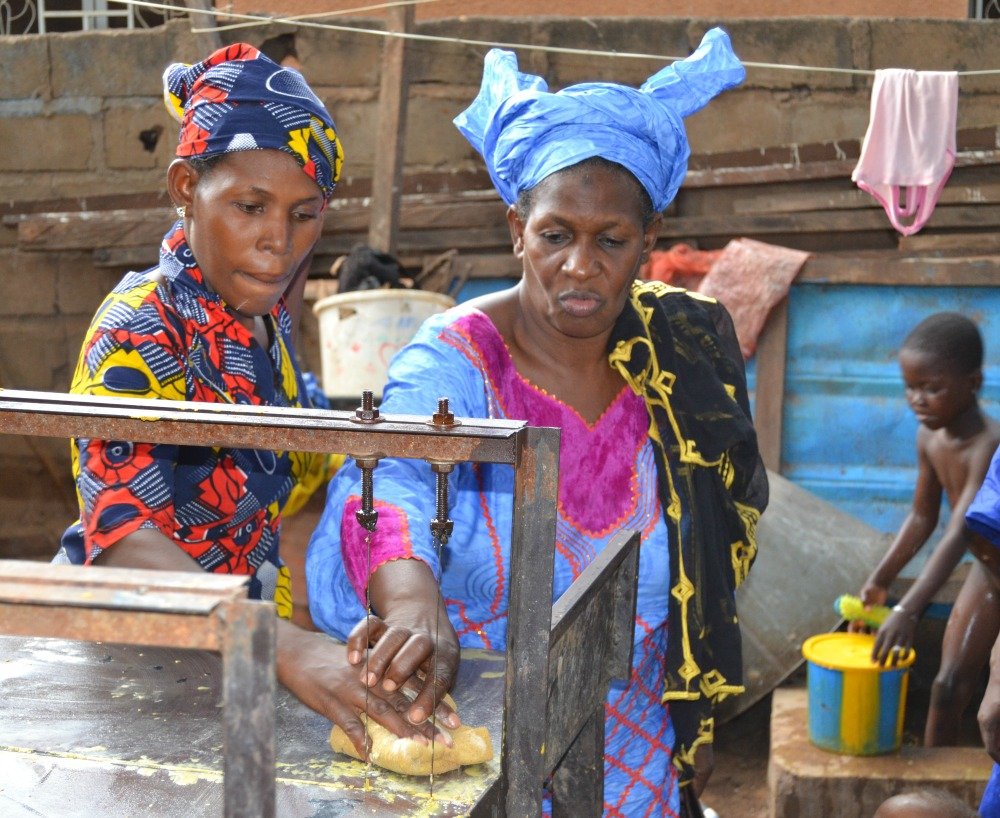
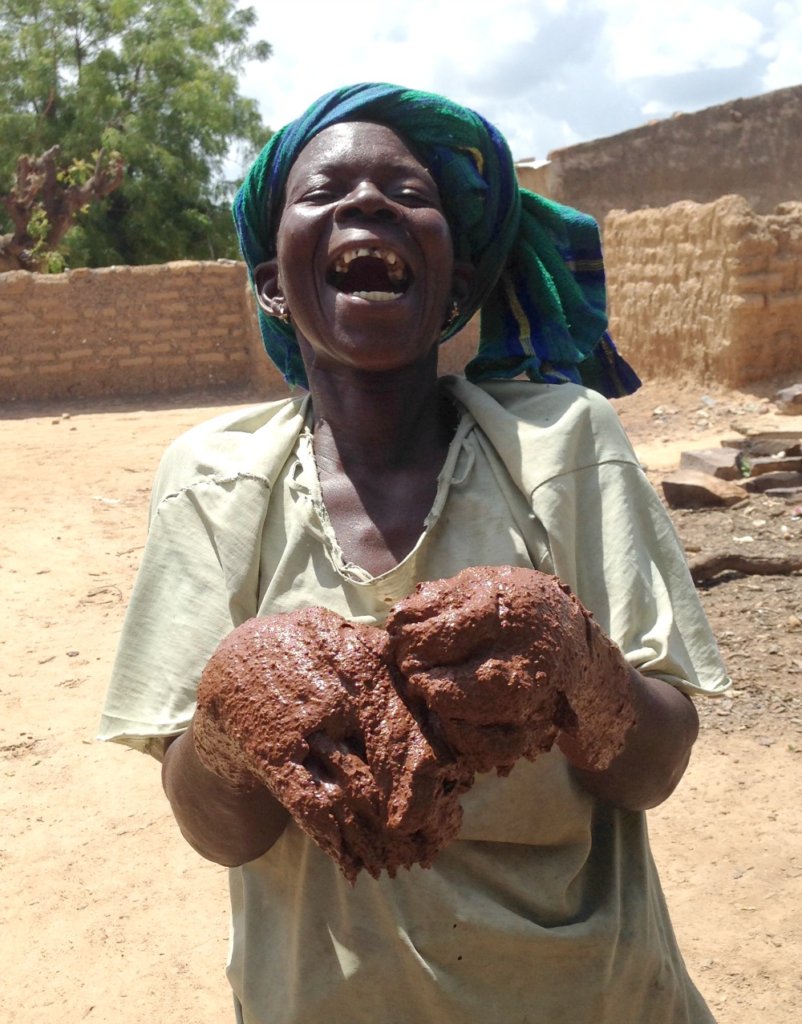
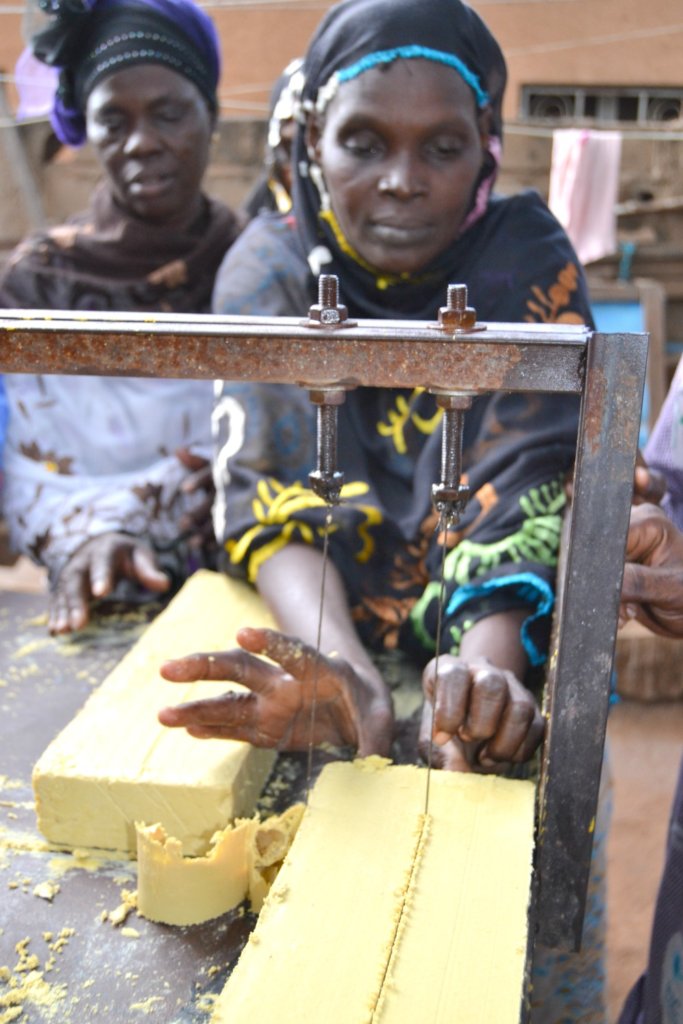
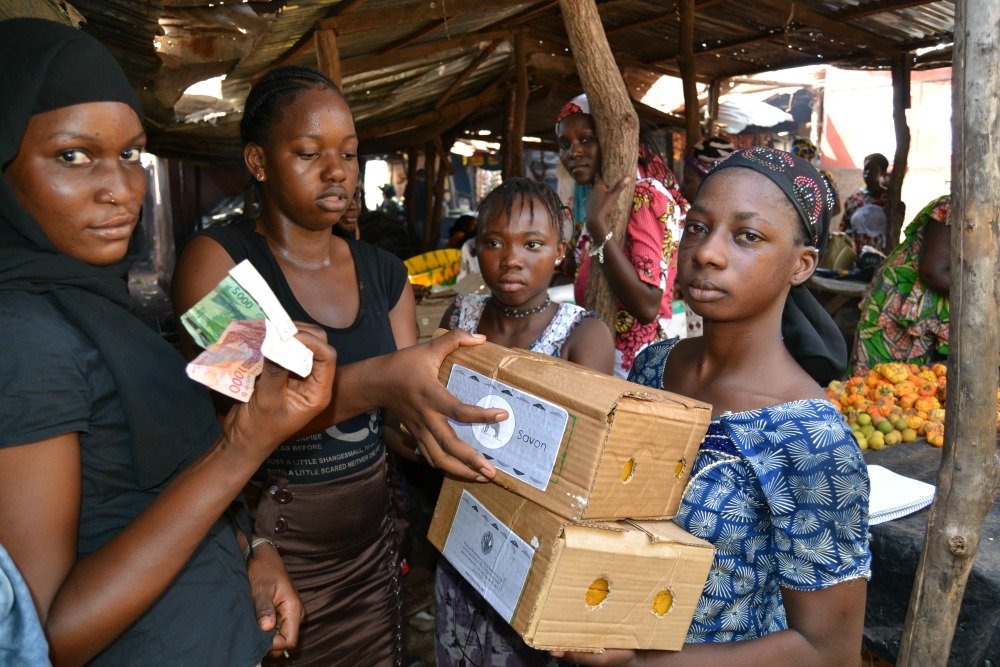
The money raised so far has gone a very long way in Mali. While our original goal was to support 60 women, your donations have helped to build a small women’s business (Sini Savon) which has benefitted almost 300 women. Of these, 210 survivors were trained at Sini Sanuman’s two centers. Another 40 village women produce shea butter (beurre de kerite), which is used in making soap at the centers. (Photo). Finally, your donations have enabled us to invest $1,000 in the Moussou Kalanso women’s group in Bamako, which brings together 35 women every week to make soap. (Photo).
The number of beneficiaries will grow steadily through 2017 because Sini Sanuman hopes to open a fourth center in the northern town of Gao, which has the largest number of undeclared SGBV survivors in the country. Indeed, by the end of this year, the project will be benefiing almost 400 women. Aissata the trainer will have trained over two thirds of them – an amazing personal legacy.
Earnings have also risen steadily. The trainees have produced over 33,000 bars of soap since January last year, and under our agreement with Sini Sanuman they keep 60% of the profit. (The rest is invested in the cooperative). In 2016 the women earned $1,465 from selling soap. So far this year they have earned around $600. The amount will rise throughout the rest of the year as productivity increases.
Equally important, the management of the project is becoming steadily more professional. Starting in June last year, Aissata the trainer has kept meticulous records. Aissata is one of two signatories on the Sini Savon bank account and takes the final decisions on how money will be invested.
Looking ahead
While this is encouraging for a project that only started a year ago, we are a long way from generating a real income for the soap-makers. For this to happen, the program will have to dramatically increase production. This will not be easy because a new group of trainees will enter the program on July 1, in need of training.
We also need to make sure that the trainees continue to use their skills after their training ends. The Moussou Kalanso group may offer a solution. We have invested in the group on the condition that they employ five of Sini Sanuman's former trainees, which they are happy to do. The potential for such partnerships is enormous because Sini Sanuman works with over 200 community-based women’s associations like Moussou Kalanso. If more groups could be brought into the soap progrem, we could have more than 1,000 beneficiaries by the end of 2018.
Can the soap-makers ever be completely self-sufficient? To achieve that, Aissata and her trainees would have to sell enough soap to pay for ingredients, rent, and salaries – which is at least two years off. Complete self-sufficiency might also require Sini Sanuman to change from a humanitarian organization to a for-profit business model, which would be unfortunate and inappropriate.
As a result, we expect that the program will grow steadily and that your donations will continue to be needed well into next year and beyond, so as to complement the efforts of these remarkable women. We look forward to reporting on their progress.
With our thanks and deep appreciation.
The AP team
Project reports on GlobalGiving are posted directly to globalgiving.org by Project Leaders as they are completed, generally every 3-4 months. To protect the integrity of these documents, GlobalGiving does not alter them; therefore you may find some language or formatting issues.
If you donate to this project or have donated to this project, you can receive an email when this project posts a report. You can also subscribe for reports without donating.



Support this important cause by creating a personalized fundraising page.
Start a Fundraiser