By Iain Guest | Project leader
I am delighted to report back on this important project in Mali, which you have so kindly supported. As you may remember, our goal is to help survivors of war rape and other forms of sexual violence in Mali to recover their confidence by producing and selling soap. So far we have raised $8,734 from 96 donations through our GlobalGiving appeal. I hope in this email to show how we have used your donations this year and what lies ahead.
Deepening crisis.
I was able to visit Mali in November and was shocked at how the security situation has deteriorated in the north. This makes our soap project all the more important. Jihadists have stepped up their attacks on UN peacekeepers and the Malian security forces, and placed a bounty on all foreigners who visit the north. There is a peace process under way between the government and Tuareg, who rebelled in 2012, but this has slowed to a crawl because of serious disagreements between the Tuareg factions. Ethnic tension is rising in the center of the country between the Fulani and Bambara peoples. Unfortunately, the outlook is not good for 2018.
This deepening crisis is affecting women. As you may remember, thousands of women were raped, flogged and abused by rebels and jihadists during the conflict in 2012. Things began to quieten down in 2013, but the rising crisis in the north is bringing back memories of that terrible period.
During a recent visit to Sini Sanuman's center in Gao I met with several brave survivors of rape who tell their stories in this recent news bulletin. Mariam (not her real name) was riding on a public bus near Gao when the bus was stopped by bandits who hauled her out and gang-raped her. Another survivor, Fatimata, fled from violence in her village to Gao and found a job as domestic worker, only to be raped by the husband of her employer. I was also deeply affected by meeting Awa, who was raped in Gao and impregnated by her attacker. Awa hid for months and was ashamed even to tell her parents.
These stories underscore the acute vulnerability of women in such a crisis, particularly those who are displaced. Earlier in 2017 I interviewed three young rape victims at one of Sini Sanuman's Bamako centers, who told me how they had fled from Timbuktoo in 2012, returned home when things calmed down in 2013, and again fled back down to Bamako in 2017 when fighting again erupted. UN officials are desperately concerned that the current crisis could again lead to mass attacks on women across the north, as happened in 2012. There has already been one report of a mass flogging.
Our response.
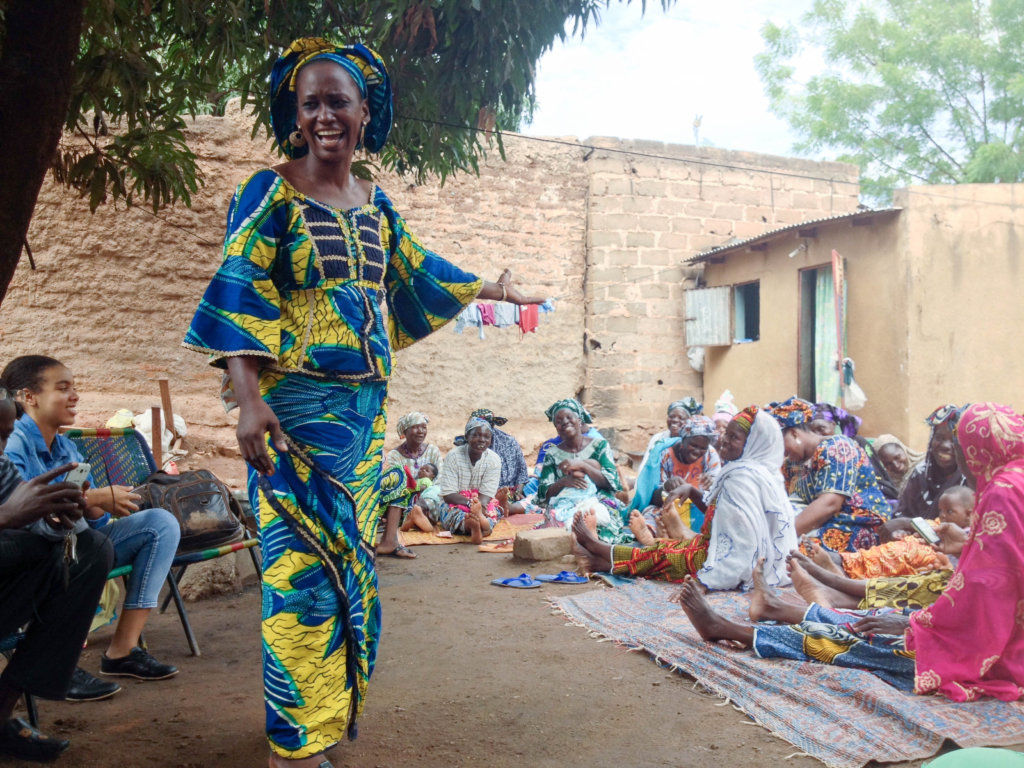
Our Malian partner Sini Sanuman responds to this cruelty through a combination of prevention and cure, described in these pages on our website. Sini Sanuman deploys a team of 13 animators who work through community-based women's groups and reach out to marginalized women in three towns - Bamako, Bourem and Gao. Those who are particularly vulnerable are invited to spend six months at one of four centers run by Sini Sanuman.
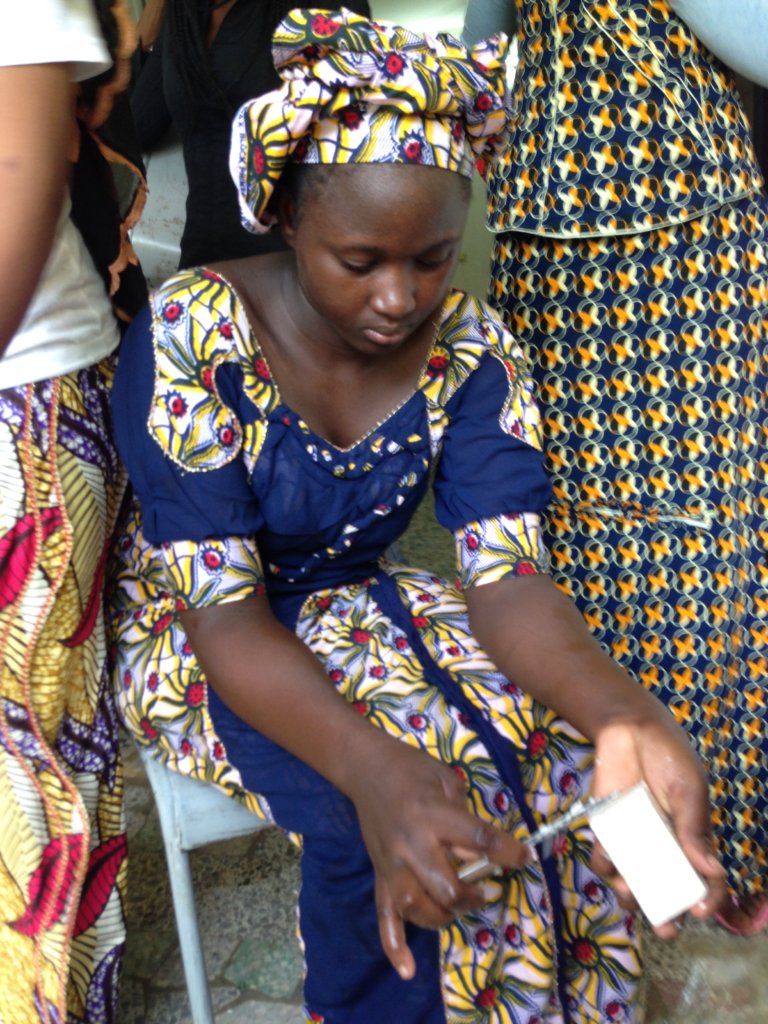
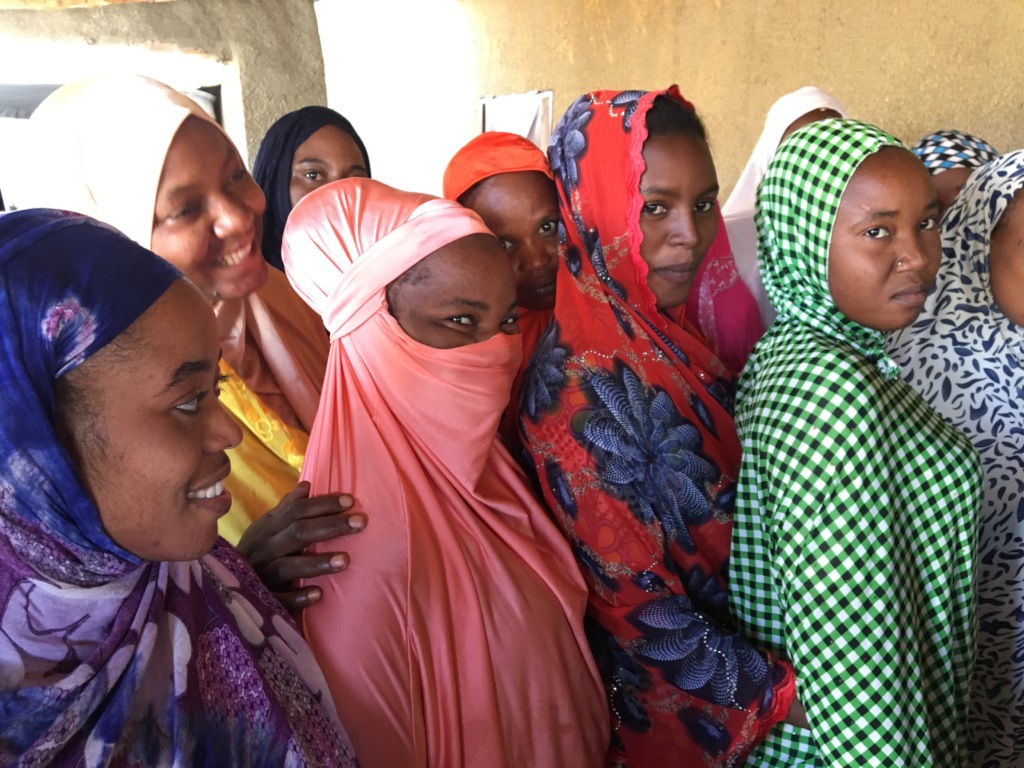
Once at the center they receive psychosocial and medical support; a nutritious meal (3.8 million Malians are short of food); legal advice if they want to enter a legal complaint against their attackers; and training in how to make soap, embroidery and clothes. Our goal is to ensure that they leave the centers with their confidence restored and some skills that can help them earn a living. This year alone, Sini Sanuman has provided support to 210 women.
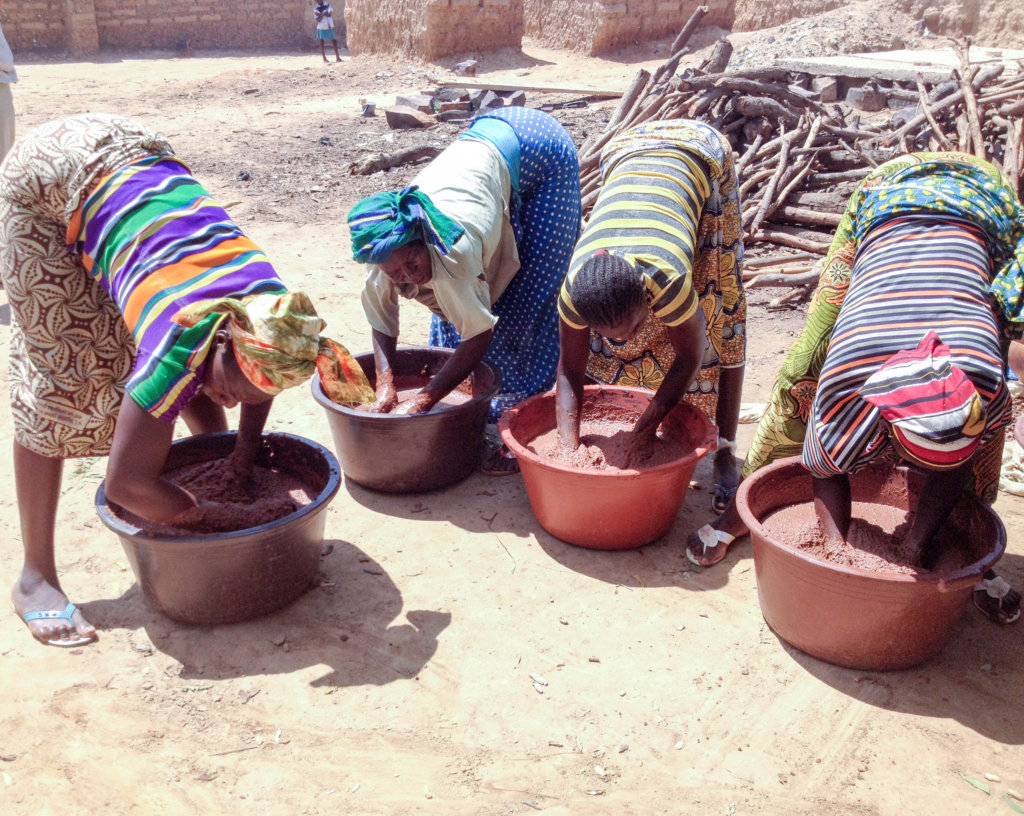
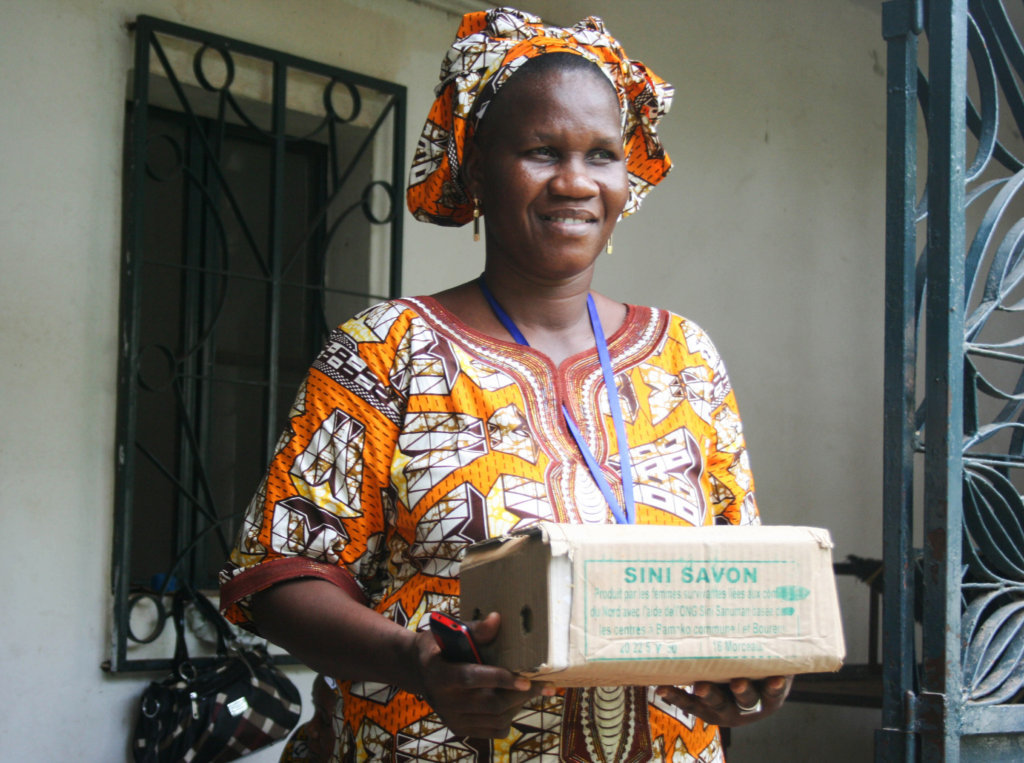
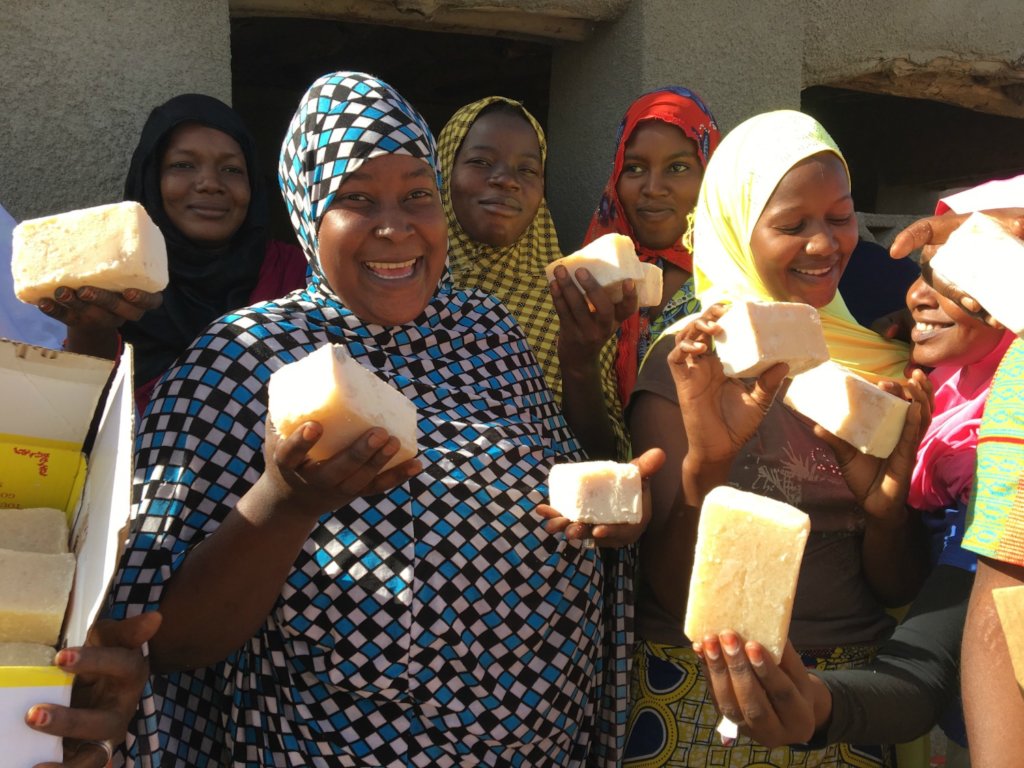
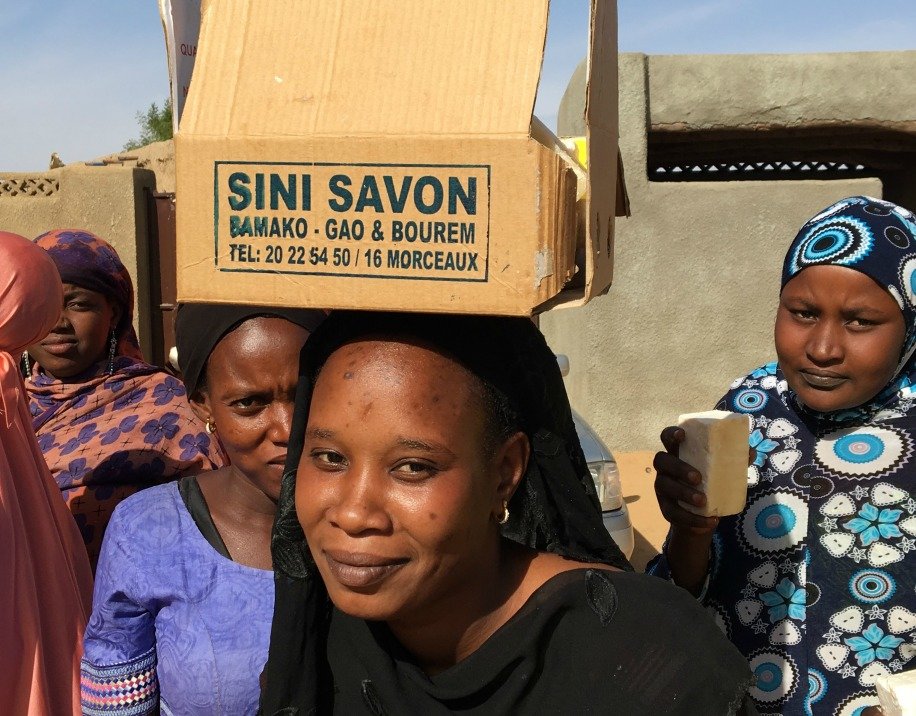
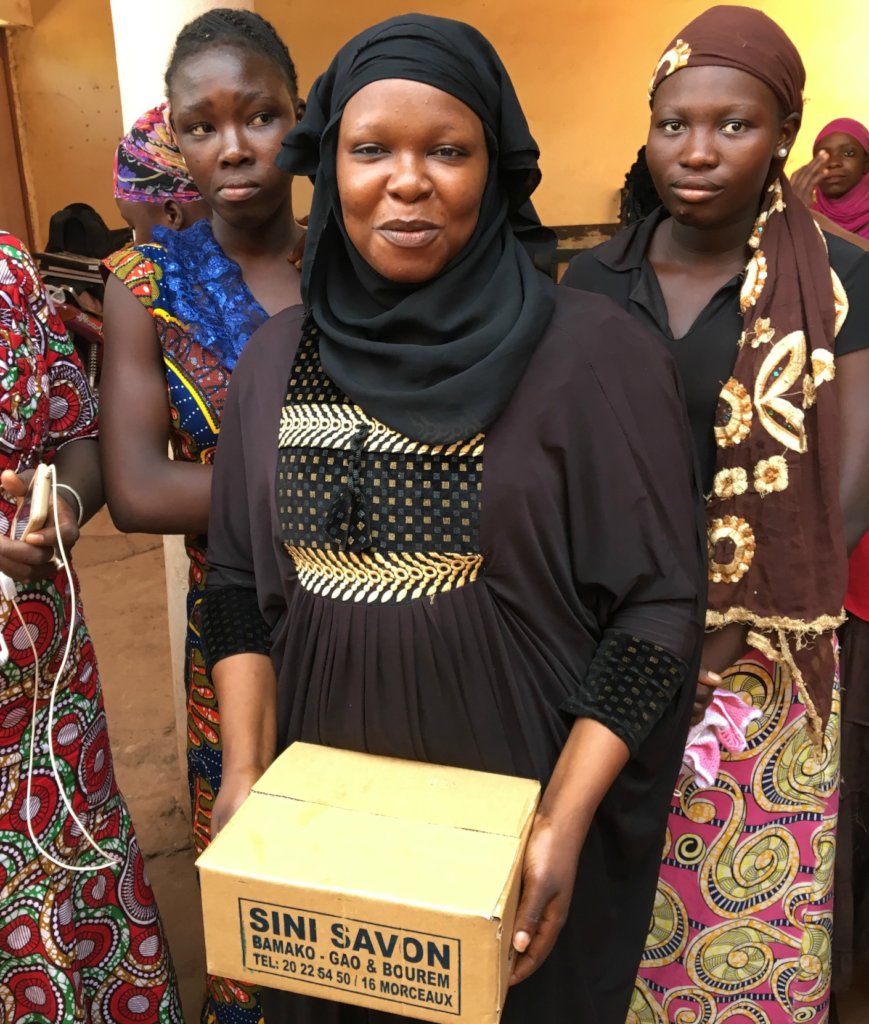
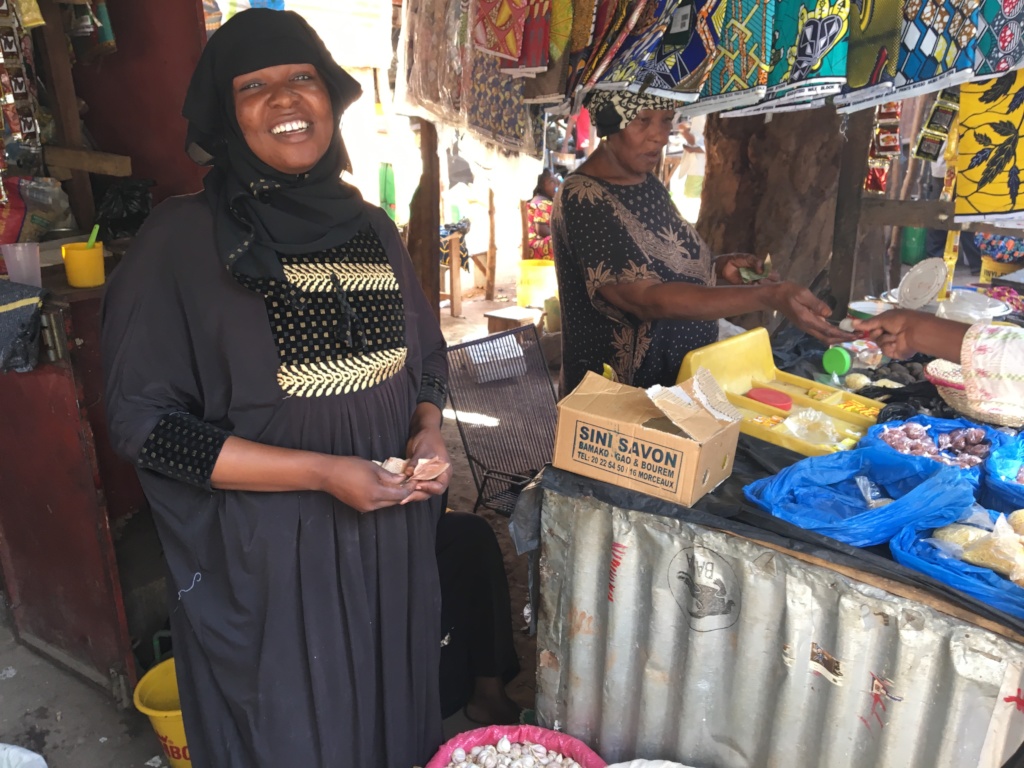
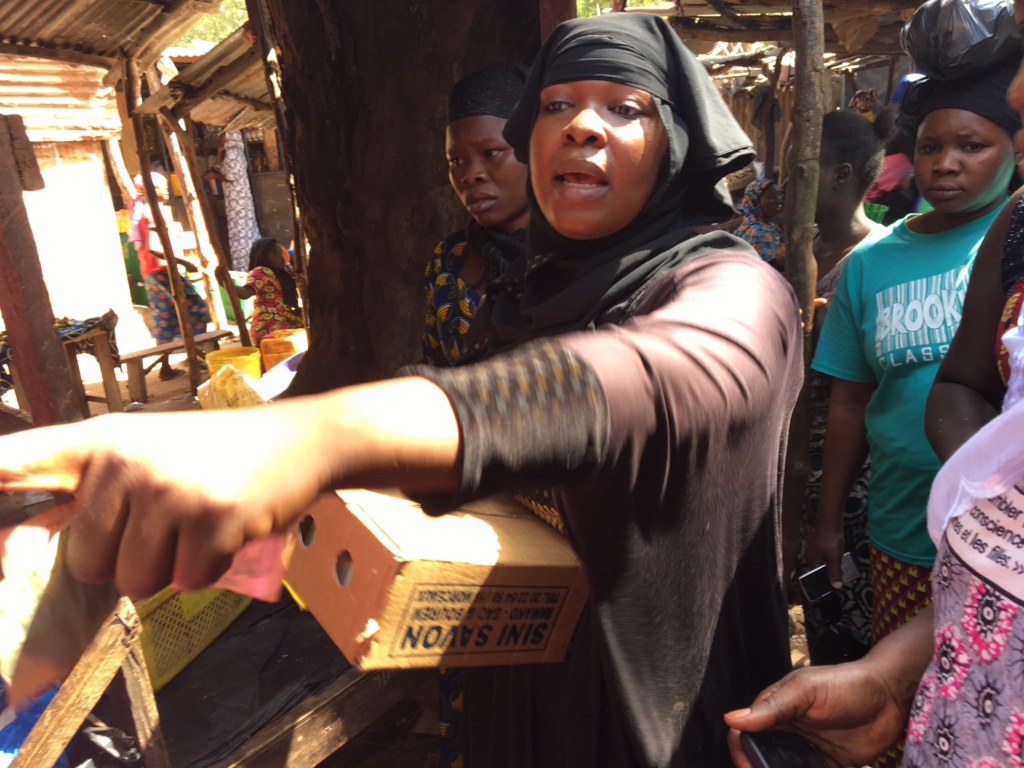
Soap lies at the heart of this program, and everything about the process is local. We buy all of our shea butter oil from a village women's cooperative. The oil is then mixed at the 4 centers under the supervision of a Malian soap-maker as shown in this video, poured into a mold until it hardens, and smoothed by hand. The soap is then packed into cartons of 16 bars and sold at local markets by the trainees, who keep 60% of what they sell.
Your donations have helped to make this an efficient and well-run little business. We used some donations to invest in new molds and build a storage shed, and this is now paying dividends. Between January and October, the four centers produced over 29,000 bars of shea and palm oil soap, which puts them on course to exceed their target of 30,000 bars this year.
Persuading someone to buy something you have made is wonderful for morale, as I was able to see during recent visits to Bamako and Gao. When I visited the center at Gao, soap-making was well under way under the watchful eye of Aissata, the professional soap trainer. The ladies had only been making soap for 4 months, but they had almost caught up with the Bamako centers, which have been open much longer.
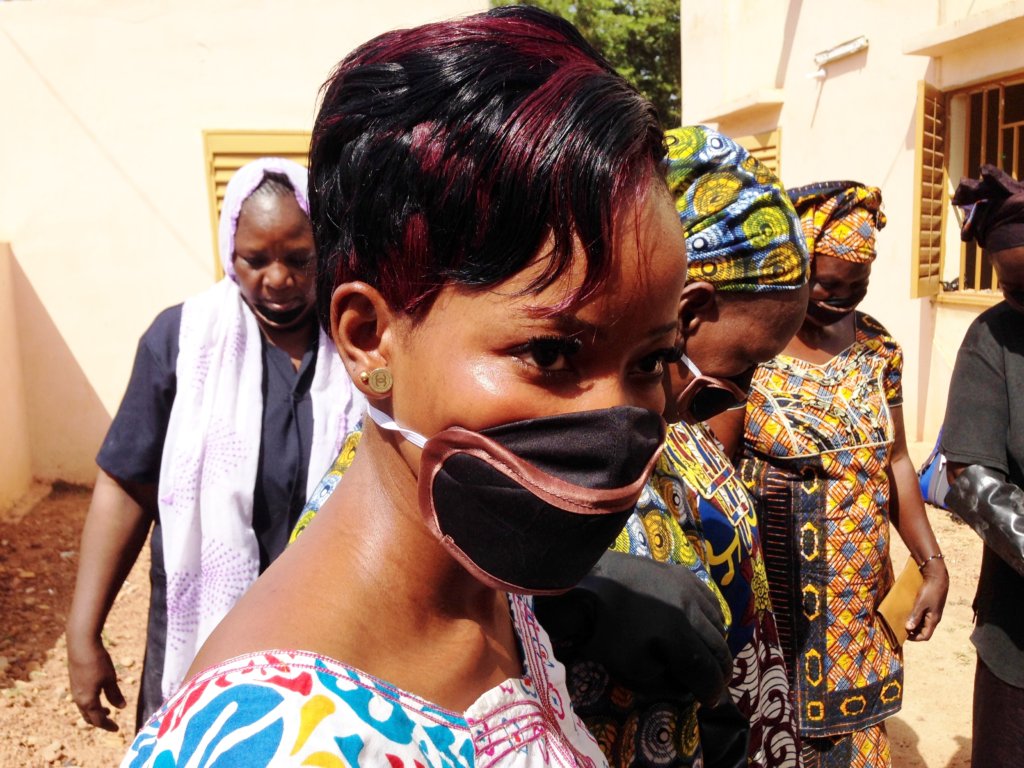
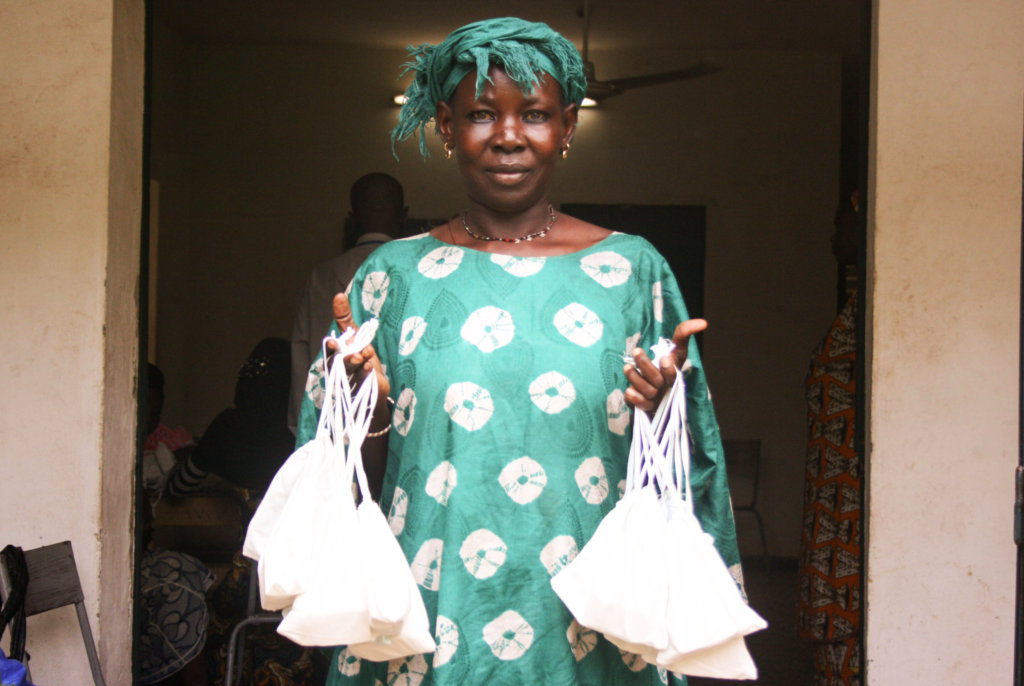
In Bamako I accompanied a team of trainees to the local market in Bamako. They moved with confidence down the darkened alleyways between the stalls and seemed to sniff out the traders who were most likely to buy their soap! (photo) The seven cartons quickly disappeared within 30 minutes. This was the second time I had accompanied trainees to the market and on both occasions I felt their sense of achievement as described in this news bulletin from last year. Whether or not they can ever "recover" from an ordeal like rape, soap certainly helps them to regain their confidence. And young women like Mariam, who lead this group of trainees into the market, emerge as leaders.
Soap also brings in a serious income. Mariam - who fled from the north earlier in the year - earns over 1,000 francs ($1.8) a day from soap sales and is the only breadwinner in her family. I spoke to many other beneficiaries who depend on soap for their livelihood. The amount is usually small, but it goes a long way in Mali.
Looking ahead.
So far our soap project has been a resounding success. We now have to make sure it continues and grows. This could be difficult in the short term. The program has been funded by the foreign ministries of Germany and Liechtenstein but German funding will end on December 31. As you can imagine, we are scrambling to find new donors! UNICEF is interested, but will not commit before the summer. Your donations could help bridge the gap. We still have over $5,000 in our GlobalGiving kitty - enough to cover the cost of ingredients through to June. And of course, every dollar counts.
We have also been trying to ensure that trainees like Mariam continue to use their soap-making skills once their training ends. UNICEF has donated over 200 soap molds but it will be hard for trainees to use these on their own, or find the money to pay for soap ingredients like oil. Soap-making needs to be done in a group! The best solution would be to open more centers in the community, and Sini Sanuman is exploring this option.
Of course such challenges would vanish if the soap project paid for itself, but this is some way off. By selling 40,000 bars of soap this year, the trainees would generate about $5,000 for the program - well short of the $50,000 needed to run the four centers over the next six months.
But it will certainly help. Indeed, the money raised through GlobalGiving and the income from soap sales will inject over $10,000 into the soap program next year and still pay trainees. This would have been inconceivable just trwo years ago. I hope you agree! Now we just need to keep up the momentum going into 2018.
Thank you, once again, for your generosity. We wish you a very happy holiday and wonderful new year.
Iain and the AP team
Project reports on GlobalGiving are posted directly to globalgiving.org by Project Leaders as they are completed, generally every 3-4 months. To protect the integrity of these documents, GlobalGiving does not alter them; therefore you may find some language or formatting issues.
If you donate to this project or have donated to this project, you can receive an email when this project posts a report. You can also subscribe for reports without donating.



Support this important cause by creating a personalized fundraising page.
Start a Fundraiser