By Dr. Gladys Kalema-Zikusoka | Founder and CEO
This report is an update on Conservation Through Public Health’s (CTPH) project (#52950) on GlobalGiving called “Urgent Action to Curb COVID to People and Gorillas”. The previous report was provided in March 2024. At that time, the project had received $30,073.53 of the $35000 funding goal.To date, the project has 197 donations amounting to $30,237.25 which is 86% of the fundraising goal.
Background
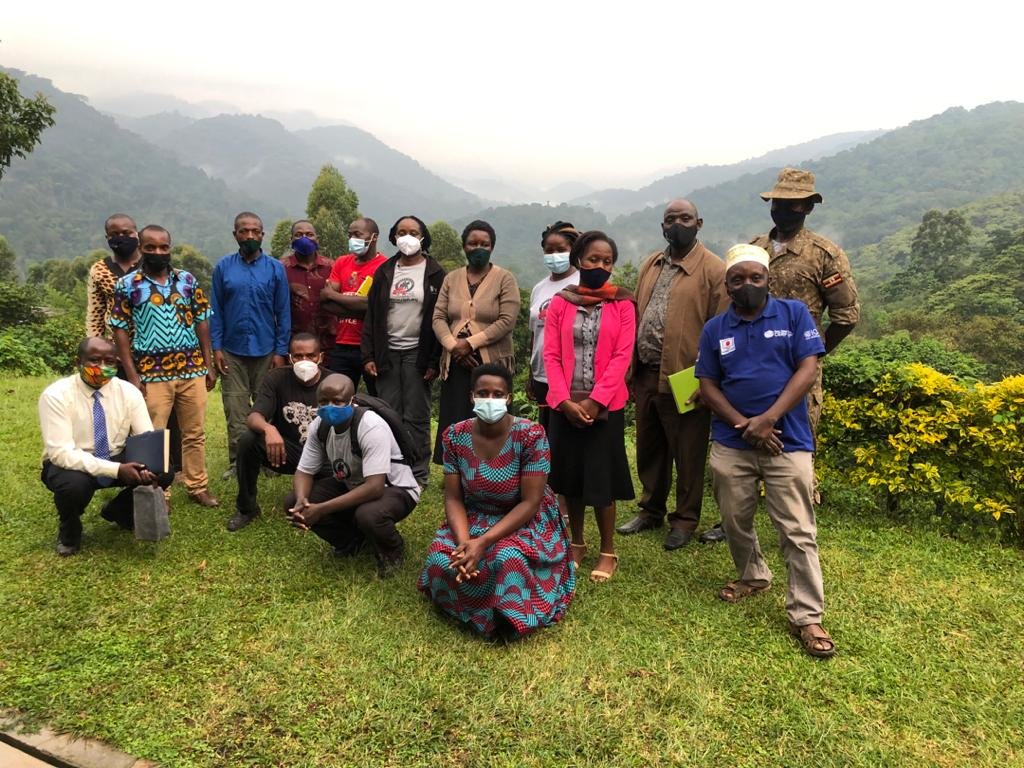
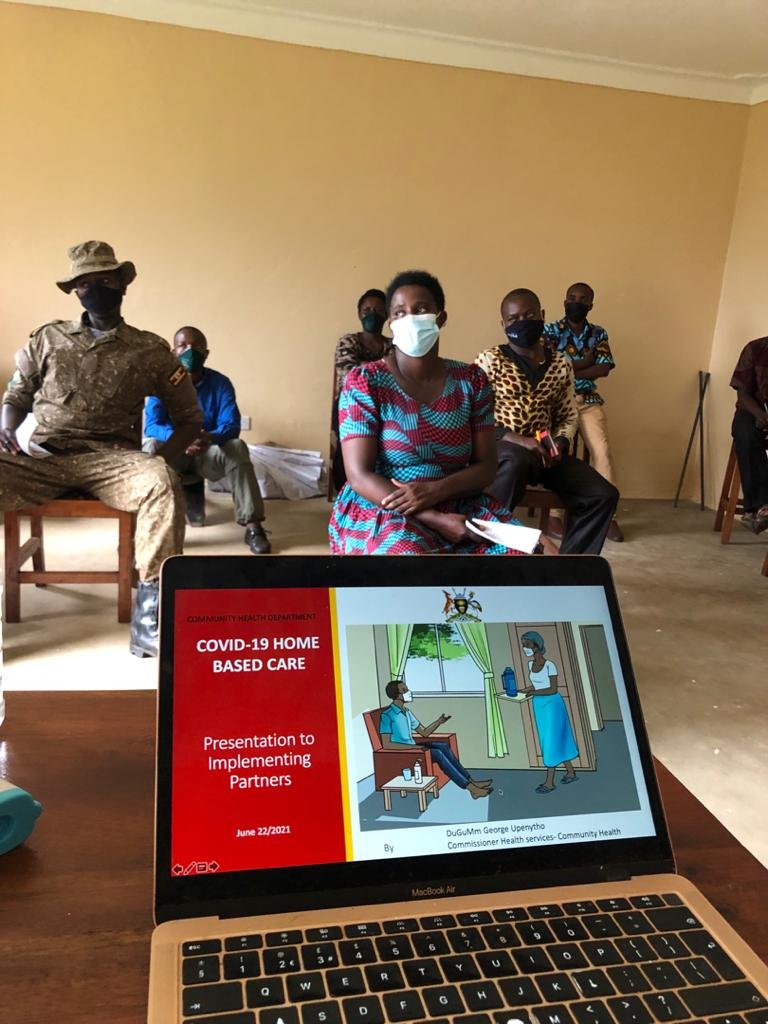
In 2020, the Ministry of Health introduced a Community Engagement Strategy of creating Village COVID-19 Taskforces (VCTFs) when the country was in Phase IV of the pandemic with widespread community transmission and lack of hospital beds. The strategy sought to engage communities, beginning with individuals at the household level, to take action in the fight against the pandemic. CTPH collaborated with Uganda Wildlife Authority (UWA), health organizations, local leaders, schools, and religious institutions to set up 59 Village COVID-19 Taskforces (VCTFs) around Bwindi. The main aim of this was to support community surveillance, contact tracing, isolation, shielding of vulnerable individuals, management of home-based care cases, and raise awareness about prevention and vaccination through peer communication.
WHAT WE HAVE DONE
Gorilla Health Monitoring
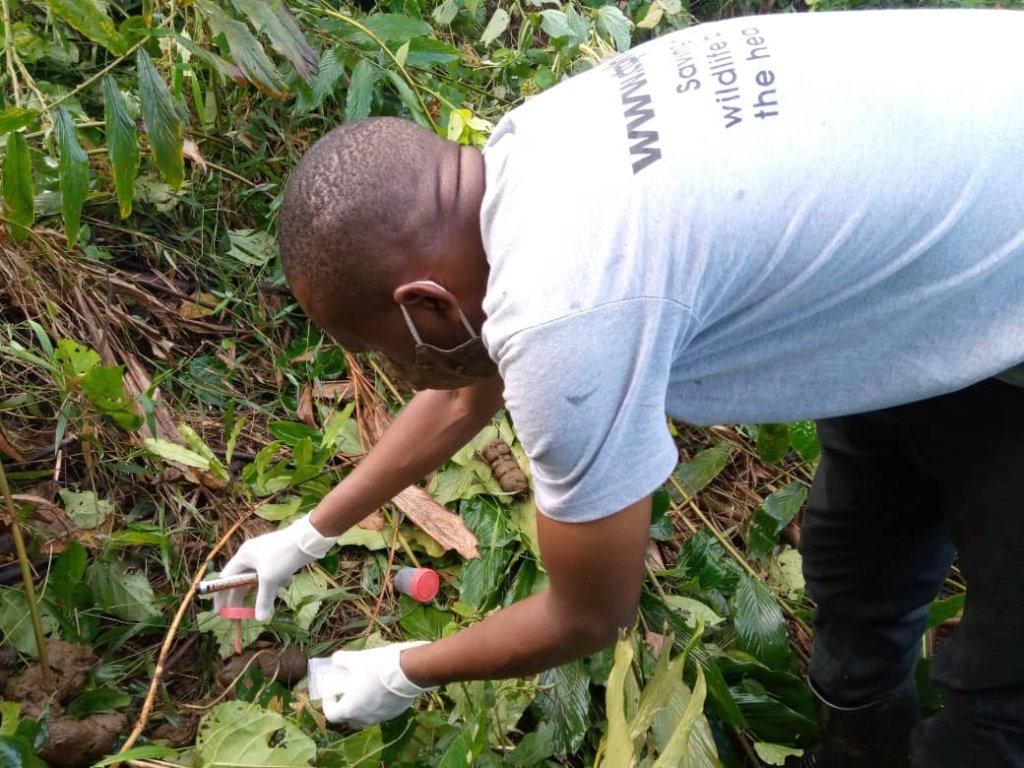
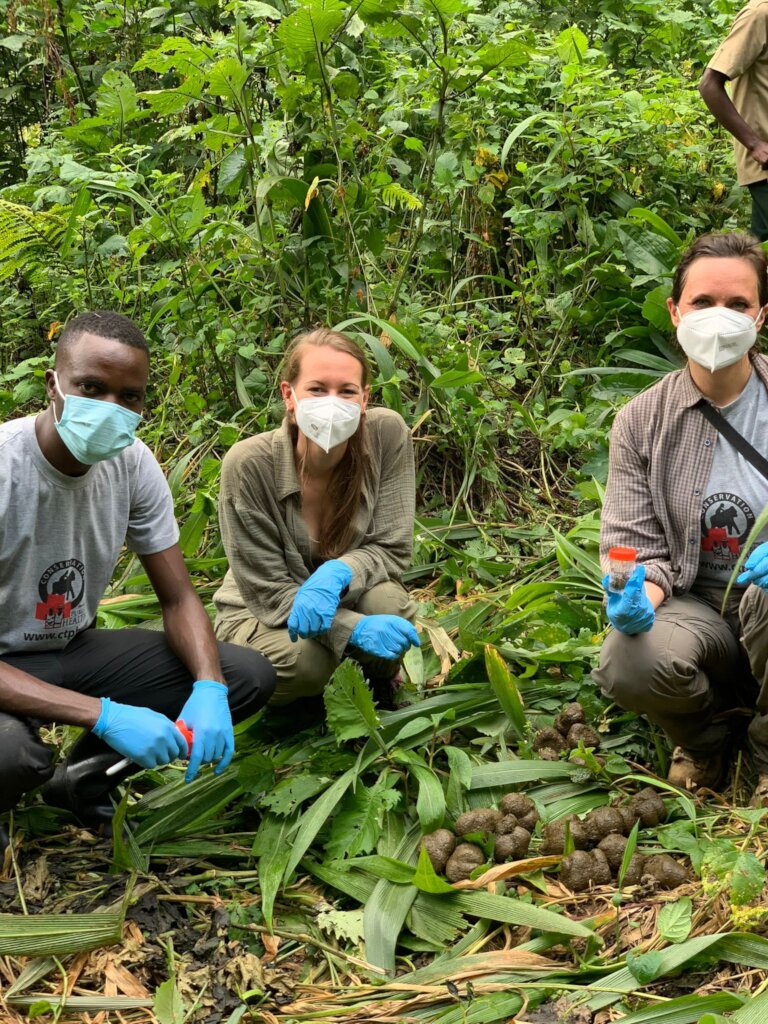
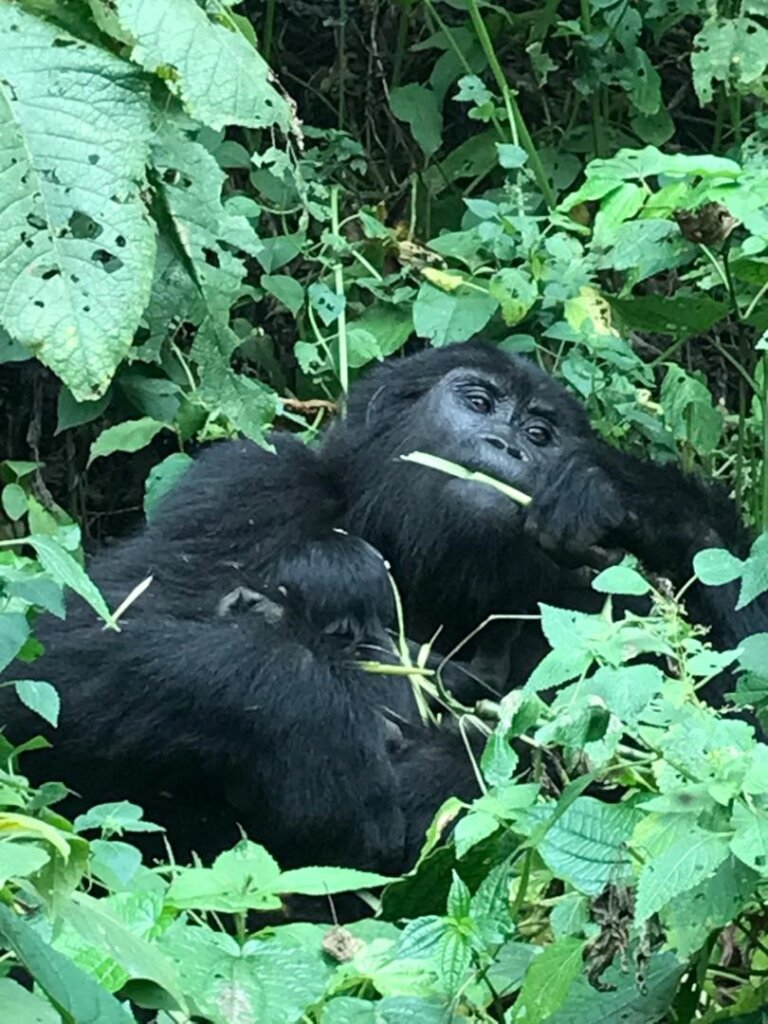
Our team continued the routine monitoring of all the now 28 habituated gorilla groups of Bwindi and Mgahinga Conservation Area (BMCA) through the non-invasive collection of gorilla fecal samples for analysis at the Gorilla Health and Community Conservation Centre Field Laboratory to detect diseases that gorillas may have contracted from neighboring humans or animals. This quarter, our team managed to collect and preserve a total of 619 gorilla fecal samples.
Ranger Training
The conservation efforts of rangers are pivotal in safeguarding wildlife, encompassing tasks such as wildlife monitoring, anti-poaching measures, and community engagement. In addition, they play a significant role in mitigating human-wildlife conflicts and guiding wildlife excursions for tourists, including treks to the endangered mountain gorillas and other great apes. To effectively carry out their responsibilities, rangers require comprehensive knowledge of best tourism practices and the existing threats to the wildlife under their protection.
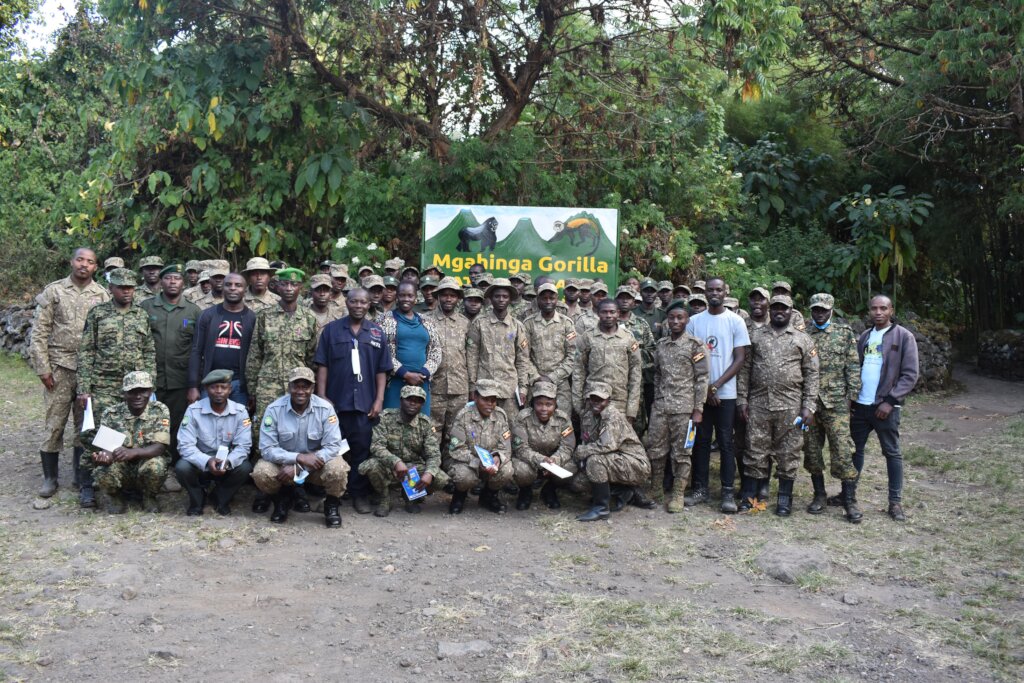
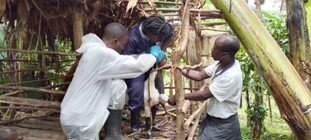
In this quarter, our team conducted a five-day refresher training program for 361 UWA rangers across all sectors of BMCA. The training curriculum addressed various subjects, including prevalent zoonotic infections around BMCA, associated risk factors, and clinical signs and symptoms of these zoonotic infections in gorillas and humans. This training helps to predict, detect and pave a way for preventive measures and reporting purposes to aid in timely intervention.
The rangers also received instruction on adhering to the IUCN great ape viewing guidelines and the methods for enforcement of these guidelines during visits to the endangered mountain gorilla and other great apes.
Another topic was gorilla behavior and identification which is also essential for reporting clinical signs in mountain gorillas.
Village Health and Community Conservation Team (VHCTs) refresher training
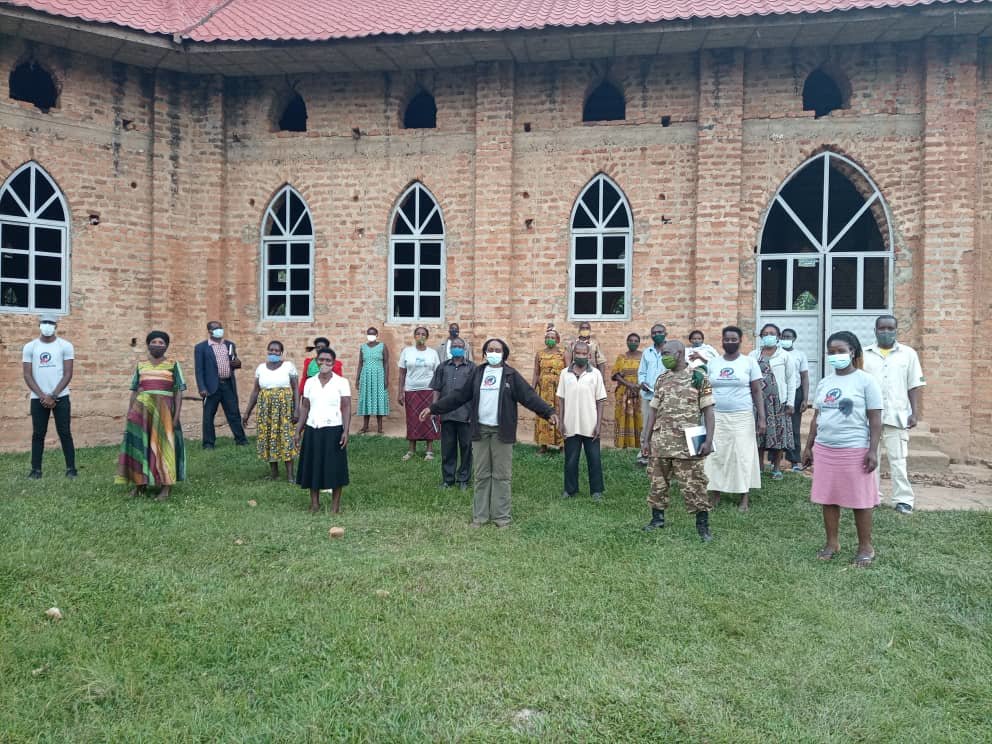
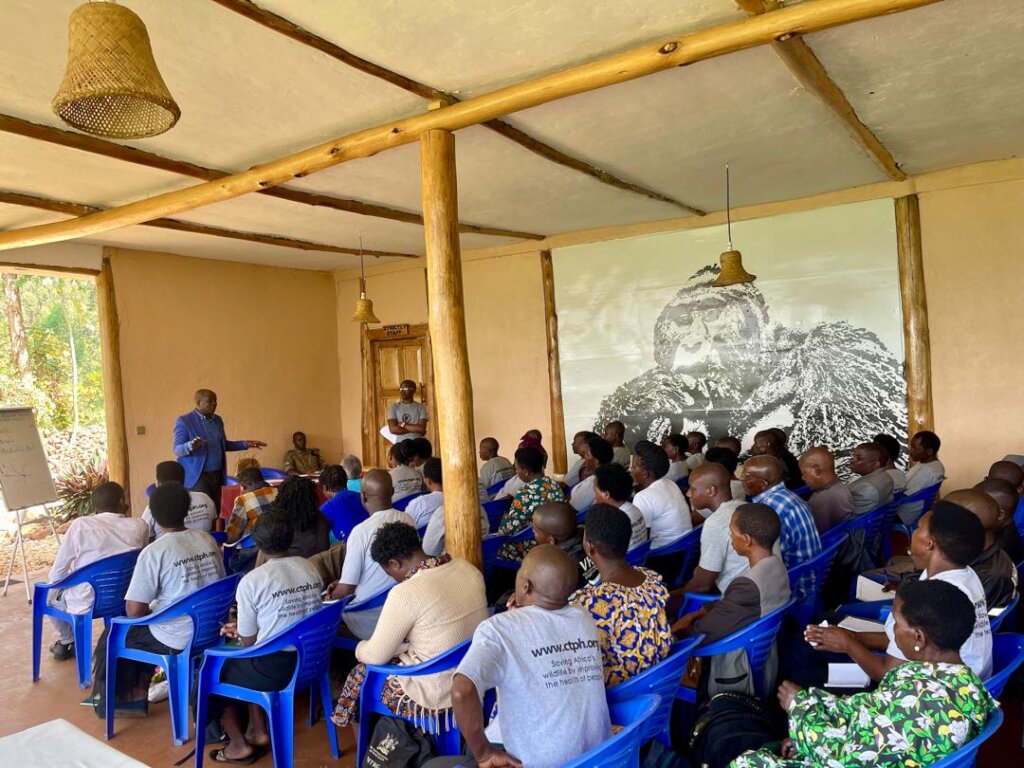
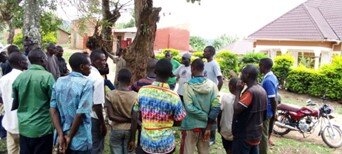
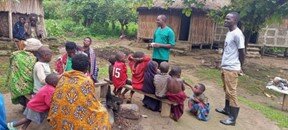
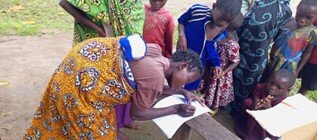
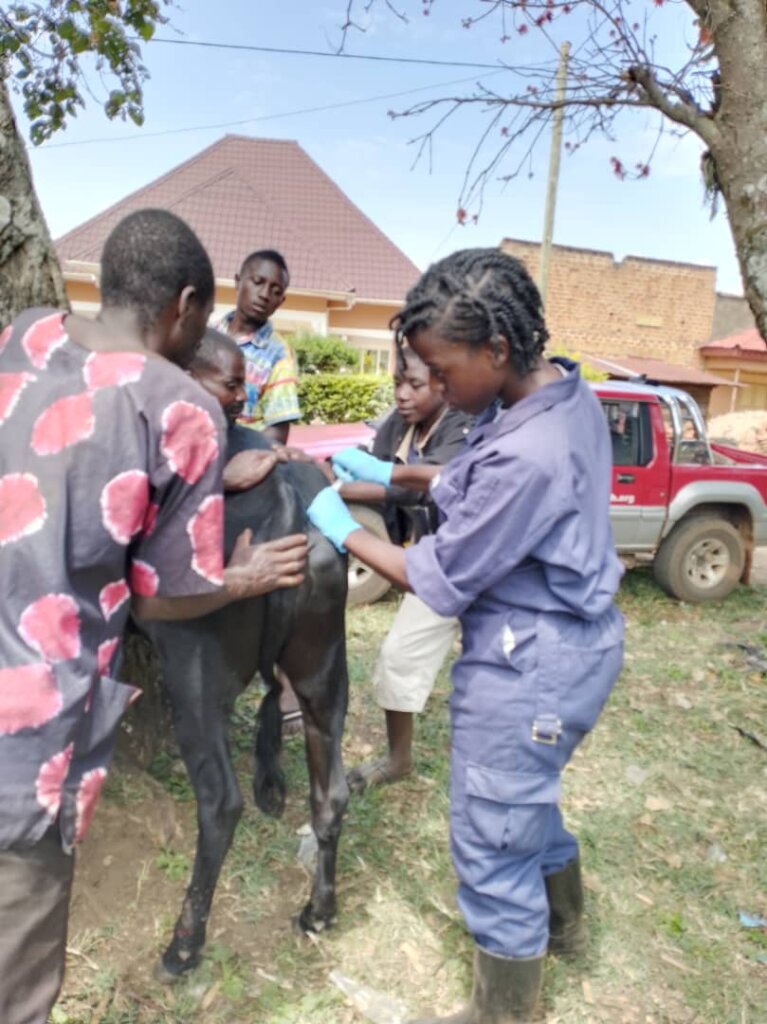
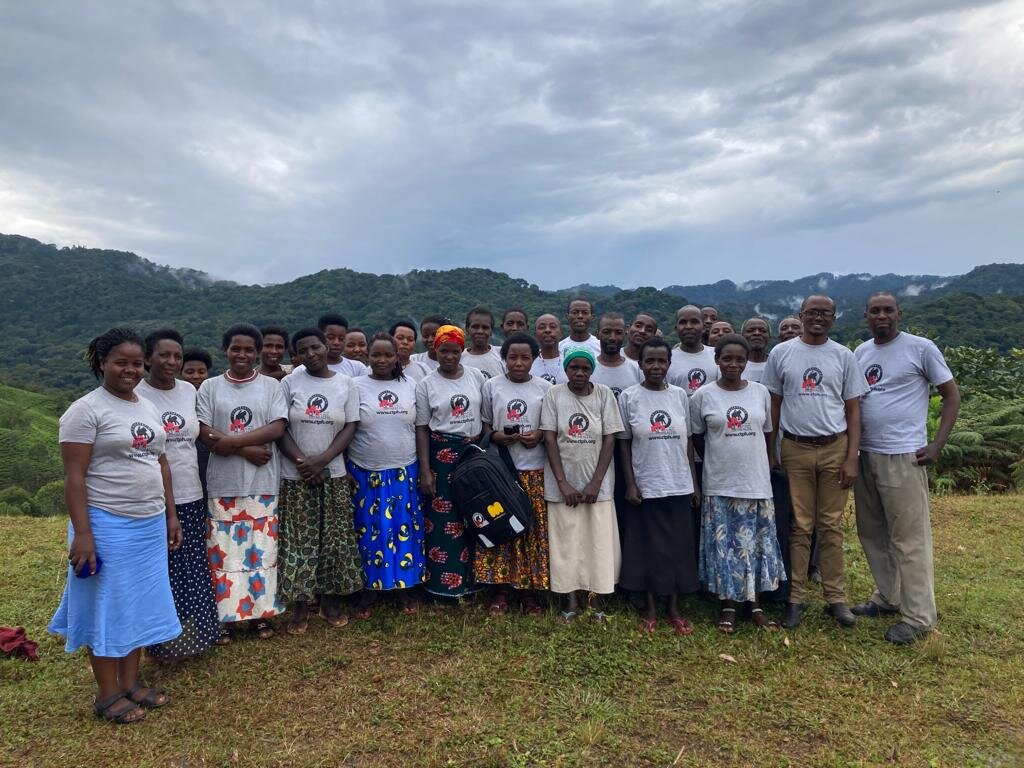
In collaboration with the UWA Community Conservation department and the Ministry of Health (MOH) health workers, our team conducted a refresher training for 429 VHCTs in 8 frontline Parishes of Mukono, Bujengwe, Mpungu, Buremba, Ngara, Muramba around Bwindi Impenetrable National Park, home to half of the remaining endangered mountain gorillas. With this training, CTPH intends to transform households around the gorilla habitat into One Health model homes that exhibit positive behaviors including investing in proper sanitation and hygiene, adopting alternative livelihoods, and prioritizing wildlife conservation.
Village COVID-19 Taskforce review meetings
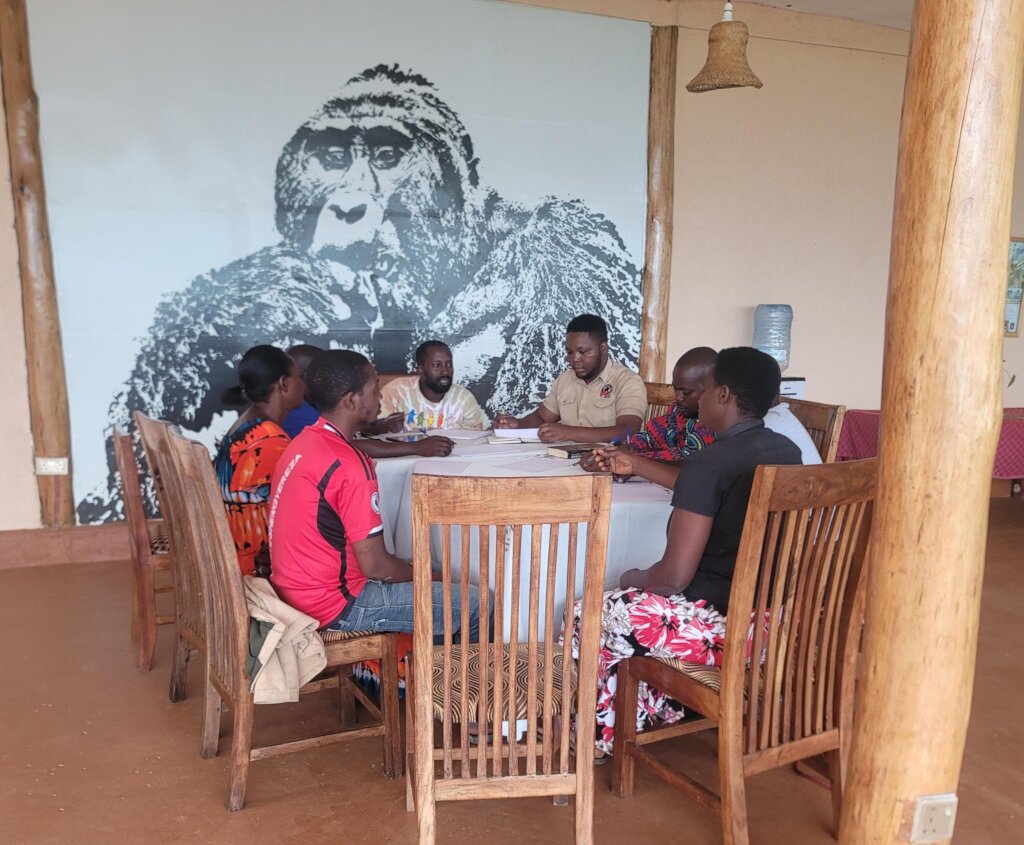
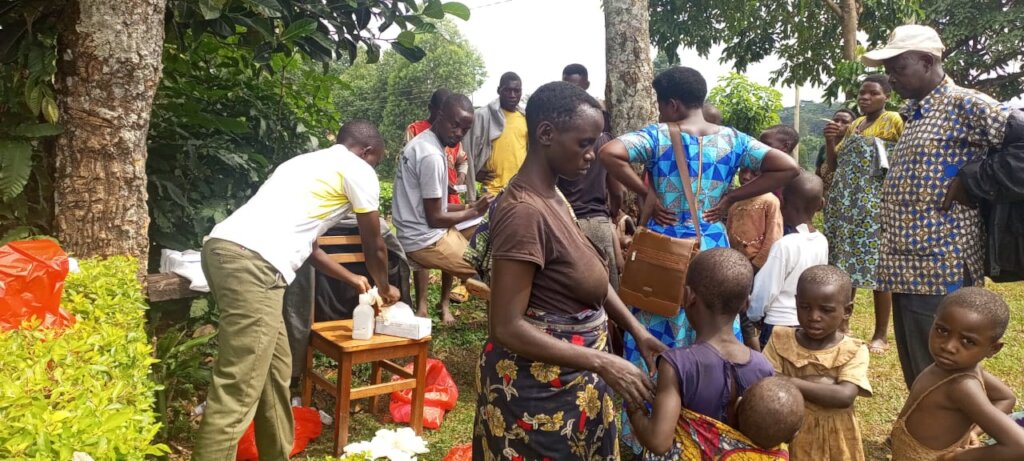
Our team, together with Uganda Wildlife Authority and Bwindi Community Hospital is currently conducting follow-up visits to all the 59 Village COVID-19 Taskforces (VCTFs) which will help us get insights into how they coped during the pandemic and how their work helped manage the pandemic. The information gathered will also help us check on how VCTFs are doing and how they can continue to be engaged in the post-COVID-19 era. We will keep you updated on the findings in the next Quarter report.
Gorilla births
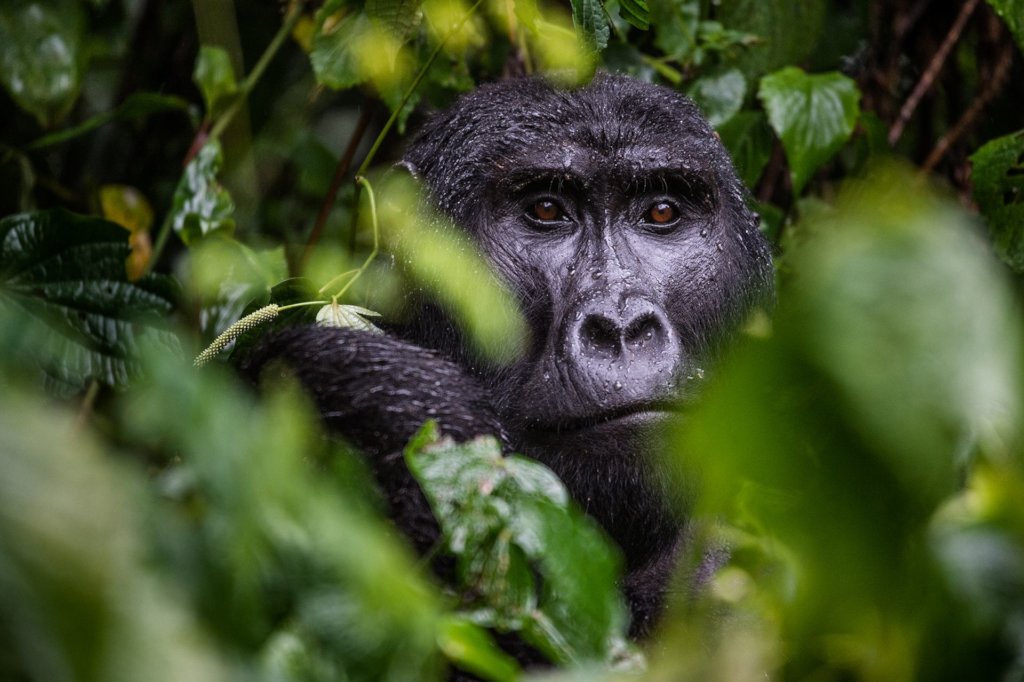
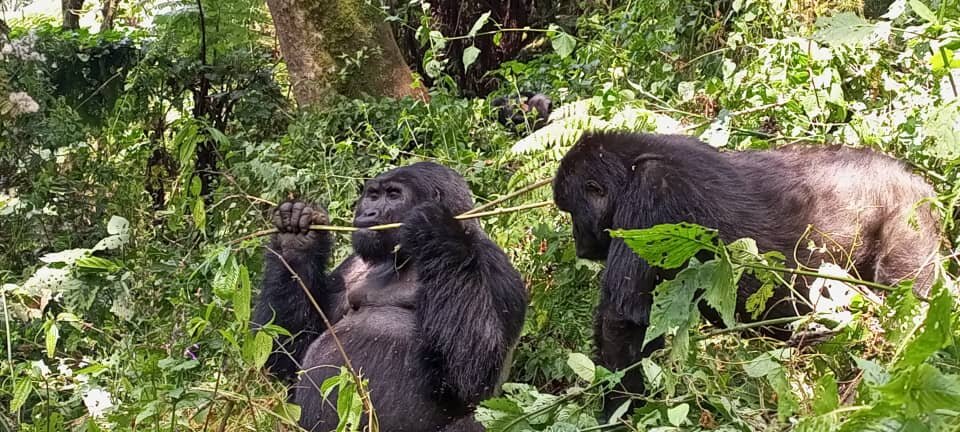
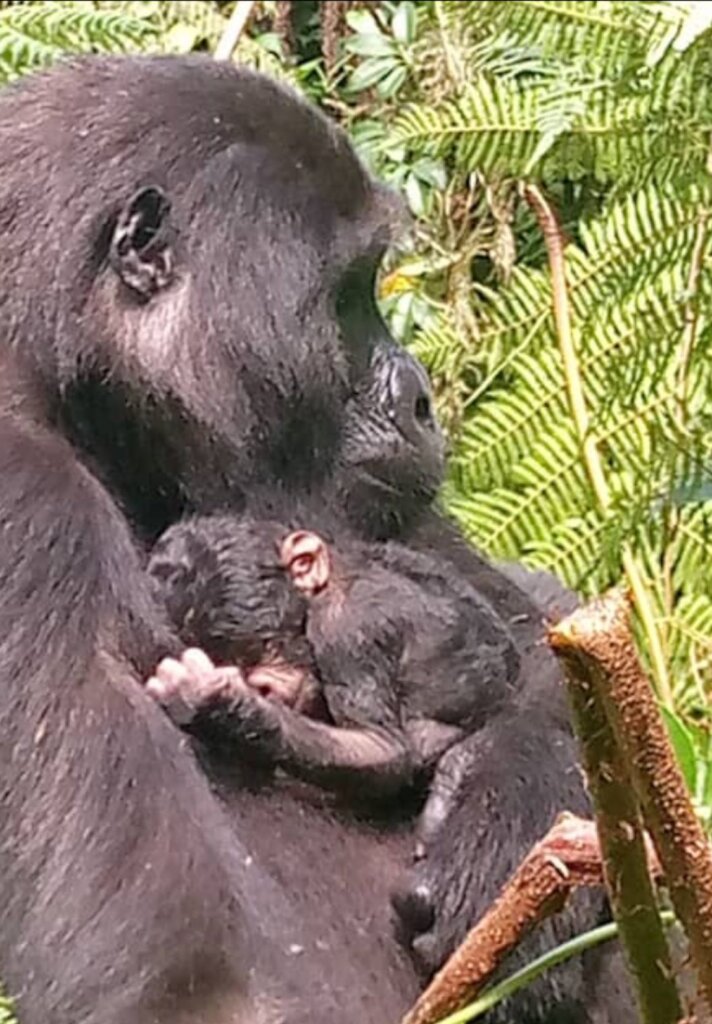
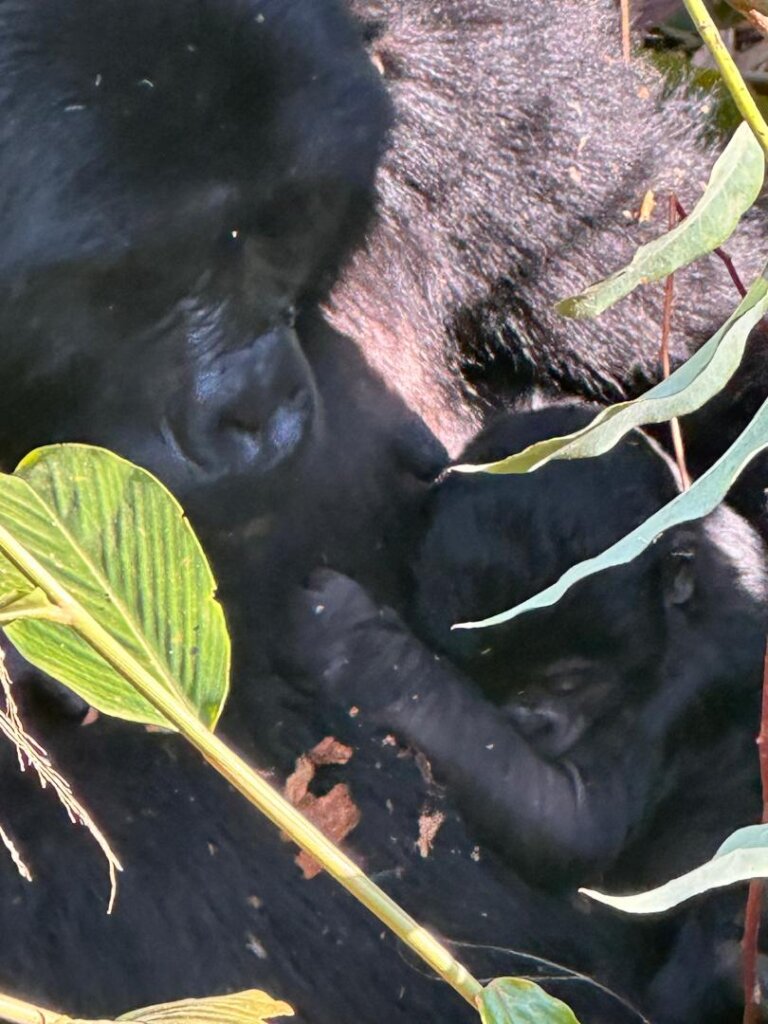
We are thrilled to share the birth of three baby gorillas this quarter! The first baby was born to Adult Female Furaha from the Nkuringo Family in Bwindi Impenetrable National Park. This brought the total number of individuals in the group to 15. The second baby was born to Adult Female Nyampazi from Mubare Gorilla Group. This birth led to the growth of the Mubare gorilla family from 8 to 9 members. The newest birth was spotted in the Kahungye gorilla family this week of 15th July 2024 where adult female Mukidebe was seen with a two-week-old baby. This has increased the family number from 15 to 16 members. When our team visited the group this week, the baby and mother looked healthy.
We congratulate the parents of these new babies, and we thank all of you our supporters for your continued support to Conservation Through Public Health.
Links:
By Dr. Gladys Kalema-Zikusoka | Founder and CEO
By Dr. Gladys Kalema-Zikusoka | Founder and CEO
Project reports on GlobalGiving are posted directly to globalgiving.org by Project Leaders as they are completed, generally every 3-4 months. To protect the integrity of these documents, GlobalGiving does not alter them; therefore you may find some language or formatting issues.
If you donate to this project or have donated to this project, you can receive an email when this project posts a report. You can also subscribe for reports without donating.



Support this important cause by creating a personalized fundraising page.
Start a Fundraiser