By Mohsin Arif | Project Leader
A Permanent School for Brick Kiln Children
Project Summary
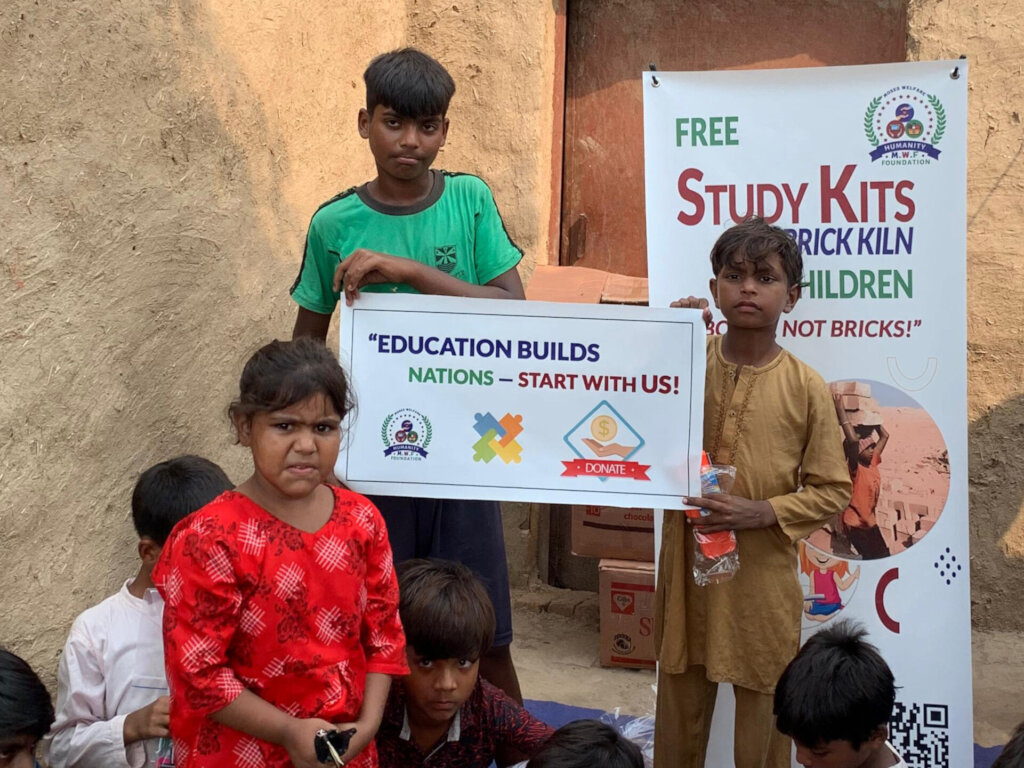
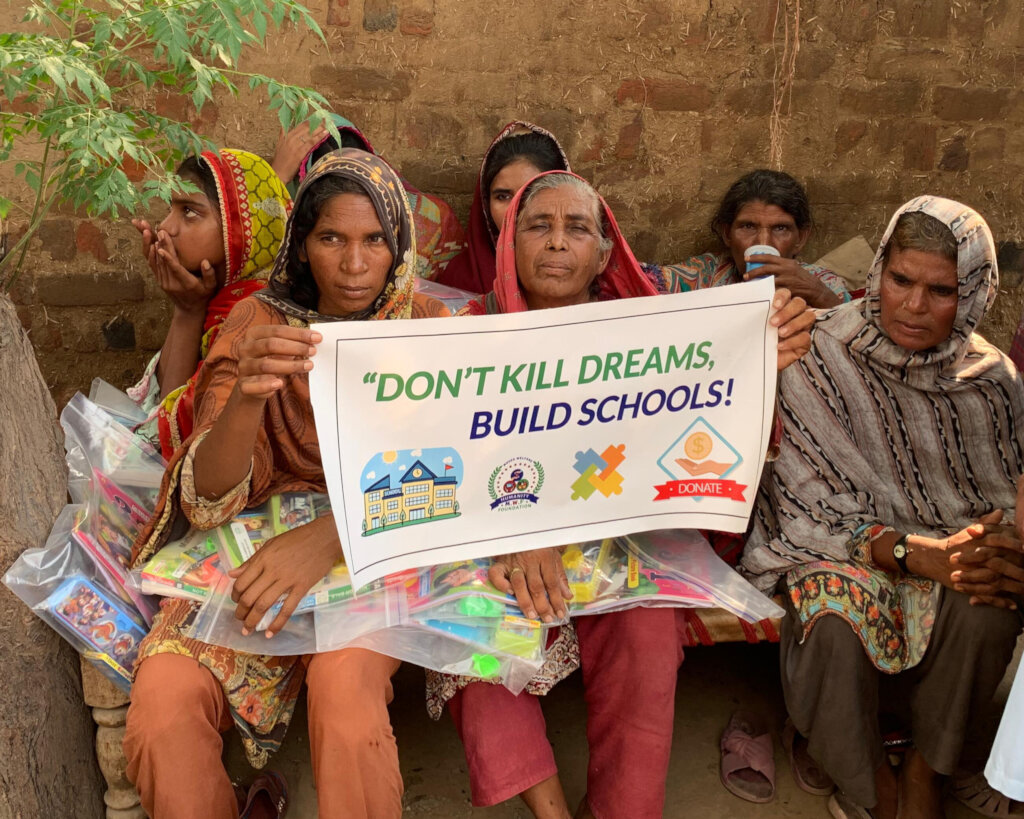
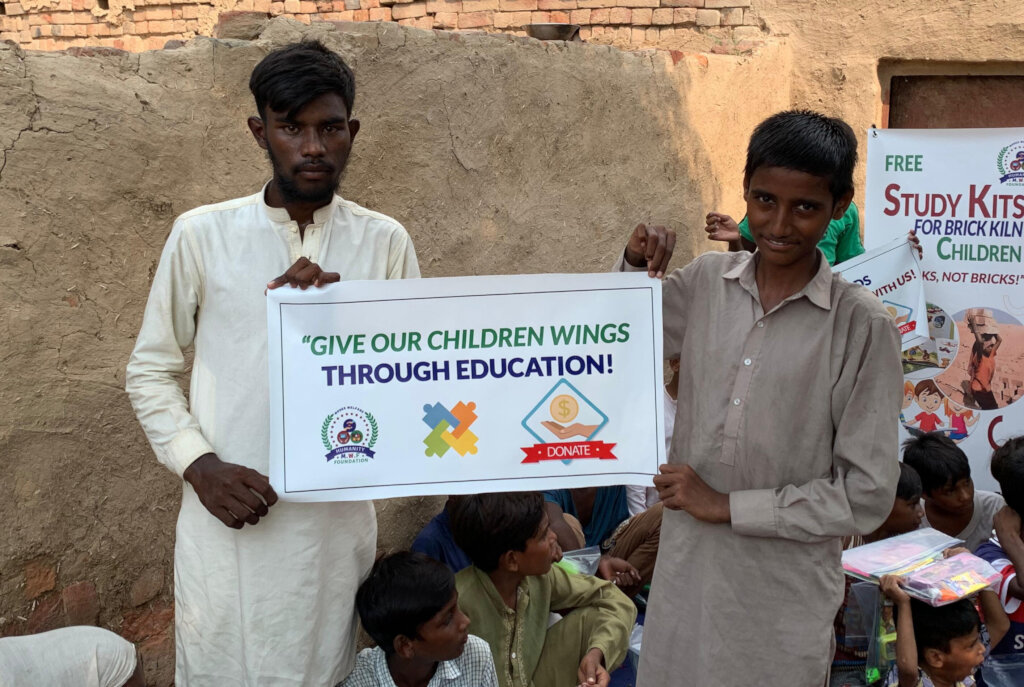
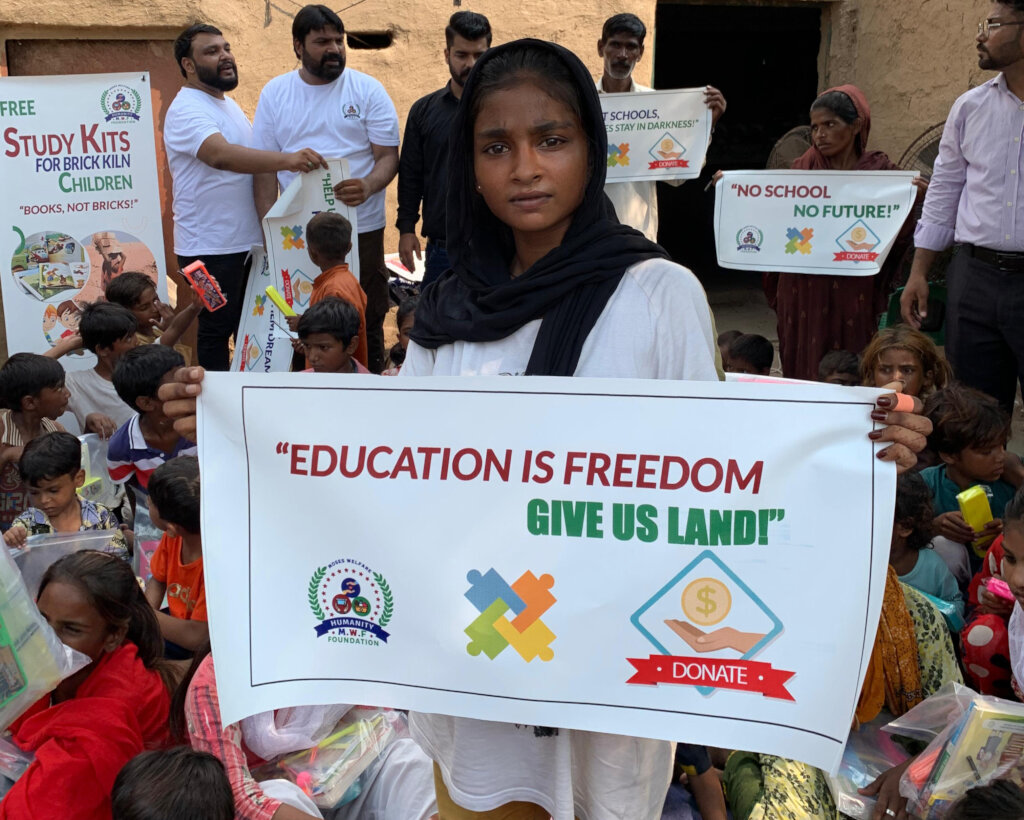
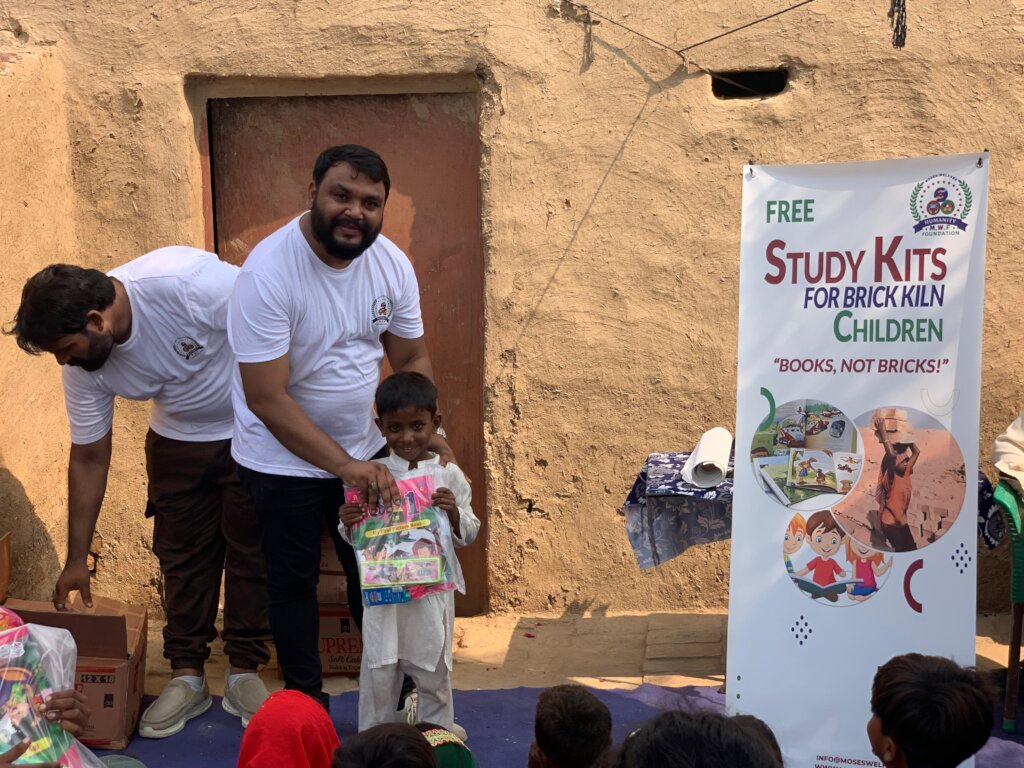
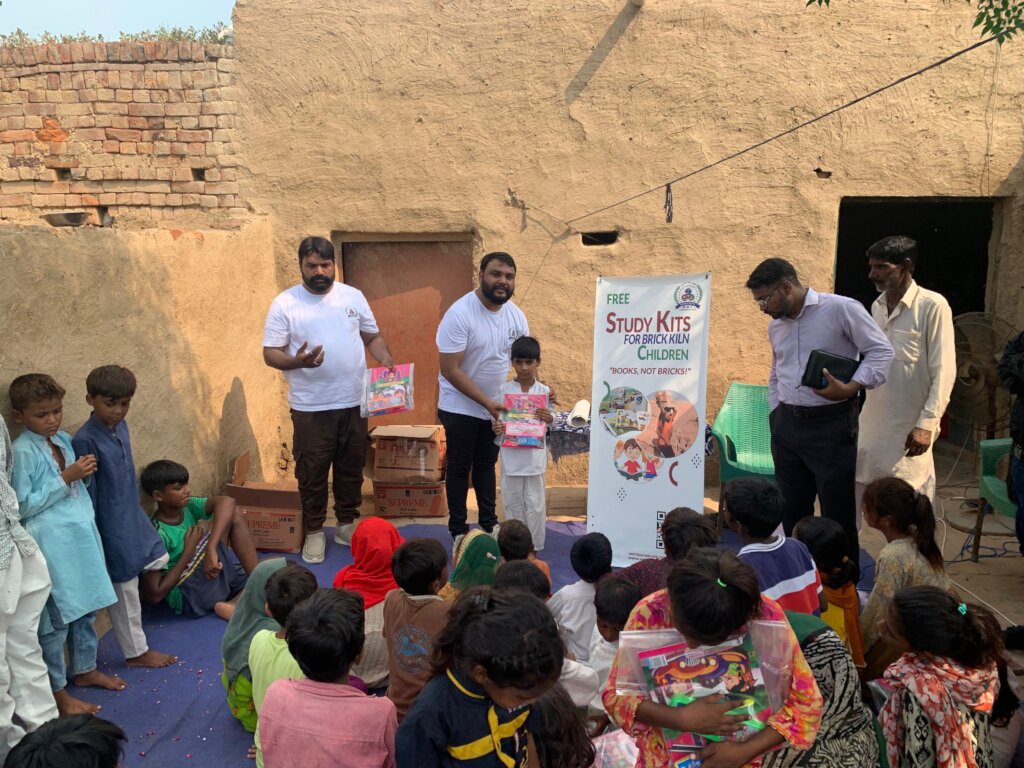
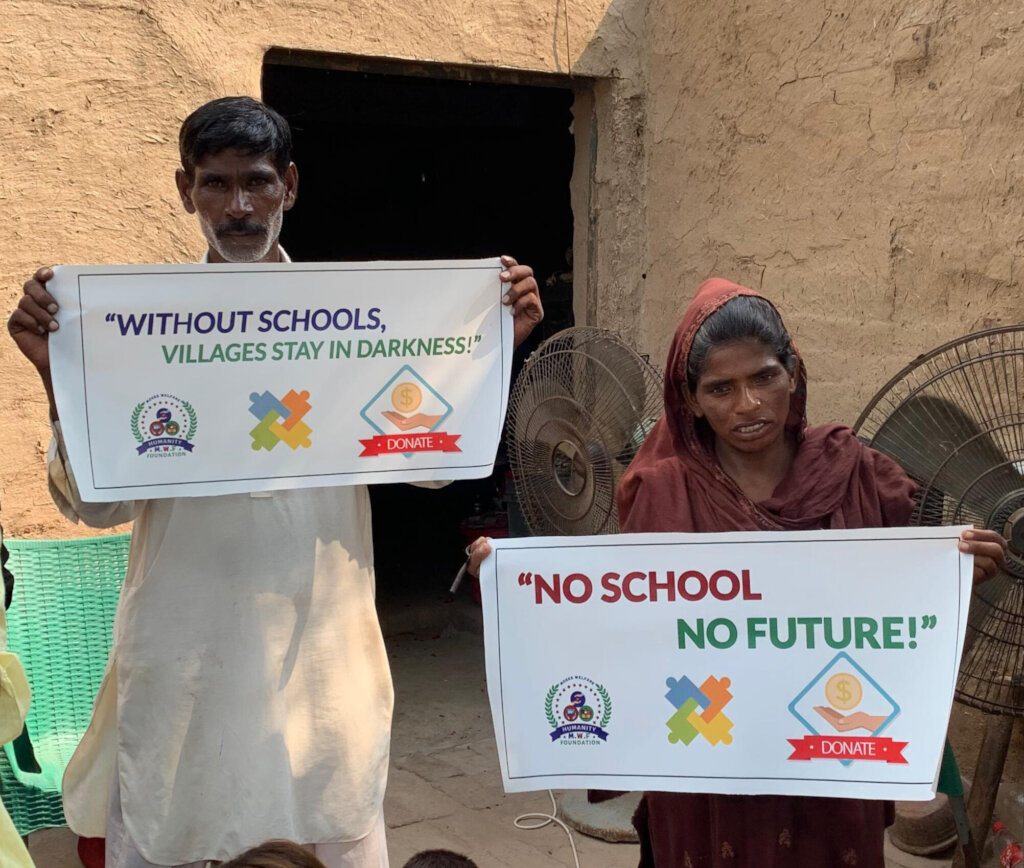
Children living in and around brick-kiln communities in Pakistan can face significant barriers to education. Poverty, limited household income, distance from schools, transportation challenges, and family economic pressures can prevent children from accessing consistent education.
Moses Welfare Foundation aims to establish a safe, permanent learning environment for children from brick-kiln and other low-income communities.
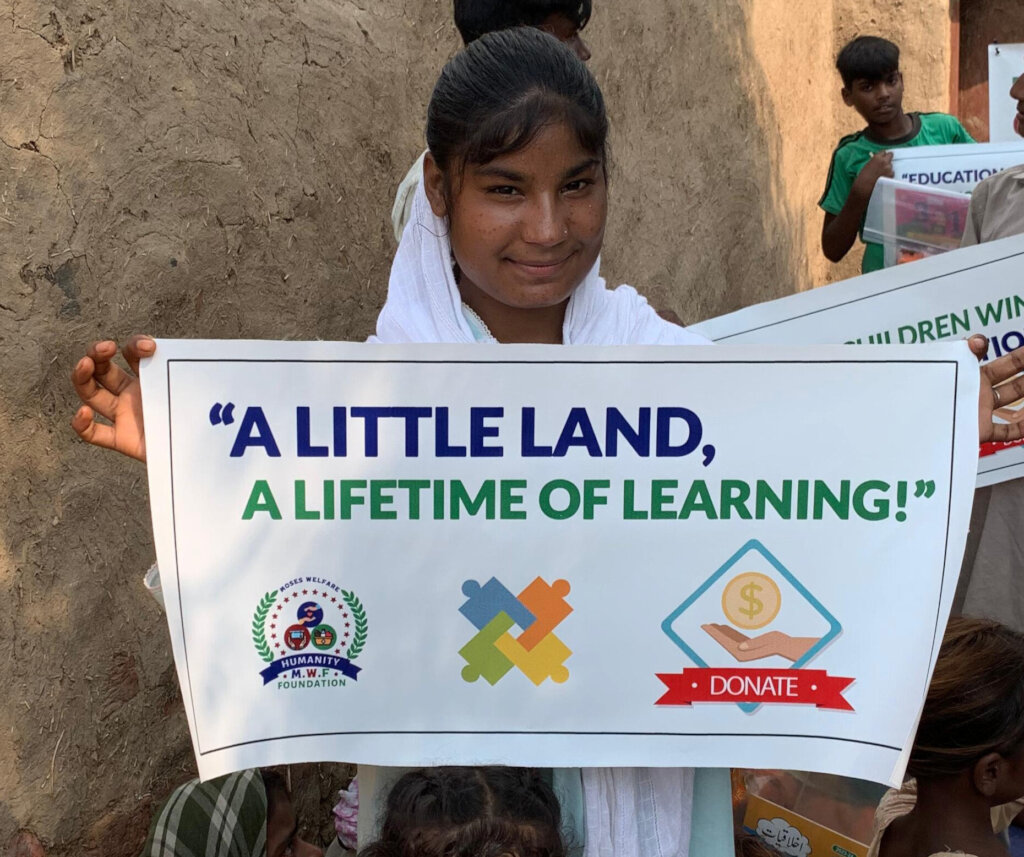
The first step is to secure suitable land for a school facility. Once the land is secured and sufficient resources are available, the project will work toward developing classrooms and essential school infrastructure where children can receive quality education in a safe and supportive environment.
The project is designed as a long-term investment in education, providing a foundation from which children can access learning opportunities and families can strengthen their children's prospects for the future.
The Challenge
For many families living in poverty, access to education is affected by more than school fees.
Children may live far from suitable schools, lack transportation, or have families unable to afford uniforms, books, supplies, and other educational expenses.
Brick-kiln communities can face additional challenges because families may depend on irregular or low-paid labor. In some circumstances, children may also become involved in work rather than attending school regularly.
Without accessible educational facilities close to these communities, children can remain disconnected from formal learning.
Key barriers may include:
A permanent school located closer to underserved communities can help address one important part of this access gap.
Our Solution
Moses Welfare Foundation seeks to secure suitable land and develop a permanent school serving children from brick-kiln and other economically vulnerable communities.
The project will begin with land acquisition or securing an appropriate long-term site, subject to legal, regulatory, financial, and feasibility requirements.
Once sufficient resources are available, the broader school development plan may include:
The school will aim to provide an environment where children can learn safely, develop foundational skills, and participate in education with dignity.
Why Land Is the First Step
A permanent school requires a secure and appropriate location.
Securing land provides the foundation for future investment in classrooms, sanitation, learning facilities, and other essential infrastructure.
Without a suitable site, fundraising for permanent construction and educational infrastructure remains difficult to plan sustainably.
The land component of this project therefore represents the first stage of a broader education initiative.
Who We Aim to Support
The school will primarily serve children from underserved and low-income communities, with particular attention to children living in and around brick-kiln settlements.
Potential beneficiaries may include:
The final number of students will depend on the size and suitability of the land, school design, available funding, regulatory approvals, staffing, and operational capacity.
Project Development Plan
The project will be developed in stages.
Stage 1 — Feasibility and Site Identification
The organization will identify potential locations and assess factors such as:
Stage 2 — Land Acquisition or Securing the Site
Subject to sufficient funding and appropriate due diligence, MWF will seek to acquire or otherwise secure suitable land for the planned educational facility.
All land-related transactions will be subject to applicable legal requirements and organizational approvals.
Stage 3 — School Design and Planning
Following successful land acquisition, the organization will develop an appropriate school plan based on student capacity, educational requirements, safety standards, local regulations, and available funding.
Stage 4 — Construction and Infrastructure
Future funding will support the development of classrooms and essential facilities.
Construction will proceed according to available resources and applicable approvals.
Stage 5 — School Operations
Once sufficient infrastructure and resources are available, the school will work toward providing structured educational programs supported by qualified teachers and appropriate learning materials.
Expected Outcomes
The immediate objective is to secure suitable land for the development of a permanent school.
Expected longer-term outcomes include:
The project will measure progress according to each development stage rather than claiming educational outcomes before the school is operational.
Long-Term Impact
A permanent school can provide an educational resource that remains available to the community for many years.
Children who gain consistent access to education can develop literacy, numeracy, communication, problem-solving, and other skills that support their future opportunities.
Education can also have benefits beyond individual students. Parents and communities may become more engaged in children's learning, while future generations can benefit from stronger educational opportunities.
The project aims to create a sustainable educational asset rather than a short-term intervention.
Addressing Child Labor
Children in economically vulnerable communities may face pressure to contribute to household income.
The project will seek to reduce educational barriers and encourage families to prioritize children's education.
However, the establishment of a school alone cannot eliminate child labor. Addressing child labor requires broader measures involving families, livelihoods, education, community awareness, safeguarding, and appropriate legal and social support.
MWF therefore views the school as one component of a wider effort to improve children's access to education and protection.
Child Protection and Safeguarding
Child safety will be central to the development and future operation of the school.
The organization will seek to establish appropriate safeguarding procedures covering:
The school will aim to provide an environment in which children are treated with dignity and respect.
Community Participation
The project will engage local communities during planning and development.
Community consultation can help identify:
Engaging families and community representatives can also strengthen local ownership and long-term sustainability.
Sustainability
The project is intended to create a long-term educational facility rather than a temporary learning program.
Once the school is established, MWF will seek to develop sustainable partnerships and funding sources for:
The organization will continue to seek partnerships with donors, educational organizations, foundations, and other appropriate institutions to support the school's long-term operation.
Measuring Progress
Project progress will be documented through measurable milestones, including:
Land Development Phase
School Development Phase
Education Phase
Regular documentation will help donors and partners understand how funding is being used and how the project is progressing.
Use of Funds
Total Project Goal: $100,000
The primary purpose of this fundraising campaign is to support the acquisition or securing of suitable land for the planned school.
Depending on the final site and applicable costs, funding may support:
Any construction, furnishing, staffing, or operational costs beyond the land component will require appropriate additional funding unless specifically covered within the project's approved budget.
Financial Accountability
Because land acquisition represents a significant financial investment, MWF will maintain appropriate documentation relating to the project.
This may include:
The organization will seek to ensure that funds are used for their intended project purposes and that appropriate financial controls are maintained.
Why This Project Matters
For children living in underserved communities, the absence of an accessible school can become a long-term barrier to education.
Securing land is the first practical step toward creating a permanent educational resource that can serve children for years to come.
The goal is not simply to construct a building. It is to establish a place where children can learn safely, develop skills, build confidence, and pursue opportunities that may otherwise remain out of reach.
Our Vision
Moses Welfare Foundation envisions a future in which children living in and around brick-kiln communities have meaningful access to quality education regardless of their family's financial circumstances.
By securing land and developing a permanent school, the project aims to establish a foundation for long-term educational opportunity.
A piece of land can become a classroom. A classroom can become a pathway to education. And education can open opportunities for generations of children.
By Mohsin Arif | Project Leader
By Mohsin Arif | Project Leader
Project reports on GlobalGiving are posted directly to globalgiving.org by Project Leaders as they are completed, generally every 3-4 months. To protect the integrity of these documents, GlobalGiving does not alter them; therefore you may find some language or formatting issues.
If you donate to this project or have donated to this project, you can receive an email when this project posts a report. You can also subscribe for reports without donating.



Support this important cause by creating a personalized fundraising page.
Start a Fundraiser