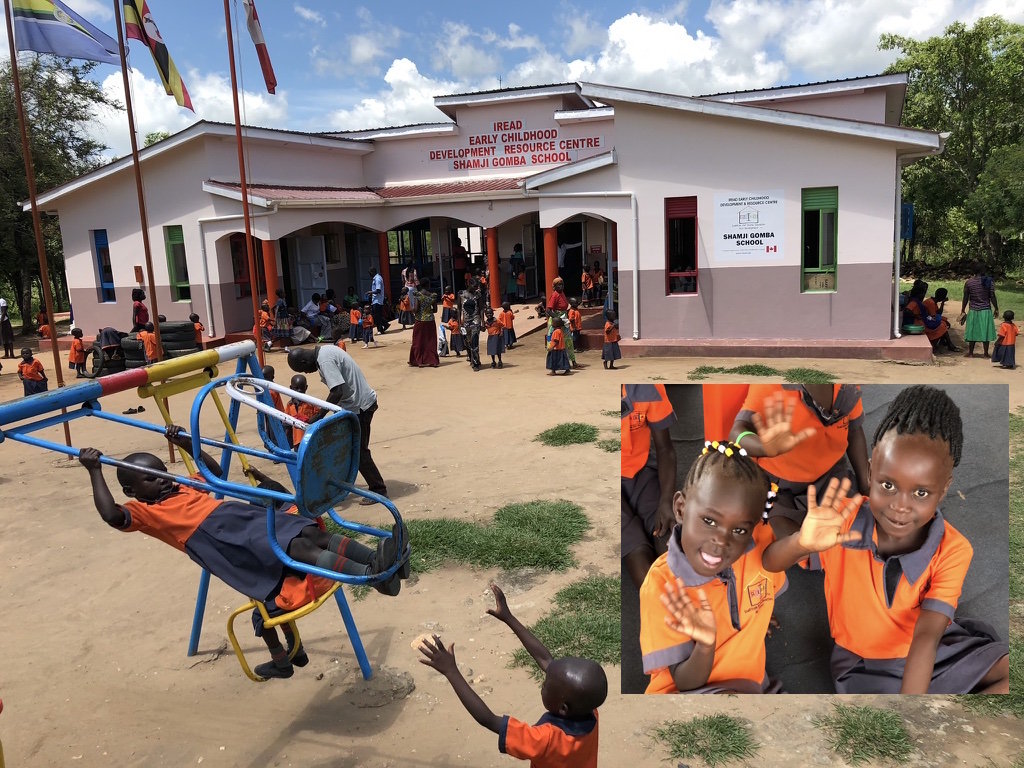
IREAD plans to build a pre-school with a resource center to provide needed high quality early childhood education (ECE) to 400 children aged 3 to 6 years in the village of Marracha, NW Uganda. Research has shown that well-conceived ECE programs are the most effective way to break the cycle of poverty and lay the foundation for lifelong success in school, career and life.
By age 3, a child's brain is already 80% developed; by age 5, a child's brain is already 90% developed. There are 400 children aged 3 to 5 years in the vicinity of the school site with no access to ECE. These children start government-funded primary school at age 7 and are more likely to have poor academic performance, repeat grades, drop out of school and fail to reach their true potential because of the lack of early childhood education, thus perpetuating the cycle of poverty.
IREAD's model of partnership with the local villagers empowers the parents and community leaders to have pride of ownership of the Center. They are expected to provide local building materials such as gravel, sand and timber as well as volunteer unskilled labour during the construction phase. Teachers are trained to deliver activity-based learning through well-designed activity centres. A simple lunch is also provided as many of these children often come to school under nourished.
This high quality early childhood development approach gives the children social, emotional, and cognitive skills that they will continue to develop throughout their lives. Parents are also enrolled in programs that teach them about nutrition and encourage reading at home. Such empowerment of parents who themselves lack education, leads to improvements in the entire family's socio-economic condition and encourages them to seek better academic outcomes for their children.