By Widge Woolsey | CEO Ufulu Malawi
1 in 10 girls in Sub-Saharan Africa miss a week of school every month, due to a lack of access to sanitary products, when they have their period.
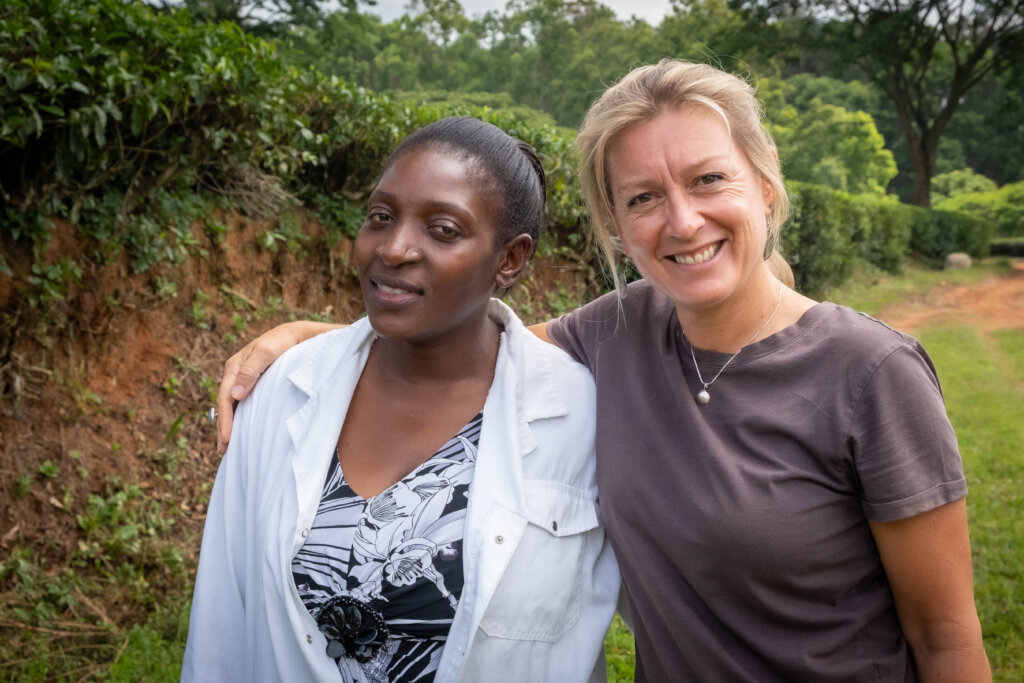
50% of the human population has a period, and yet period poverty is a huge and unspoken issue, causing widespread gender inequality. Period poverty is defined as “the lack of access to sanitary products due to financial constraints”. Ufulu was set up by Widge Woolsey in 2019 to bring an end to period poverty in Malawi, when she realised to her shame, that despite living and traveling through Africa for 20 years, and knowing how difficult it was to buy pads, she had never considered what females in Malawi used for their periods. Over 50% of females in Malawi are unable to afford sanitary products and are forced to use cloth rags, to ‘manage’ their periods.
How Ufulu works
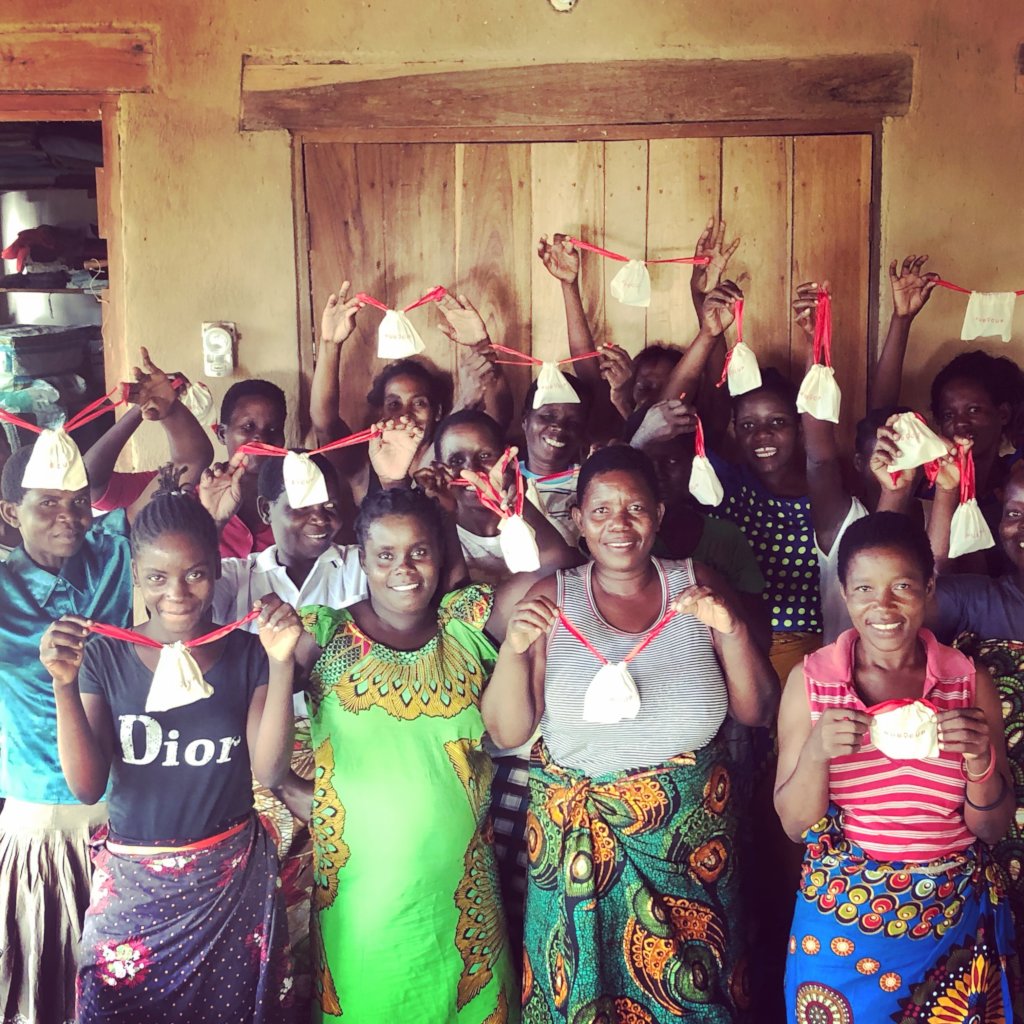
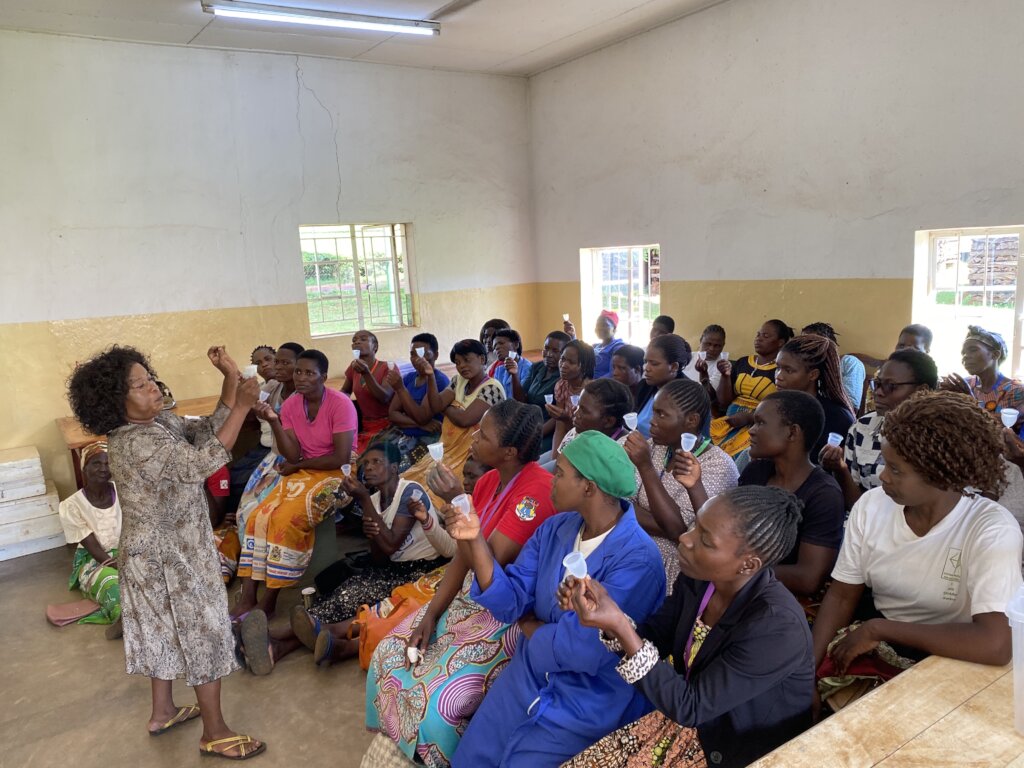
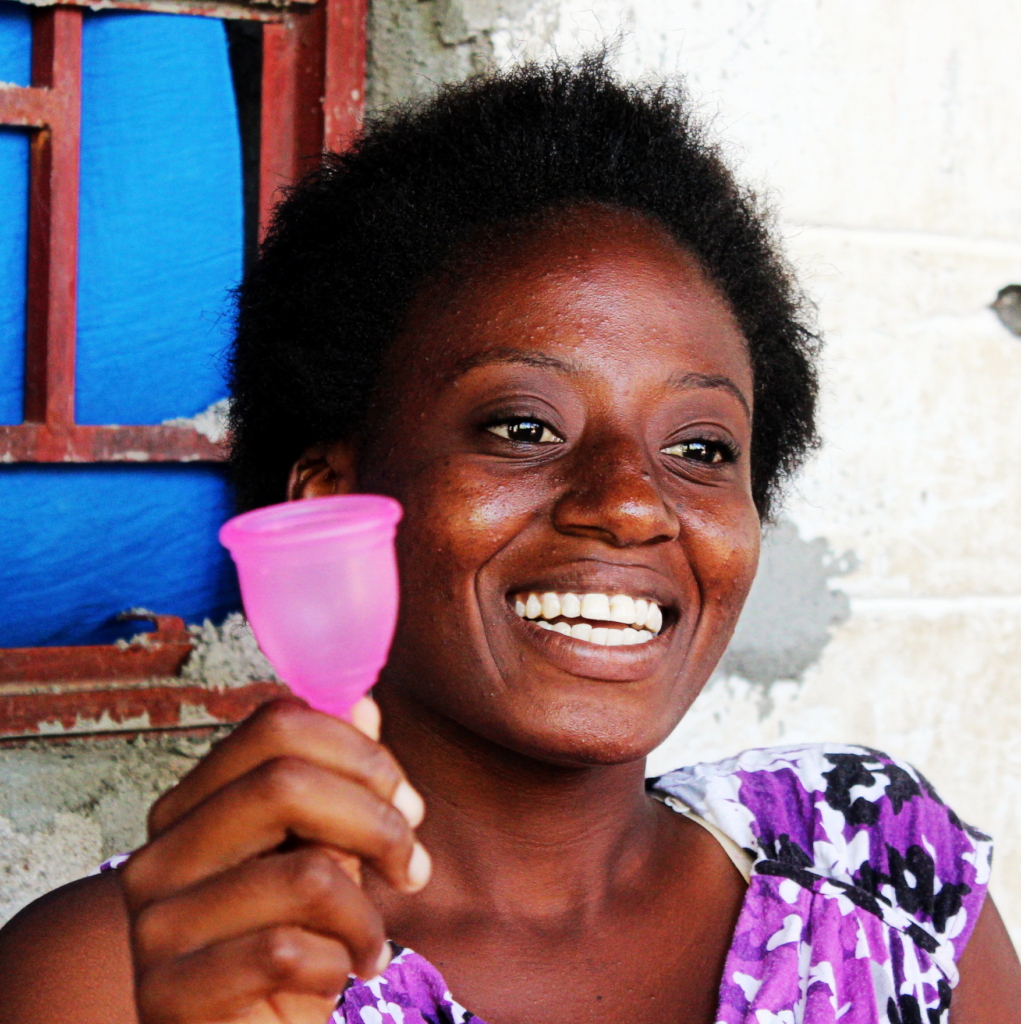
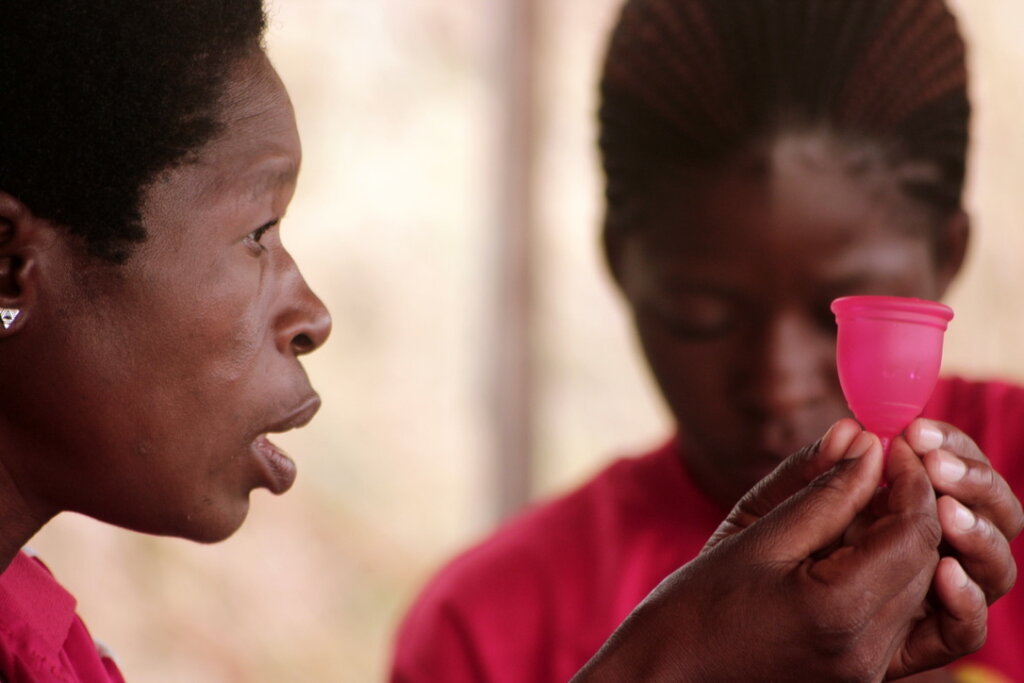
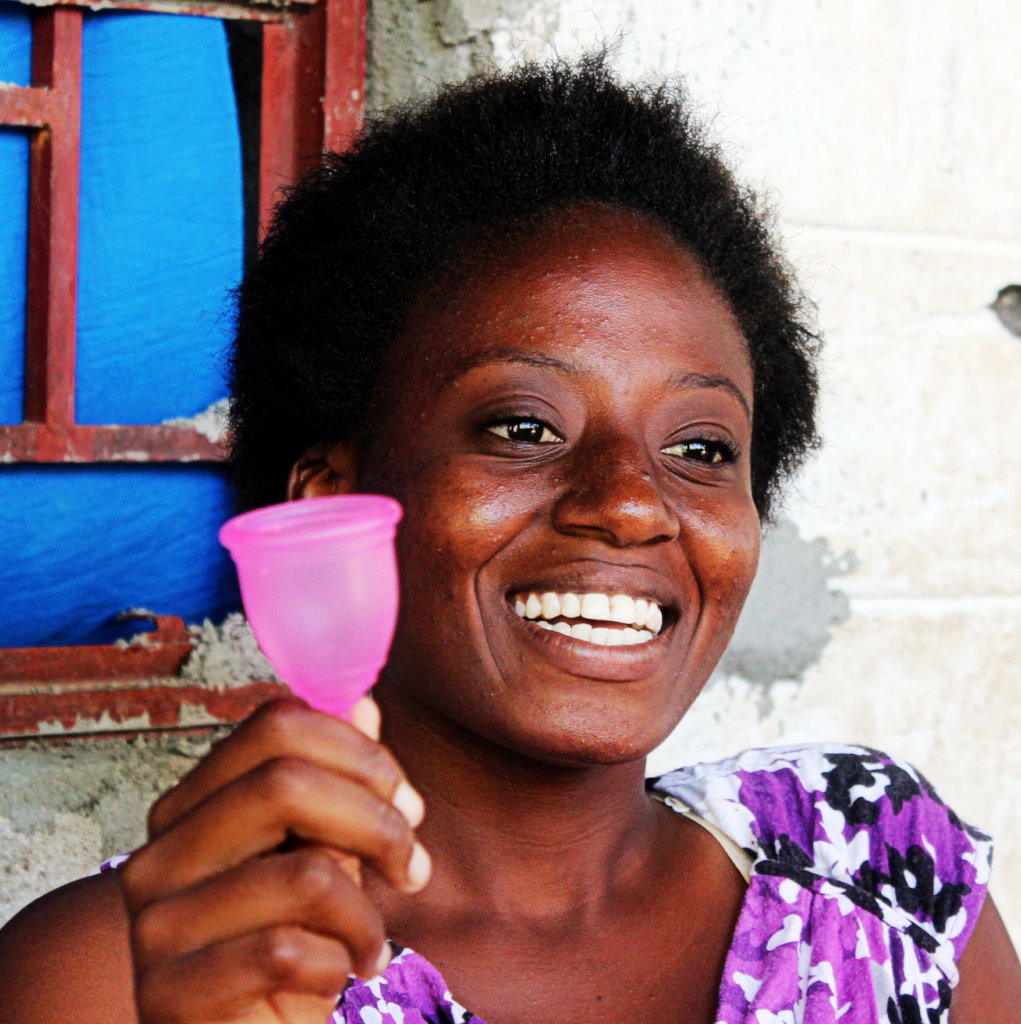
Ufulu distributes free menstrual cups to women and girls in Malawi via educational cup workshops. Period povety - the lack of access to sanitary products - is a leading factor in females not being able to attend school, or the workplace, contributing to gender inequality and a lack of female empowerment. 36% of females that Ufulu has given cups to are single mothers with more than 3 children. Period poverty affects their ability to work and provide for their families.
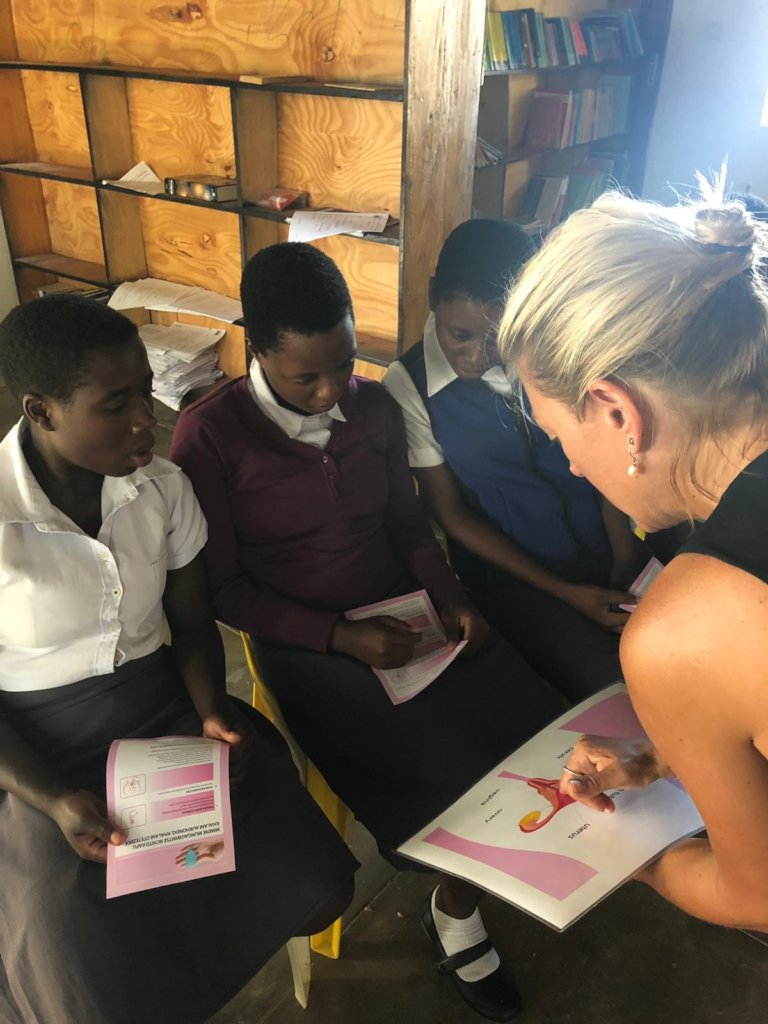
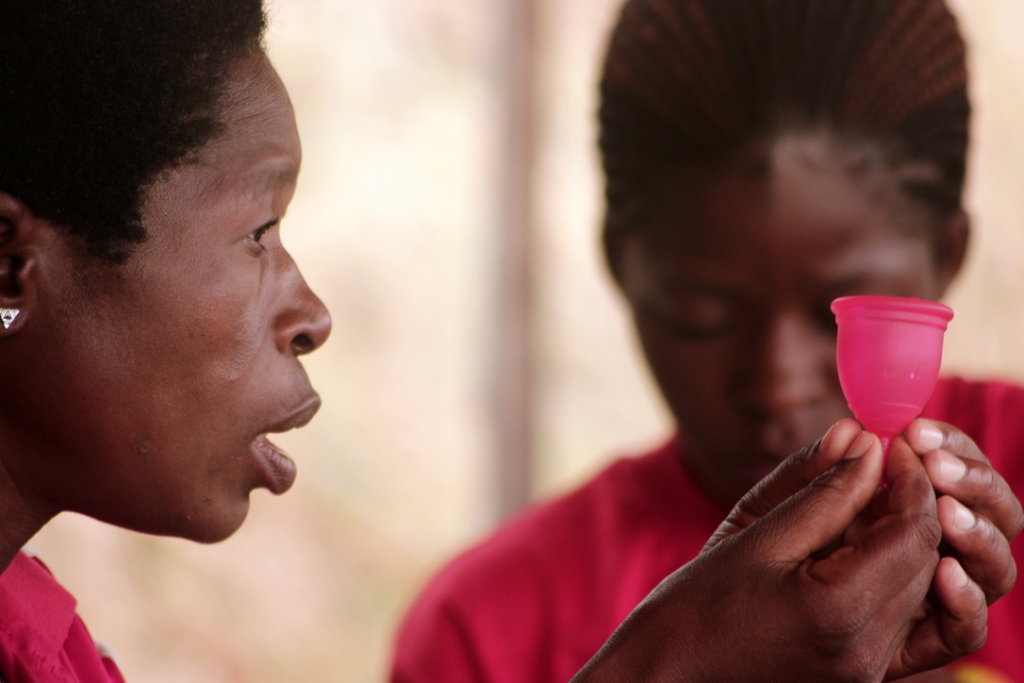
Ufulu Cup Workshops are run by Malawian women, trained by Ufulu. Each workshop lasts for 2 hours and is for a maximum of 25 females. Each “Cup Lady” must have been using a cup for at least 3 months before being trained to run workshops. This ensures that she has experience of using a cup and can explain to her peers what it is like to use a cup. Menstrual cups last for 10 years and are hygienic, safe, and reusable, allowing for long term freedom from the detrimental cycle of period poverty.
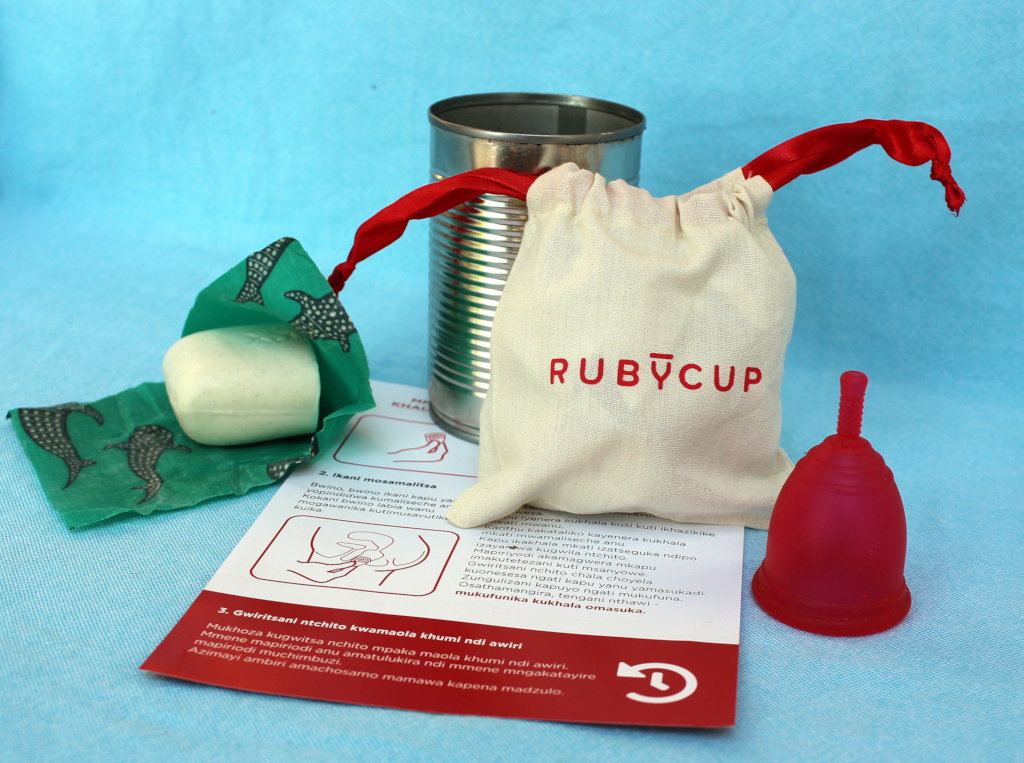
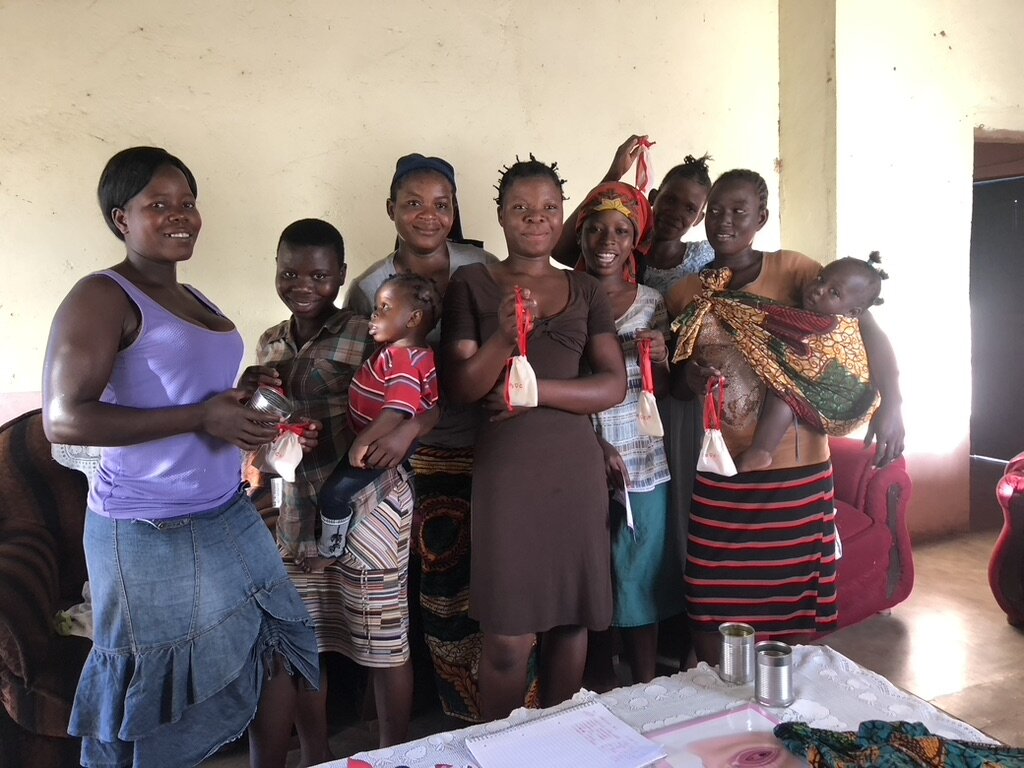
Each female who attends a workshop receives an Ufulu “Cup Starter Pack which contains everything she needs to use, clean and care for her cup:
Cup, with cotton container bag,
Bar of soap for cleaning her hands
A set of instructions in Chichewa with diagrams
A recycled tin to boil the cup clean, using minimum water and fuel
Cup information:
Environmental impact:
Three months after distributing cups to a group of females, Ufulu conducts catch up meetings to assess how they find their cup, and whether using a cup has made a difference to their lives. The most common phrase that our workshop managers hear is “God bless you for this cup. You have changed my life”.
Ufulu has seen a 20% increase in school attendance by girls using cups, and an increase in work attendance and productivity by women who have a salaried job. More importantly for the females who have received cups, all of them say they that save money when using a cup. Either because they don’t need to buy pads, or because they no longer need to spend mk1,000 a month on washing powder to wash their cloth rags or reusable pads. Reusable pads are often promoted as a viable product in Malawi. Ufulu has proof that reusable pads are NOT the answer for females in Malawi. For single mothers and women living below the poverty line, mk1,000 is a significant saving every single month, that is often not even considered.
Number of cups distributed to date 20,500
Number of catch-up meetings conducted 16,000 (78%)
Previous sanitary product usage:
Of those women who have received a cup, prior ’sanitary item’ usage was recorded as:
Used only rags/ blankets for their period 30%
Used combination of rags and disposable pads 55%
Used only disposable pads 15%
NB – average number of pads used per month is 10 ie 2 pads per 24hrs
Cost to women:
Average cost of pack of 10 pads £2 equivalent
Average daily salary for female £2 equivalent
Menstrual Health:
Number of women reporting nappy rash from pads or rags 80%
Number of females still reporting nappy rash when using a cup 0.01% (30 females)
Disposal / pollution:
Number of women who dispose of pads into rivers / Lake Malawi 10% (water pollutant)
Number of women who dispose of pads in pit latrine / toilet 65% (soil pollutant)
Number of women who dispose of pads by burning 25% (air pollutant)
Catch up meetings:
Ufulu conducts catch up meetings, 3-6 months after giving a female their cup.
From those meetings the following statistics were recorded:
Number of females who find going to work/ school easier with a cup 100%
Number of females who prefer their cup to any other product used 100%
Number of females who recommend a cup 100%
Number of females who save money with a cup 100%
Links:
Project reports on GlobalGiving are posted directly to globalgiving.org by Project Leaders as they are completed, generally every 3-4 months. To protect the integrity of these documents, GlobalGiving does not alter them; therefore you may find some language or formatting issues.
If you donate to this project or have donated to this project, you can receive an email when this project posts a report. You can also subscribe for reports without donating.