By Widge Woolsey | CEO Ufulu Malawi
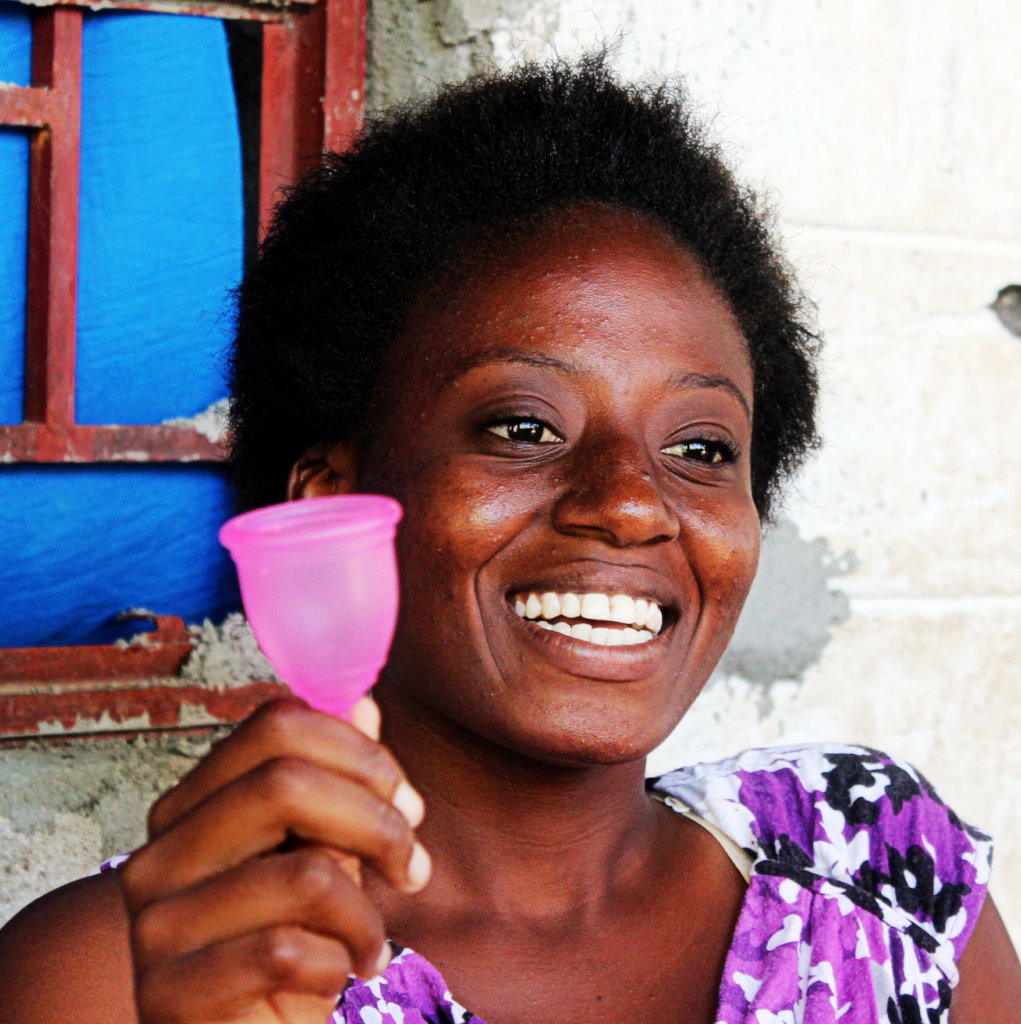
Ufulu distributes free menstrual cups to women and girls in Malawi via educational workshops. The charity was founded by Widge Woolsey in 2019 after she travelled back to Malawi. Since then, she and her local team have provided 7,000 cups to females across Malawi. Ufulu was founded to provide a sustainable solution to tackle Period Poverty in Malawi.
Period Poverty is defined as the lack of access to sanitary products due to financial constraints. Malawi is one of Africa’s poorest countries and Malawian women lose their wages when their periods prevent them from working. Girls miss out on their education when their periods prevent them from attending school. Numerous females suffer from a constant rash during their menstrual cycles (defined as a rash due to rags or pads used during menstrual periods).
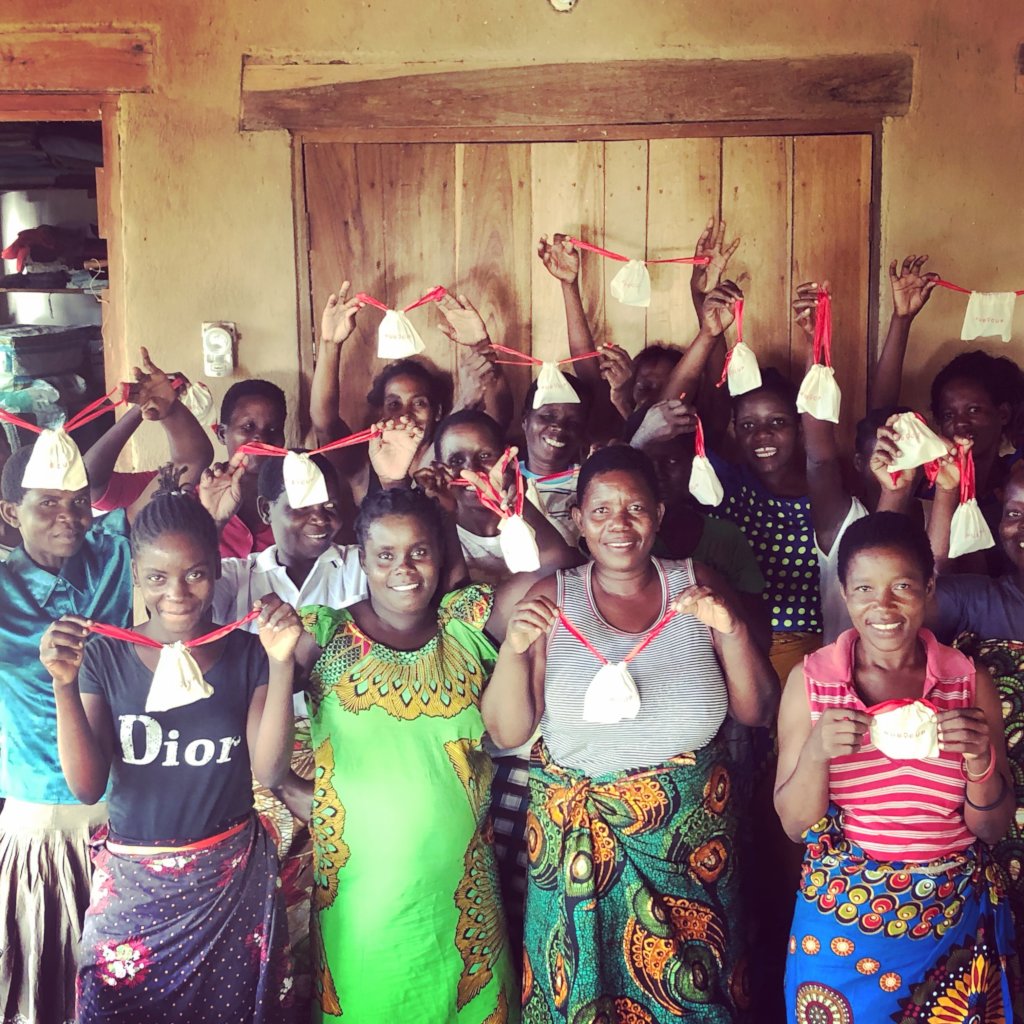
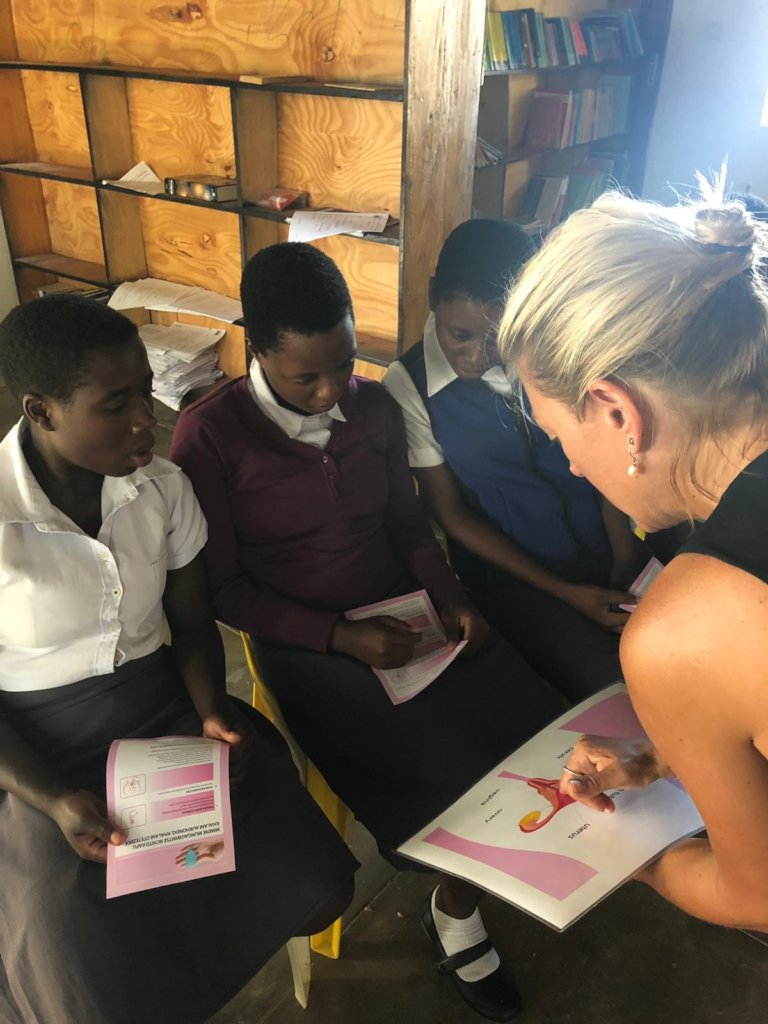
Ufulu has expanded across Malawi, with seven Malawian women now trained as ‘cup workshop managers’. Each woman is responsible for distributing cups in the district where she lives and covers a radial area of 5-10km distance from her home. This ensures she is easily recognised and known throughout her local community, ensuring high levels of trust, continued contact and communication with all cup recipients. Ufulu distributes menstrual cups via schools, church groups, work groups, youth groups and women’s co-operatives. Menstrual cups are only given to females attending Ufulu educational workshops. Each Ufulu workshop is for a maximum of 25 females and is always conducted by a cup workshop manager who has been trained by Ufulu in menstrual cup usage, care, and hygiene.
Ufulu asks all attendees to provide information at the initial cup distribution workshops (and prior to using a menstrual cup) to assess menstrual health, sanitary product usage and the ability of a female to attend school or work. Follow-up meetings are conducted 3 to 6 months after a menstrual cup has been given to an individual, to assess menstrual health, ability to use the cup, ability to attend school or work and the preference of the user for a cup or a pad. The most common phrase that our workshop managers hear is “God bless you for this cup. You have changed my life”.
Project duration. March 2019 - July 2022
Number of cups distributed. 6,923
Number of catch up meetings completed. 3,236
Age range of cup recipients. 11 - 53 years
Females who had ONLY used rags prior to cup. 68%
Females who has used single use disposable pads prioer to using a cup. 29%
Females who prefer using a cup to a disposable pad 100%
Four secondary schools in different project areas reported a 20-25% increase in girls attending school since the start of the Ufulu menstrual cup project. All females when questioned in follow up meetings state that periods are easier to manage, more comfortable and hygienic when using a menstrual cup.
100% of females who have received a cup from Ufulu, prefer it to using a sanitary pad and are consistently using it 6 months later. By providing menstrual cups to females, Ufulu is improving menstrual health among women of all ages.
All the secondary schools that Ufulu has been working with have reported an increase in girls attending school since the menstrual cup project started, with four noting a 20-25% increase in attendance.
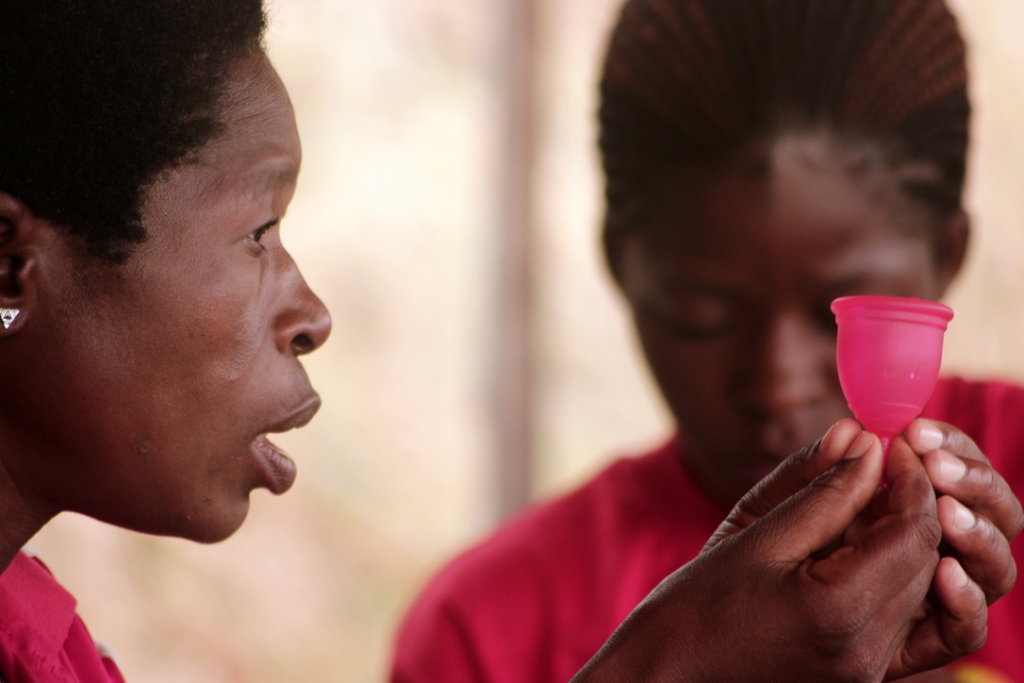
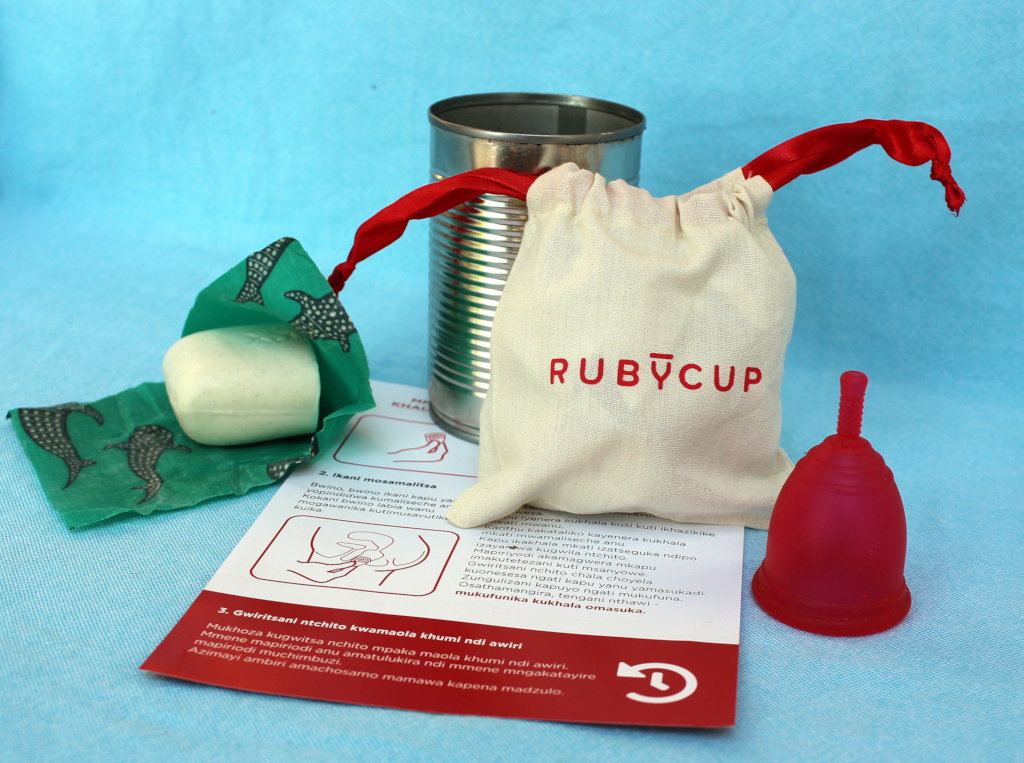
Menstrual cups are made of silicone – they contain NO plastic, rubber, or latex. One menstrual cup will last 10 years – in this time the average female in Malawi will use 1,200 – 3,600 single use disposable pads. Menstrual cups represent a huge saving in money for women in period poverty. Menstrual cups are safe, hygienic, environmentally friendly, and enable females to attend school and work throughout their menstrual cycle. As a reusable product that lasts for 10 years, they are a more client and environmentally friendly menstrual product as compared to single use disposable sanitary pads.
With a proven track record of success and with 100% of cup recipients preferring a menstrual cup to a sanitary pad, Ufulu is now expanding across Malawi and initiating partnerships with corporations and other NGOs to access more groups of Malawian females. By working with existing groups of women and girls, via work, school, or social groups and given adequate funding, Ufulu can access females in a safe and secure environment. Ufulu is currently working in Mulanje, on Likoma Island, in multiple districts within Lilongwe; and in Dzaleka refugee camp, located 40km from Lilongwe, containing 50,000 displaced persons. In Dzaleka camp, single use disposable sanitary pads are distributed for free by UNHCR. However, there is no waste collection in the camp, and pads are either thrown onto open rubbish heaps, or burnt; both of which constitute a health hazard.
Ufulu recently ran workshops with Eastern Produce Malawi (“EPM”) a tea company in Mulanje district, to provide 2,000 cups to its female workforce. An initial pilot project was implemented with 30 women from the Women’s Welfare Committee of EPM, to assess whether females would like to receive cups – it is all about the women having a choice. All the Women’s Welfare Committee members who received cups stated that the cups drastically improved both their menstrual health and their ability to work.
Ufulu then returned to Mulanje and implemented an extended roll out of cups and trained 2 employees of EPM to be the company ‘cup workshop managers’ going forward. During the 3-week programme, 750 cups were distributed via 30 workshops. A distribution rate like this is easy and realistic to achieve, when working with a contained workforce and in partnership with a company. Ufulu would now like to expand further, via outreach programmes, to distribute cups to the wider female Mulanje community. Ufulu is in active dialogue with other Malawian corporations including Lujere, Tingathe, Limbe Leaf and Alliance One, to distribute cups to these organizations’ female workforce, as well as females they work with on outreach projects.
Links:
Project reports on GlobalGiving are posted directly to globalgiving.org by Project Leaders as they are completed, generally every 3-4 months. To protect the integrity of these documents, GlobalGiving does not alter them; therefore you may find some language or formatting issues.
If you donate to this project or have donated to this project, you can receive an email when this project posts a report. You can also subscribe for reports without donating.