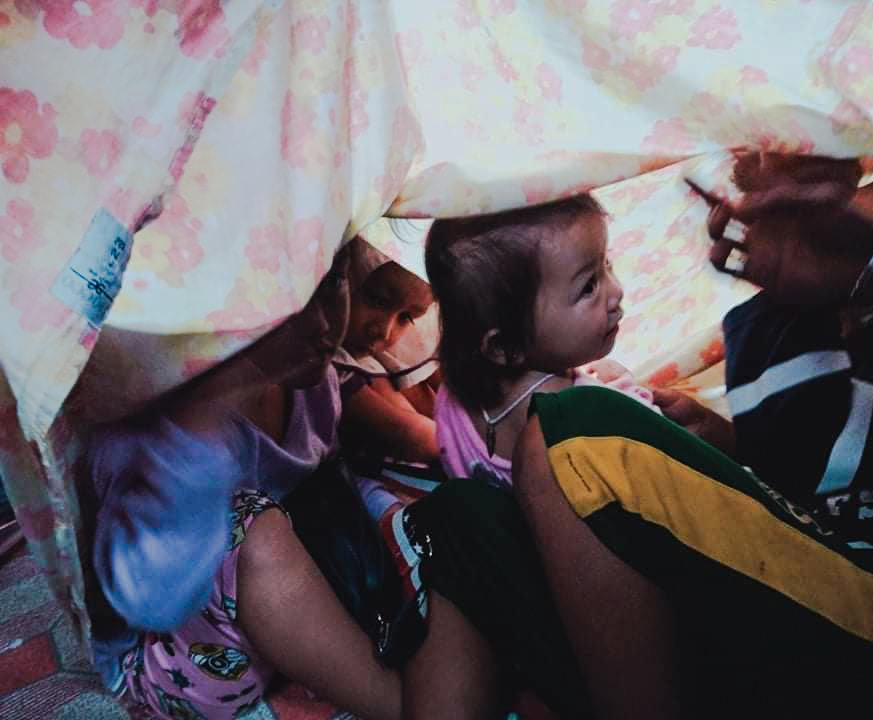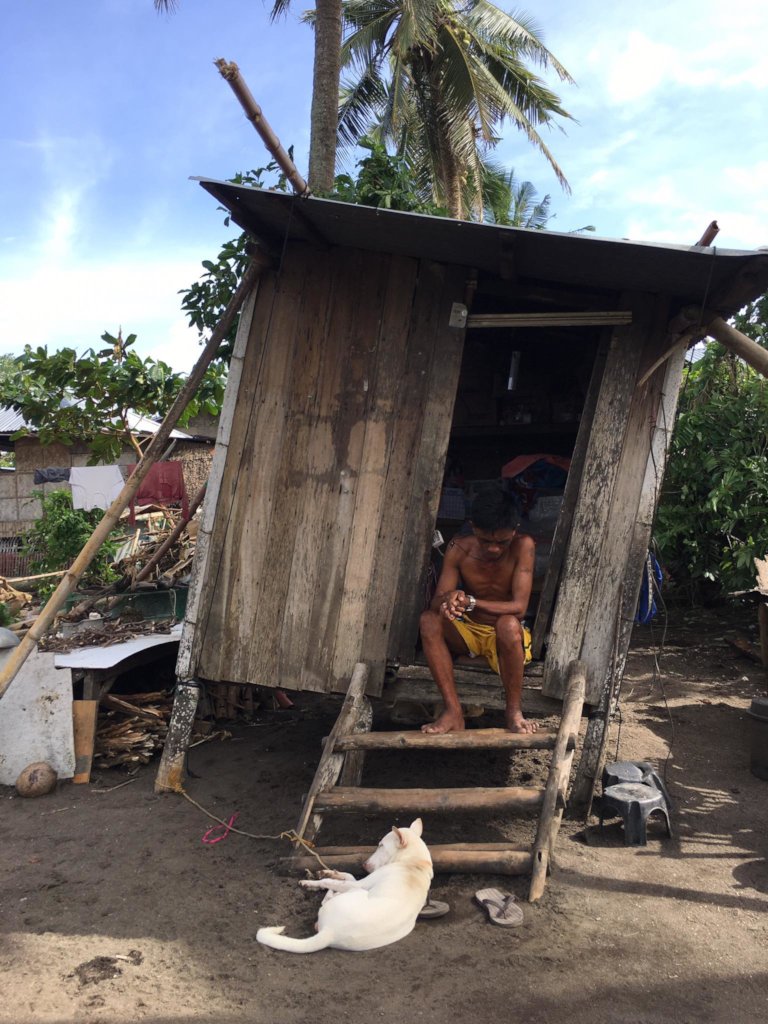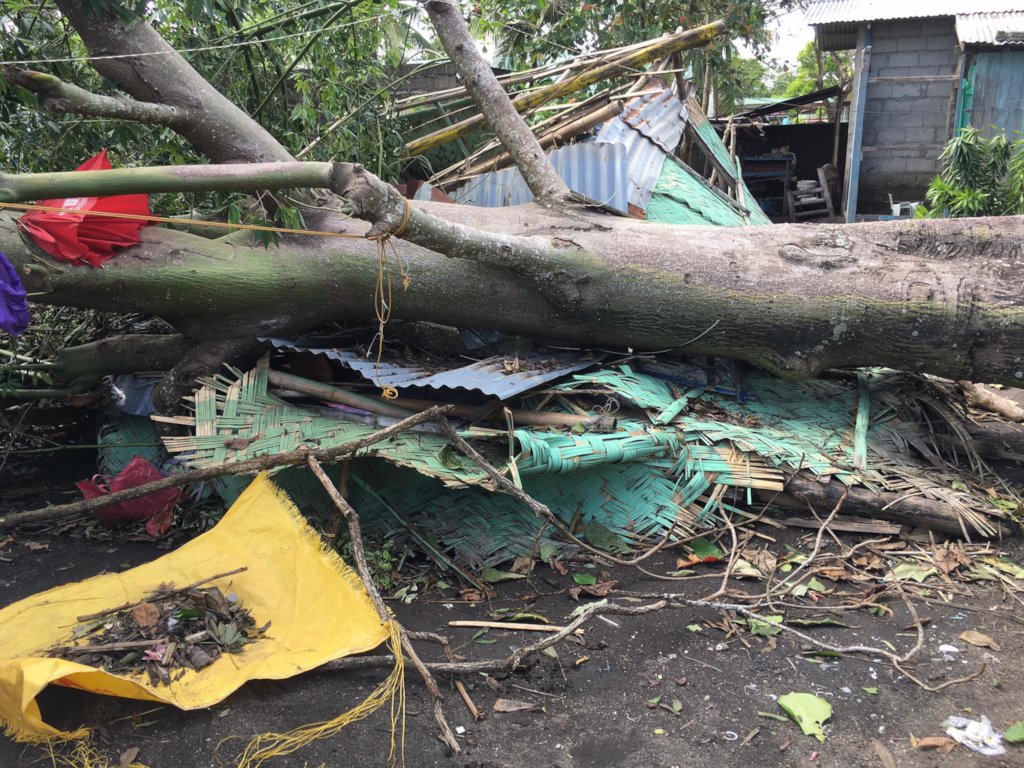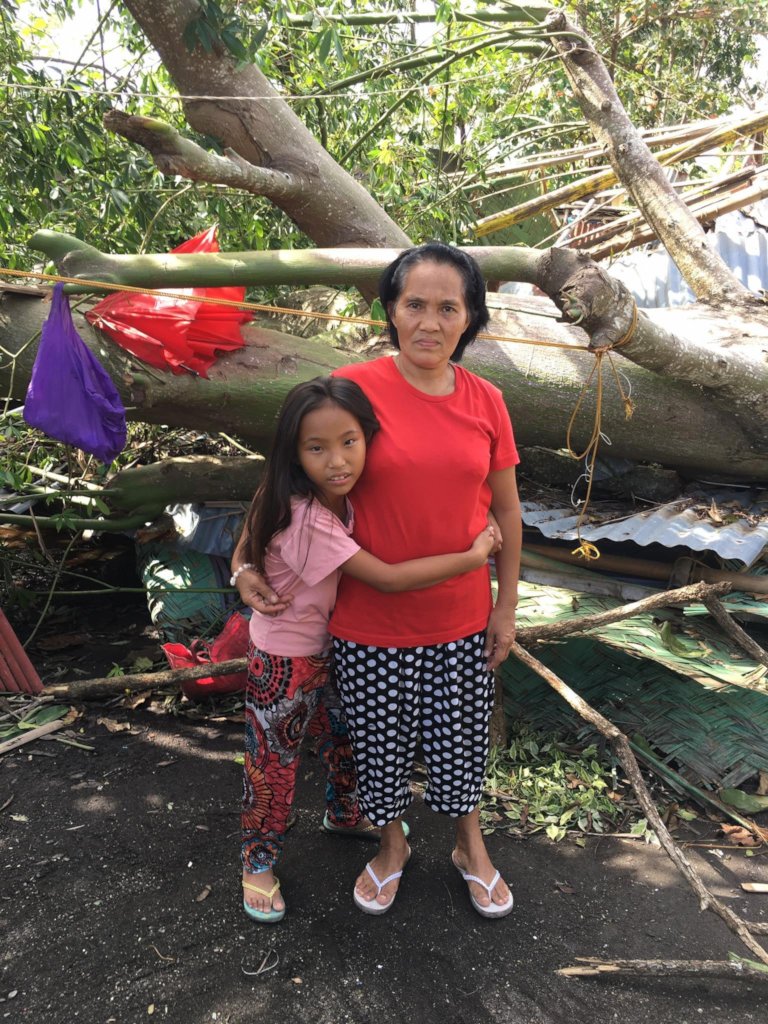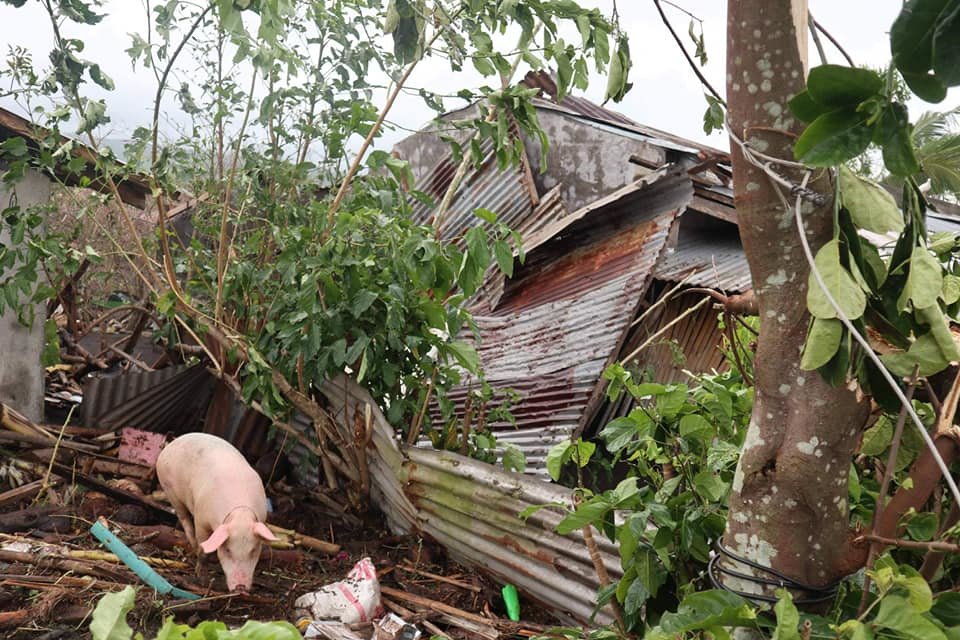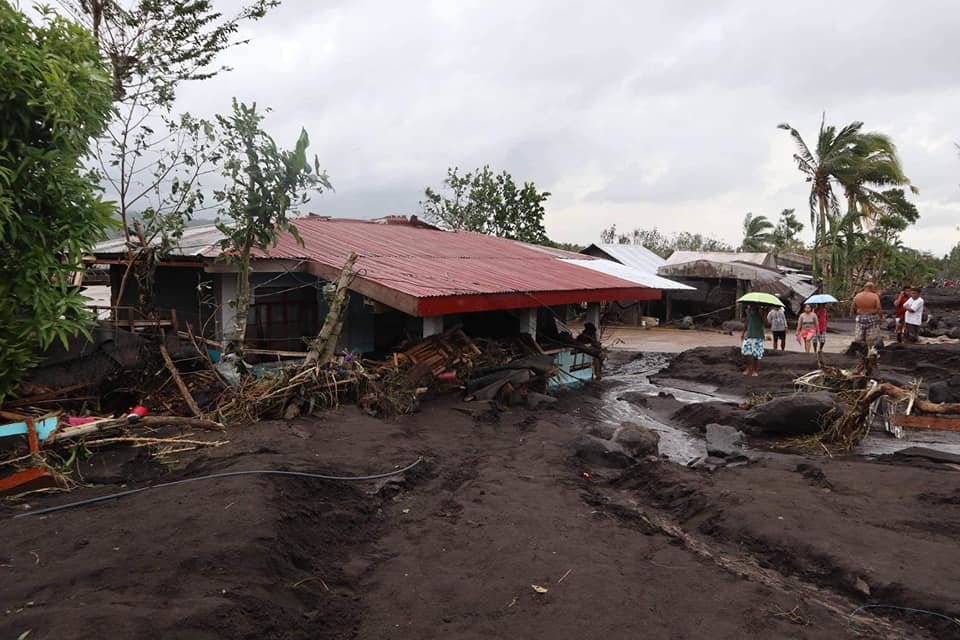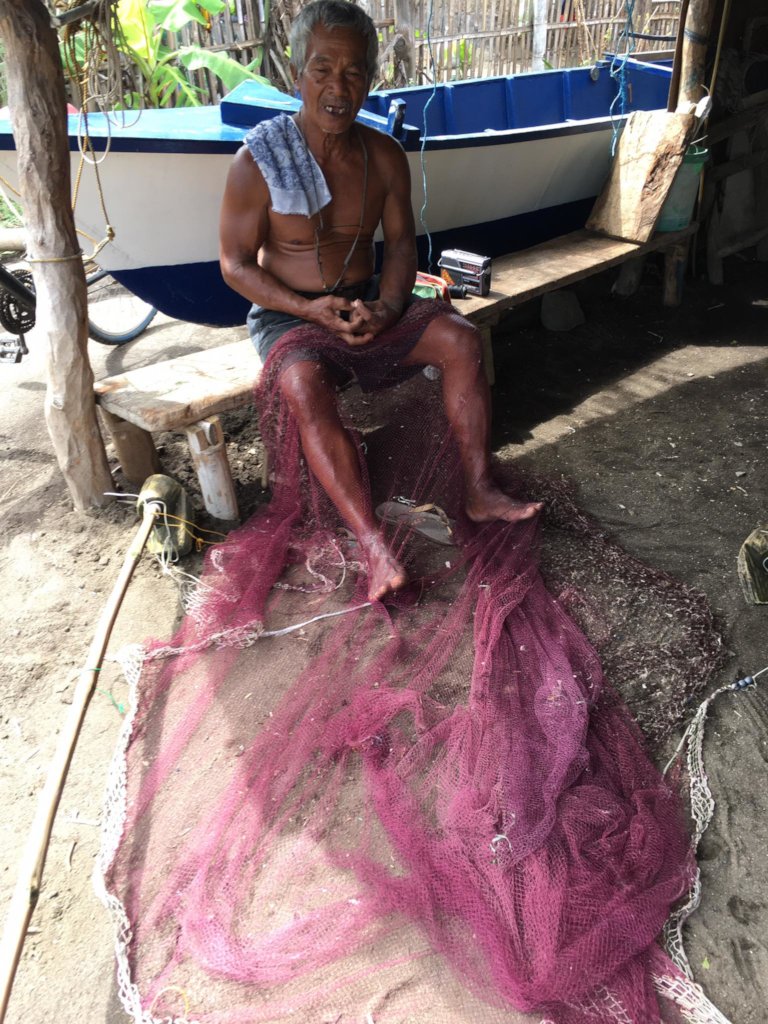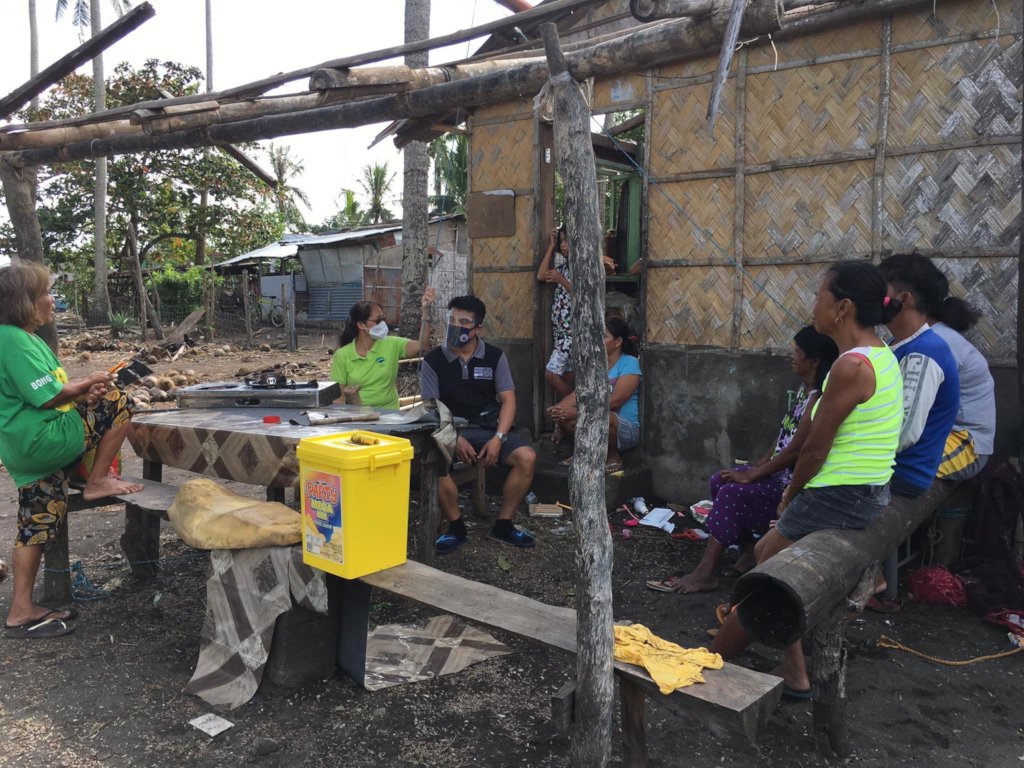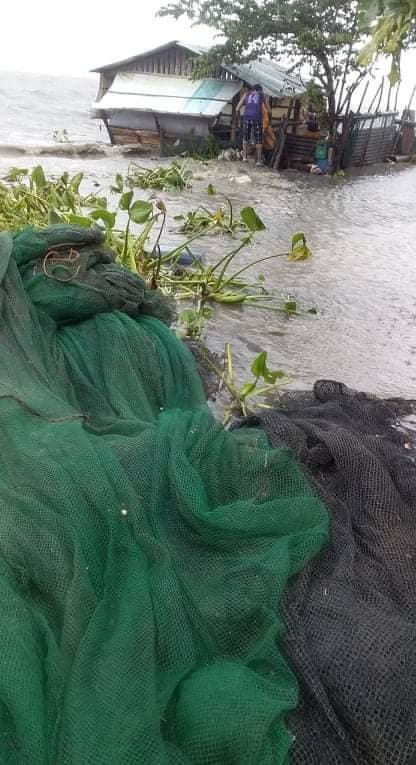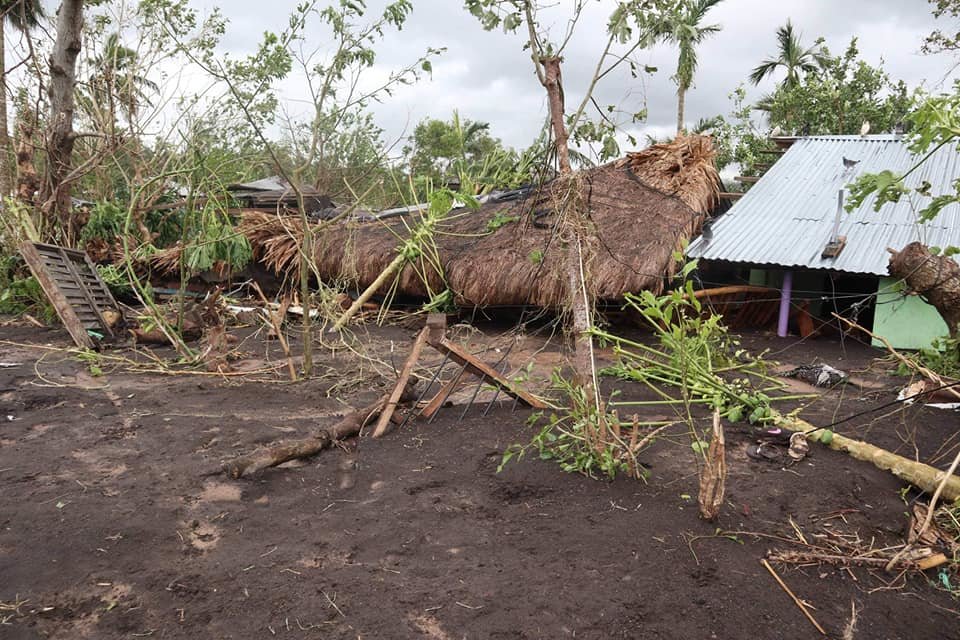
CDRC, TABI, and STPRC started the Damage, Needs, Capacity Assessment (DNCA) immediately after the typhoon struck. Based on the assessment, many cities and towns still do not have electricity and are still submerged in floodwaters including some areas in Batangas City, Quezon Province, and Bicol Region, disrupting access to water as well as communications. Aside from the immediate relief needs, people are in dire need of support to restore their livelihoods.
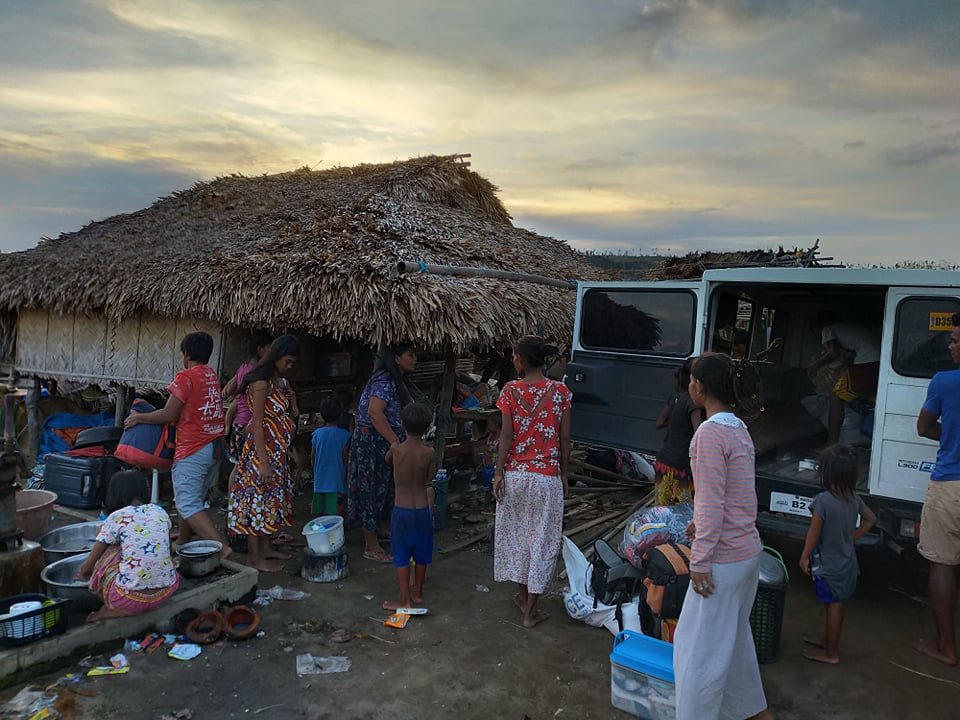
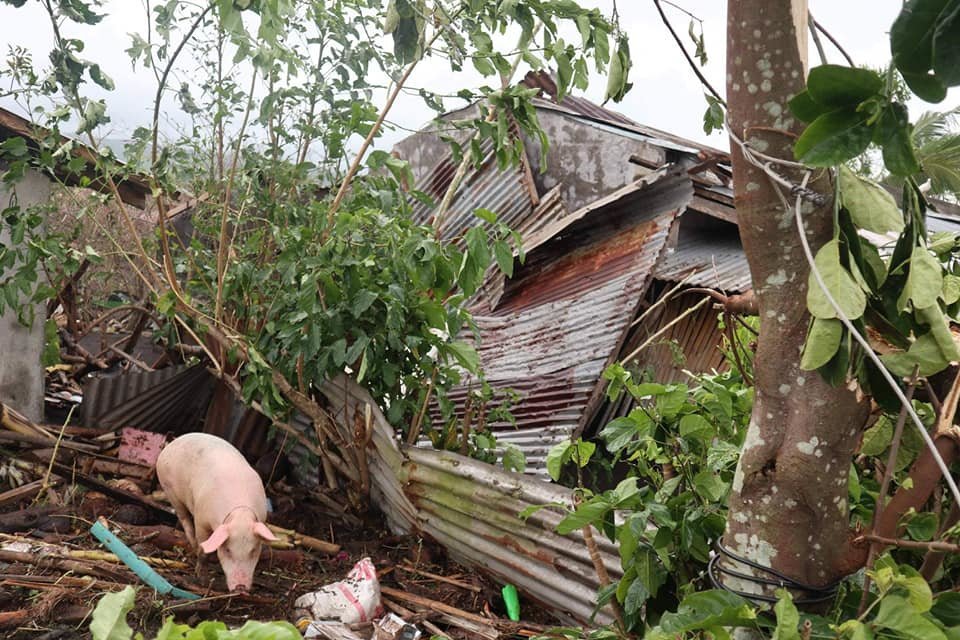
The Government assessments show that 96,887 families are displaced in the Bicol region, with more than 78,000 families still residing in evacuation centers. The number of affected families might still increase if current inaccessible towns will be reached. The DNCA Result of STPRC, a total of 1,254 families in two barangays in Municipality of San Narciso, Quezon were displaced due to Typhoon Rolly (Goni). Damage to Crops such as banana, coconut trees, rice, and corn were also reported.
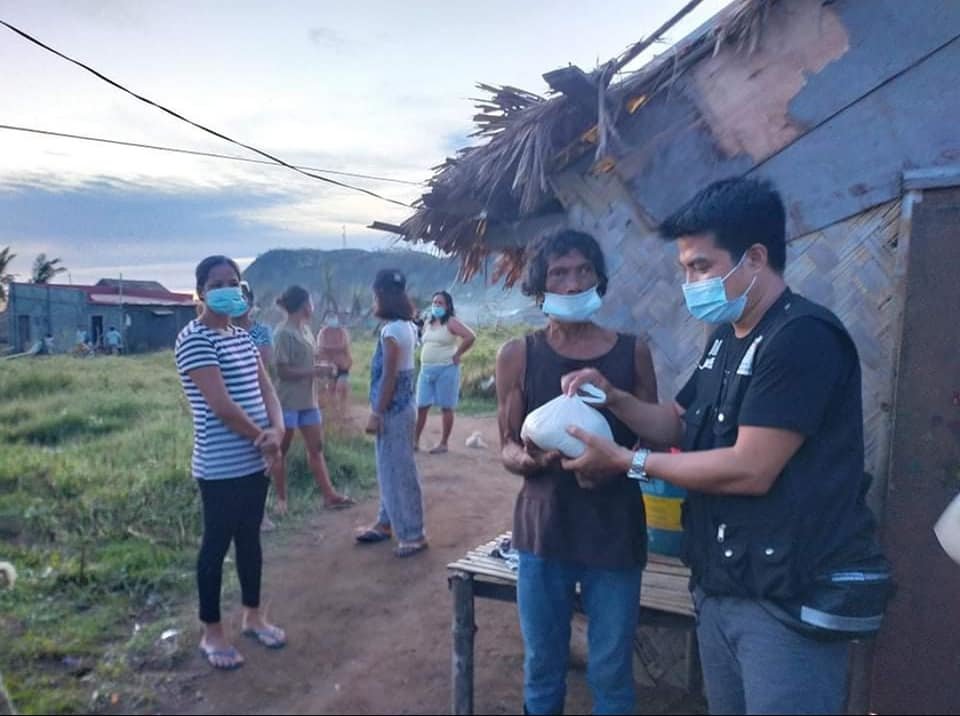
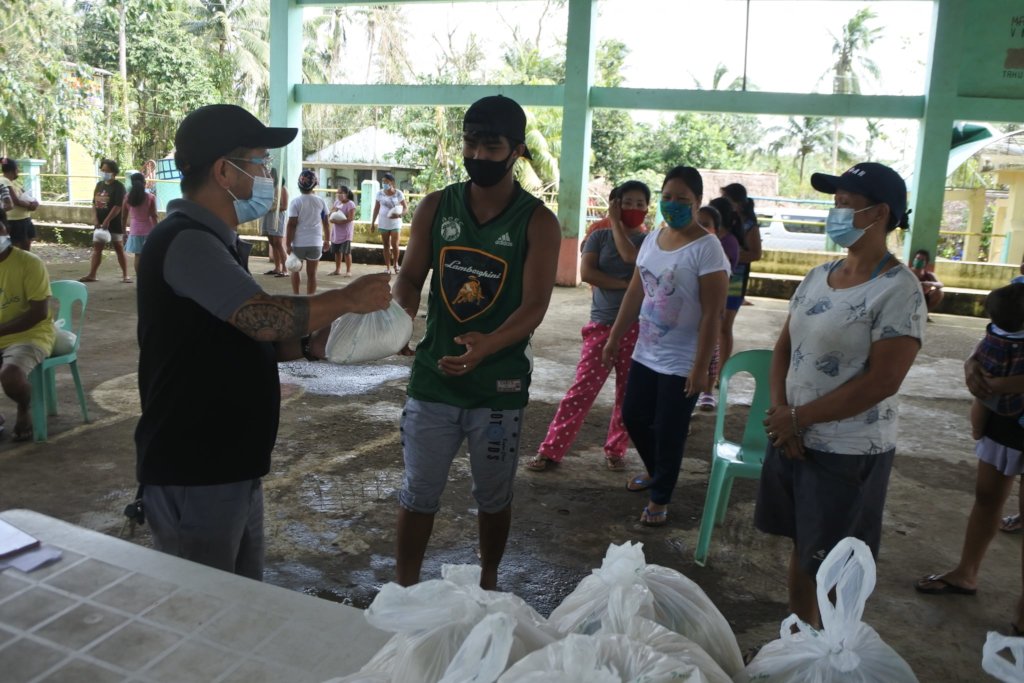
Based on the Assessment, Food, sleeping Mats, Blankets, and Hygiene Kits are the immediate needs of the affected families in the Municipality of Tiwi in Albay Province, Municipality of San Narciso and Mulanay in Quezon Province. Distribution of Food Packs (with 25 kilos of Rice, 12 Tin Cans, 1 kilo of sugar, 1 liter of Oil, 1 kilo of Dried Fish, and 1-kilo Monggo Beans) and Non-food (sleeping mats, blankets, mosquito net, and hygiene kits to the 600 selected and most vulnerable families.
The Emergency response for the Typhoon Rolly-affected communities aims to alleviate the suffering of the affected families. The relief packs are good for two-weeks consumption by 6-7 family members and computed to the daily intake of nutritious food. This is also one way of addressing the psychosocial needs of the survivors because this would help them focus on the reconstruction of their homes and livelihoods without worrying about what they would eat in the coming days.