By Yi Wen Chiang | director
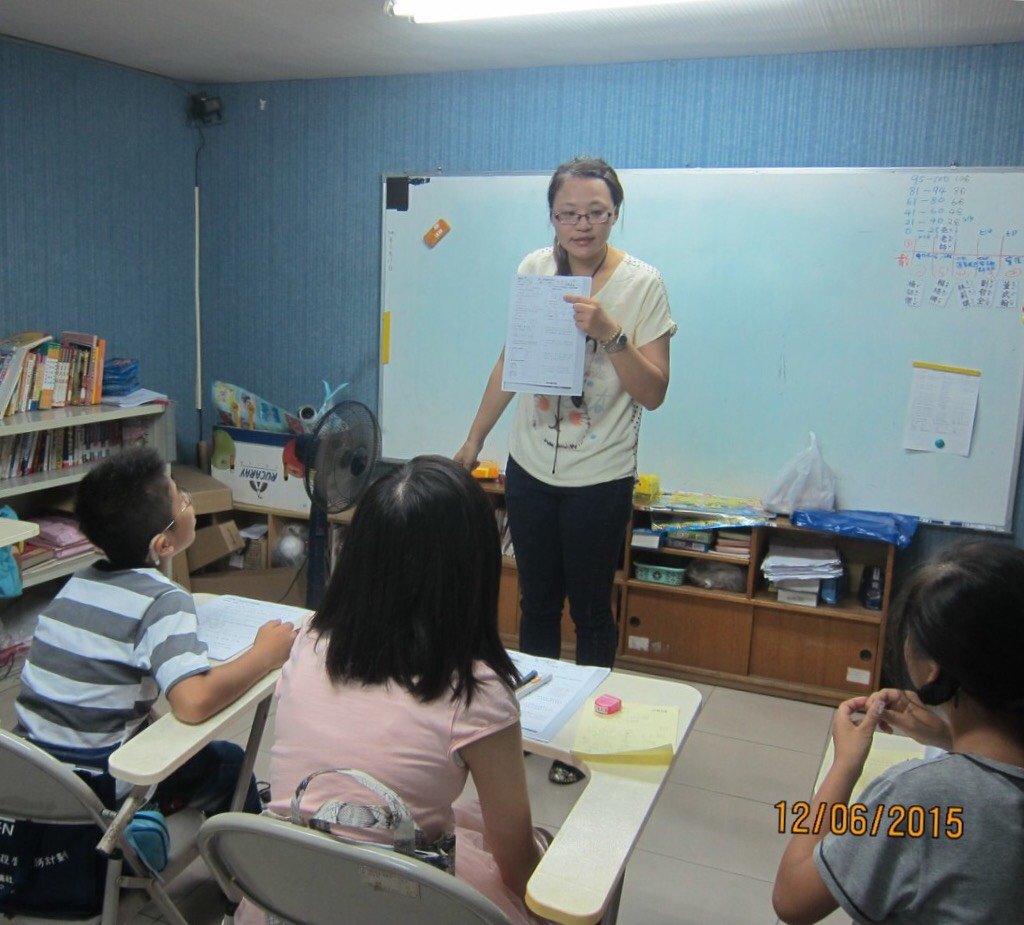
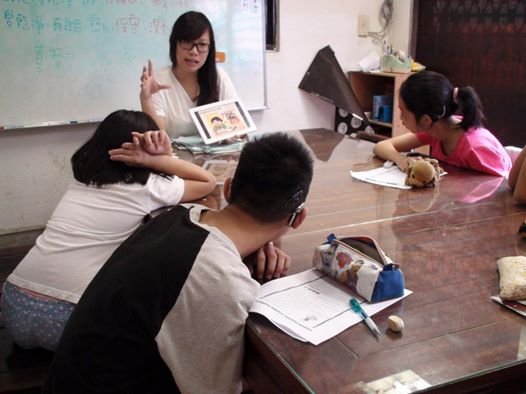
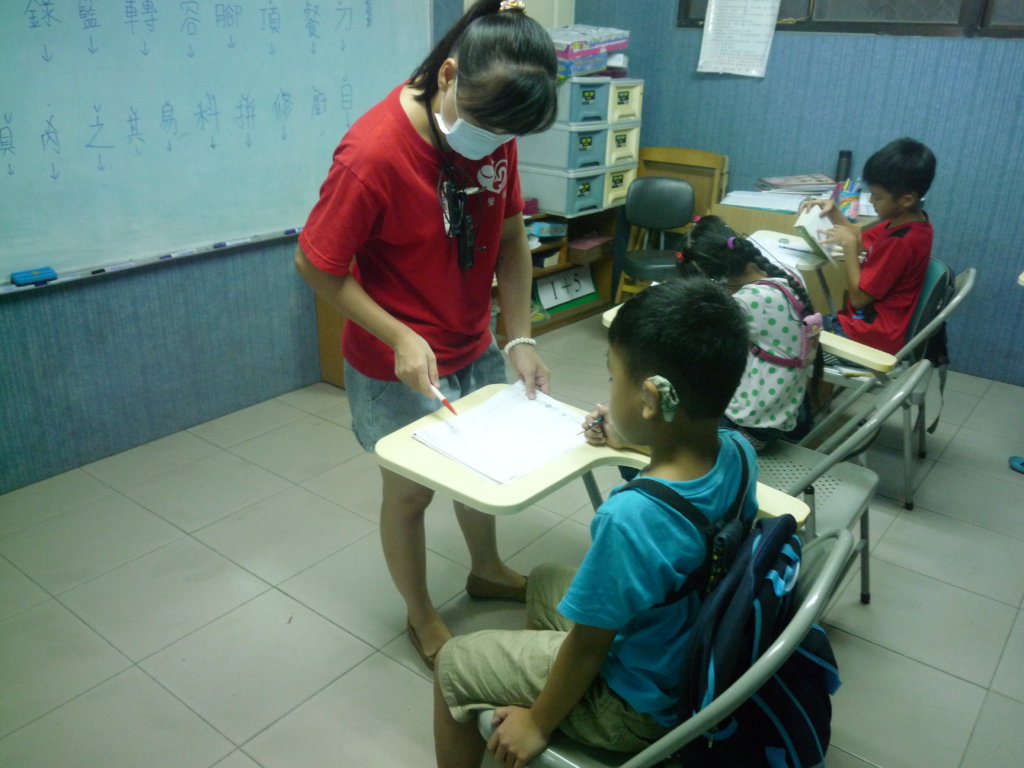
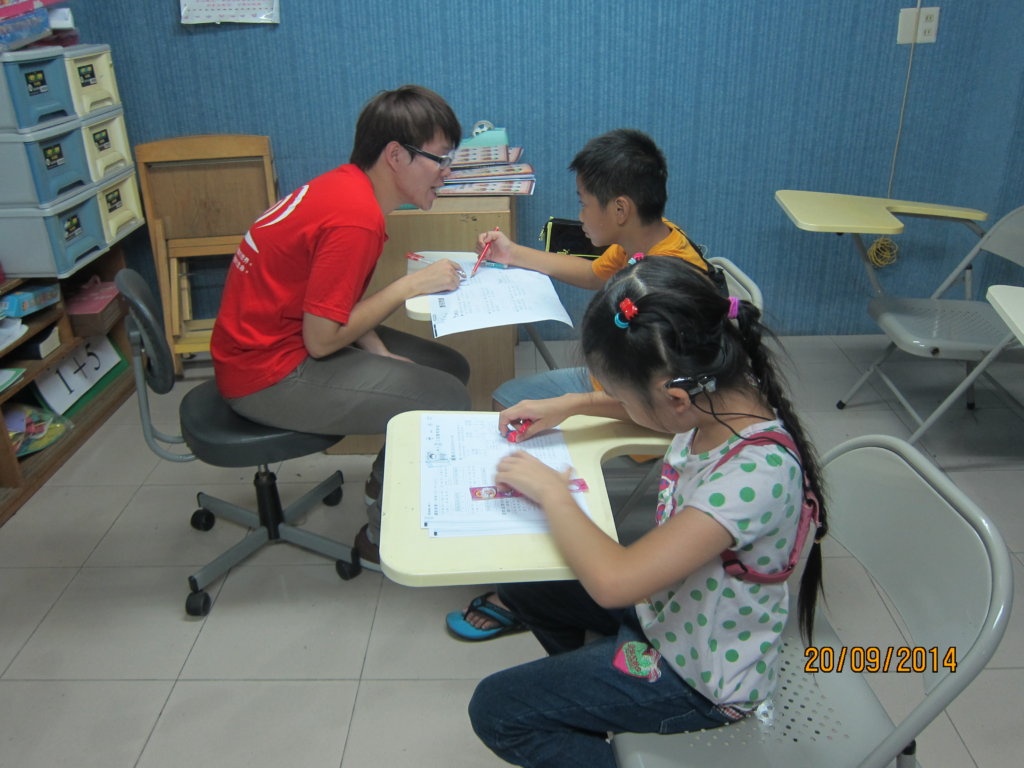
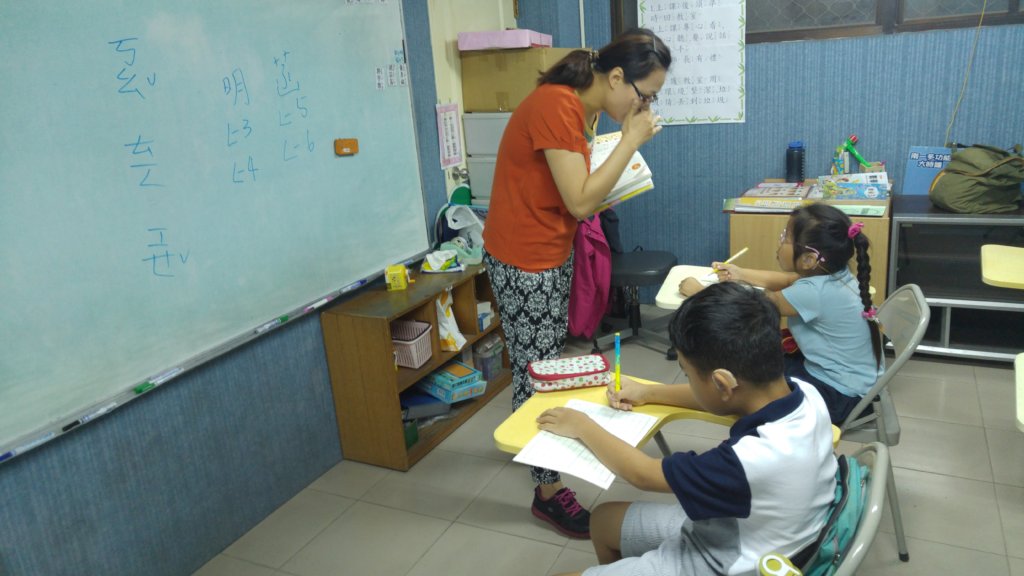
From the very beginning, the Sound-Home Center was trying to help the hard of hearing children to catch up with others on academic achievement. Therefore, the Center scheduled all-day remedial programs during the weekend, including Chinese, Math and English, in order to help the children not to be left behind too much. Gradually, too much pressure made the children laugh less and less. The lessons at the Center became overwhelmed, like another kind of school life, full of pressure. Countless homework took away the joy and pleasure they should have during the weekend. The social workers began to think about “whether to let the children catch up with the scores painfully, or learn about the art they really like happily.”
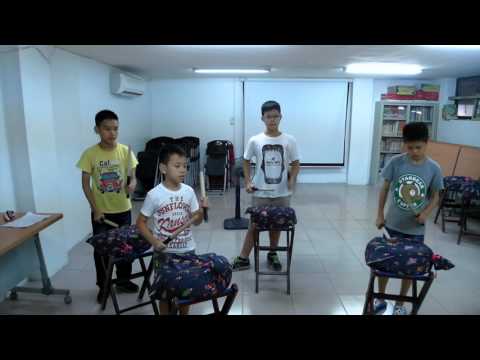
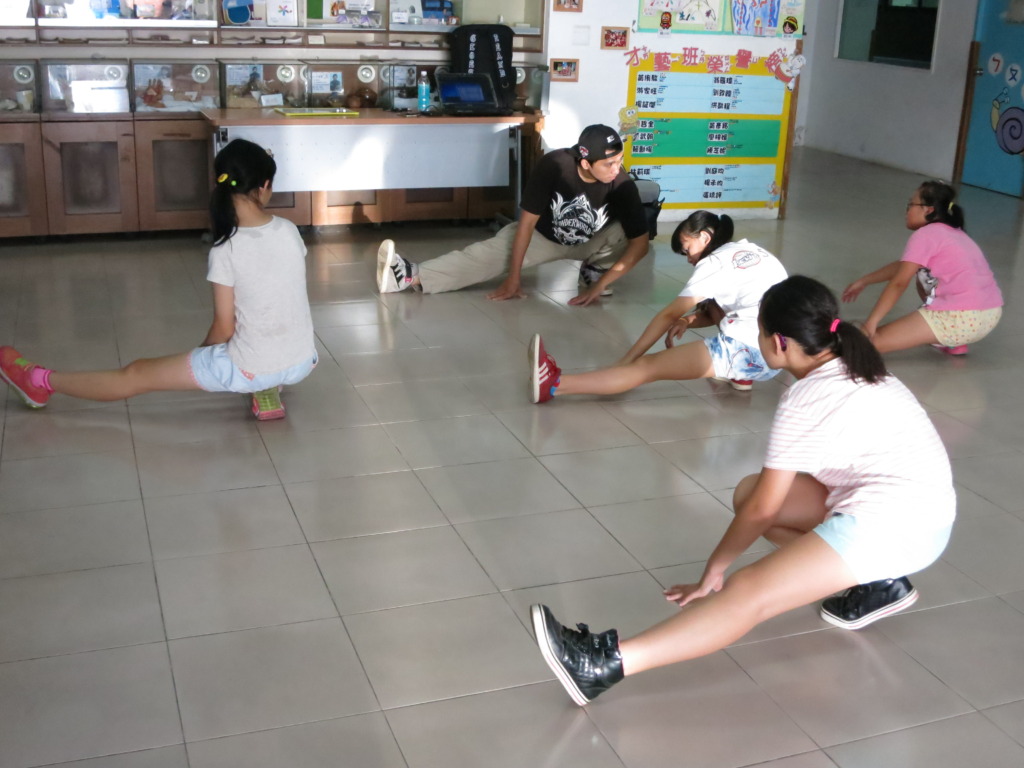
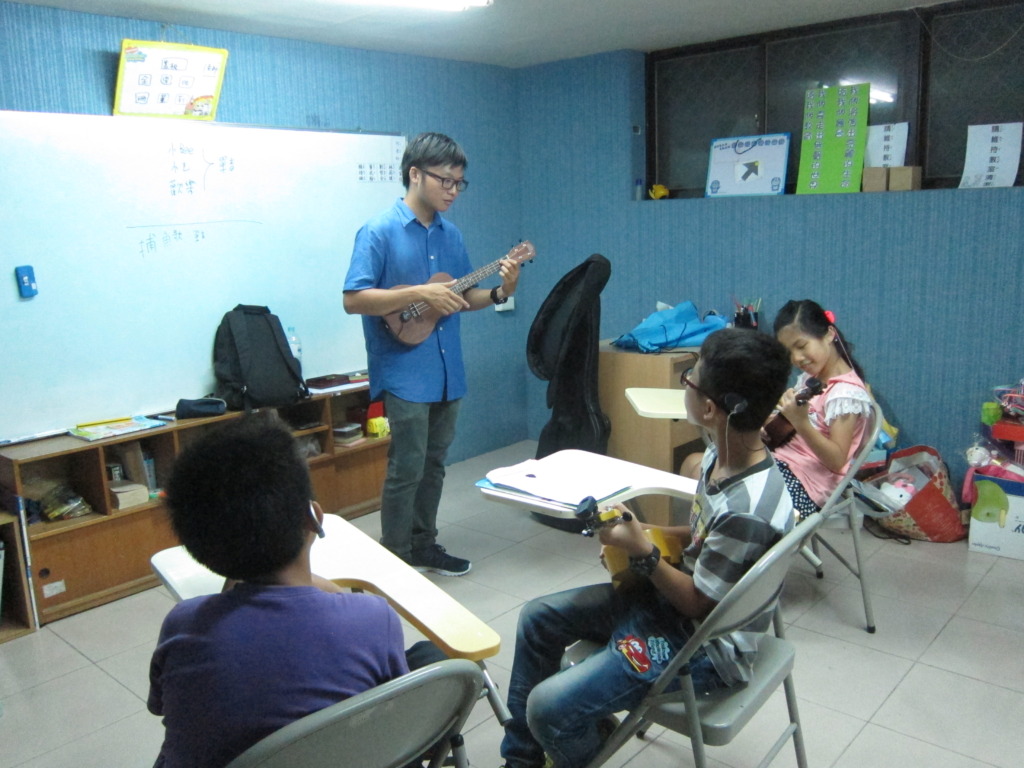
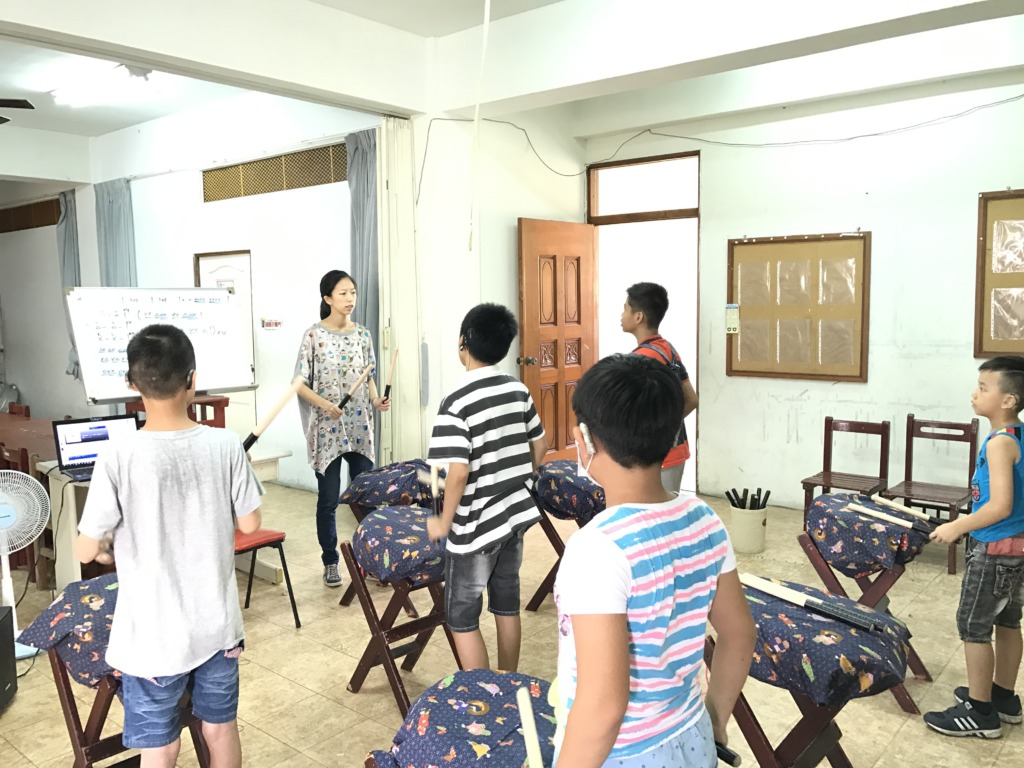
The second half of 2016, we re-organized the contents of the weekend tutoring program, removing academic lectures and adding up the art classes, such as hip-pop, ukulele and taiko-drums. There were 18 hard of hearing children, and they were split into three groups. The art class was given to the children once a week. They were trained for sensitive listening to music and melody, and they also learned about how to adjust themselves’ beats, chords and movements through observing what other people do during the process of group training
In the afternoon of the weekend, the beautiful melody was playing from the Sound-Home Center. The music led the hard of hearing children to step on the road to the trip of learning and feel the senses with ears, eyes and bodies.
Links:
Project reports on GlobalGiving are posted directly to globalgiving.org by Project Leaders as they are completed, generally every 3-4 months. To protect the integrity of these documents, GlobalGiving does not alter them; therefore you may find some language or formatting issues.
If you donate to this project or have donated to this project, you can receive an email when this project posts a report. You can also subscribe for reports without donating.