By Nicki Wheeler | International Volunteer Coordinator
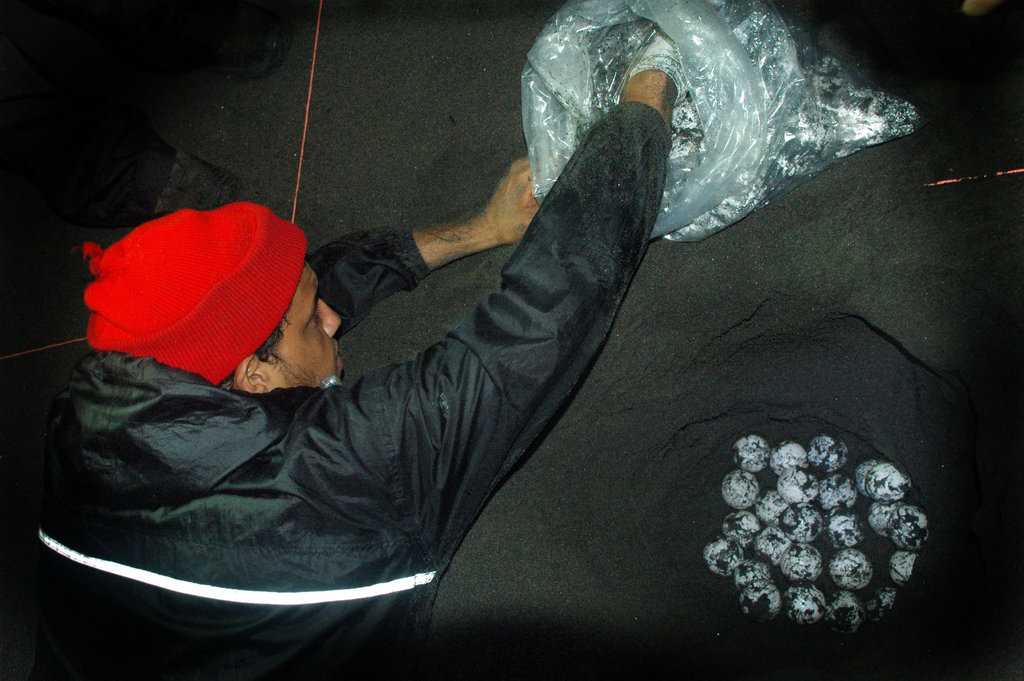
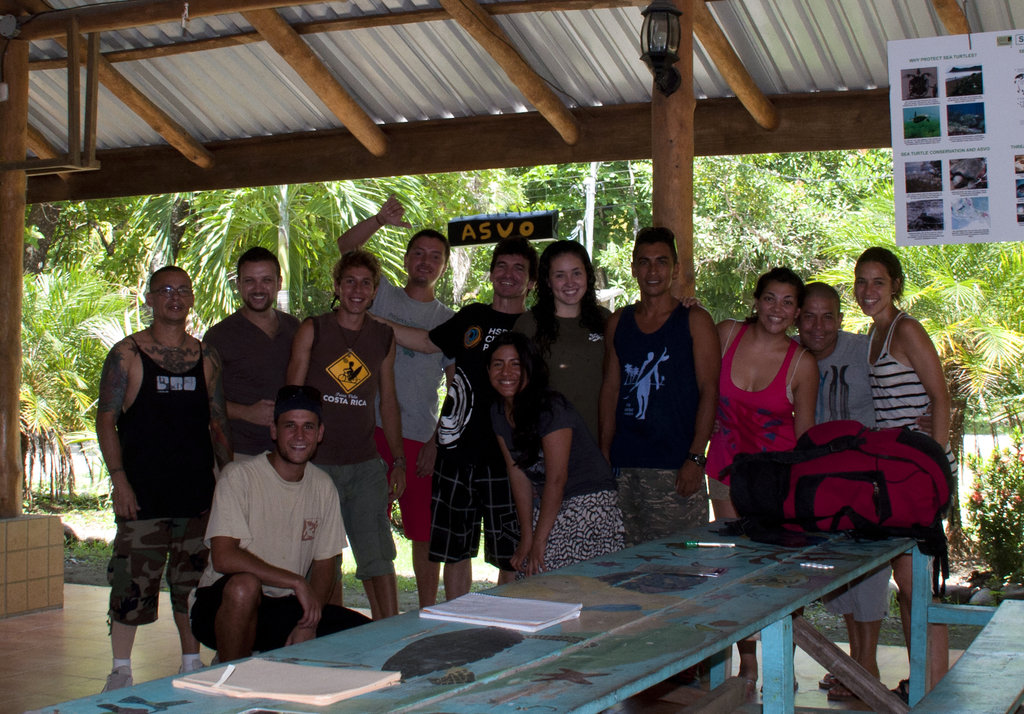
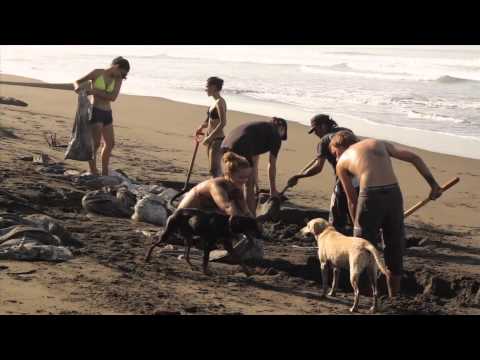
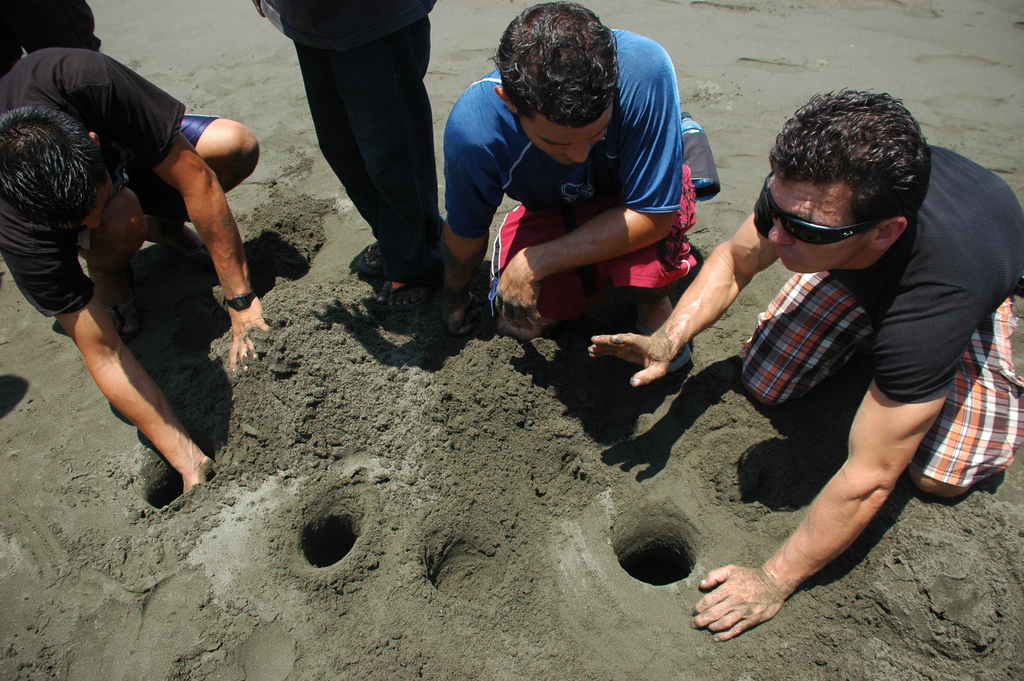
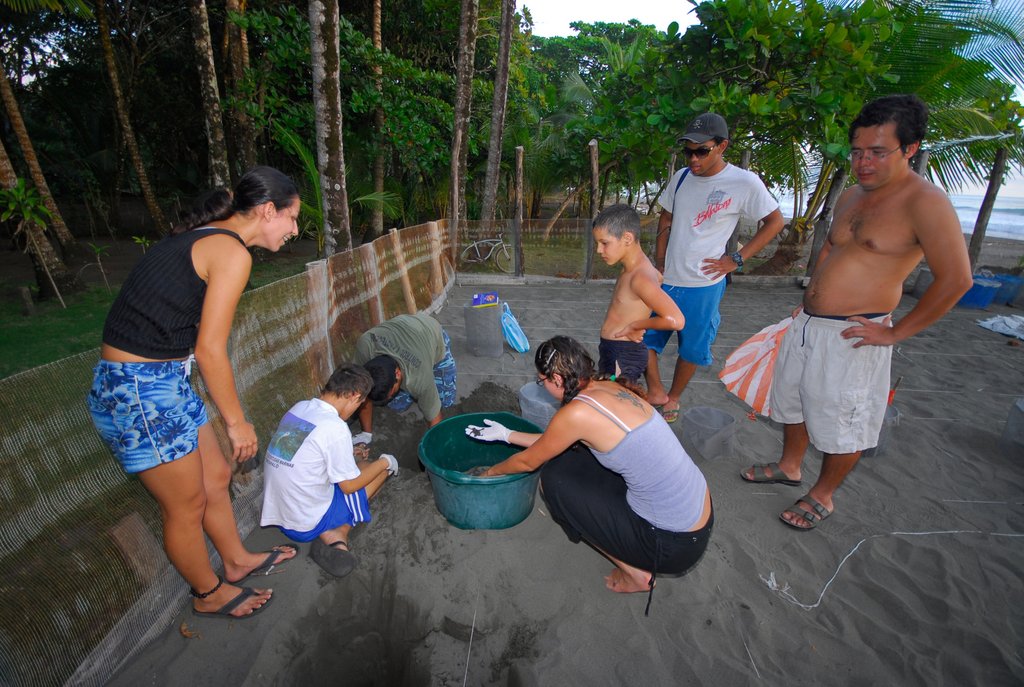
As the 2014 nesting season draws to a close in Playa Matapalo, we are already planning the next one. its has been a succesful year in many ways. The project has received many entusiastic volunteers and interns, we have an awesome team running the research, and we have had a 95% success rate in the hatchery.
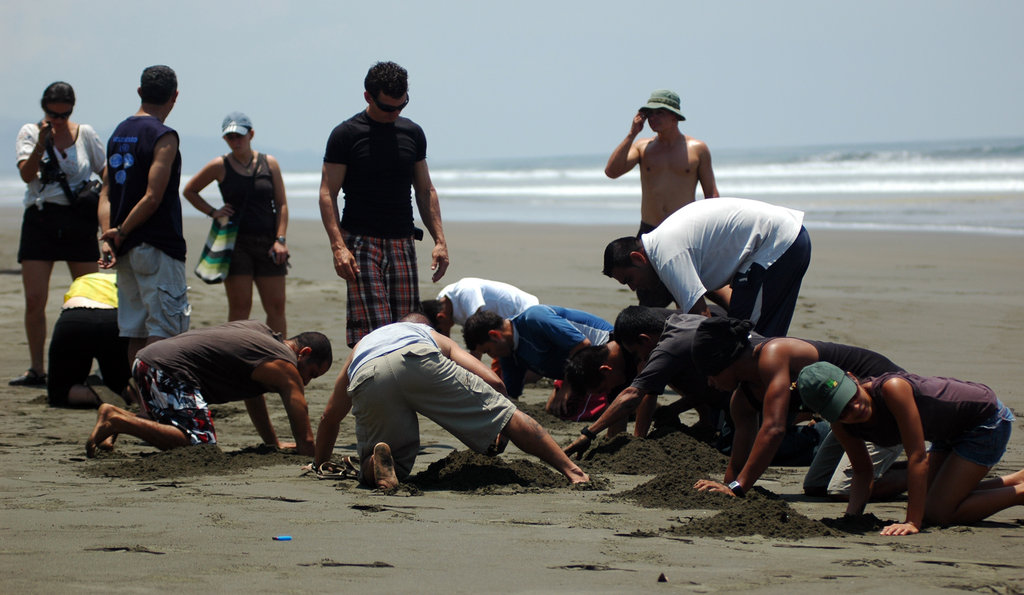
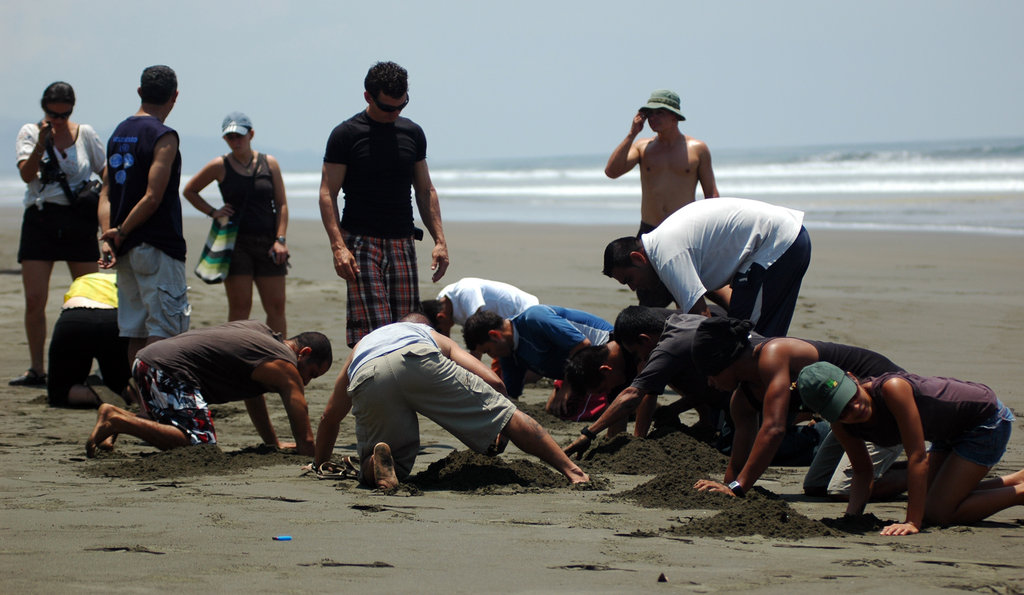
But still, in Matapalo we have to confront the illegal poaching problem on a daily basis. The poaching of turtle eggs is a common practice in coastal areas of Costa Rica, not due to malice or for making money, but out of necessity for an albeit humble income.
The past couple of nesting seasons we have been analyzing the interest of the community in turtle conservation. Although the generation of school children have been exposed to the idea of consevation for many years, through our environmental program, the parents and older generations still have a need to extract turtle eggs, and it is the only source of income in the area.
"The problem is that in order to get a job with a salary, the youth need to move to areas such as Quepos, San Isidro or even San Jose, and leave their families behind. If they choose to stay in the Matapalo area, there are no employment opportunities. This , combined with other social problems such as alcohol, creates a need for an income any way possible" says Mathilde Perez, a hopeful applicant to the program.
"If we can use our knowledge of the area, especially the knowledge of the beach and turtles, in order to make a living, many people in the village would be interested. It is providing us with a future, giving us the tools we need to create our own future, and we need to take advantage of this opportunity"
The word is getting around the village, that we are looking for responsible, motivated people to take part in this program.
All we ask in return is commitment, and a desire to change circumstances.
Links:
Project reports on GlobalGiving are posted directly to globalgiving.org by Project Leaders as they are completed, generally every 3-4 months. To protect the integrity of these documents, GlobalGiving does not alter them; therefore you may find some language or formatting issues.
If you donate to this project or have donated to this project, you can receive an email when this project posts a report. You can also subscribe for reports without donating.