By Nhi Tong | Communications Intern
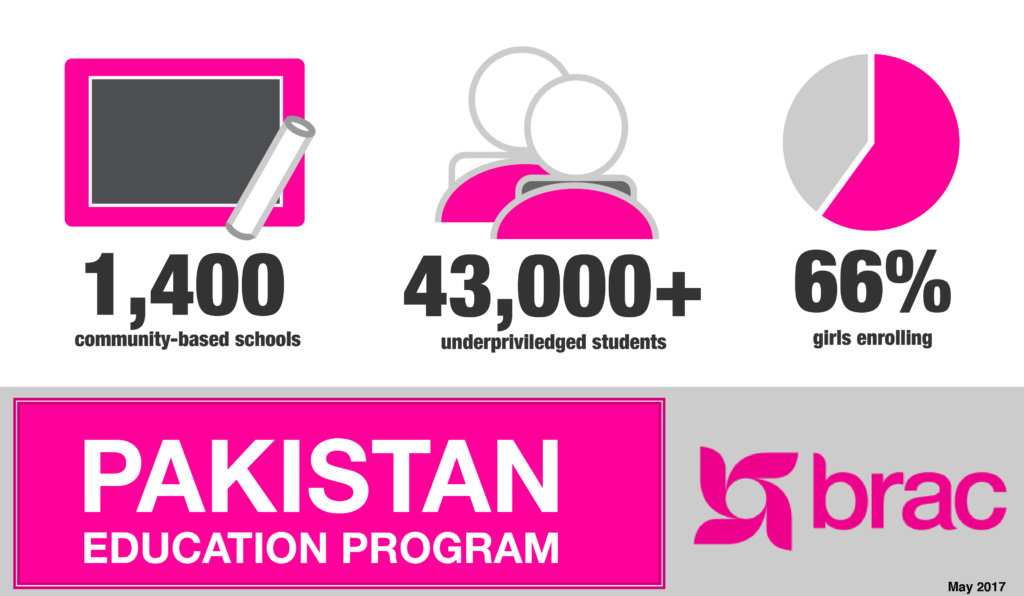
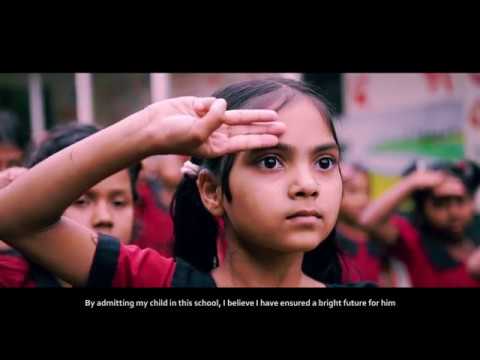
More than 43,000 students enrolled in 1,400 community-based schools over the last three years — that’s the incredible impact you have helped achieve by supporting BRAC’s unique education program in Pakistan.
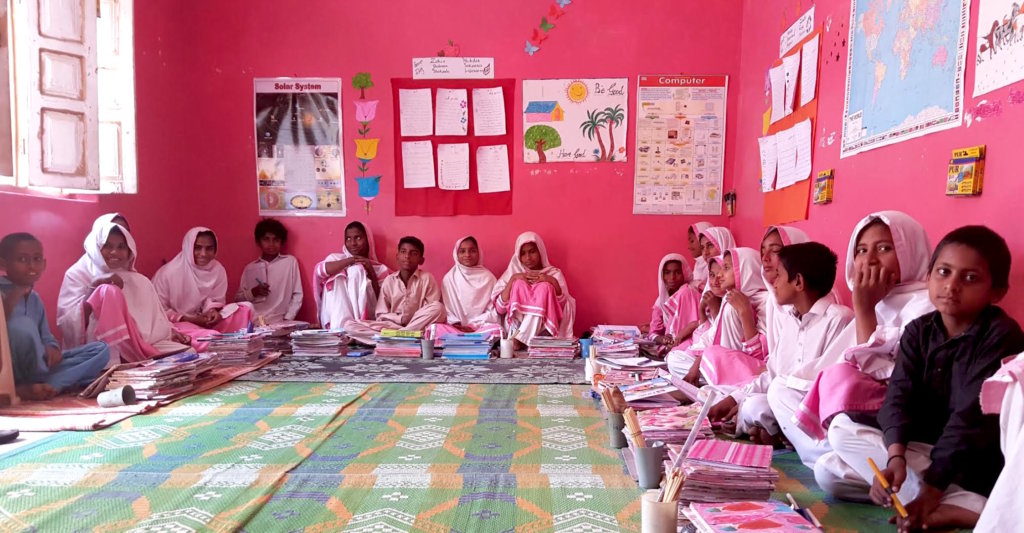
The community-based schools (CBS) project uses special, non-formal primary schools that are designed to provide an opportunity to disadvantaged and marginalized children left out of the formal education system due to extreme poverty, displacement, violence or discrimination.
In the last report, our team shared some of the program’s success, challenges and opportunities. Thanks to your support and a collaborative effort between the Pakistan government and BRAC, more than 5,500 students transitioned to government primary schools after graduating from BRAC schools.
BRAC has also helped grow Pakistan’s overall school enrollment rate and advance its gender ratio in school — bringing it to 66% female today. This is exciting progress on gender inequality in early childhood education.
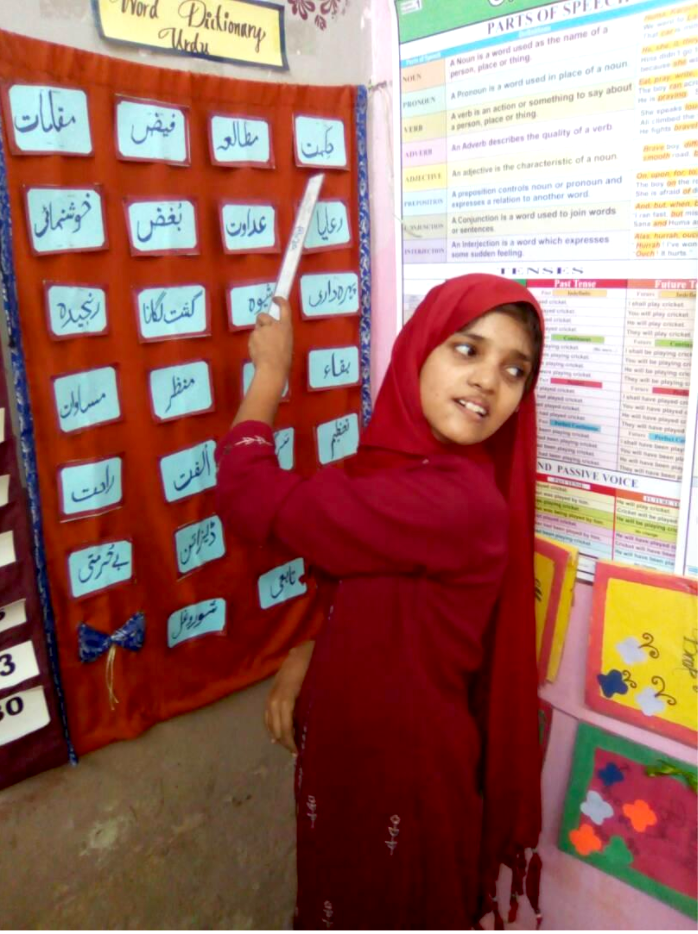
Fiza’s story is a strong example of BRAC’s gender equality initiative. An energetic, 11-year-old student who enjoys math problems and adores classmates, it is difficult to imagine that Fiza was recently unable to attend school because of her physical and intellectual disabilities.
Fiza was born in a rural area affected by water and electricity shortages. Boys work from an early age while girls are tasked with household chores and take care of siblings. Her father struggled to support the family of five children because of his own disability. Fiza was quiet and reserved.
While working in the community, BRAC met Fiza and suggested to her parents that they enroll her in a recently opened BRAC school. In the supportive environment of the BRAC school, over time Fiza blossomed into a cheerful and hard-working student. Today, her teachers say she is a source of inspiration.
Fiza’s family is one of many that cannot afford an education for their children because of its high cost in Pakistan, where enrollment rates are among the lowest in the world. BRAC’s holistic approach uses non-formal schools and low-cost classroom materials, raises awareness about the importance of early childhood education, and trains local teachers that are selected from the community.
Besides students, BRAC’s education program engages community members using school management committees (SMCs). Each SMC has seven members, made up of parents and community members. They organize activities that help ensure a quality education for students, like identifying school needs and increasing the number of female teachers. The program currently operates about 1,500 SMCs with almost 10,000 participants.
BRAC also connects local teachers with technical training to improve the overall quality of the program and increase sustainability. In all, over 500 training sessions were held in various subjects, and teachers reported feeling more confident afterward.
Education is a lifelong effort that requires patience and dedication. Thank you for playing an important part in that journey for so many Pakistani students. We hope you will continue to walk with us on this path of hope — ensuring a quality education for students, transforming lives and, child by child, breaking the cycle of poverty.
Project reports on GlobalGiving are posted directly to globalgiving.org by Project Leaders as they are completed, generally every 3-4 months. To protect the integrity of these documents, GlobalGiving does not alter them; therefore you may find some language or formatting issues.
If you donate to this project or have donated to this project, you can receive an email when this project posts a report. You can also subscribe for reports without donating.