By Alicia Tauro | Project Coordinator
Play is the most fundamental element of childhood. It contributes to the overall development of a child- physically, mentally and emotionally. Moreover, Article 31 of the United Nations Convention on the Rights of the child (UNCRC) has recognized the right to leisure and play for every child as a fundamental right. As per this right, it is the responsibility of parents, civil society and the state to ensure that a child is not deprived of the right to play – either due to social reasons or structural causes.
Social reasons include high incidence of child labour in low-income communities where a child is deprived of their right to education and their right to play/leisure/rest. A child is forced to work in order to meet the family’s financial needs. There is also a lack of faith in the system of education where parents feel that even after studying children will not be able to get a good job to pull them out of poverty. In contrast, there are many children who are also facing increasing educational pressure, private tuitions and other religious teachings, owing to which children have very limited time to play. Structural reasons include the lack of public and open spaces for play, increasing gentrification of public spaces, and the failure of the state and communities to render spaces safe for all children, especially those with special needs.
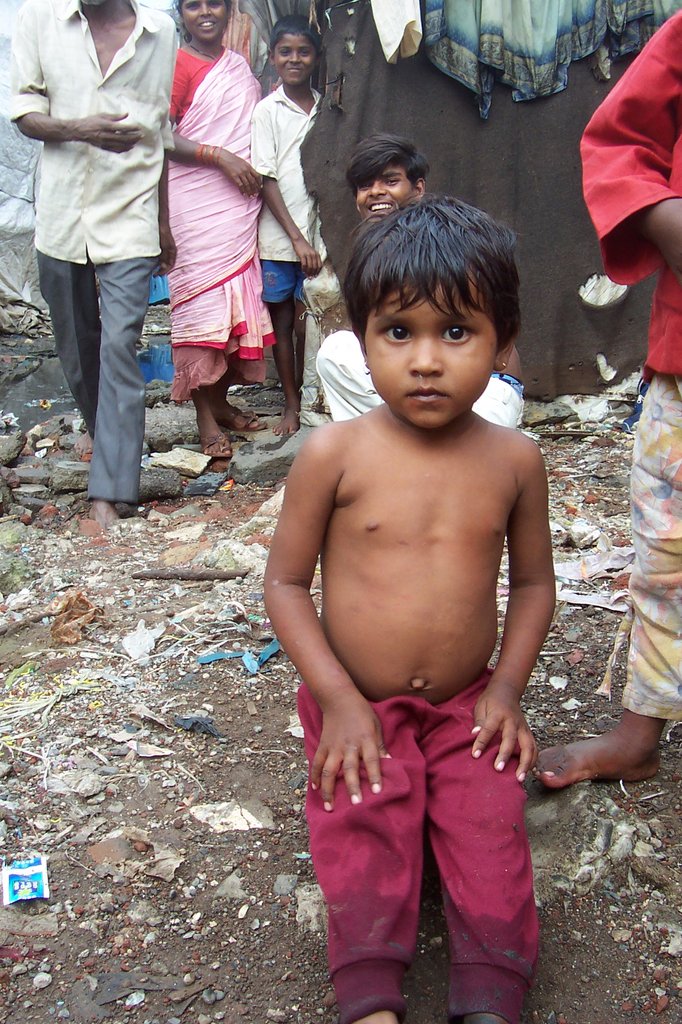
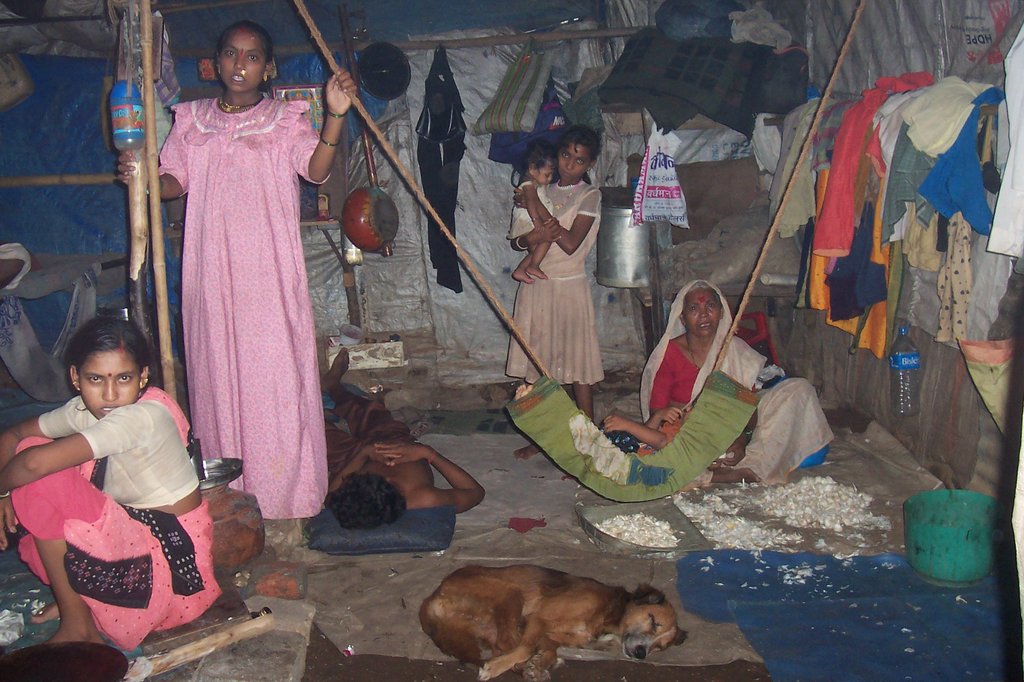
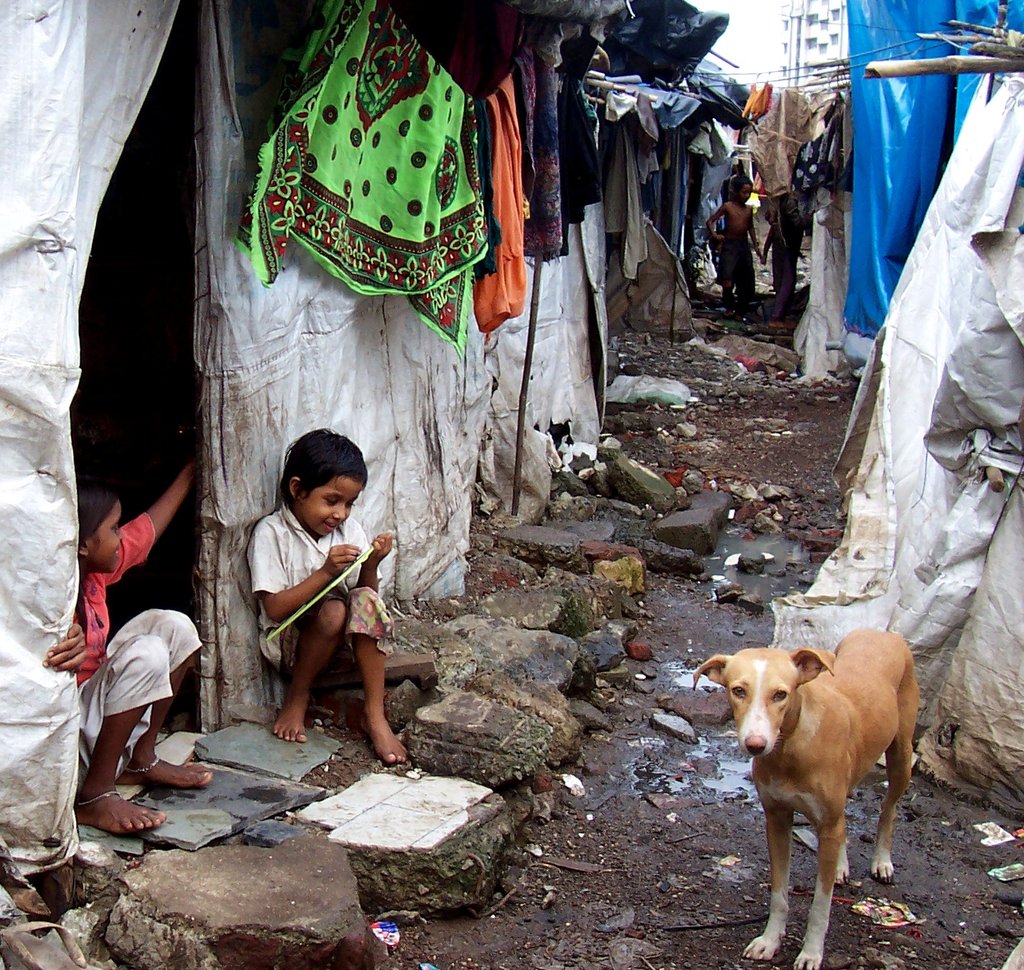
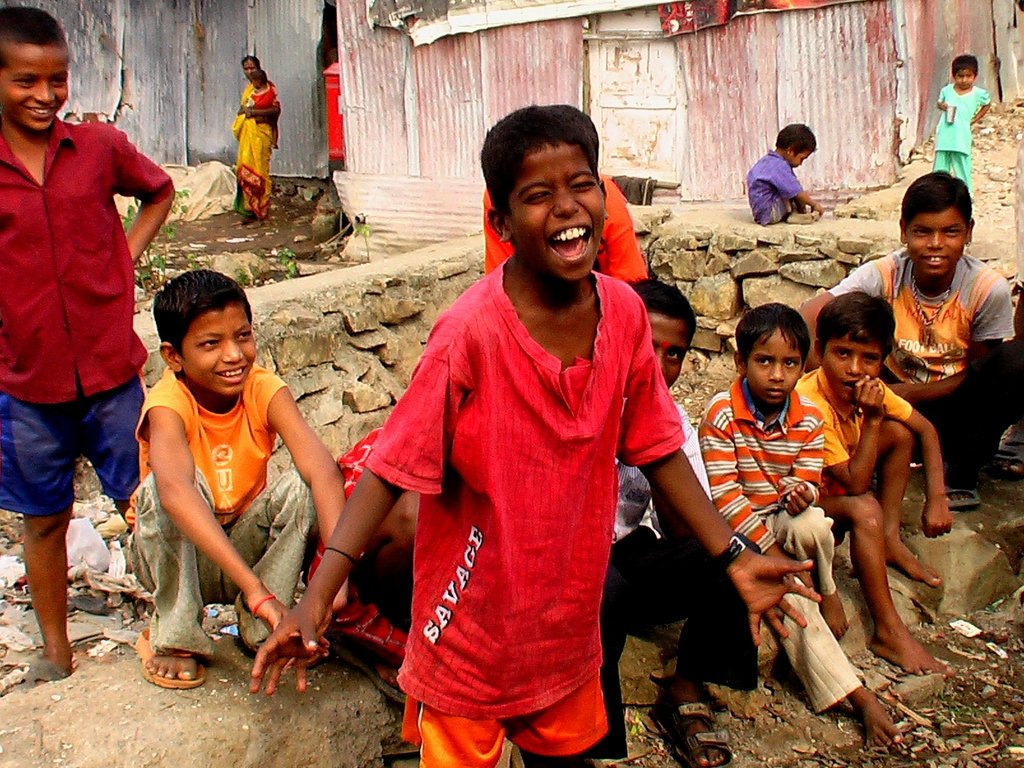
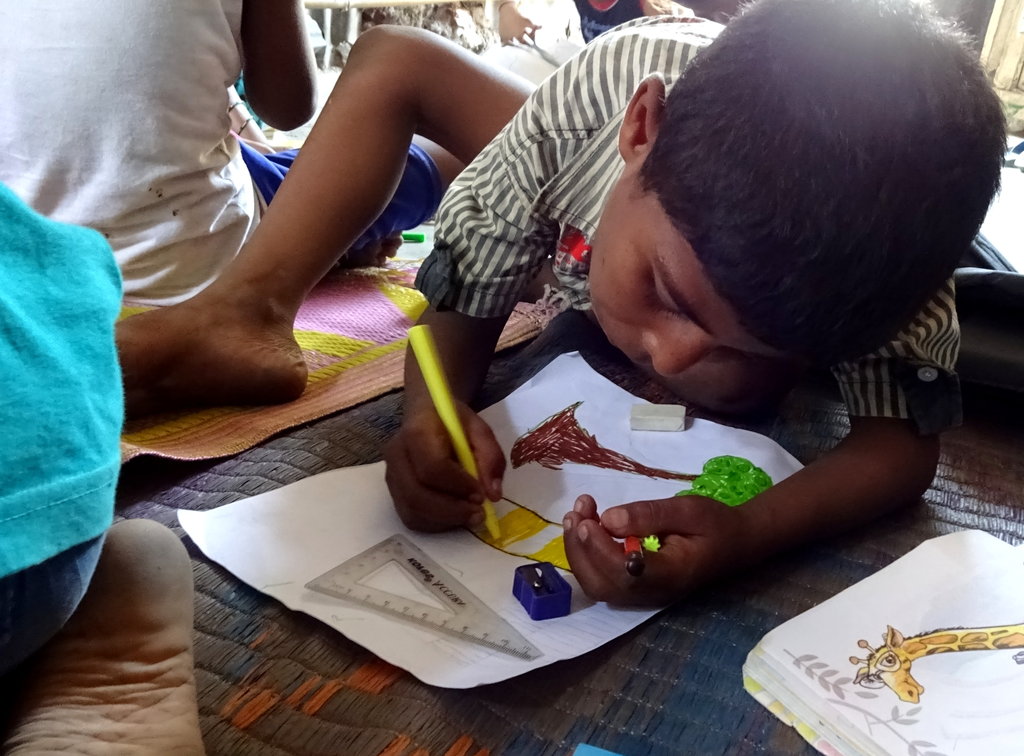
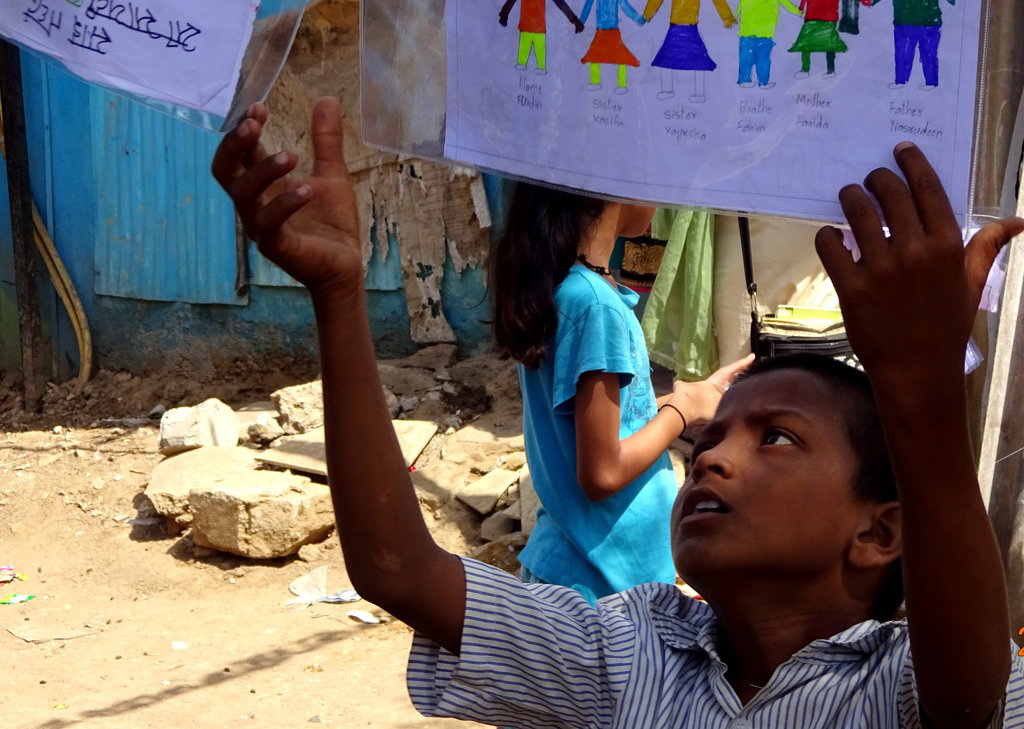
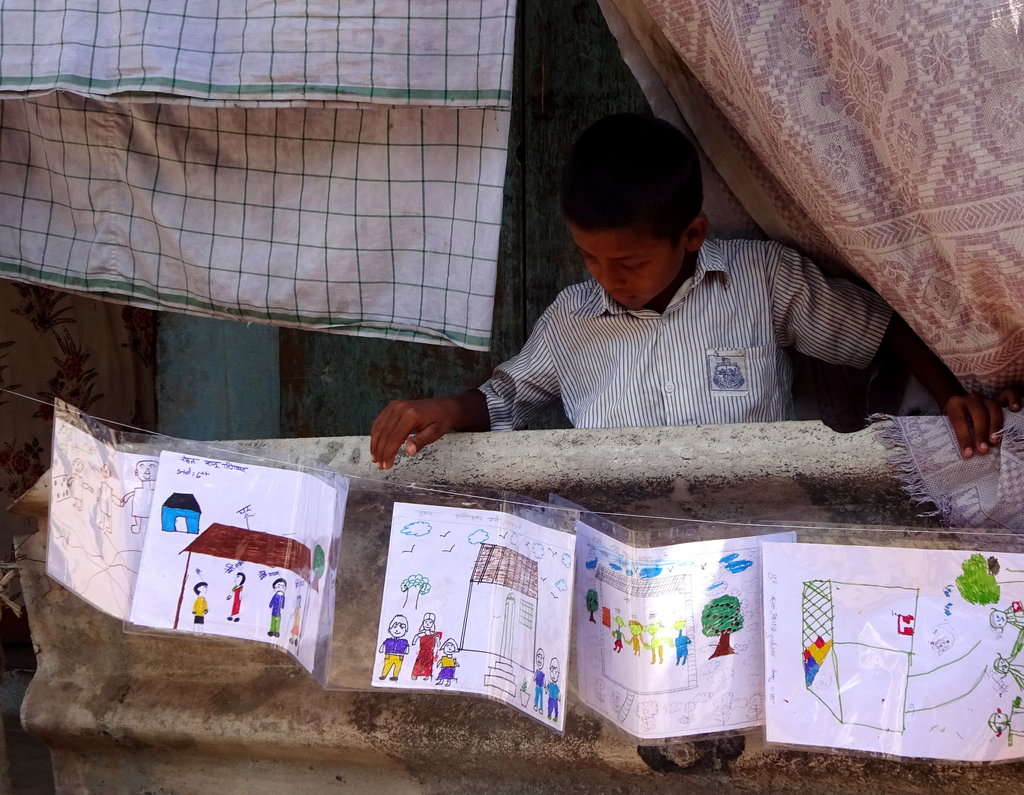
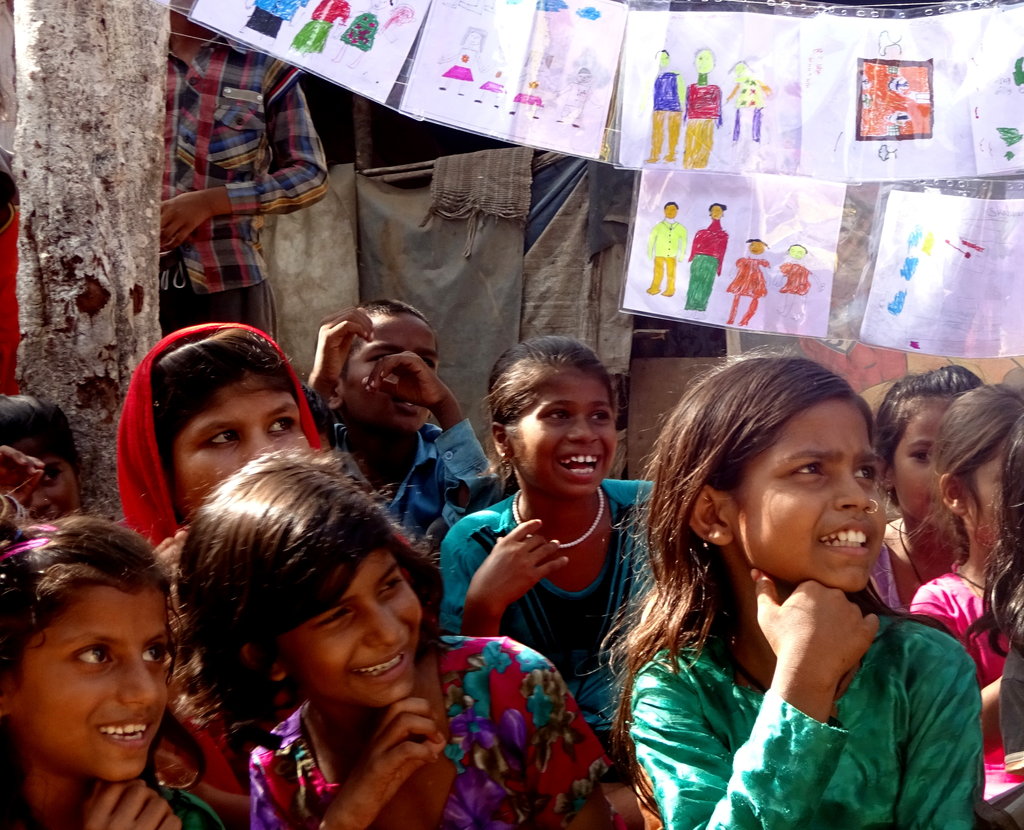
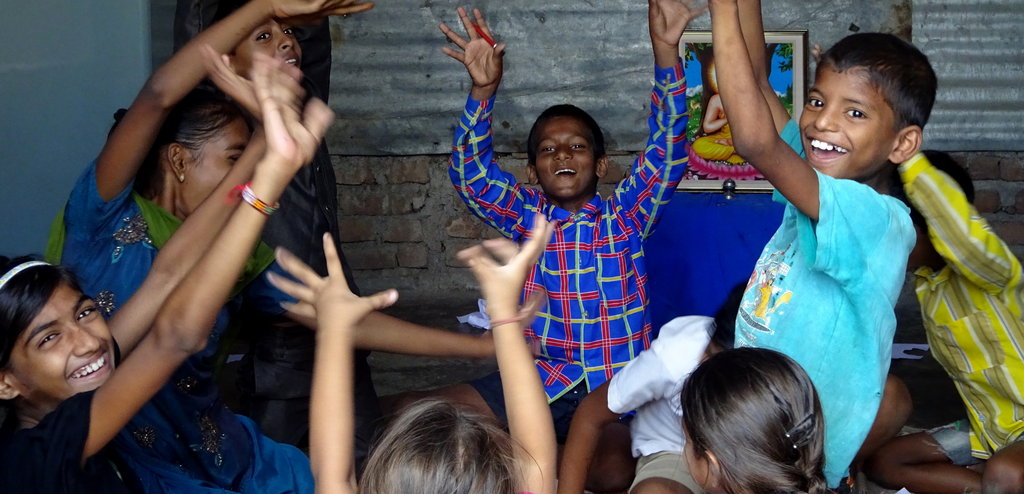
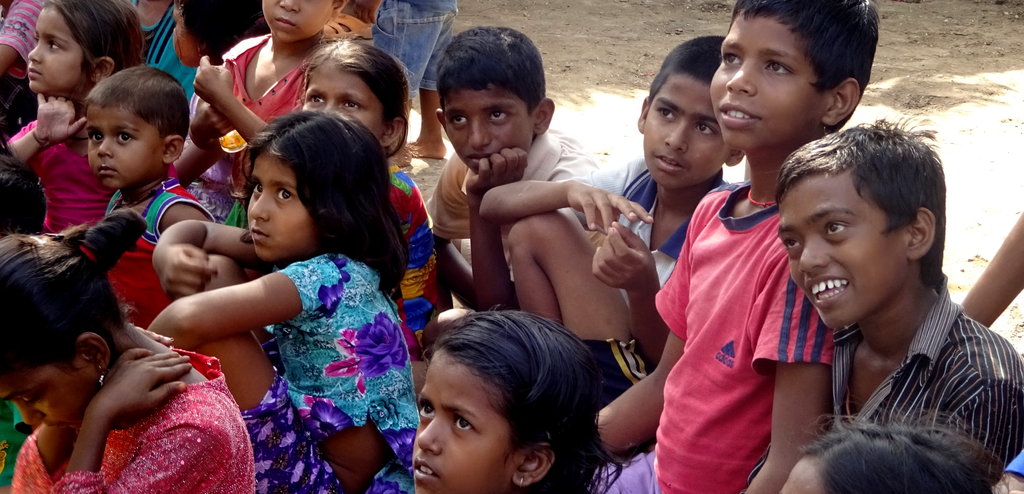
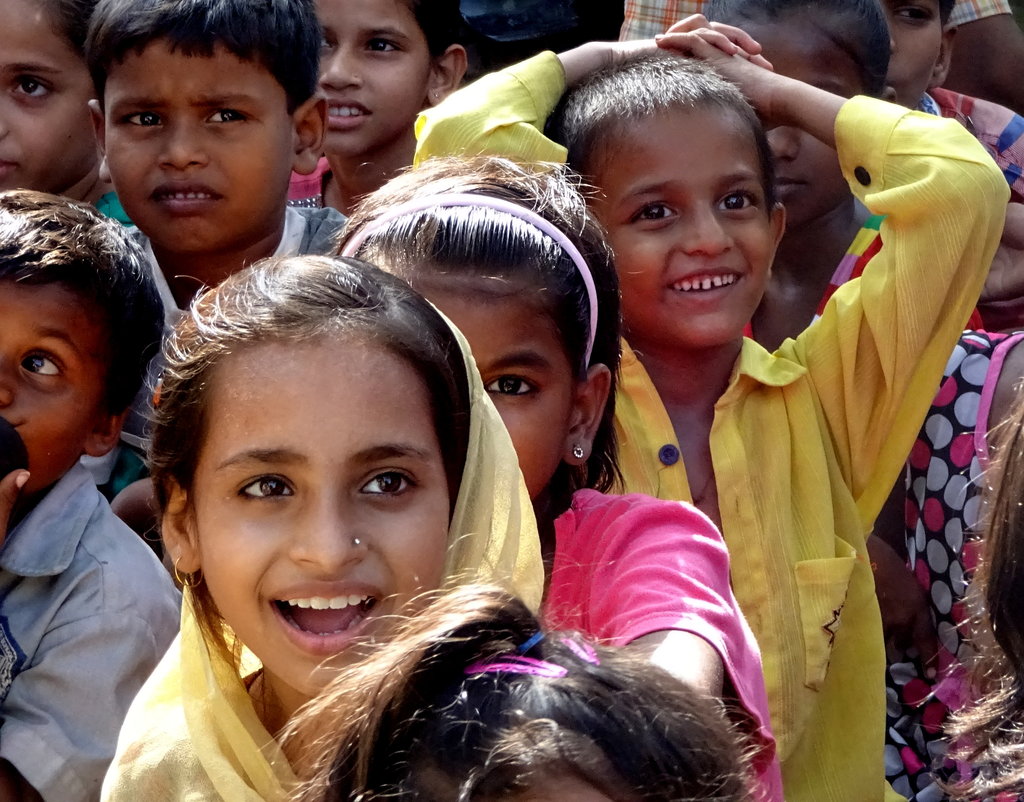
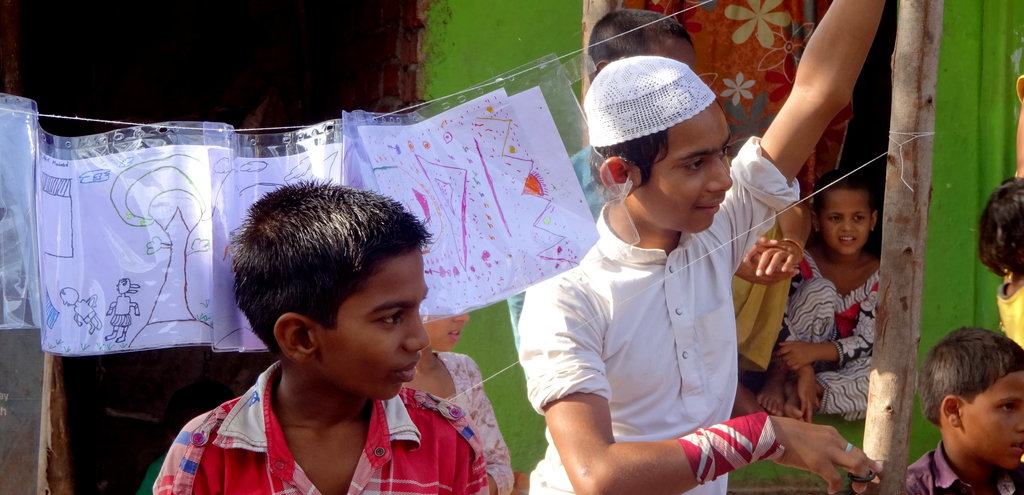
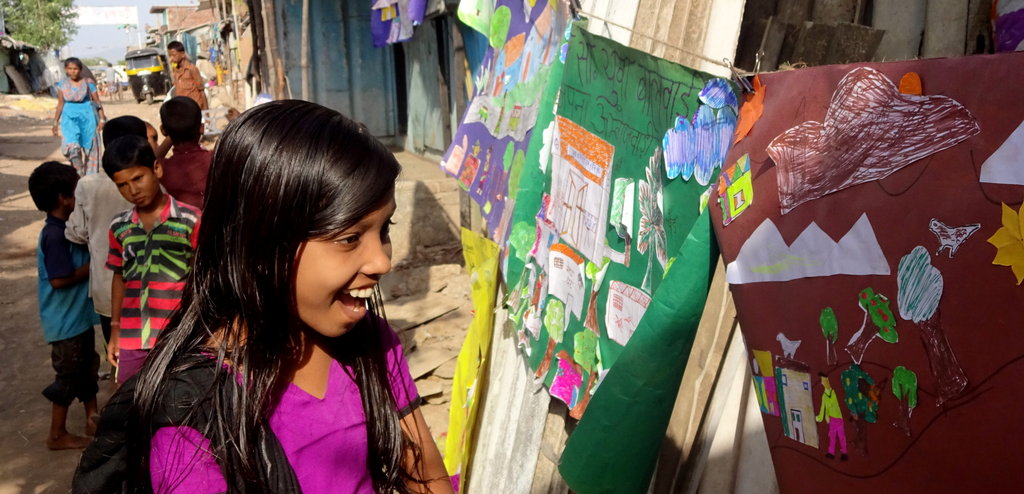
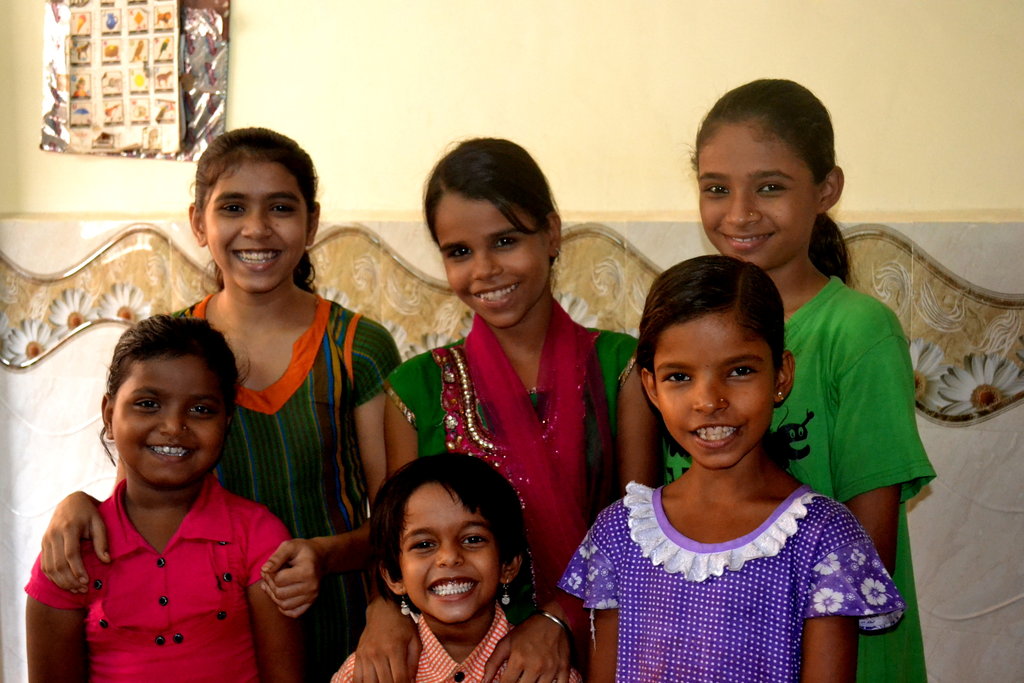
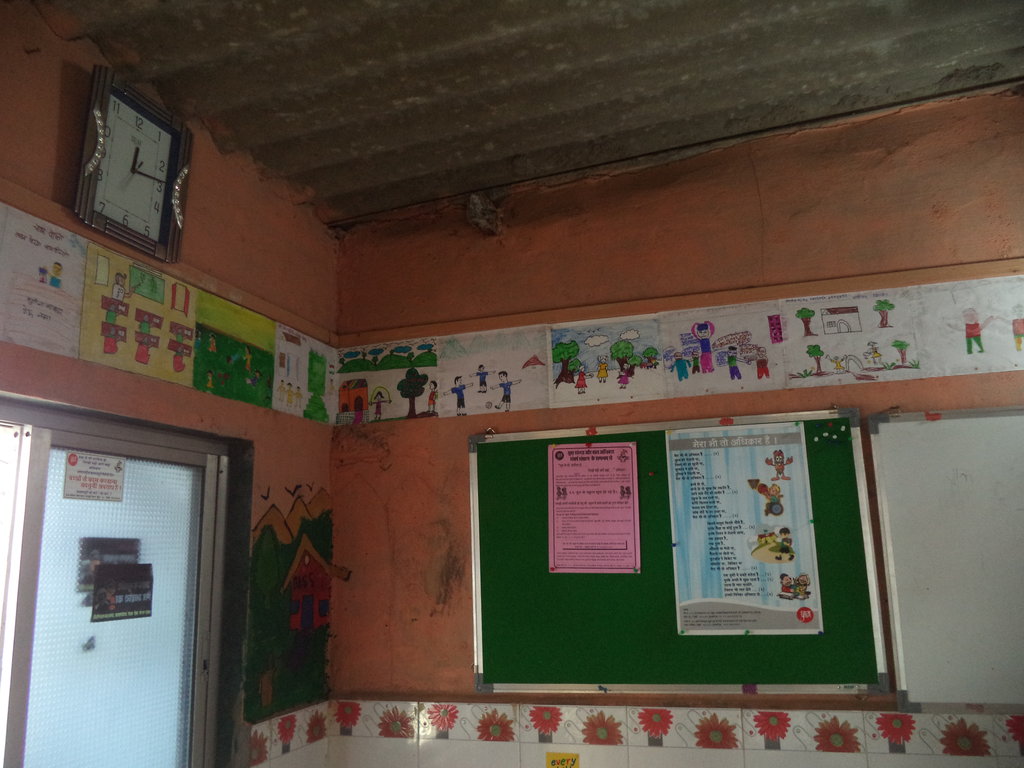
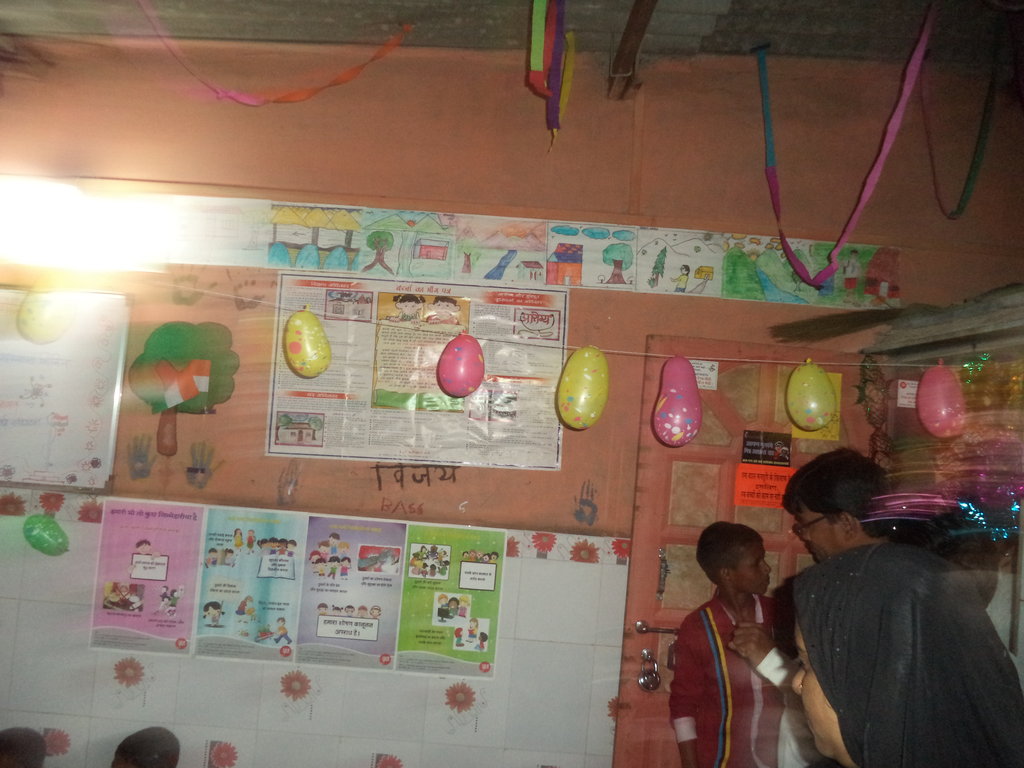
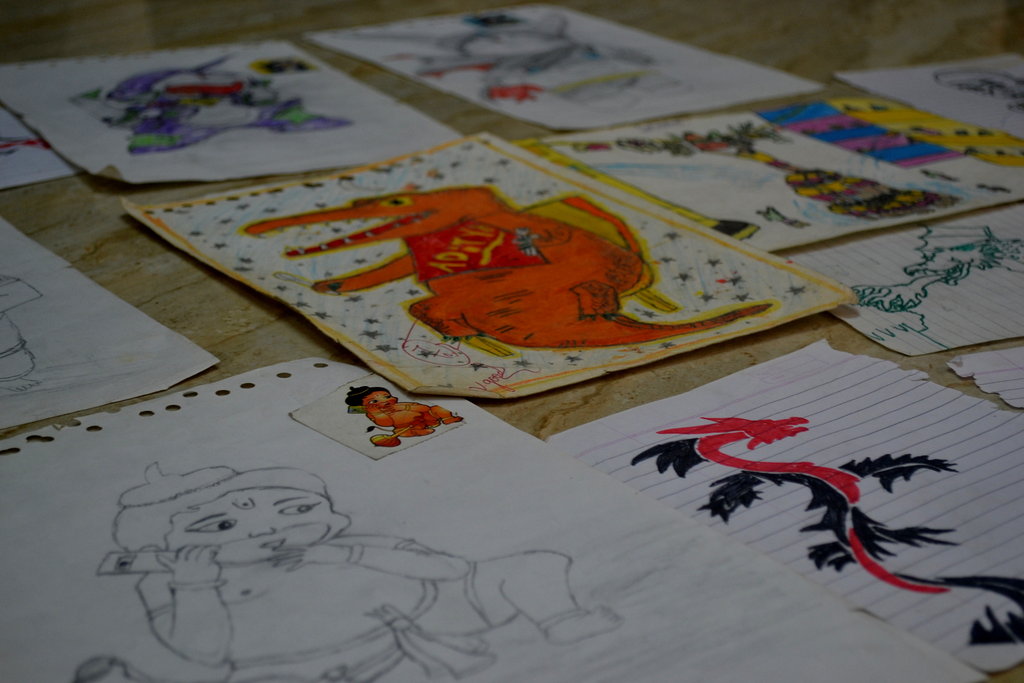
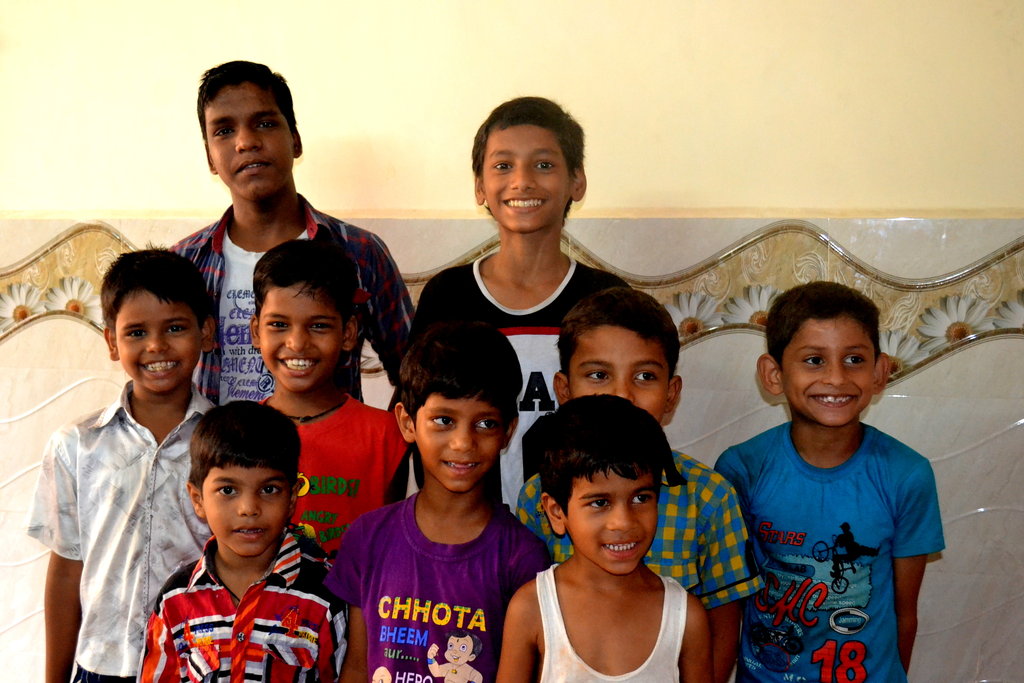
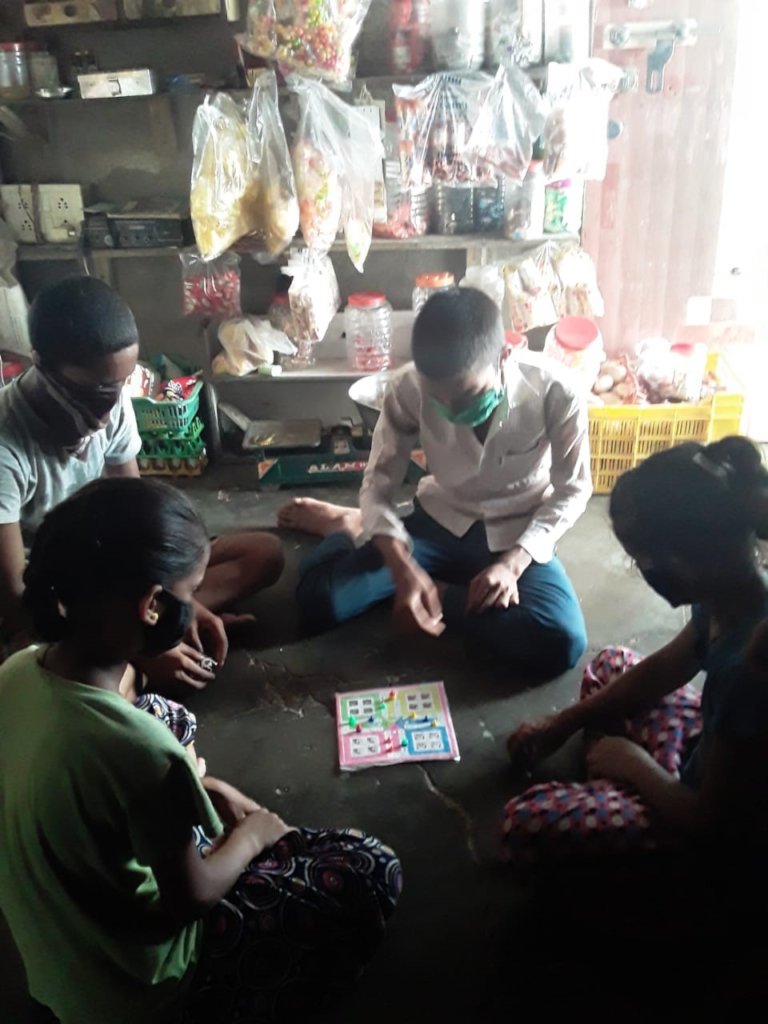
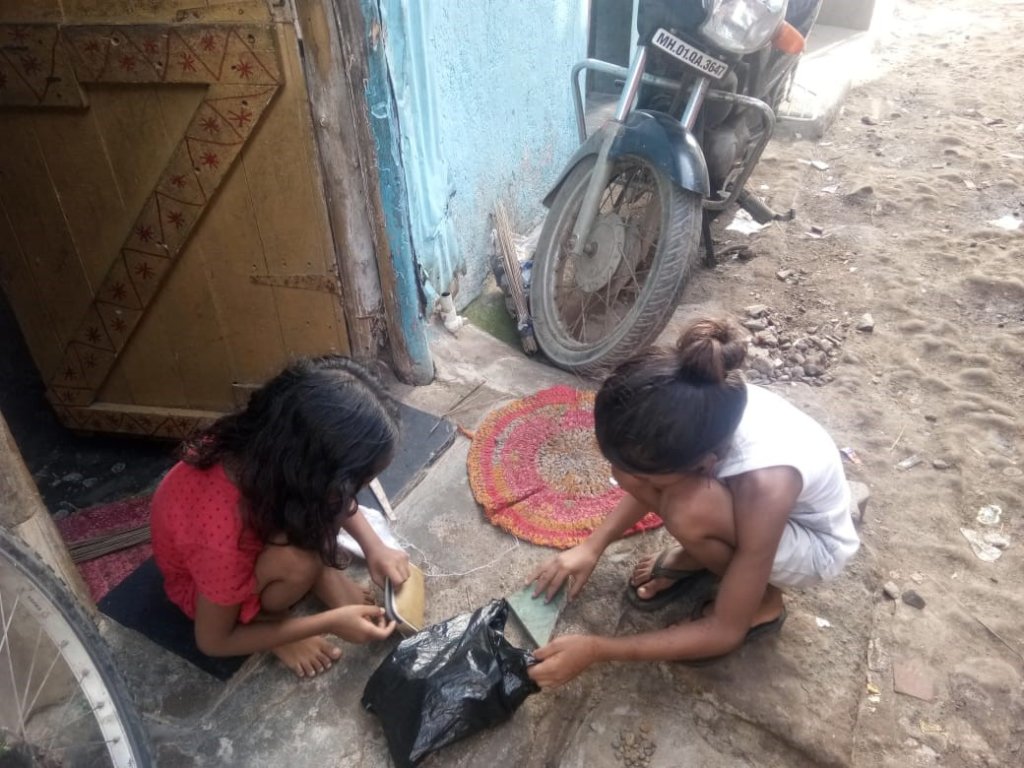
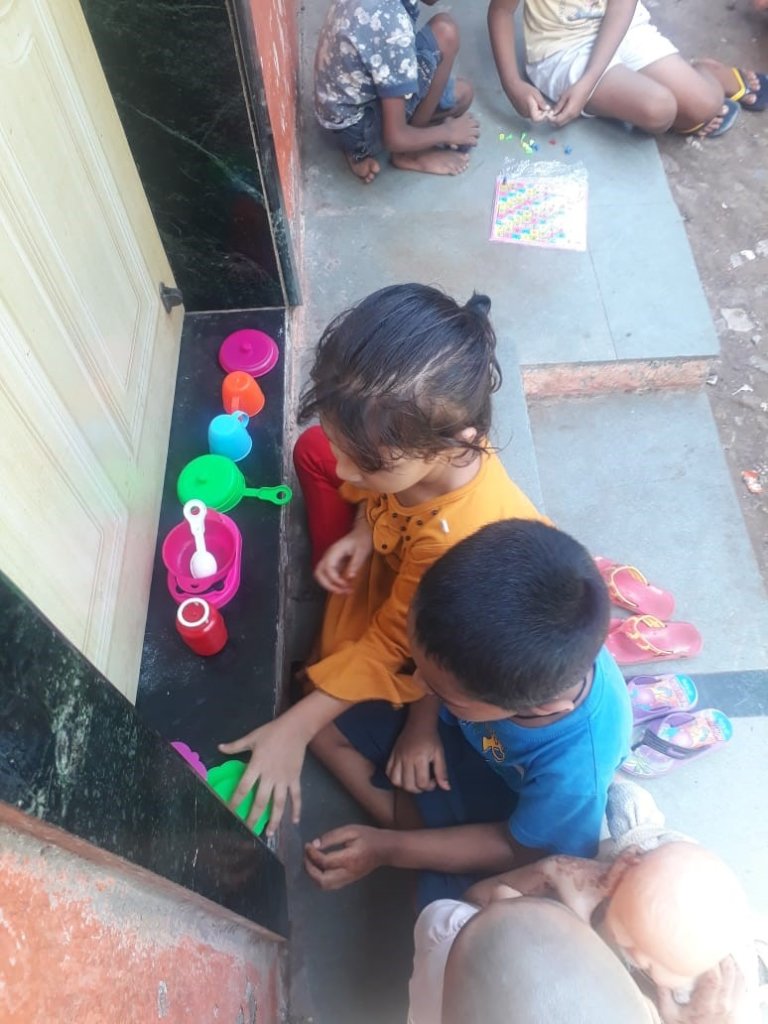
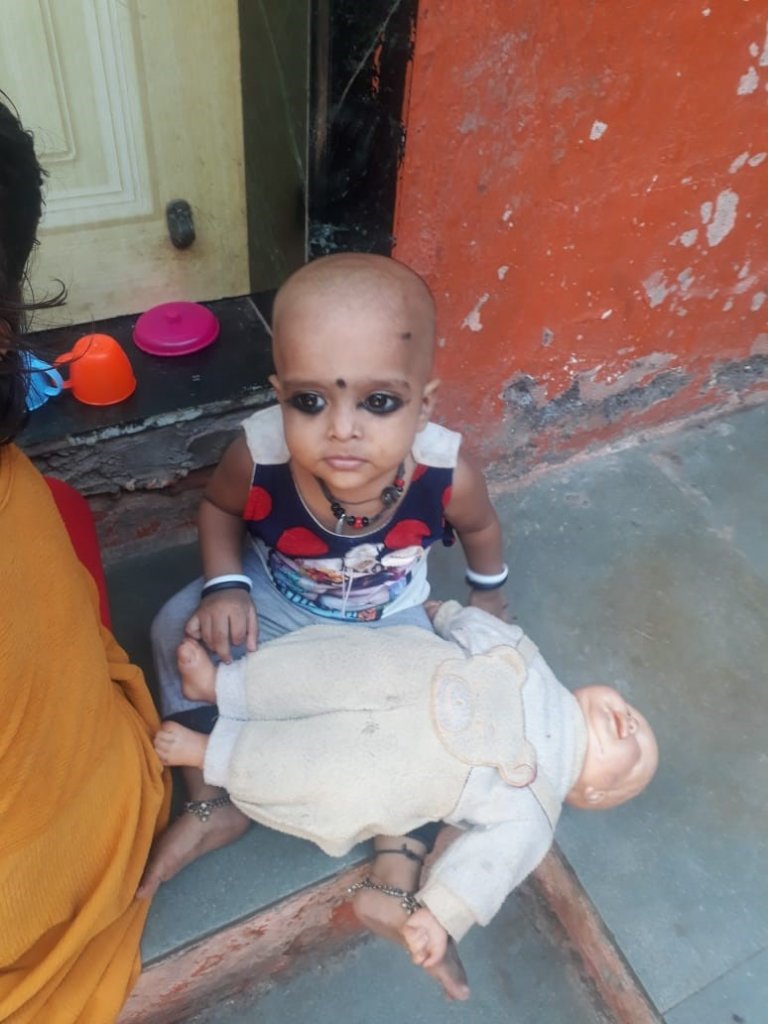
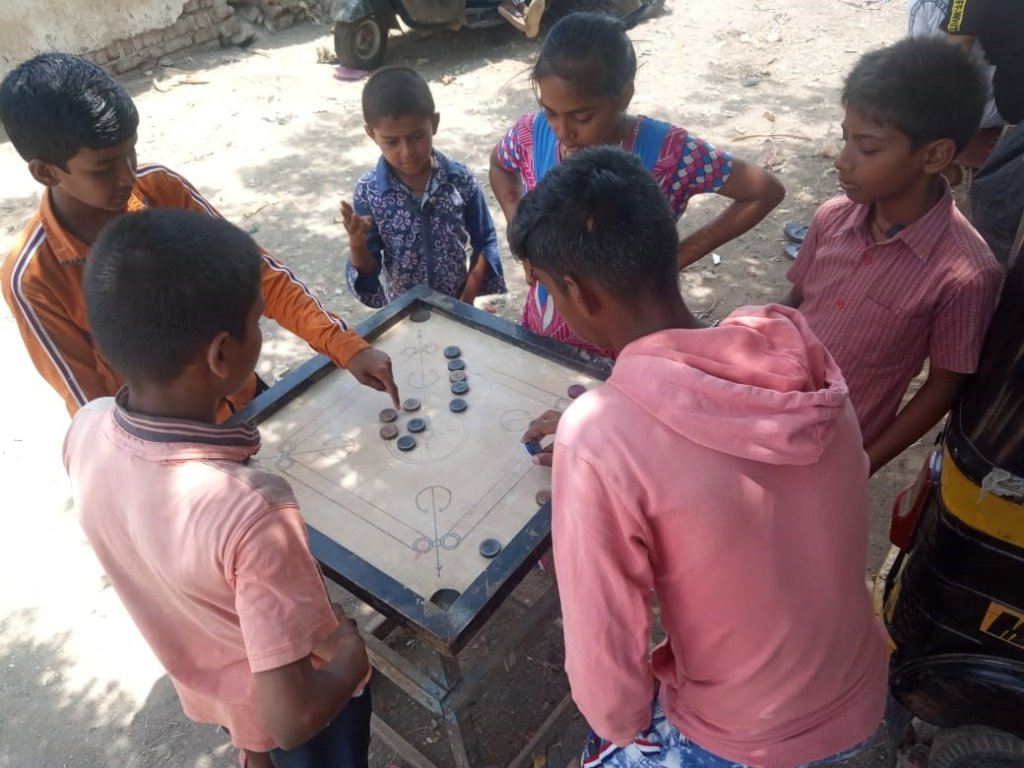
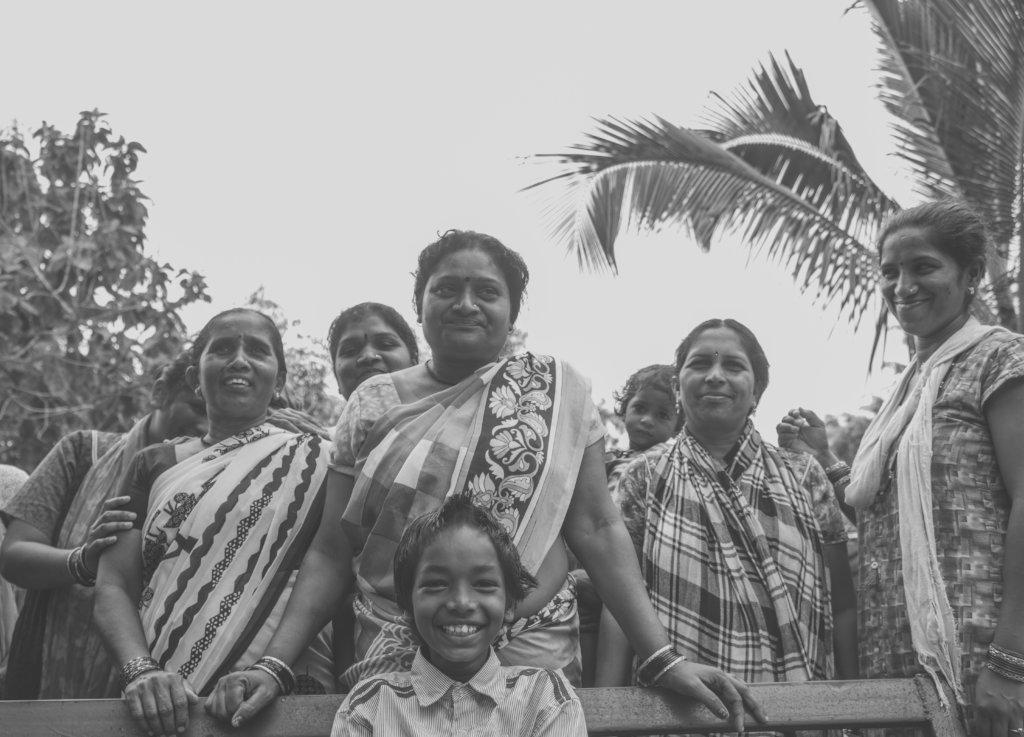
Despite these reasons and the current situation of the global pandemic, children continue to find ways to play at home and in their gullies (alleys/lanes) where they live. This international play day on the 28th of May on the theme of “Play is more than just a physical activity…“ In effect, children are playing creative indoor games and traditional games in the community. The following pictures provide a glimpse of the celebration of World Play Day in the community.
Play breaks barriers of gender, religion, caste, language and brings children on one platform. Indoor games are also inclusive to children with a physical disability. Children as a group are inclusive and welcome all others. The lockdown has interrupted the study and play a schedule of children. They are, however, trying to get back by making a daily schedule and log of activities and engaging themselves creatively.
Project reports on GlobalGiving are posted directly to globalgiving.org by Project Leaders as they are completed, generally every 3-4 months. To protect the integrity of these documents, GlobalGiving does not alter them; therefore you may find some language or formatting issues.
If you donate to this project or have donated to this project, you can receive an email when this project posts a report. You can also subscribe for reports without donating.