By Yagna Parmar | Co Project Director
Dear friends,
Thank your for your support.
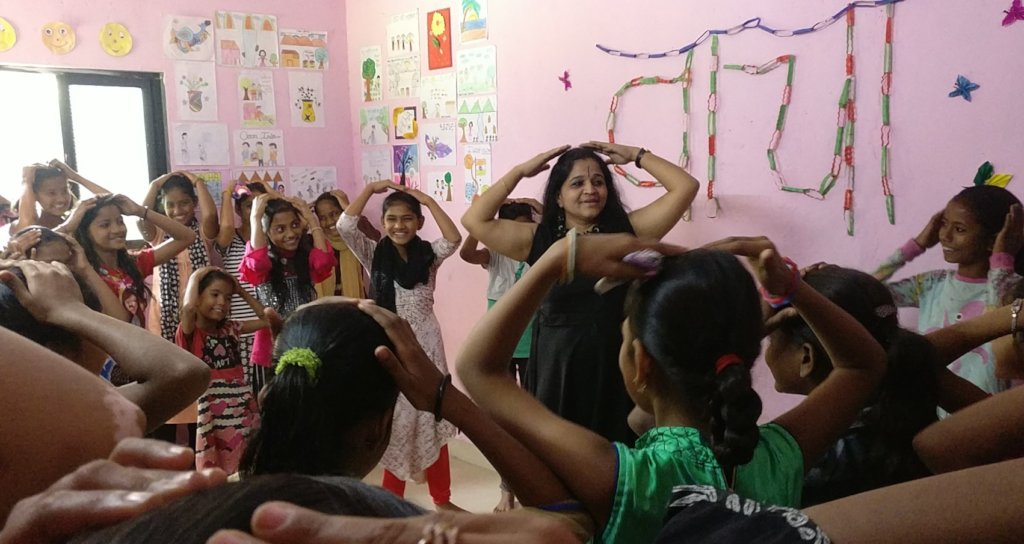
Along with countless special days, festivals and religious holidays in India, some new Western special days are now being celebrated in Indian cities and districts , Valentine Day is one such special day. Vacha works with youth from deprived communities where old conservative norms still prevail. Not just dating but even friendship with a person of the opposite sex is frowned upon. The elders would not allow permission for any celebration but the young people do manage to get together. Secretly some youths often become involved with the other sex and refer to them as boys friends and girlfriends. Others are also attracted to ideas of love and romance. Vacha organized workshops to discuss the concepts of love and romance in local cultural traditions. Can romance lovingly support ideas of gender equality? What do the popular love songs suggest? What price a girl would have to pay if found involved with a boy? A discussion was essential and we had to be careful and not delegitimize sweet feelings they develop after arrival of puberty.
Romance often progresses in to becoming sexually active, a phenomenon just not allowed. Contraceptives are freely available. Abortion is legal and, in public hospitals, it is free. But Sex Education is banned in schools. Our programme participants get ideas of sex from porn on cell phones, dirty drawings in public toilets, ads for contraceptives and abortion clinics and watching married couples’ lovemaking in their small crowded hutments. The sessions on Romance were very well received and youth asked many questions related to sex. We generally put these issues in our Health and Gender workshops as legally Sex Education is not allowed and there is a dire need for youth to understand the issues in context of various sexually transmitted diseases including HIV and AIDS.
Giving flowers and love messages and gifts are fine and cheerful. However, in deprived communities Romance had also to be discussed in the background of their own life in communities as they have largely migrated to areas in Mumbai and nearby in search of livelihood. They bring with them orthodox traditions and mindsets and their children have to cope with new concepts in a new reality.
Project reports on GlobalGiving are posted directly to globalgiving.org by Project Leaders as they are completed, generally every 3-4 months. To protect the integrity of these documents, GlobalGiving does not alter them; therefore you may find some language or formatting issues.
If you donate to this project or have donated to this project, you can receive an email when this project posts a report. You can also subscribe for reports without donating.