By Dr. Laila Risgallah Wahba | Founder, Not Guilty
When a crime occurs, most people instinctively ask what happened and who was responsible.
Yet when abuse is disclosed, survivors are often met with a different set of questions:
"What were you wearing?"
"Why didn't you leave?"
"Why didn't you tell someone sooner?"
Questions like these may seem harmless, but they reveal a deeper problem. Instead of examining the actions of the person who caused harm, attention is shifted to the person who was harmed.
At Not Guilty, we believe this mindset contributes to silence, shame, and continued cycles of abuse. That is why our work extends beyond helping survivors heal. We are committed to changing the culture that allows abuse to flourish in the first place.
Our Hierarchy of Impact
1. Prevention Through Awareness
The most effective way to reduce abuse is to prevent it before it happens.
Many people recognize abuse only in its most extreme forms. As a result, warning signs are missed, unhealthy behaviors are normalized, and victims often struggle to identify what they are experiencing.
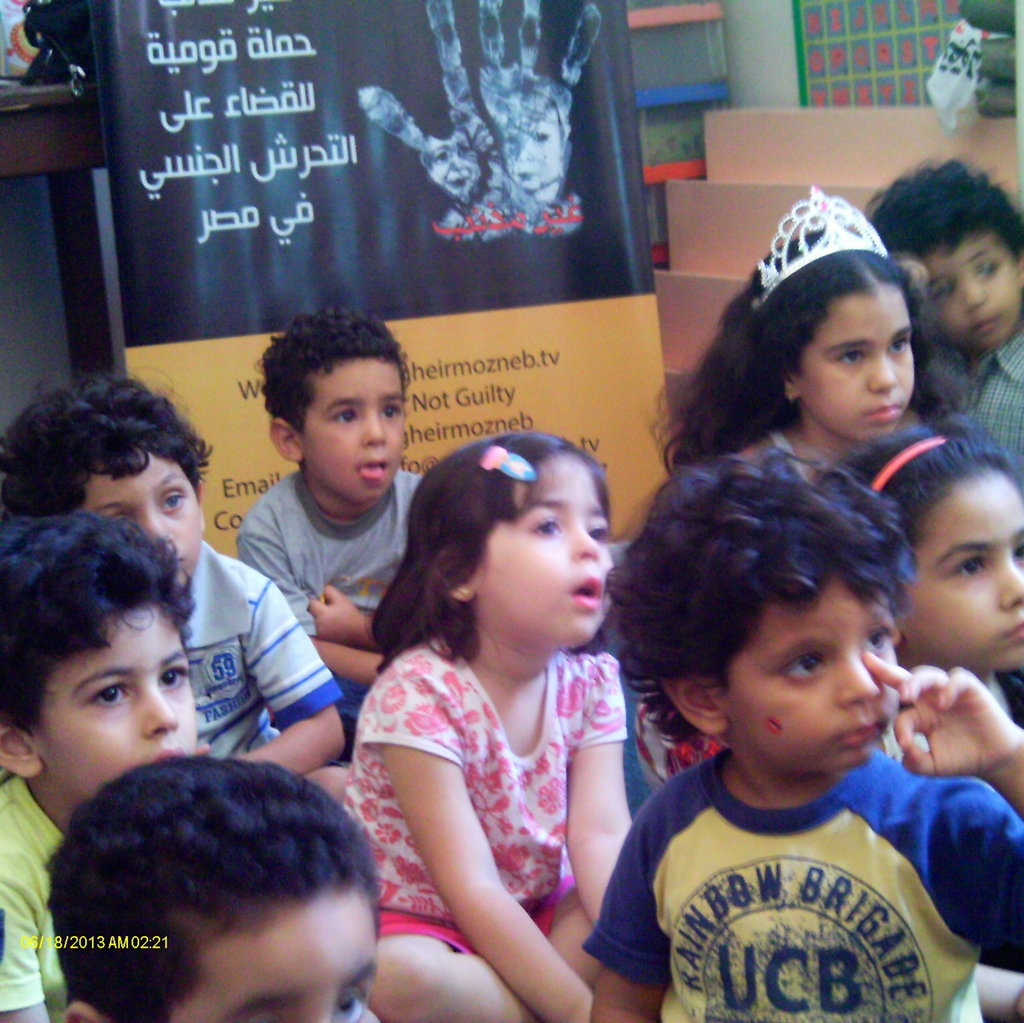
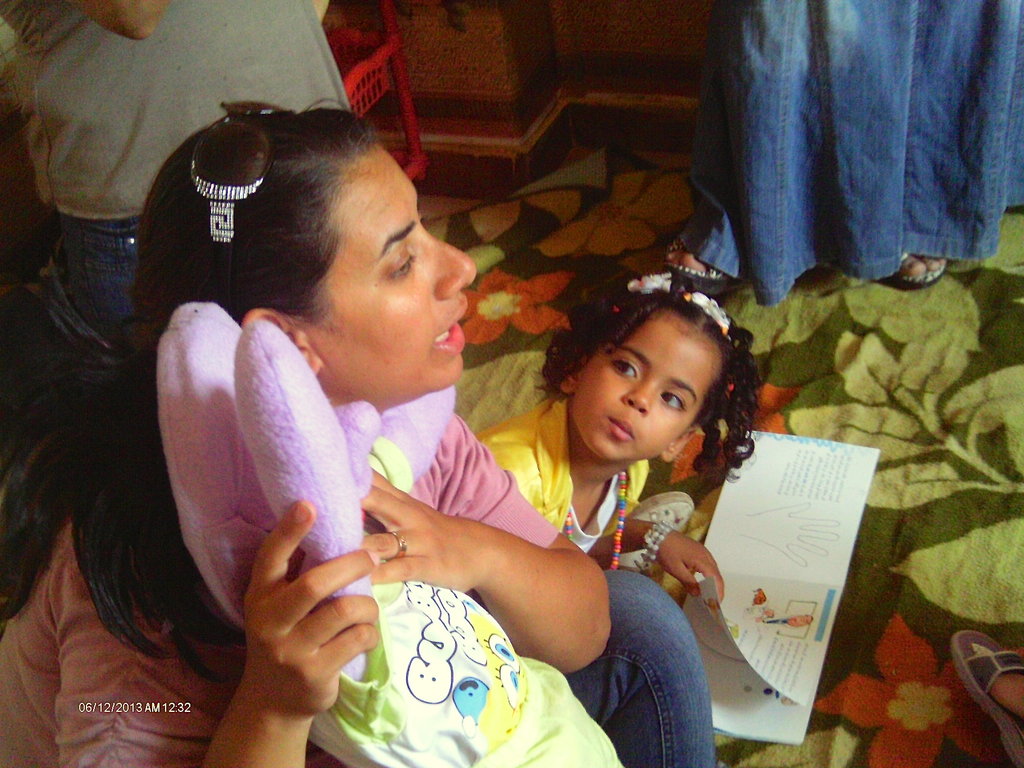
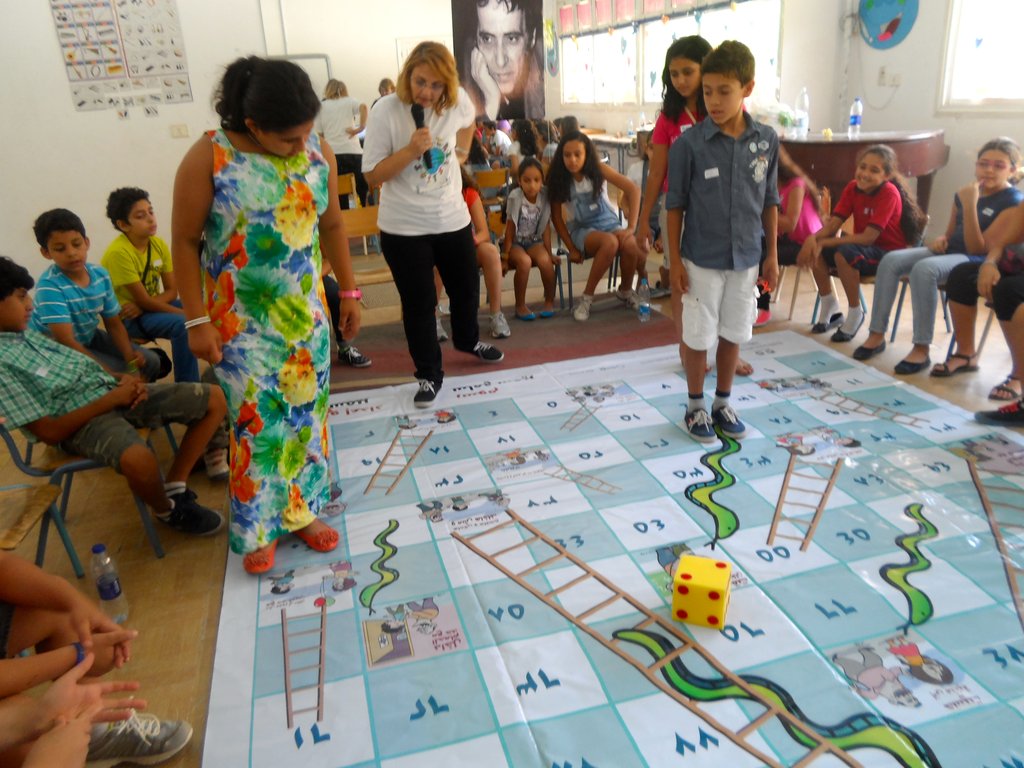
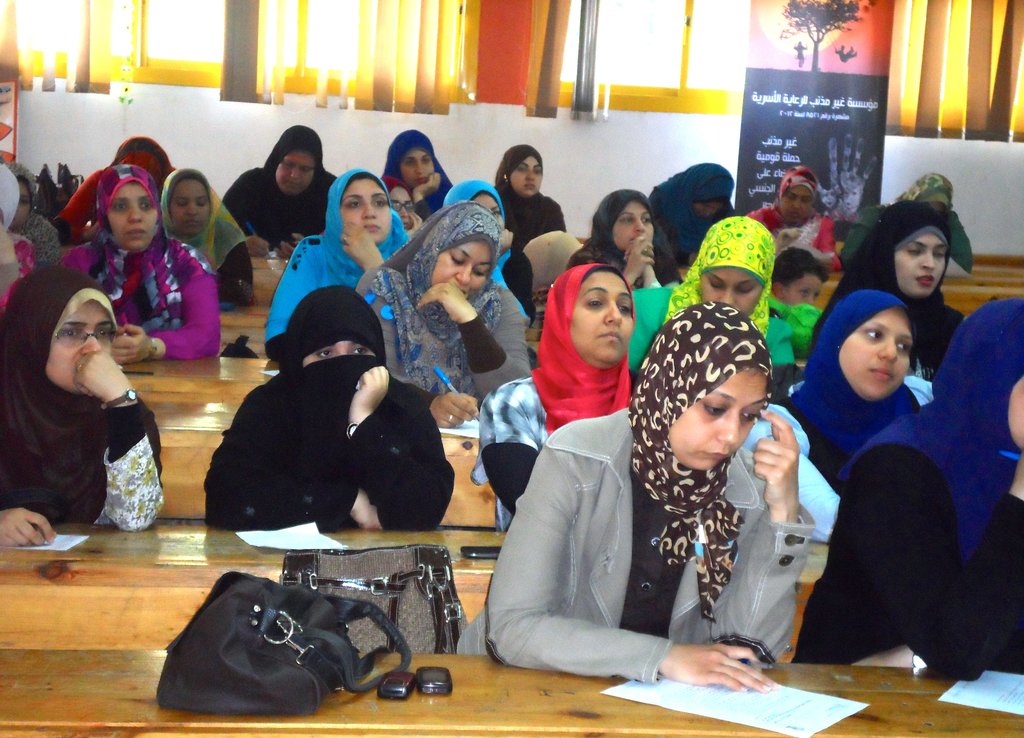
Through educational workshops, community training, digital resources, and public awareness initiatives, we help individuals learn to:
Recognize patterns of abuse and exploitation
Understand trauma and its effects
Identify victim-blaming attitudes
Respond appropriately when someone discloses abuse
Create safer homes, churches, schools, and communities
Every person educated becomes another advocate for prevention.
2. Equipping Communities to Respond
When abuse is disclosed, the response matters.
A supportive response can become the beginning of healing. A dismissive or blaming response can deepen trauma and reinforce silence.
Not Guilty trains community members, leaders, educators, caregivers, and organizations to:
Listen without judgment
Recognize trauma responses
Support survivors with compassion
Avoid harmful victim-blaming narratives
Connect individuals with appropriate resources
By equipping communities, we help create environments where survivors are believed, supported, and protected.
3. Trauma Recovery Education
For many survivors, healing begins when they finally understand what happened to them.
Trauma often leaves individuals confused, isolated, and burdened by shame. Many spend years believing they were somehow responsible for the abuse they experienced.
Through trauma-informed education and recovery programming, we help survivors:
Understand the impact of trauma on the brain and body
Recognize common trauma responses
Process experiences in healthy ways
Replace shame with understanding
Develop practical tools for recovery
Education becomes a pathway toward healing.
4. Restoring Hope and Identity
Survivors are more than what happened to them.
One of the greatest losses caused by abuse is the loss of identity, safety, and trust.
Our programs create opportunities for survivors to rediscover:
Their worth and dignity
Their voice
Healthy relationships
Personal agency
Hope for the future
Healing is not simply the absence of pain. It is the restoration of a life that trauma attempted to steal.
5. Creating Long-Term Cultural Change
Everything we do points toward a larger goal:
Building communities that recognize abuse, support survivors, and hold perpetrators accountable.
Cultural change happens one conversation, one training, one family, and one survivor at a time.
When people stop asking what the victim did wrong and begin asking how harm can be prevented, communities become safer for everyone.
This is the work your support makes possible.
With you support, we can create a future where survivors are heard, communities are equipped, and the cycle of abuse is interrupted before it continues.
Thank you for standing with us as we work to educate, prevent, and restore.
Links:
Project reports on GlobalGiving are posted directly to globalgiving.org by Project Leaders as they are completed, generally every 3-4 months. To protect the integrity of these documents, GlobalGiving does not alter them; therefore you may find some language or formatting issues.
If you donate to this project or have donated to this project, you can receive an email when this project posts a report. You can also subscribe for reports without donating.



Support this important cause by creating a personalized fundraising page.
Start a Fundraiser