By Martin Benjamin | Executive Director
We are almost ready to re-launch our public services, which have remained offline for the past several months. We had to make the difficult decision not to try to patch the old system, and instead focus our resources on building the new. The good news is that everything is falling into place on the development servers - the graph db model connects all of the elements of languages in highly complex but efficient ways that will open up new realms for what we can do with linguistic data. If we can protect the new system from the overwhelming robot traffic that consistently clogs the plumbing of the old, we are, dare I say it, close to being once again open for business. But I don't want to make any predictions regarding the timeframe.
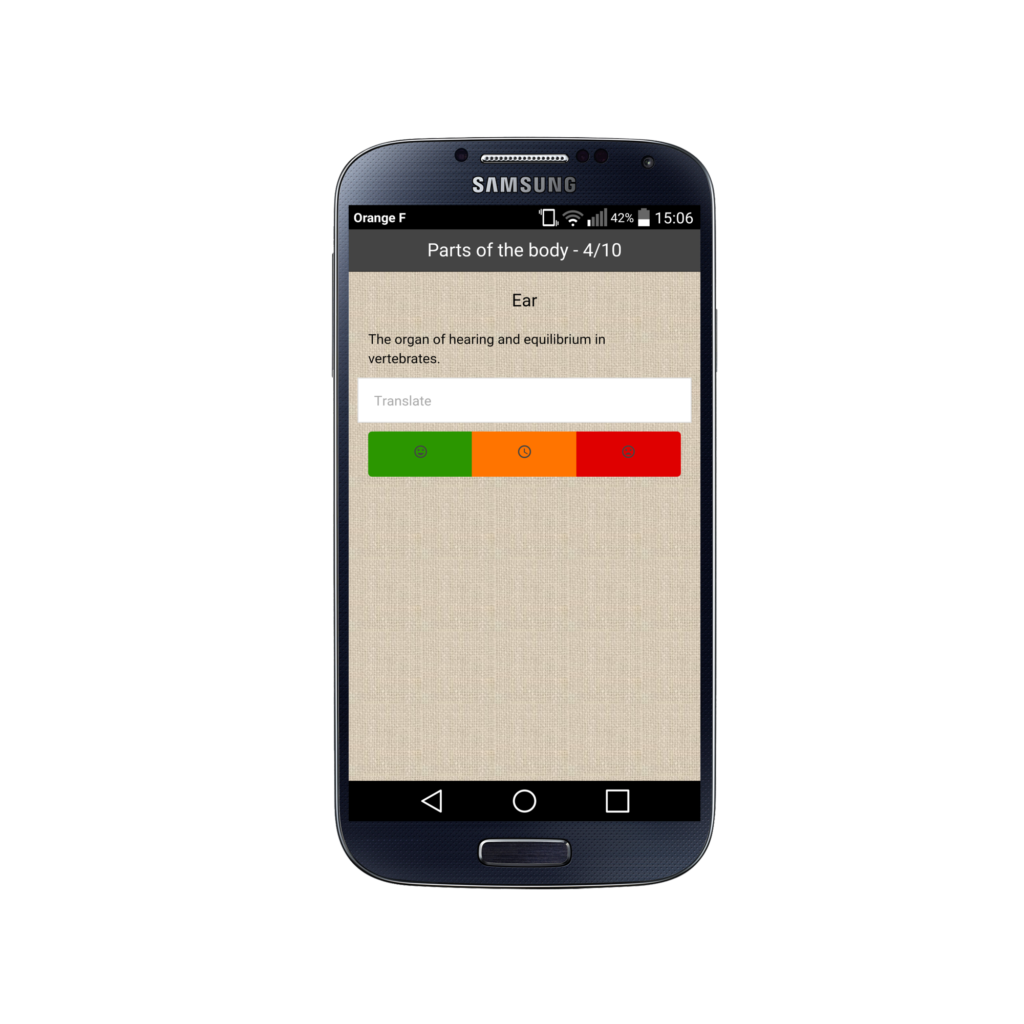
In addition to our devoted long-term programmer plugging away in Johannesburg, we have several students working on various technical aspects of the project in Switzerland. I'm looking forward to flipping the switch soon for the mobile app that we will use to gather data across languages. We will also soon have a working prototype for an app to precisely translate restaurant menus, which will serve as the basis for other "controlled vocabulary" tools - the next one is planned to contain emergency terms for paramedics and other first responders to communicate with people in any language in situations from childbirth to poisoning. And, work continues on a tool we call "Pre:D" (for pre-disambiguation), that will lead to much more precise translations among many more languages than currently possible with services like Google Translate.
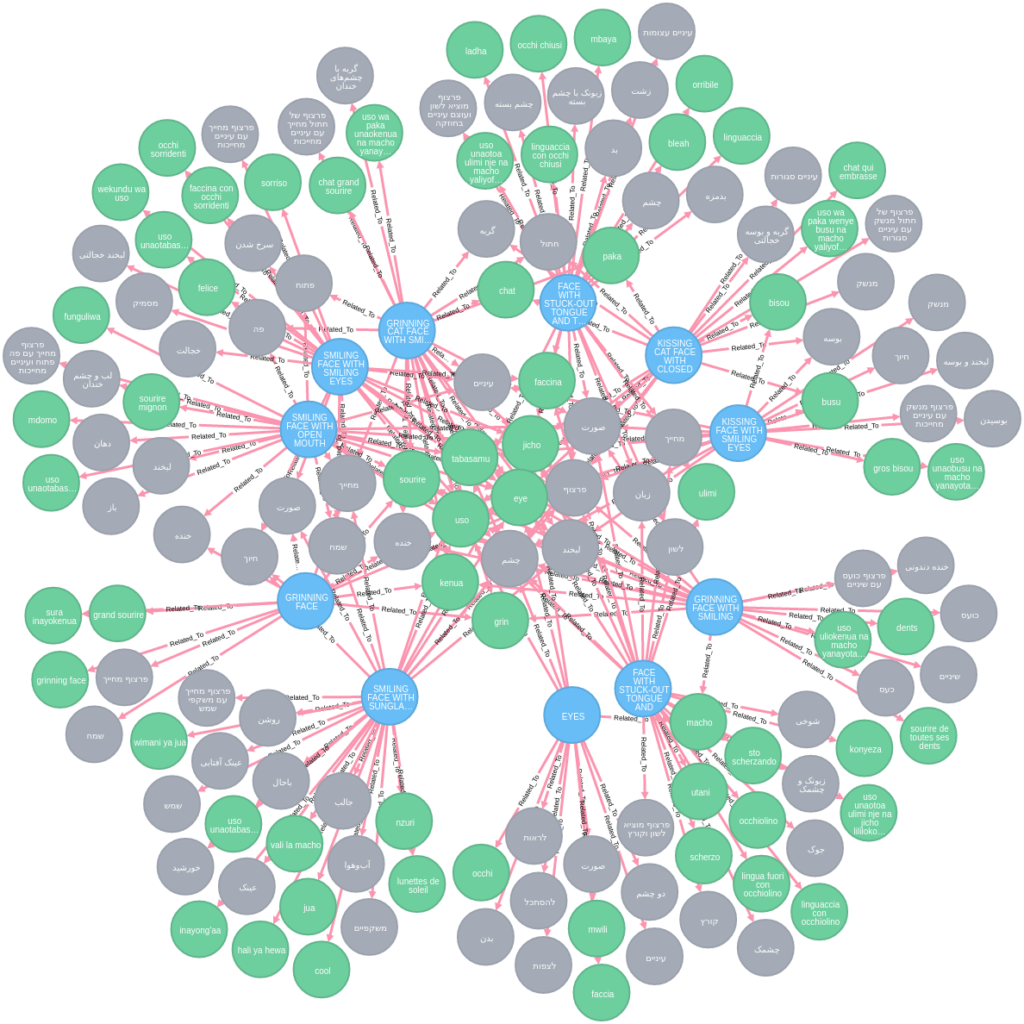
Likely first out of the gate, though, will be a dictionary for Emoji among more than 100 languages. We are using this constrained set of a few thousand concepts to test the new graph db, and to test a new way of gathering data from participants using Bots on the Telegram messaging platform. The Emoji data will be fully interlinked with the other data on Kamusi, so it will begin to come online for public access as soon as we come out of hibernation with the new server.
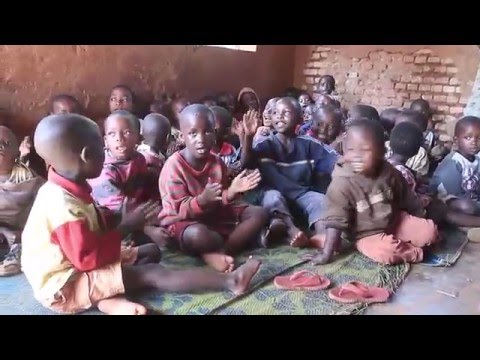
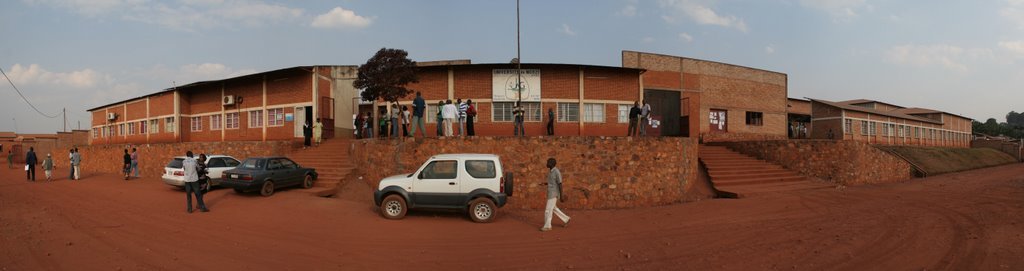
Regarding the work in Burundi, we are still struggling to raise the funds to get the next round of the project underway. The students' social networks are mostly within Burundi, where nobody has credit cards or extra funds to donate online, and I'm at wit's end about how to chase dollars and euros without a working website to demonstrate where we are heading. We'll plow through the Emoji data for Kirundi with the students at University of Ngozi in the next few weeks, and then try to figure out how to use that to showcase what we'll be able to do for the language when we have actual funds to support their work.
Please check the main site at kamusi.org from time to time to find out when we go live with the new system. If you see an error message like "page isn't working", our CPU overloaded again and stopped serving pages. If you see pictures of trucks, we're online, but limping with the old setup. However, if you see a bright and shiny announcement that we are back, then... thank you for your support through this tough period!
Links:
Project reports on GlobalGiving are posted directly to globalgiving.org by Project Leaders as they are completed, generally every 3-4 months. To protect the integrity of these documents, GlobalGiving does not alter them; therefore you may find some language or formatting issues.
If you donate to this project or have donated to this project, you can receive an email when this project posts a report. You can also subscribe for reports without donating.