By Martin Benjamin | Executive Director
Which checkers have made the most interesting progress up the Kamusi board in the past few months?
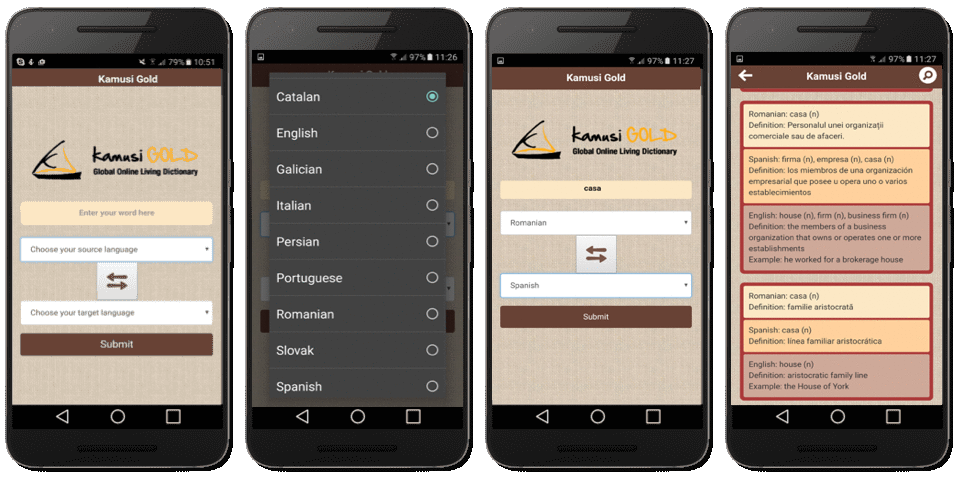
The introduction of our mobile app on iPhone is a strong contender. We've spent a lot of time getting the technology right for both iPhone and Android. Now we've got something that anyone can install on almost any phone (with a known Android 4.X issue, fixed in next week's update), that clearly gives better vocabulary results than Google Translate in head-to-head comparisons of the languages we both cover - watch the video! Now we are adding new features, and getting ready to float a raft of new languages. For the moment, we're keeping the rollout low key, but look for a lot of hoopla in September, when it all comes together in a back-to-school package that will be free to students around the world.
Please download your copy now, and make sure to give us high ratings in the iTunes and Google Play stores!
iPhone: https://is.gd/PDXJ15
Android: https://is.gd/IyODZl
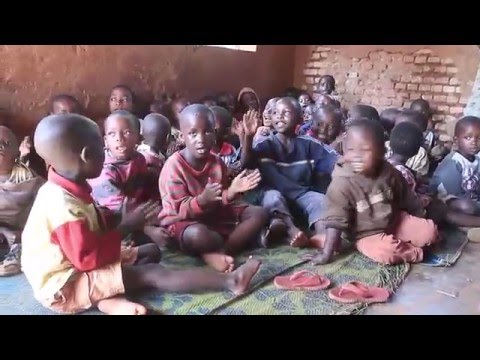
Now we are embarking on a new project that I hope will make a significant contribution to preserving endangered languages around the world. You've probably come across articles about endangered languages, usually playing the same sad song about the last few grandparents in a remote village, talking into the tape recorder in a race to save a few words for posterity. Several thousand languages are in peril of disappearing in coming decades, in some cases because of active "linguicide" (for example, children being punished in school for speaking their mother tongue), and in other cases because younger generations take on other languages when they seek work away from their birth communities.
In many cases these days, grandchildren are realizing what they are about to lose, and "revitalization" efforts are underway from the Arctic to Australia. I've been to several meetings in the past couple of years, including one in March, where I've met with leaders from these communities, and learned about their struggles and their needs. I've also talked with a lot of field linguists with experience documenting small languages, and people developing language technology. Based on what these groups have reported, we are now putting together a package that can put Kamusi to the service of preserving and revitalizing endangered languages.
We're calling it "Box-o-Lex", unless you can help us with a better name.
Box-o-Lex is designed to solve a number of problems that prevent languages from being documented. Researchers around the world have the desire to sit with an endangered language community and help them record their words on paper and audio. However, each researcher or community activist has to figure out their own software setup, what terms they are going to collect, what tools they will use to collect them, and what to do with the data once they've got it. By the time they've gotten the process figured out, they've lost the time to sit with the speakers and do the actual language work. We are designing Box-o-Lex as a kit that researchers can take to the field, flip on their phone, and start collecting words. Then they come back to the grid, connect to a network, and their results are immediately uploaded and on a server for everyone to use, fully integrated with all the other languages within the Kamusi framework.
The intent is to shave months of labor off each individual documentation project. In this way, it will become much more viable for a linguistics Masters student to document an endangered language in the short research window they have between their first and their second year, or for a community organization to start working with their elders without having to first master complex technological and linguistic issues. There are lots of students looking for good research projects - for example, many of our partners are African universities in countries with dozens of languages, and the faculty would eagerly send their students to document them if the tasks were well defined. By making the process easy, we have a clear path toward helping preserve many languages - instead of a dirge, a happy jig for didgeridoos and thumb pianos.
Beyond Box-o-Lex, we have students working on about 15 different projects during the next several months. That's a lot of checkers moving along the board, so next quarter's report should be about something completely different. Language wheels? Universal transliteration? Bots? Stay tuned...
Thanks for your continued support,
Martin
Links:
By Martin Benjamin | Executive Director
By Martin Benjamin | Executive Director
Project reports on GlobalGiving are posted directly to globalgiving.org by Project Leaders as they are completed, generally every 3-4 months. To protect the integrity of these documents, GlobalGiving does not alter them; therefore you may find some language or formatting issues.
If you donate to this project or have donated to this project, you can receive an email when this project posts a report. You can also subscribe for reports without donating.