The project expands time-use surveys in low-income neighborhoods in Argentina and across Latin America. It generates data where none exists. It measures unpaid work, care, and inequality. It informs public policy and social investment. It supports women, youth, and marginalized families. It enables regional comparison and impact evaluation. It addresses the lack of evidence through a shared methodology and community participation.
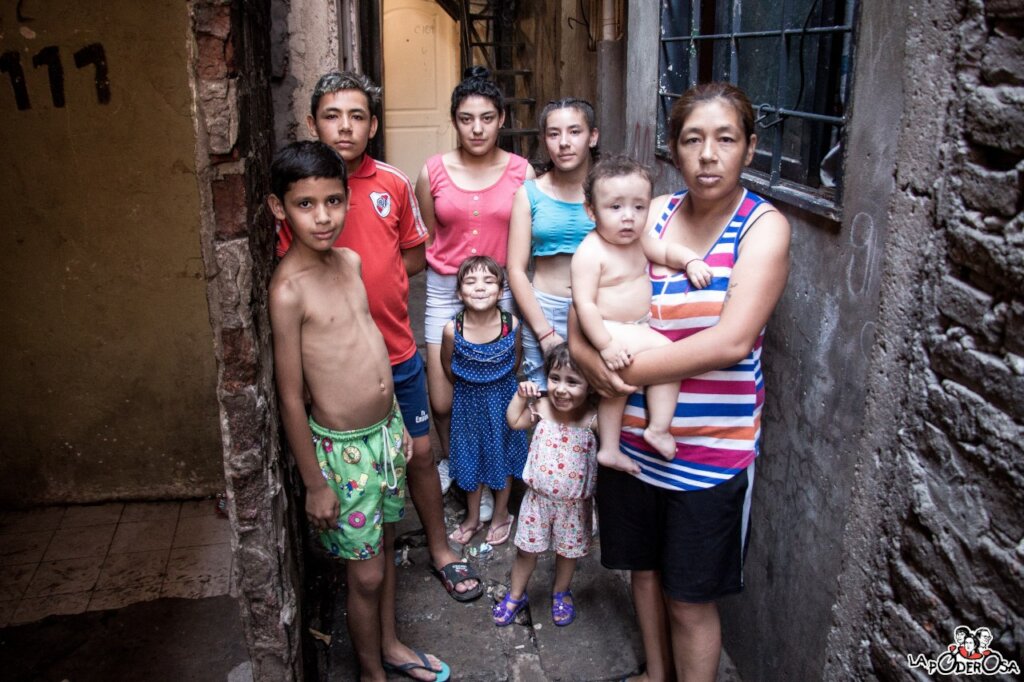
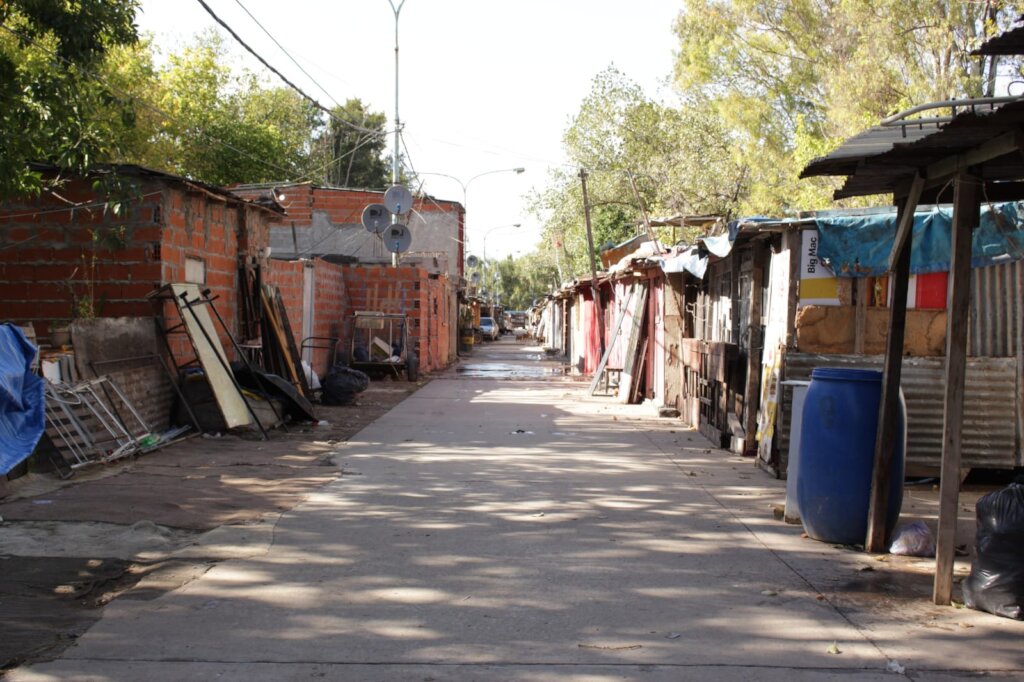
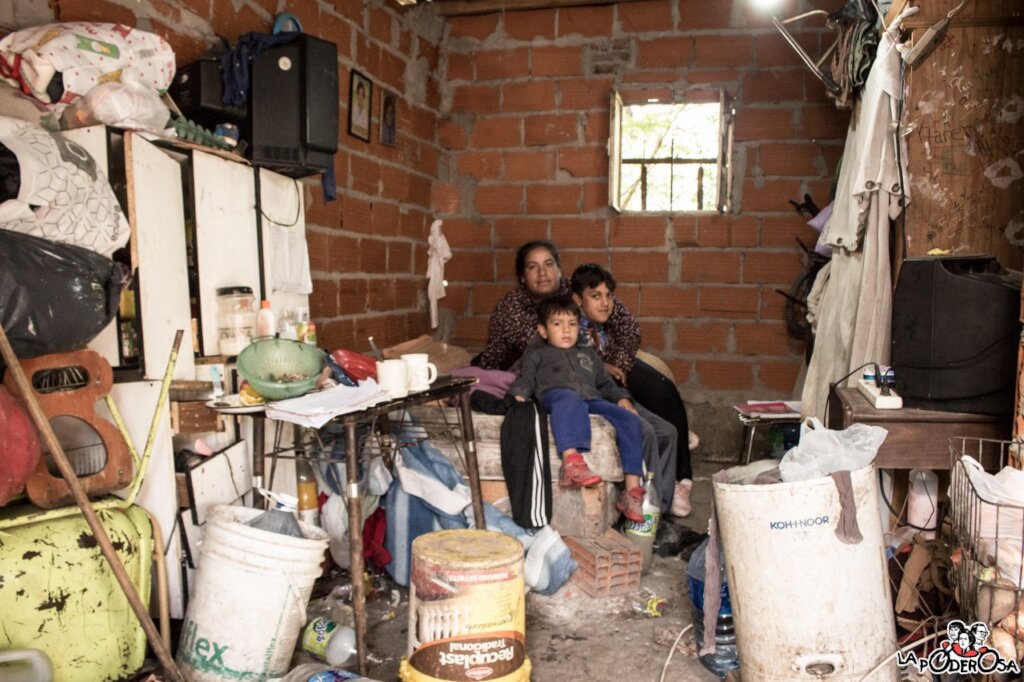
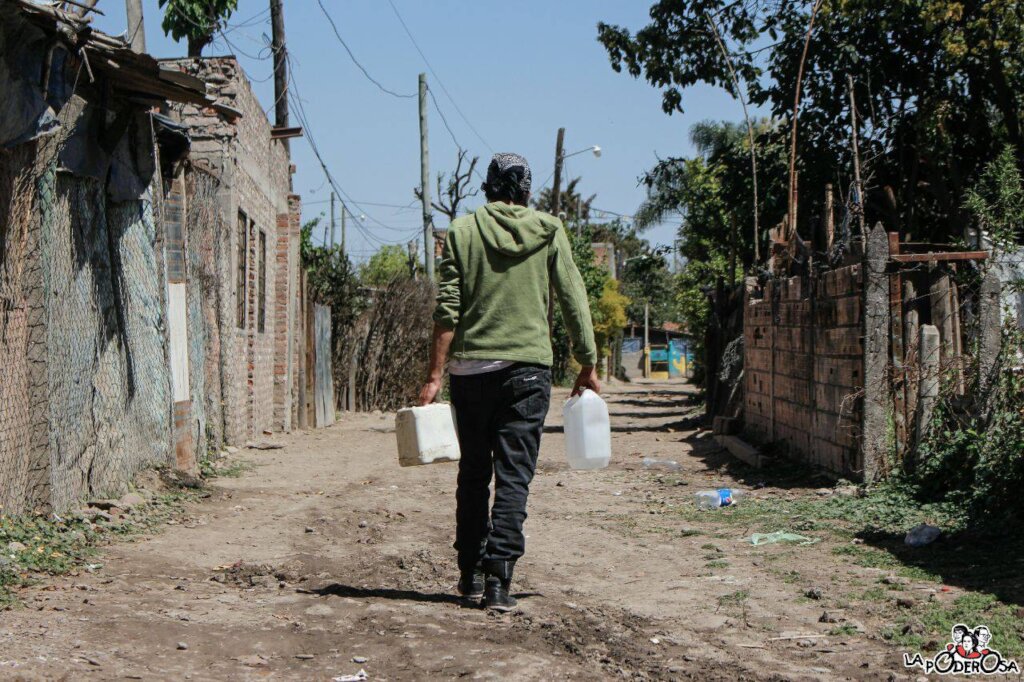
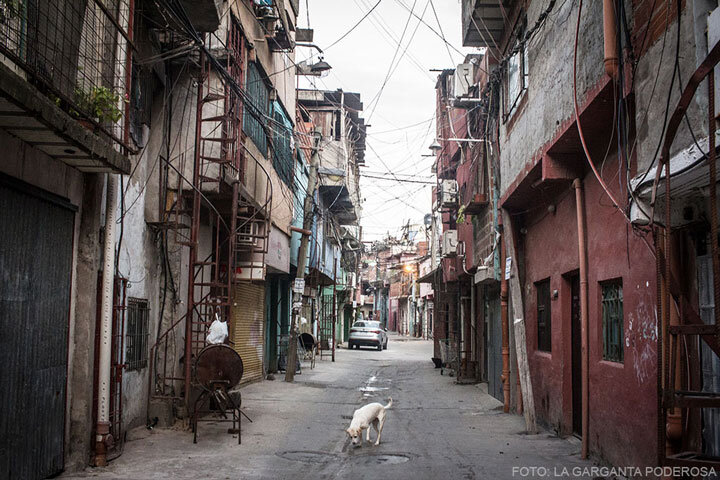
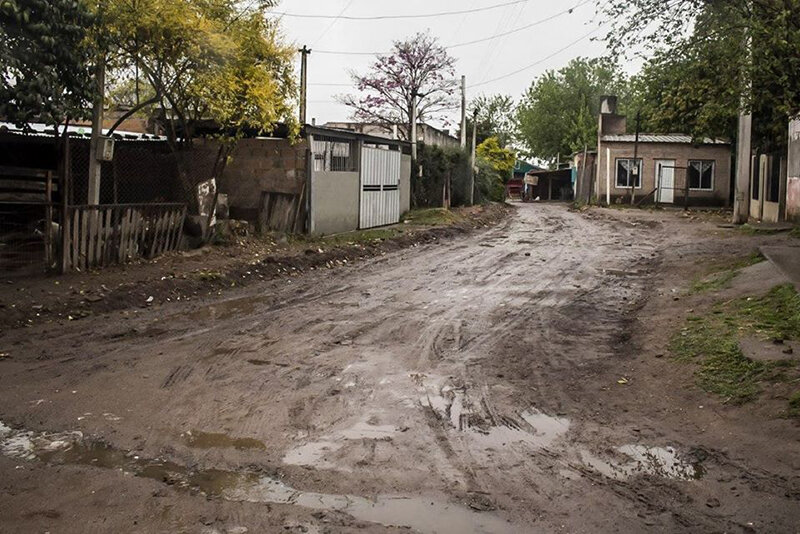
In Latin America, there is a lack of information on how people living in low-income neighborhoods use their time. Informal and precarious work, unpaid family and community care are not measured by official statistics. This obscures inequalities and limits better public policies. Communities face care overload, economic and environmental poverty. Women and young people are the most affected, as they are primarily responsible for the care work that sustains life in marginalized neighborhoods.
The project involves the participation of the affected communities throughout the process, in order to generate reliable data and ensure the involvement of the affected population. Local surveyors will be trained to conduct 2000 surveys, and both local and regional results will be analyzed and published in media outlets. The data will be shared with other social organizations and government agencies to strengthen public policies on care, work, and social protection based on real evidence.
In the long term, the project raises awareness of unpaid work and caregiving in low-income neighborhoods, enabling fairer policies. Women, young people, and families will receive real support. By generating reliable and regionally comparable data, statistical exclusion is reduced and social planning is improved. It is expected to directly impact thousands of households and serve as a reference for millions in similar communities in Latin America.
This project has provided additional documentation in a PDF file (projdoc.pdf).



Support this important cause by creating a personalized fundraising page.
Start a Fundraiser