By Esther Mitchell | Lead Music Therapist, Thomas's Fund
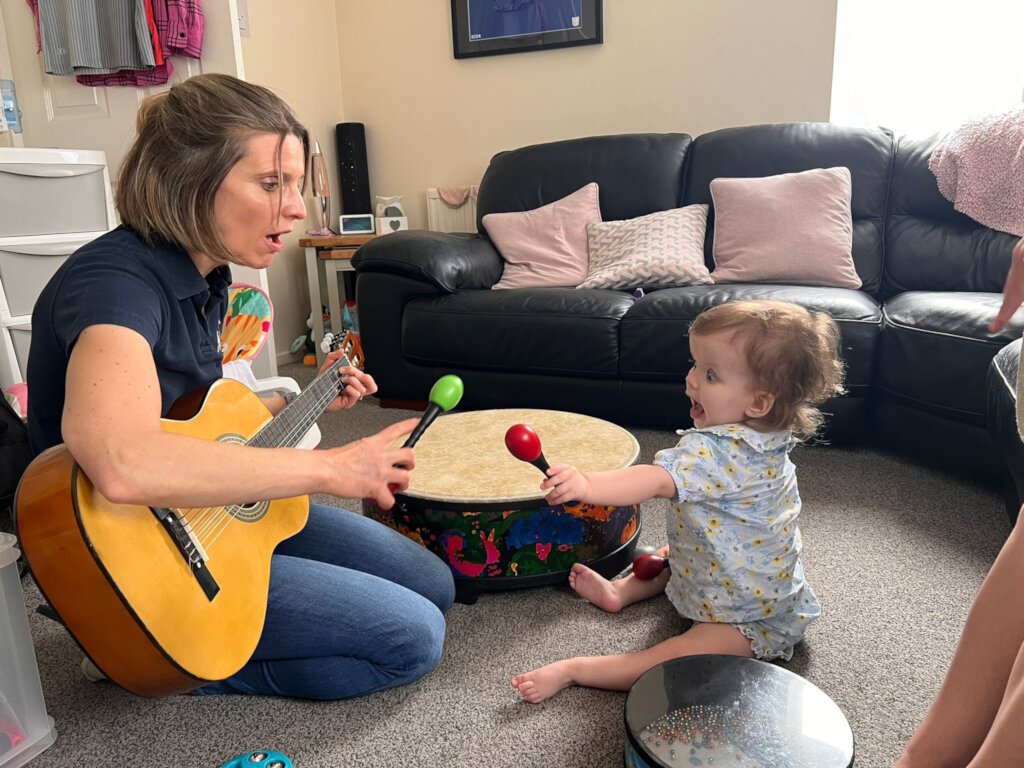
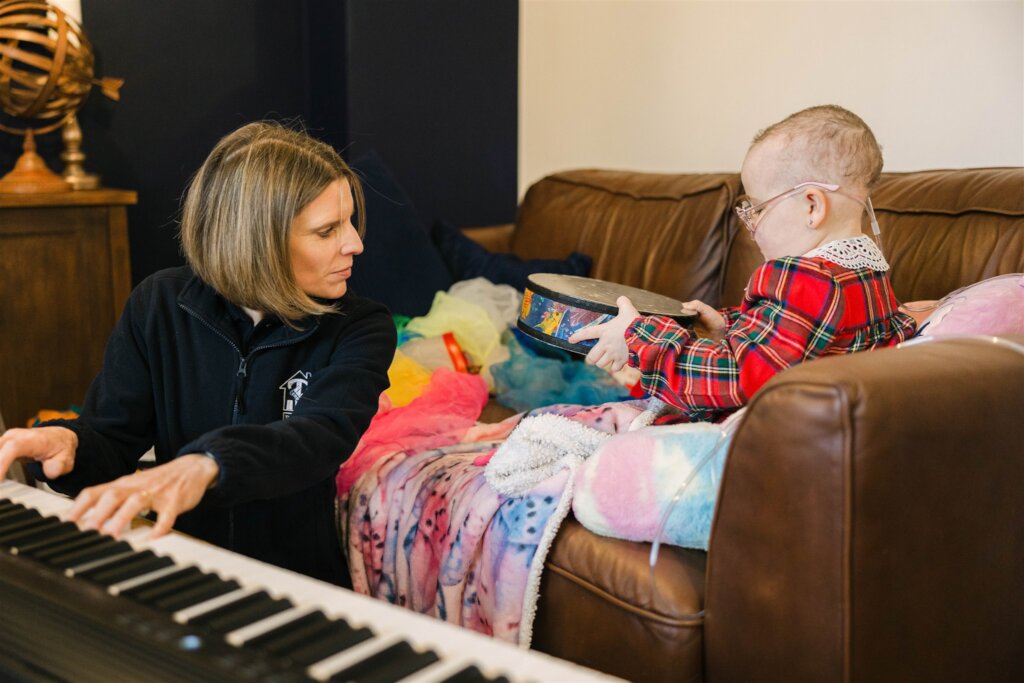
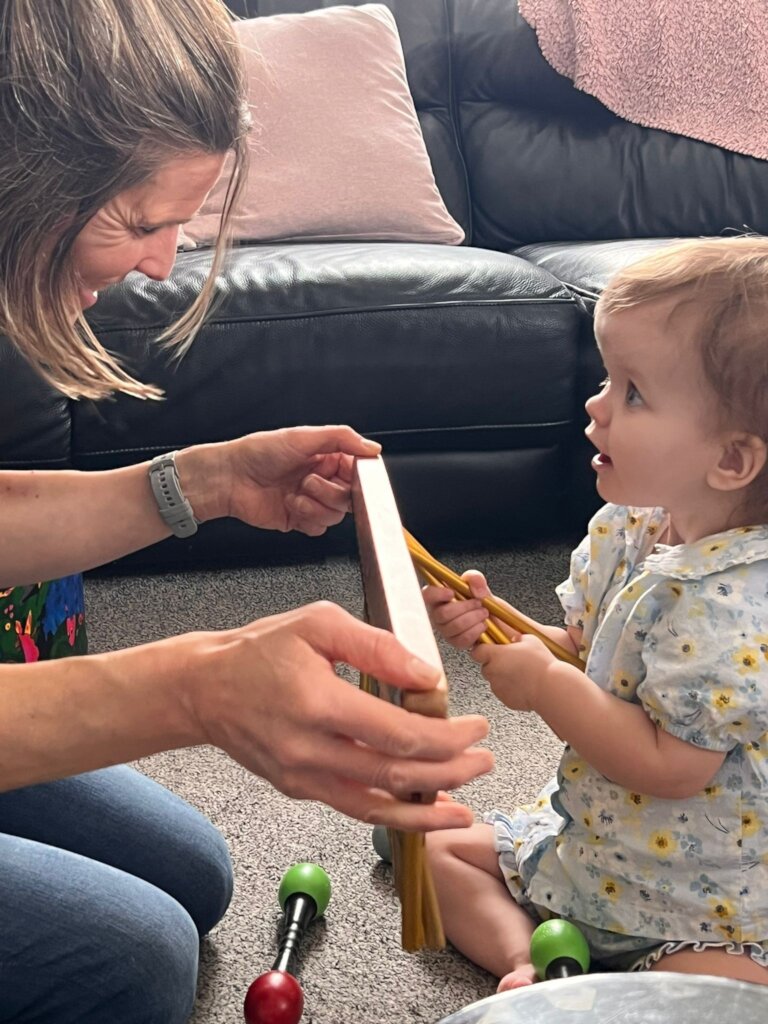
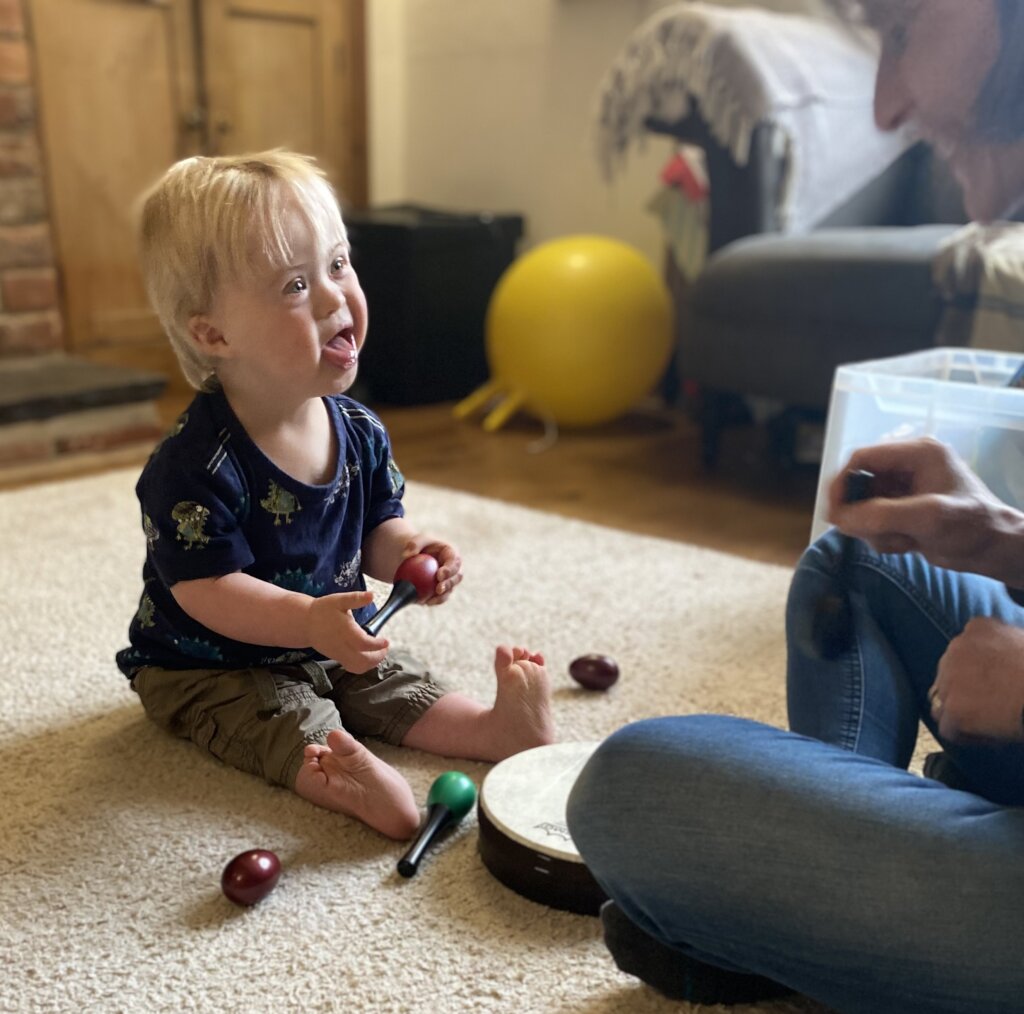
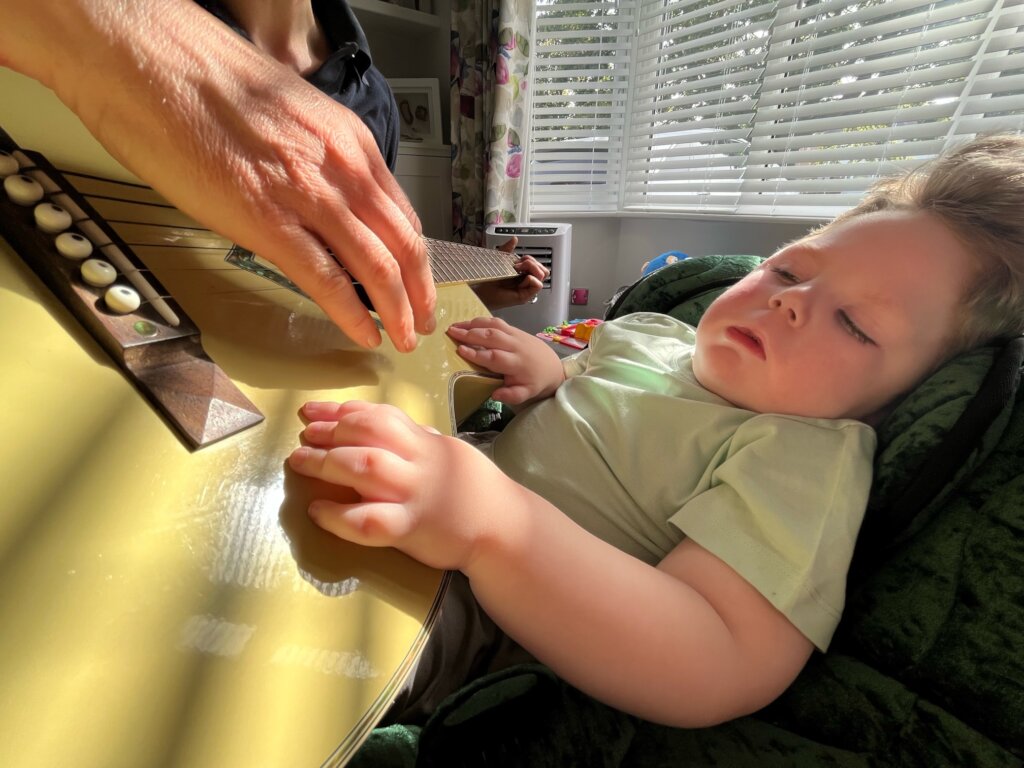
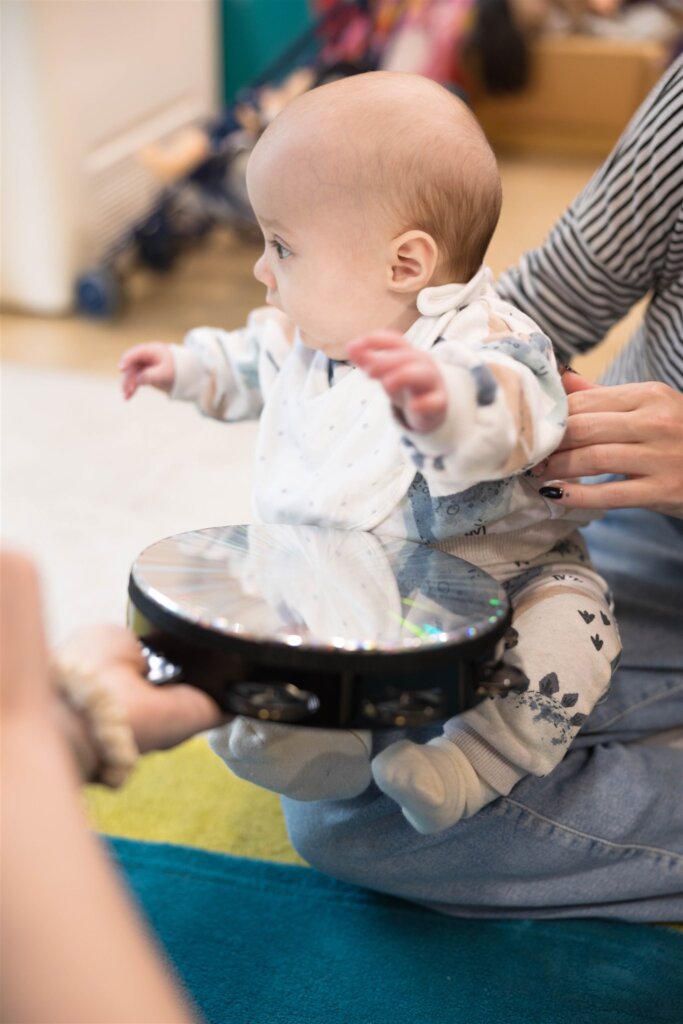
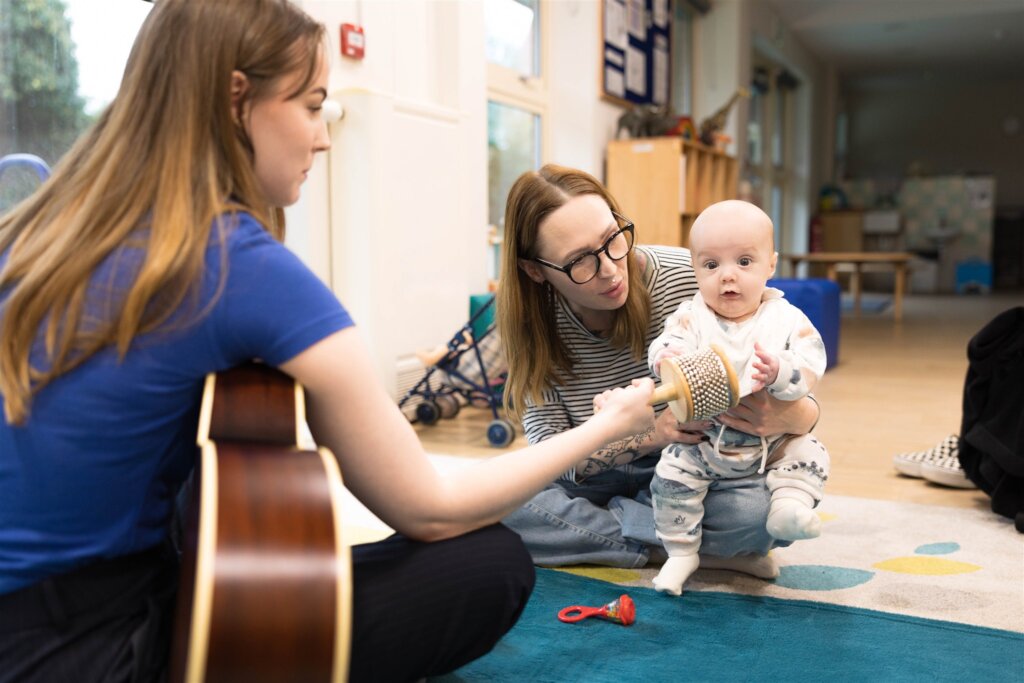
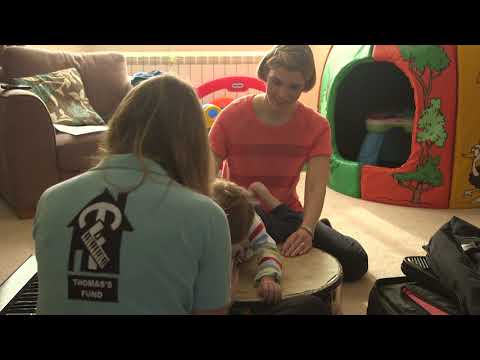
It can be really tough to get out of the house when you have complex medical and/or physical needs. At home you have specailist seating, changing facilities, all your meds, your toys, your special things and, of course, your special people. Its where you belong. Leaving the house for appointments can be hard. Sometimes transport needs to be organised, you have to know there is going to be somewhere to park, that the place is accessible and when you get there, there might be bright lights, busy corridors, lots of noise and maybe people who don't know how you communicate. At Thomas's Fund we know the children and young people we support often miss therapy/appointments/activities because of illness, or simply because they don't have what they need to get out and about. That's why we come to the home, seeing individuals in their familiar surroundings, being with them in their living room, working on the floor, on the sofa or by the bedside. Consistent weekly sessions at home provide the greatest individualised support, enabling trusting therapeutic relationships to develop and promoting the best chance of individuals being able to work towards their therapeutic goals - whether thats development of pre-verbal communication skills like turn taking and listening, vocal sounds or early words to communicate, developing physical movement, sensory awareness or cognitive skills like attention or choice making. Maybe therapy is there to support emotional needs - exploring difficult feelings, perhaps song writing to create a memory for family members. Music therapy can support all these areas and at Thomas's Fund we also provide support for families following the death of a loved one we have worked with, working with siblings and parents and providing a space for them to be heard and to hear each other, and to remember their son/daughter, brother or sister.
To date this project has supported 4 individuals to access individual 4 week assessment and more long term blocks of therapy.
Here is a story about H, a little boy who is recovering from cancer.
Music therapy was offered to H, aged five, following a number of difficult medical experiences. Sessions were attended by H alongside his Mum, Nan, younger sibling. The aims of the work were to help H develop musical tools for self-expression, strengthen his confidence and resilience, and support positive shared experiences with his family through music.
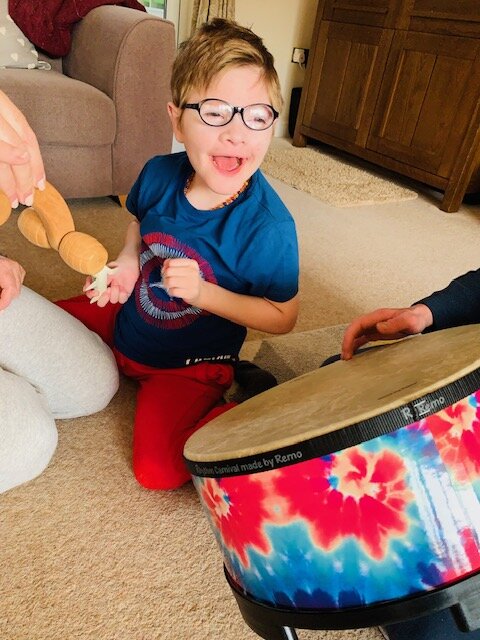
From the beginning, music provided a motivating medium for H. He showed great curiosity about instruments and often asked thoughtful questions about how they worked. Music therapy also became a space for imaginative play. H frequently transformed instruments into “engines” that produced sound and energy. Over time, he began to sing more, compose his own songs, and plan group improvisations with his family.
H communicated clearly both verbally and through music. He often narrated his actions during sessions and confidently explained his musical ideas. Over time he increasingly invited others into his musical play and began sharing instruments and musical experiences with his younger sibling.
A wide range of emotions were present during the sessions. Pride, humour and frustration were frequently seen, alongside moments where H was able to safely express vulnerability. In particular, I felt he showed much vulnerability while singing, using music as a way to express feelings that may have been difficult to communicate in other ways.
H appears to value the sessions, engaging consistently and showing enthusiasm. Music became a meaningful shared language between H, his family and I, supporting communication, emotional expression and connection.
His mum wrote
“My son was diagnosed with Acute Lymphoblastic Leukaemia age 3 in December 2023. He has faced unplanned separation from his family and home, rooms full of strangers discussing him in a way he doesn't understand, the bright lights and the constant beeps of a hospital room. He's suffered pain he can't articulate, there have been times where he has been unable to walk, he lost his trademark long hair and he continues to endure countless invasive medical procedures.
To look at him now, you'd never guess he was receiving cancer treatment as, physically, he looks like a typical, healthy child. Inside he is traumatised and full of anger, anxiety and fear and this has a significant impact on his mood, behaviour, relationships and self esteem.
Music therapy has provided him with an outlet for the emotions that simmer away inside him and a way of having the autonomy and control he craves. Even on his toughest days, he always engages and finishes the session calmer and more able to regulate his emotions. It has been wonderful to watch him grow in confidence, use the instruments and his voice in different ways and build a therapeutic relationship with Lynn."
Project reports on GlobalGiving are posted directly to globalgiving.org by Project Leaders as they are completed, generally every 3-4 months. To protect the integrity of these documents, GlobalGiving does not alter them; therefore you may find some language or formatting issues.
If you donate to this project or have donated to this project, you can receive an email when this project posts a report. You can also subscribe for reports without donating.



Support this important cause by creating a personalized fundraising page.
Start a Fundraiser