By Aimee Petersen | Chief Development Officer
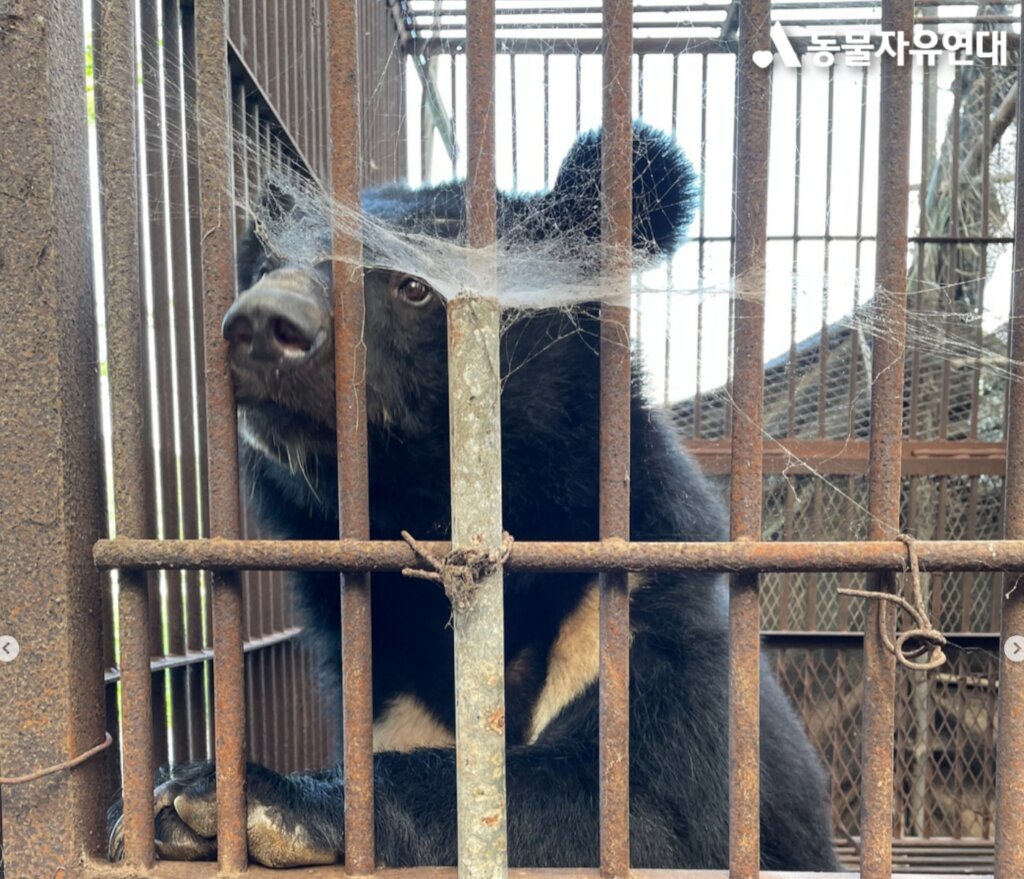
For more than four decades, Asiatic Black Bears in South Korea, often referred to as “Moon Bears,” have lived within one of the most controversial wildlife industries in the world. Their suffering was not the result of ancient tradition alone, but of a modern policy decision made in the early 1980s, when the government encouraged farmers to import and breed Bears as a form of rural income generation and participation in the growing demand for Bear bile used in traditional medicine.
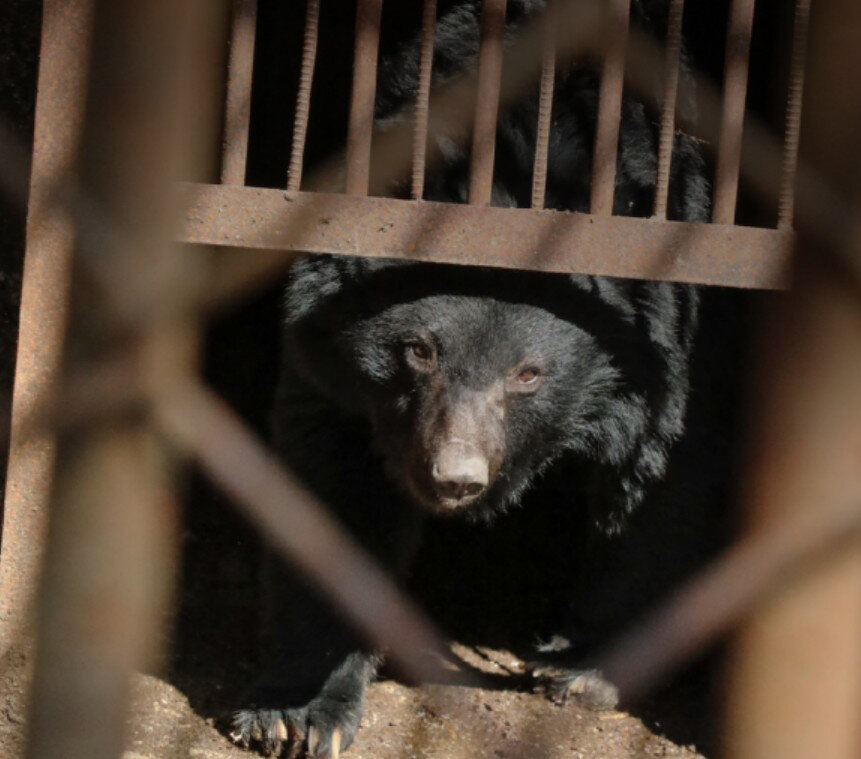
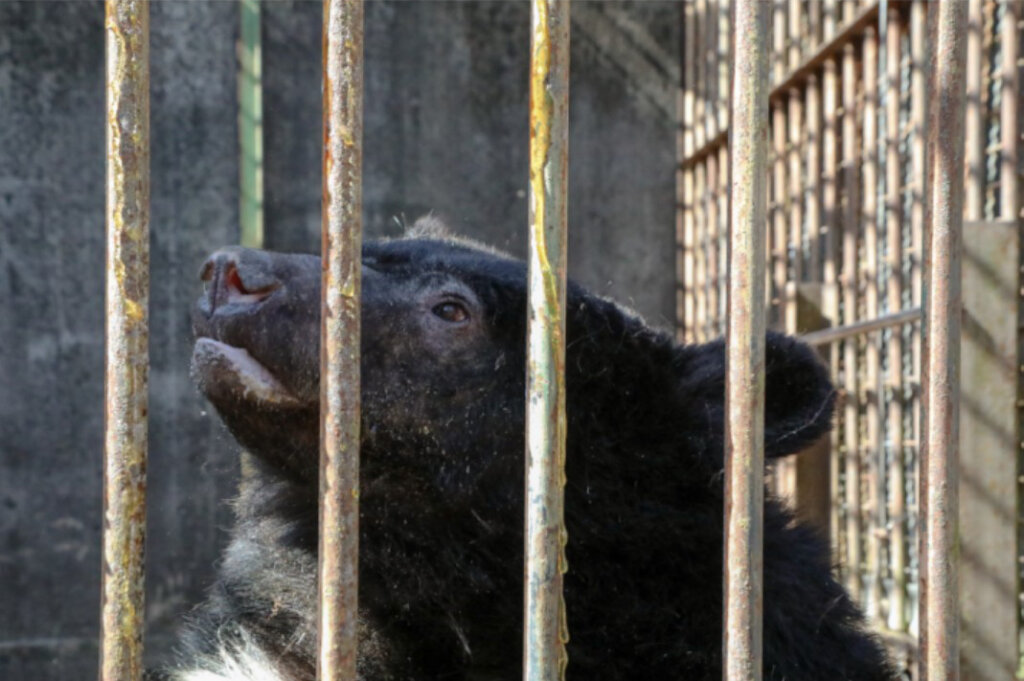
What followed was an industry built on confinement. Bears were kept in small metal cages, many from a young age, and bile was extracted repeatedly from their gallbladders for use in Traditional Asian Medicine products marketed as remedies for ailments ranging from digestive issues to inflammation. Despite growing scientific and ethical concerns, the practice persisted for decades, even as alternatives to Bear bile became widely available and public sentiment gradually shifted toward ending the cruelty.
Over time, South Korea became one of the last countries in the world still maintaining a legal Bear bile farming industry. Animal welfare organizations, both domestic and international, spent years documenting conditions, advocating for policy change, and working alongside government agencies to transition away from the practice. Their efforts emphasized not only the ethical issue of animal suffering, but also the lack of necessity for Bear bile in modern medicine given synthetic and herbal alternatives.
That long advocacy culminated in a landmark agreement: a formal commitment to end Bear bile farming, prohibit breeding and possession of Bears for bile extraction, and fully eliminate the practice. On January 1, 2026, the ban officially came into effect, marking the legal end of Bear bile farming in South Korea after more than 40 years.
However, while the law represents a historic victory, it also marks the beginning of a more complicated responsibility: what to do with the remaining captive Bears. As of the ban’s implementation, approximately 200 Bears remain on farms across the country.
These animals cannot simply be released into the wild. Most have spent their entire lives in captivity and require specialized lifetime care. This has created an urgent need for sanctuary space and coordinated rescue efforts.
The government and partner organizations have agreed on a divided approach to address this final phase. Many of the remaining Bears are to be transferred to sanctuary facilities currently being built within Korea. Although this is a landmark decision and a meaningful commitment toward taking responsibility for this highly abusive industry - there will not be enough capacity for all 200 Bears to go there.
Due to capacity restraints, only 100 of these Bears will be accepted and remain in South Korea, while the remaining 100 Bears will need to find homes in another country. It is within this historic moment that The Wild Animal Sanctuary’s role becomes especially significant.
As part of a coordinated international effort, The Wild Animal Sanctuary has agreed to provide lifelong sanctuary care for these 100 Bears, individuals who would otherwise have no viable long-term placement options. These Bears represent not only the end of an industry, but also the beginning of a new responsibility: ensuring that animals who have spent their entire lives in confinement are given the space, safety, and dignity of a natural environment for the first time.
This is not the first time The Wild Animal Sanctuary has been part of a historic effort to end Bear bile farming in South Korea. Years before this final phase of the ban, our organization worked alongside the Korean Animal Welfare Association (KAWA) and government officials on a groundbreaking rescue involving 22 Asiatic Black Bears who were trapped inside active bile farming operations.
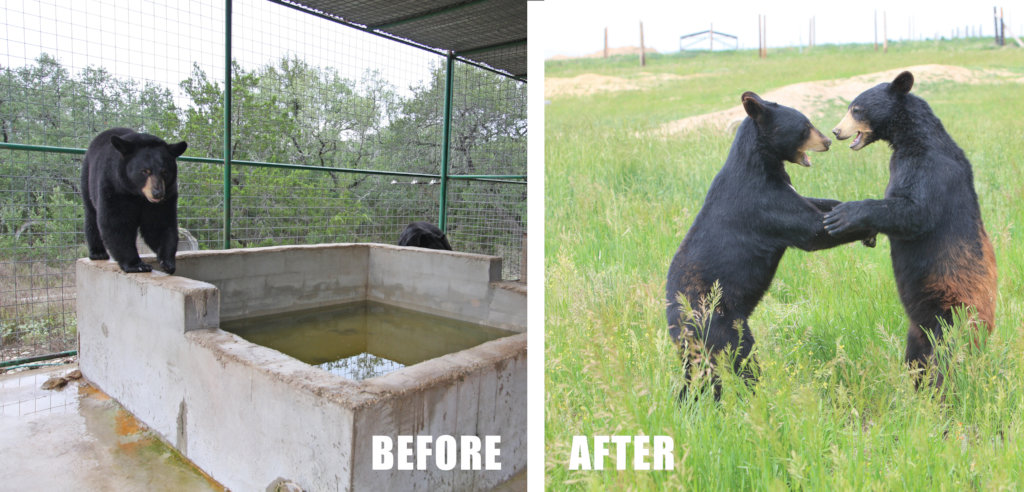
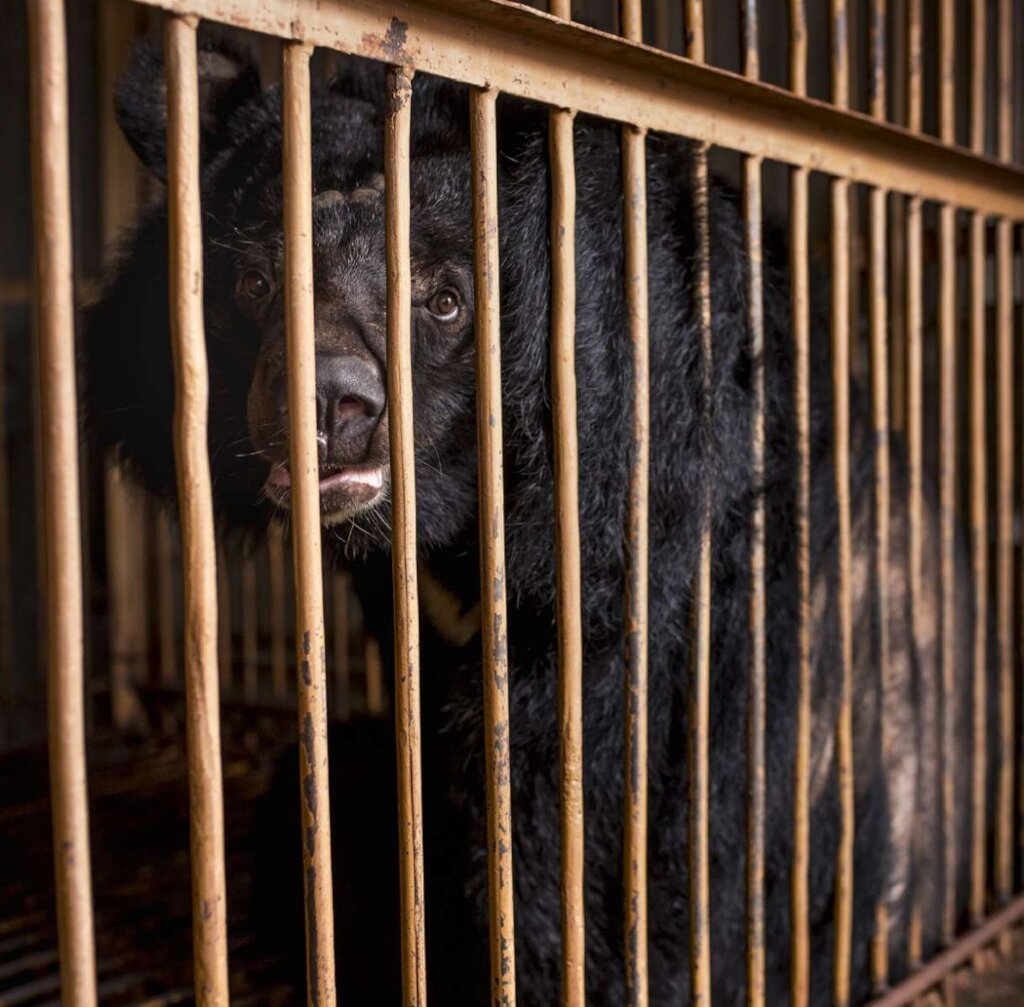
At the time, these Bears were living in conditions that mirrored what has now become widely recognized as one of the most horrific industries in existence. They were forced to live in small metal cages constructed of rebar, with barren flooring and lives defined entirely by severe confinement and painful medical extraction.
Many of them had spent their entire existence in these enclosures, living, eating, sleeping, and pacing on steel bars, never having touched natural ground or experienced open space.
Through a complex international collaboration involving multiple agencies, veterinarians, logistics teams, and animal welfare partners, those 22 Bears were carefully removed from the farms where they had been held. Each Bear required individual assessment, sedation, and transport preparation before being placed into custom-built shipping crates designed specifically for their safety and long-distance travel.
The operation itself was coordinated across continents, involving both Korean and U.S. wildlife authorities, and ultimately required a dedicated cargo jet to safely transport all of the Bears out of the country.
Their journey did not end when they left South Korea; it continued through a long and carefully managed rehabilitation process once they arrived at The Wild Animal Refuge in southern Colorado. There, after decades of confinement, they were slowly introduced to natural ground for the first time in their lives.
Their reaction was immediate and unmistakable: uncertainty at first, followed by cautious steps and then gradual discovery. Soft soil replaced steel. Open space replaced cages. Silence, fresh air, and nature replaced sterile confinement.
Over time, what had once been survival behavior—pacing, circling, hesitation, and aggression—began to fade. Some Bears moved slowly at first, unsure whether the ground beneath them was real.
Others explored quickly, drawn to the unfamiliar texture of grass, trees, and natural terrain. Each individual adapted at their own pace, but all shared one defining shift: they were finally able to make choices that were not dictated by the limits of a tiny steel cage.
Today, those 22 Bears are no longer part of an unfolding rescue story. They are living free within the expansive habitats of The Wild Animal Refuge.
Some have claimed favorite areas within the forested valleys, while others move between different regions of the habitat, following scent trails, seasonal changes, and social bonds with other rescued Bears. What began as one of the most complex international rescues ever undertaken has become something far more permanent: a living example of what happens when the final step of rescue is completed with long-term sanctuary care.
While the end of Bear bile farming in South Korea marks the close of a long and painful chapter, the reality is that both KAWA and the Sanctuary’s work is not finished the moment the law takes effect. The remaining step is deeply practical and immediate: moving these Bears out of captivity and into permanent sanctuary settings where they can finally live out their lives with dignity and safety.
For supporters of The Wild Animal Sanctuary, this moment represents something rare and definitive. After decades of global awareness and advocacy around Bear bile farming, there is now a real, tangible endpoint in sight, ensuring that the last Bears caught in this system are given a home and that no future generation will ever enter it again.
What is unfolding now in South Korea is not only the end of Bear bile farming, but the beginning of a coordinated global effort to give these Bears something they have never known: life outside a cage and life on their own terms.
As for the timing of this rescue, it will depend on the many logistical pieces that must fall into place. Between the permitting required in both countries and the extensive transportation logistics that must be arranged, the rescue is expected to take place sometime in the fourth quarter of this year.
However, because we have previously rescued 22 Moon Bears from South Korea, we have significant experience going into this larger effort. With your support, and with the help of KAWA and the other agencies involved, we should be able to safely transport the Bears to our Refuge near Springfield, Colorado, where they will be able to live in a massive, naturally forested habitat of their very own.
Photo Credit: World Animal Protection
Links:
Project reports on GlobalGiving are posted directly to globalgiving.org by Project Leaders as they are completed, generally every 3-4 months. To protect the integrity of these documents, GlobalGiving does not alter them; therefore you may find some language or formatting issues.
If you donate to this project or have donated to this project, you can receive an email when this project posts a report. You can also subscribe for reports without donating.



Support this important cause by creating a personalized fundraising page.
Start a Fundraiser