By Novatus Marandu | Executive Director
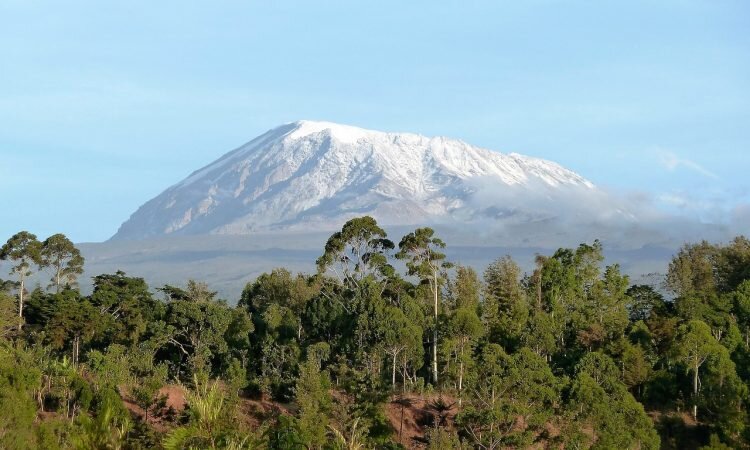
Greetings from the foothills of Mount Kilimanjaro – the highest ice-caped mountain in Africa and the highest free-standing mountain in the world. I’m again excited to write to you and share about our program supporting vulnerable children in public schools in Tanzania. In this newsletter, you’ll read about our cohort of students for the year 2023, our achievement with the 2022 cohort and our plans climbing Mount Kilimanjaro to raise awareness on child sexual abuse and violence and of course partners and opportunities we’re meeting along the way.
The 2023 Cohort Matriculation
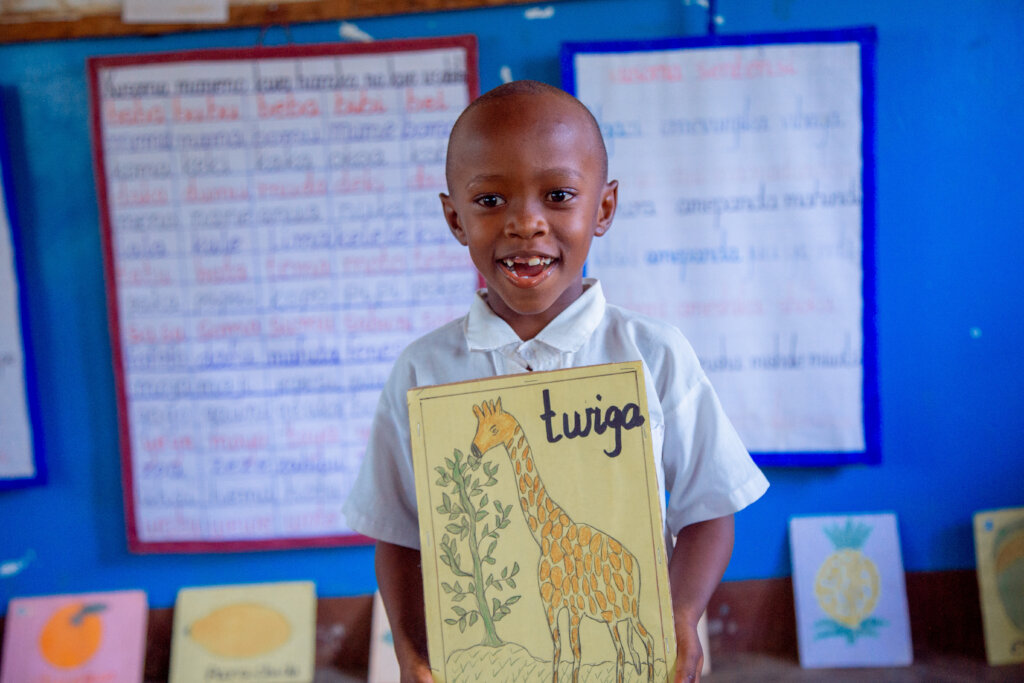
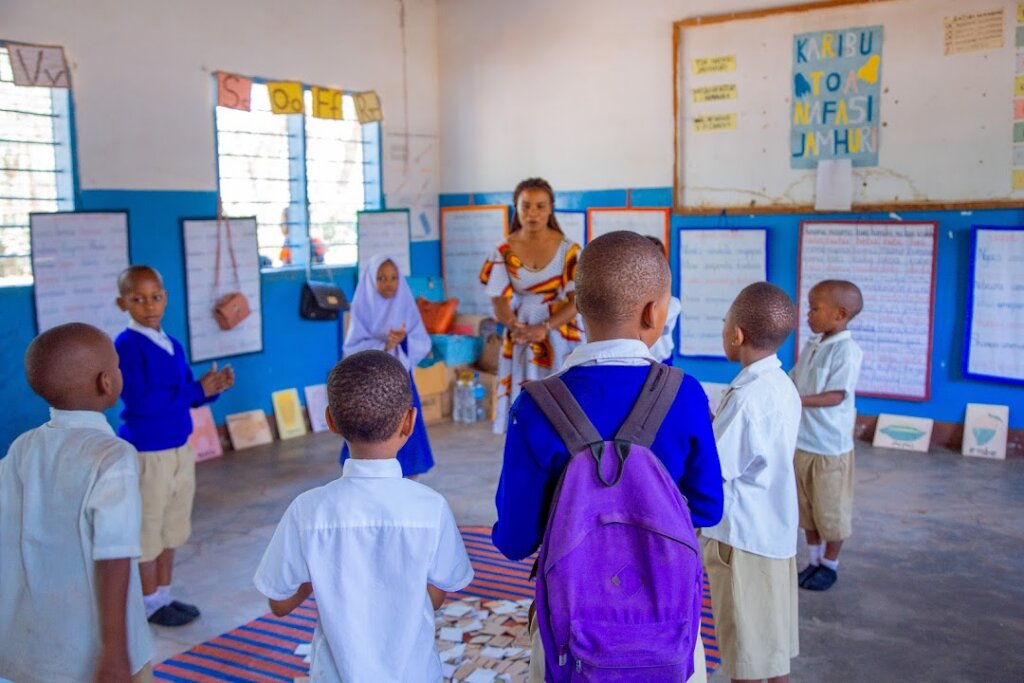
This year we observed 1120 students for their cognitive, physical, behavioral and learning challenges. Then we conducted a first test of the students grouping students in three tiers. From the two assessments, the data our tutors collected was analyzed and we conducted parent’s interviews to help us corroborate it. After this process, we were able to identify 422 students in two Tiers – those that have mild and severe developmental challenges. These students will continue to receive support for the rest of the year – to include learning support, medical treatment and psychological support in our partner hospitals and centers.
The 2022 Cohort Graduation
The journey with the students enrolled in the 2022 academic year has finally ended and we’re glad to report a whopping 85 percent graduation rate. The 292 students enrolled in Toa Nafasi’s tutoring program received initial four months of support where 71 percent moved into tier 1 after the second of three assessments. This March, and after three months of tutoring, medical treatment, nutritional, and psychosocial support, the students who were found to be flagging behind considerably sat for the third and final assessment with their cohort peers and 248 students graduated. The remaining students will continue to receive support along the 2023 cohort. “The Toa Nafasi program impact in the reading, writing and counting skills of students and on their health and wellbeing is remarkable. ” Says Mr. Athumani Msuya, head of Jamhuri Primary school, one of our partner schools in Moshi, Kilimanjaro.
Partnering with Learning Different
We are happy to announce our partnership with Learning Different - a students led nonprofit organization based in the United States. Learning Different and Toa Nafasi have a shared mission - to support students in need who are struggling in classrooms with education, nutrition and medical treatment. Asha Dukkipati, founder of Learning Different is a freshman and presidential scholar at University of South California and together with her team all students across the US, are supporting us fundraise to help our cohort of 2023 students learn at the pace of their peers, get a nutritional cup of meal every day of school and get medical and psychological support. You can join this cause by visit Learning Different website.
Tutors Going for Protective Behaviors Training
Starting this July, Toa Nafasi tutors started receiving Protective Behaviors for Children training from Citizen for Change. Tutor Haika Motta travelled to Dar es Salaam for a two days Training of Trainers (TOT) session on June 21and 22. She has returned and is now training her fellow tutors on the Protective Behaviors Methodology. Tutors will continue to be empowered on this methodology in the subsequent training in Arusha and Kilimanjaro in the next few months.
But what is this Protective Behaviors, one may wonder? Children are not given an opportunity to learn about body autonomy and safety at home or in schools putting them at risk of abuse and violence. Toa Nafasi wants to use its platform to provide an opportunity for children to learn and unleash their self-protective skills. Protective behaviors is a practical approach to personal safety. It encourages self-empowerment and brings with it the skills to avoid feeling and being victimized. It will help children recognize and trust their intuitive feelings (Early Warning Signs) and to develop strategies for self-protection. Like teaching children how to use a crosswalk, this teaches children how to keep themselves feeling safe and develop a protective culture that helps others to feel safe with us. We believe this practical tool will empower our tutors with the right tools to better support vulnerable children and addressing the risks they face in and out of school.
Reciprocal Exchange Grant from the Mandela Washington Fellowship
A few months ago, we partnered with Dr. Marti Erickson from Minneapolis, Minnesota, USA on a project proposal to empower early grade teachers of 35 public schools on a child rights curriculum in Kilimanjaro, Tanzania. We are elated to share that the proposed project has been selected for funding as part of the Reciprocal Exchange component of the Mandela Washington Fellowship. The Reciprocal Exchange grant will finance the in-person training of teachers by Dr. Marti. I attended the Mandela Washington Fellowship for Young African Leaders – the flagship program of the U.S. government’s Young African Leaders Initiative (YALI). The grant is therefore, first and foremost, an opportunity to build stronger ties with American professionals. Secondly, it’s an opportunity that’ll benefit over 3500 vulnerable children in grade 1 in its first year in our community. The program will train all of the 30 Toa tutors and staff and an additional 35 grade 1 teachers of all public primary schools in Moshi, Kilimanjaro. The 65 women teachers will equip children with a curriculum on child rights but with a focus on learning differences and abuse and violence prevention.
The Campaign to Climb Mount Kilimanjaro
I wake up every day in Moshi to see a gigantic rock covered in snow – the magnificent Mount Kilimanjaro. I was born and raised here and therefore I am used to seeing its beauty from a far. But one thing that happened under its watch is, I was sexually abused multiple times by three neighbors from the age of six. That was over 20 years ago. As a survivor, I have tackled the mountains of pain, guilt, silence, and shame. Yet today, more children are continuing to experience abuse and violence due to the silence, stigma and shame involved. This situation is also exacerbated by a lack of age appropriate education, tools and resources for children and teachers in our community. According to a 2009 national survey, at least 1 in 3 girls and 1 in 7 boys will experience sexual violence before they are 18 years old. We think these rates have soared because our tutors hear reports of children and see from behaviors of children every day. Recent reports from a Human Rights organization confirms this showing reported cases in the police and media are increasing. This has to stop. And we are taking this on our own hands launching a three months campaign to climb Mount Kilimanjaro for Children. Our goal is twofold, to raise awareness on the issue of child abuse and violence and mobilize the public and stakeholders to take action to prevent and respond to such incidents. Secondly it is to raise funds for Toa Nafasi to provide the protective behaviors curriculum in schools.
Write us an email at info@toanafasi.org to learn more and join us in Climbing Mount Kilimanjaro this November. You can also Donate to this cause to help us keep children in our schools and communities safe.
Finally, I am excited about this year’s student cohort and the initiative to Climb Mount Kilimanjaro for Children because of what it means for the education and safety of children in Kilimanjaro. The 2023 cohort is our continuous effort to improve the learning outcomes of children with developmental disabilities as we attend to their academic and social emotional well-being. The latter, Climbing Mount Kilimanjaro for Children Campaign, is the kind of effort that will help over 6700 children be safe and help 35 public schools make their environments safer for children. And it will help our community be a leader in promoting children’s safety in schools. Our tutors, children, parents, participating schools, and our community as a whole will be at the forefront of the protection of children, keeping their bodies and environments safe, and it’s great to be working on this initiative in the community in which I was born and raised.
Project reports on GlobalGiving are posted directly to globalgiving.org by Project Leaders as they are completed, generally every 3-4 months. To protect the integrity of these documents, GlobalGiving does not alter them; therefore you may find some language or formatting issues.
If you donate to this project or have donated to this project, you can receive an email when this project posts a report. You can also subscribe for reports without donating.