By Stephen Sobierajski | Program Manager
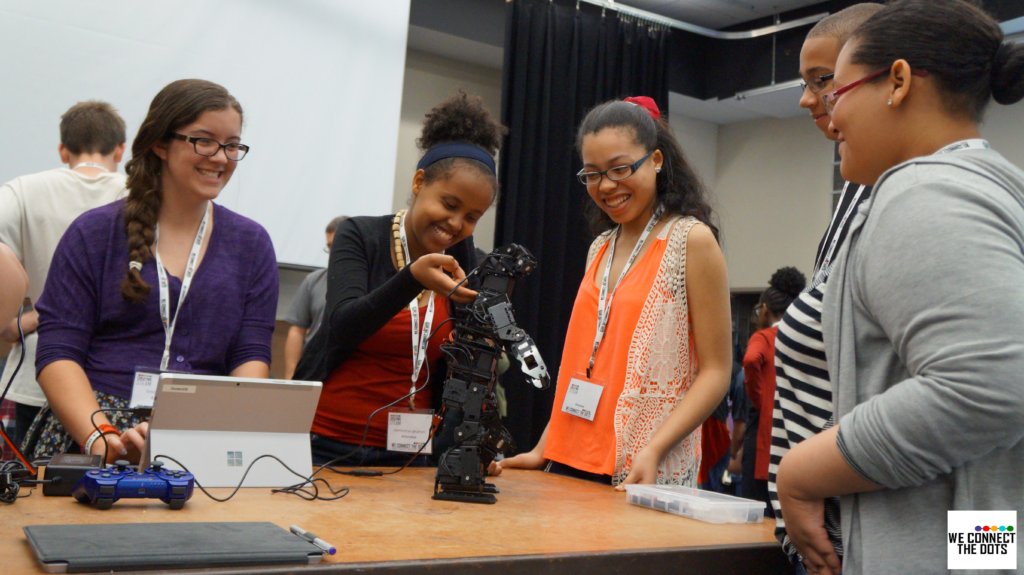
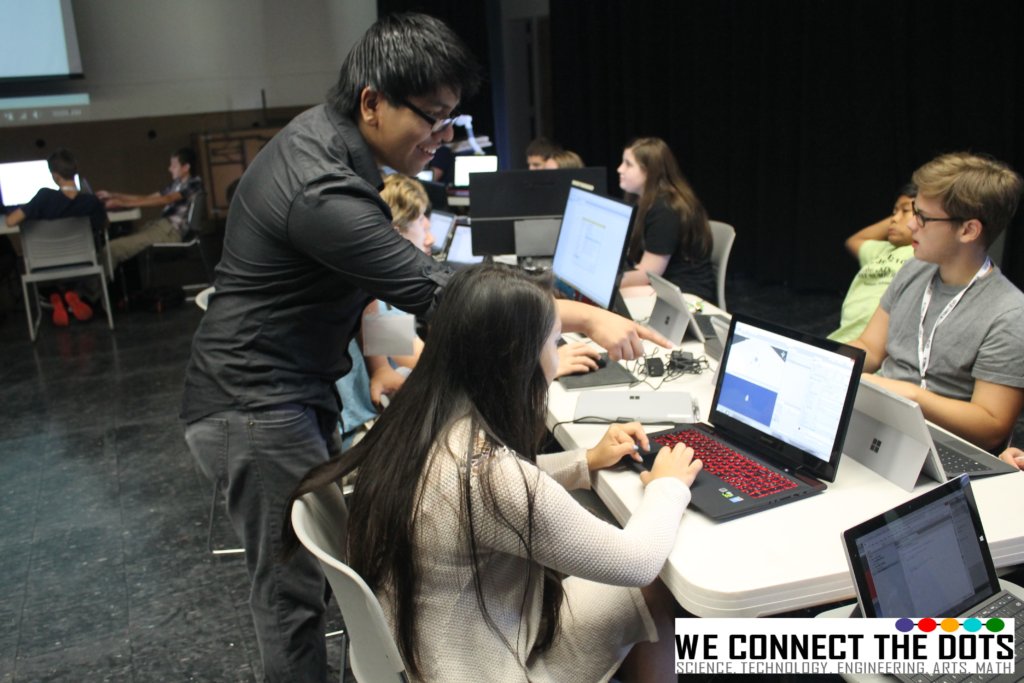
The International Back-to-School Hackathon was an experiential learning program designed in partnership with the Microsoft DX Team. The goal was to teach students how to leverage technology tools and gain invaluable experience in the kinds of skills that will be in high demand in the workforce of the 21st century. Students took part in lessons on using Microsoft Azure, a hosting platform for websites; GitHub, an online repository for code projects and an excellent resume building tool; HTML5, the markup language of the internet; JavaScript, another important coding language; and CSS, an artistic coding tool that allows developers to give websites their look and feel. In the course of the weekend students were also able to learn important cross-collaboration and time management skills, and have a lot of fun while doing it. Students proved their commitment to investing in their own learning — a critical characteristic for success in their future. Our goal is to support the development of life-long learners and this program was a step in that direction for many students. We are in the process of compiling the metrics from our student pre- and post-assessment and will share that out early next week. For information about upcoming programs or company news, please follow us on Facebook and Twitter, or join our mailing list
Below is a sample of the statistical data that we garnered during our program.
Total students across all sites: 86
% Girls attended: 43
% Boys attended: 57
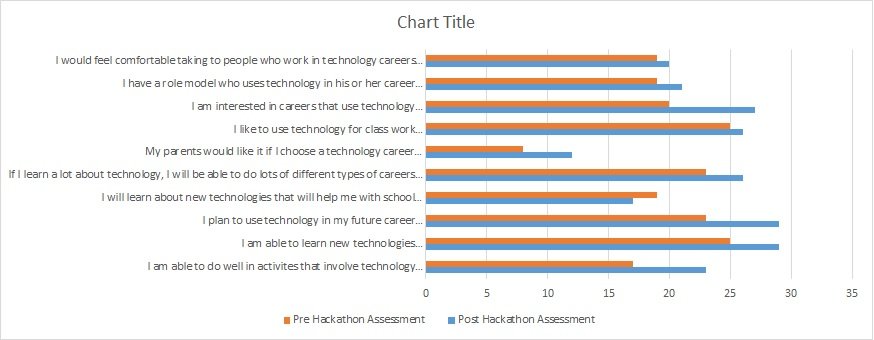
Below is a small sample of the statistical data garnered from our student assessment administered before and after the event. The results are based on just this 48 hours program! Imagine what could be done over the course of our two-week conference.
American Indian or Alaskan Native 6.8%
Asian or Pacific Islander 18.2%
Black or African American 27.3%
Hispanic or Latino 13.6%
White / Caucasian 59.1%
Prefer not to answer 4.5%
Other 4.5%
It is my pleasure to be able to share with you the projects created by our students, as well as a small sample of the relevant assessment data we collected from participating students. The chart below shows the impact of our programs based on students' understanding of the role of technology in the workplace and in education before and after the event. Please click on the following link that corresponds to your student’s location during the event for a look at the websites designed by the student teams:
St Josephs High School, Brooklyn NY
Penn Wood Middle School, Darby PA
Thanks to a lot of dedicated folks we were also able to capture lots and lots of great photos from the weekend’s events. We invite you to view each location’s photos by clicking on the corresponding link below:
If you are wondering how you can help We Connect the Dots, there are plenty of ways.
Call or write to events@we-connect-the-dots.org to take part in our mission to provide education to students around the world! How will you help us change the world for students around the globe?
Participating Cities
Upper Darby is an impoverished neighborhood in West Philadelphia. This program is life changing for many students in the Darby community. An opportunity to be exposed to skills and technology that they would likely never experience within their school district. This program provided students an opportunity to develop skills and understanding of how to empower their own learning and develop a growth mindset to become life-long learners.
St Joseph High School is an all-girls private school located in the Boerum Hill section of Brooklyn. Students from this location added an important diversity element to the Hackathon. A core component of all of WCTD programs is teaching the value of diversity and how important different perspectives of thinking and problem solving impact innovation. Working in teams of girls mixed with boys with ages ranging from 13-18 creates the real world experience for students. Teaching diversity at a younger age will ensure our female students sustain in careers where there is a higher ratio of male population, which over time will create the shift we seek. Providing critical learning for both genders to understand the value and the impact to our society long term.
Perth Australia brings the international component to the program, creating the opportunity for students to experience communicating across time zones and cultures. Students engaged as a group across sites using Skype, they were assigned a challenge to interact via Skype and Yammer to plan their projects and understand how their project would bring value in another country. The Australian team engaged with a program for girls called "SHINE" this program works with young women who are at risk of disengaging from the education system and society, negatively impacting their employment and life opportunities into the future. SHINE supports, educates and empowers young girls with the life skills and tools to ensure their future is in their hands. Overall the connection for these participants across Australia and the US brought a whole new level of experience this next generation of students will need as we become more and more a global software world.
Our goal for next year (January 20-22, 2017) will be to grow the number of schools and country's involved. This program was designed to scale and empower schools and communities to come together to learn and empower the next generation.
Project reports on GlobalGiving are posted directly to globalgiving.org by Project Leaders as they are completed, generally every 3-4 months. To protect the integrity of these documents, GlobalGiving does not alter them; therefore you may find some language or formatting issues.
If you donate to this project or have donated to this project, you can receive an email when this project posts a report. You can also subscribe for reports without donating.