By Joe Wachter and Marcia Selva | Inle Lake Environmental Farming Update - June 2015
Inle Lake Vermiculture Project Report
Reducing the detrimental effects of chemical fertilizer in Inle Lake in Myanmar is a major effort, but by small scale efforts, and small recurring donations it can be done. Global Community Service Foundation is committed to that goal.
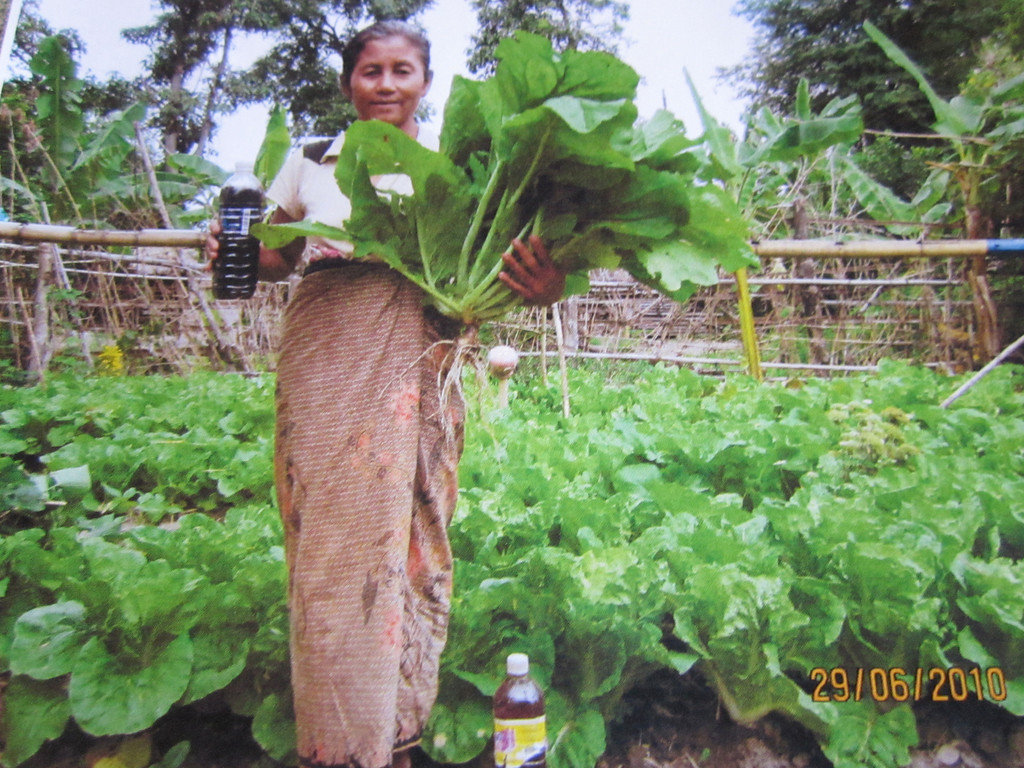
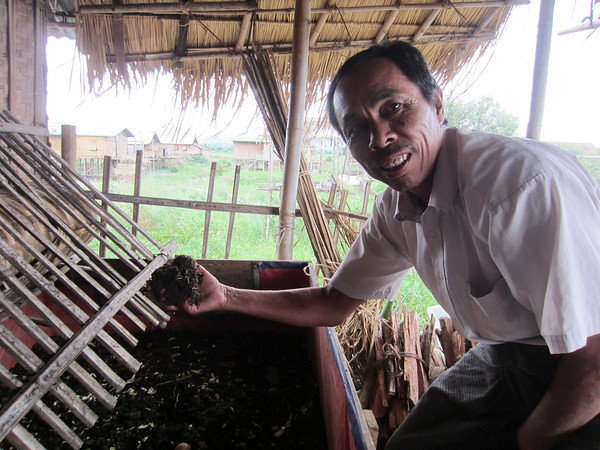
The use of vermiculture fertilizer on the land-based village gardens is showing effective results in reducing the amount of chemical fertilizer used, and is greatly improving the quality and quantity of vegetables grown. That improvement is enhancing the health of the natives.
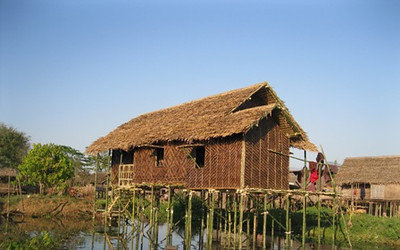
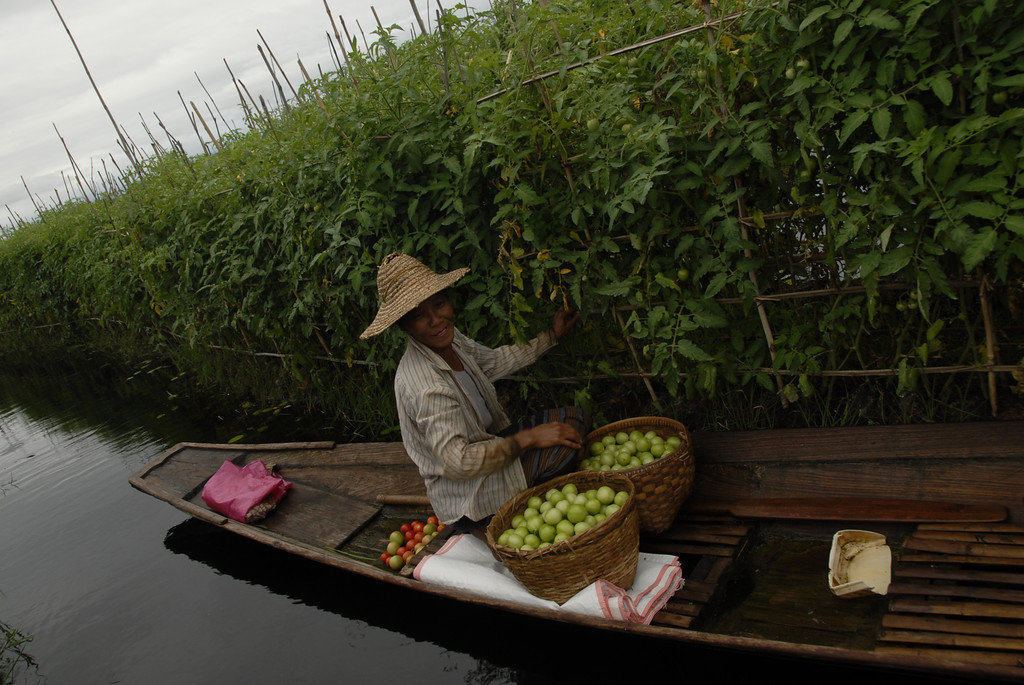
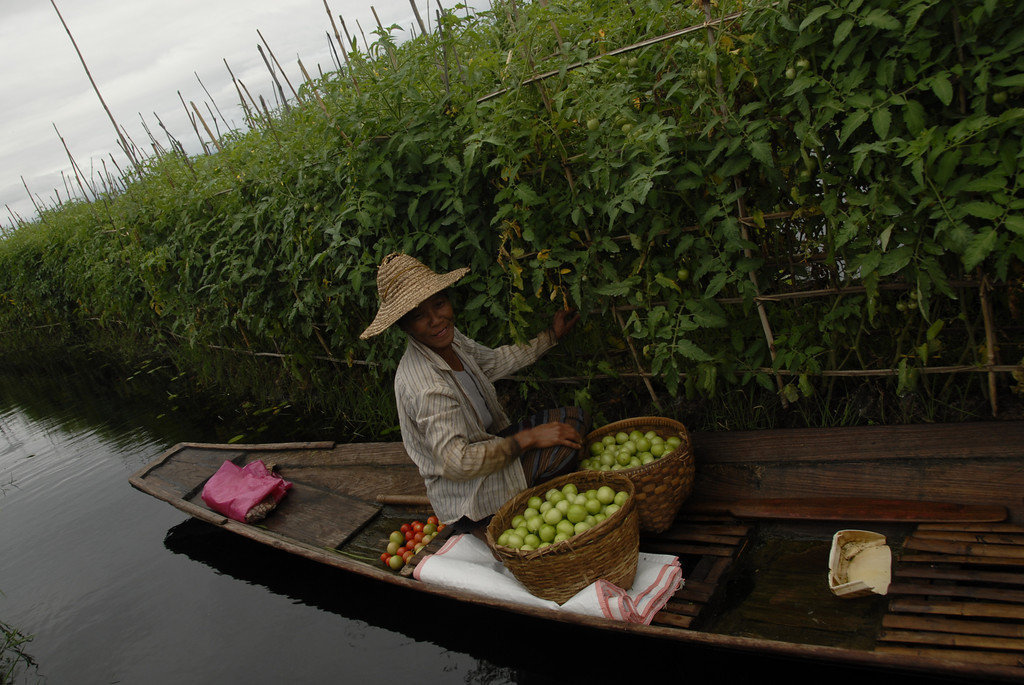
While there is significant improvement of ecological agriculture at the land-based gardens, the progress at the water-based gardens is slower. Our contacts at Inle Lake determined that the closer relationships between the land-based villages resulted in more leadership and more mutual cooperation for implementation of verminculture methods.
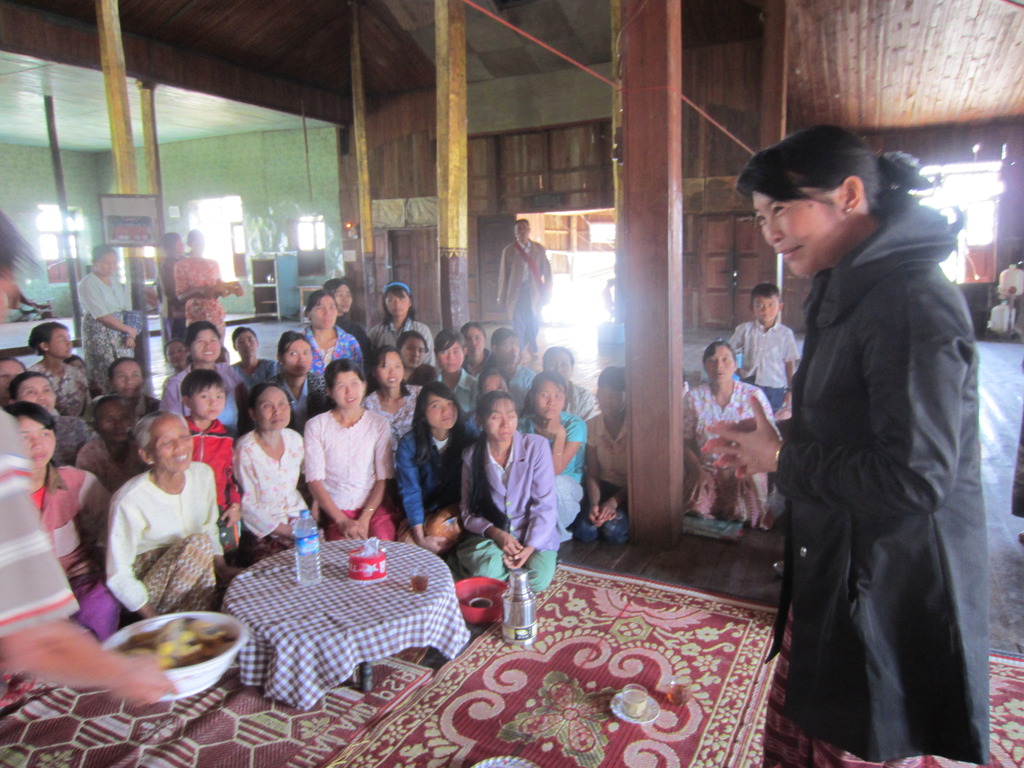
In order to improve the rate of progress of vermiculture production and use, and to expand efforts to improve Inle Lake, officers and members of the board of directors of GCSF intend to visit the lake (at their own expense) in November.
The following options will be discussed with the Inle Lake natives, and considered;
GCSF President Selva said, “We can easily help one family, or one village, but the need is to ecologically improve the lake to improve the environment, save lives and improve family health for now, and for generations to come.”
“Since we have been using vermiculture produced fertilizer the quality and quantity of vegetables are better. It does immediately show its power, as chemical fertilizer does, but given time the growth rate of the crops is higher, the quality of the vegetable is better, the lake is cleaner and the people healthier.
A Inle Lake Village leader remarked;
“Inle Lake is like our parents. And when our mother and father gets sick, we need to cure them,” said U Myo Myint, a lakeside dweller who has switched to organic farming. “But we still have time to heal this place. We still have hope.”
Links:
Project reports on GlobalGiving are posted directly to globalgiving.org by Project Leaders as they are completed, generally every 3-4 months. To protect the integrity of these documents, GlobalGiving does not alter them; therefore you may find some language or formatting issues.
If you donate to this project or have donated to this project, you can receive an email when this project posts a report. You can also subscribe for reports without donating.