By Sao Ei Sandar (Sandra) Myat, and Joe Wachter, GCSF | Sandra GCSF Representative Myanmar and Joe Wachter
Report on the Progress of the Inle Lake Myanmar (Burma) Worm Project – September 20013
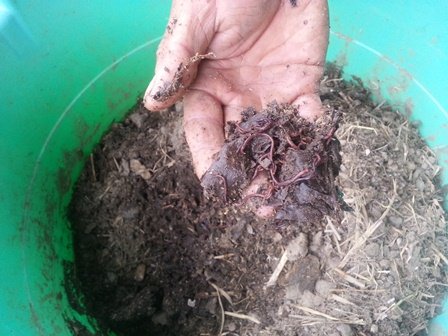
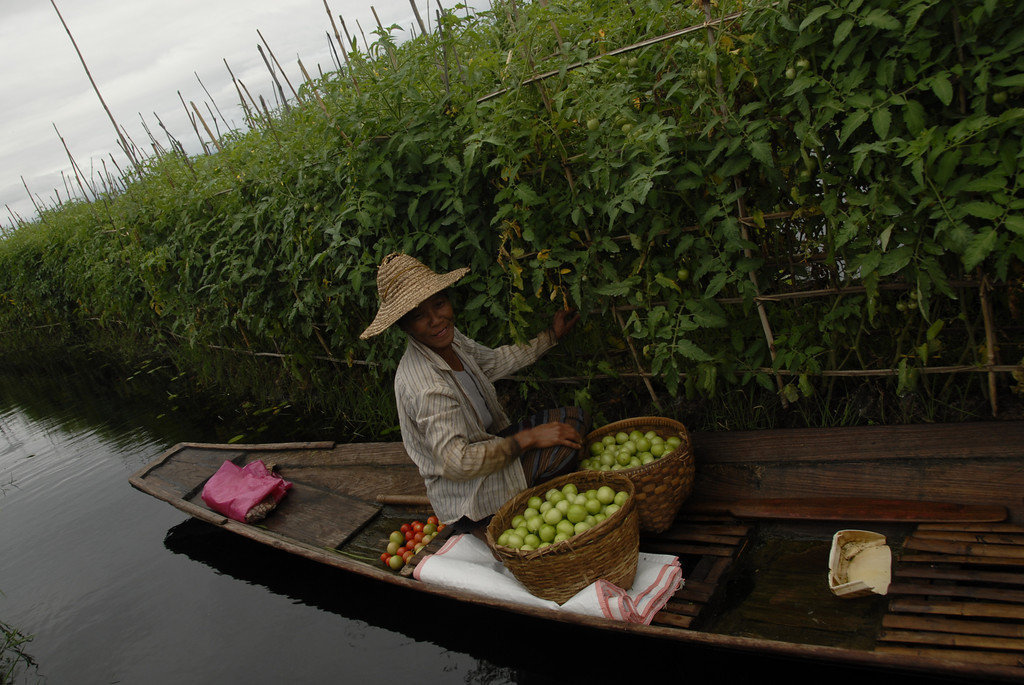
In August 2013 Sao Ei Sandar (Sandra) Myat, a Global Community Service Foundation representative in Myanmar, reported that to date more than seventy-five families at Naung Taw lae Chay village are participating in the vermicomposting (use of worms to produce crop fertilizer).
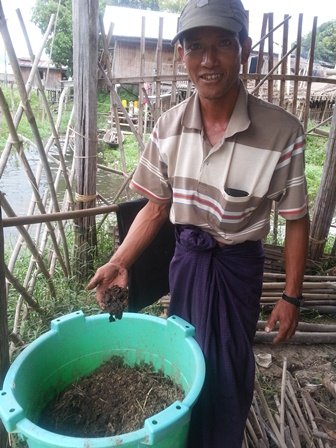
U Aye Maug has been successful with the program. He received his training from Ma Hnnin Hnin Ohnne, another GCSF representative, in June 2011. He was in the second group trained in the worm process. He was given 300 worms to start his worm composting process.
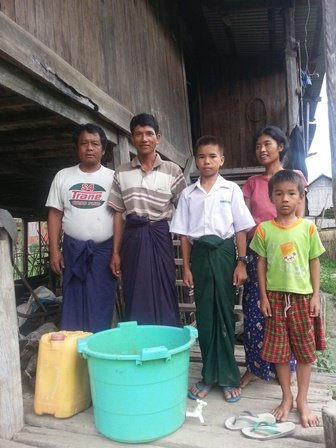
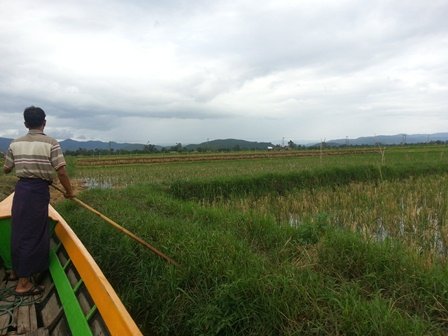
Mr. Maugs family consists of his wife, four children, a grandmother and a disabled niece, so he had many depending on his agriculture efforts. He reports that, by use of the worm castings as fertilizer, the yield from his one acre rice field doubled, and he was not required to buy chemical fertilizer. After six months of worm breeding and fertilizer creation, he (and the worms) produced more fertilizer than he could use on his crops, so he began to sell the fertilizer to others in the village; his first profit was 6,500 Kyats (about $6.50). Thus far, in 2013, he has turned a profit of 650,000 Kyats (about $650).
More good news; Mr. Maugs son will be attending the Government Agriculture University, and, we hope, he will be a valuable contributor to vermicomposting projects
With that kind of progress, it is only a matter of time, and support, until vermicomposting projects will be established at all forty-four villages around Inle Lake.
Joe Wachter, a volunteer member of the GCSF Board of Directors, and the project manager for the worm project, delineated the following benefits of the project;
By use of worm fertilizer the use of chemical fertilizer is reduced and the lake will, in time, become less polluted, and the incidence of chemically induced medical issues like skin lesions will be reduced,
Crop quality and quantity will be improved; thereby improving the nutrition and reducing incidents of disease like “soft bone” for the Inle Lake families
And as Mr. Maungs experience shows, there is opportunity from micro-enterprise to spread the use of this eco-friendly method of crop production.
Project reports on GlobalGiving are posted directly to globalgiving.org by Project Leaders as they are completed, generally every 3-4 months. To protect the integrity of these documents, GlobalGiving does not alter them; therefore you may find some language or formatting issues.
If you donate to this project or have donated to this project, you can receive an email when this project posts a report. You can also subscribe for reports without donating.