By Dr. Gladys Kalema-Zikusoka | Founder and CEO
This report contains the progress of Conservation Through Public Health's project on GlobalGiving, titled "The Gorilla Guardians of Bwindi, Uganda #44078." In our last report from February 2026, we had recorded 554 donations worth $36,142. To date, we have received 575 donations, totalling $38,255 toward our $50,000 goal. Thank you very much for your continued support.
What we have done this quarter
Gorilla Health Monitoring
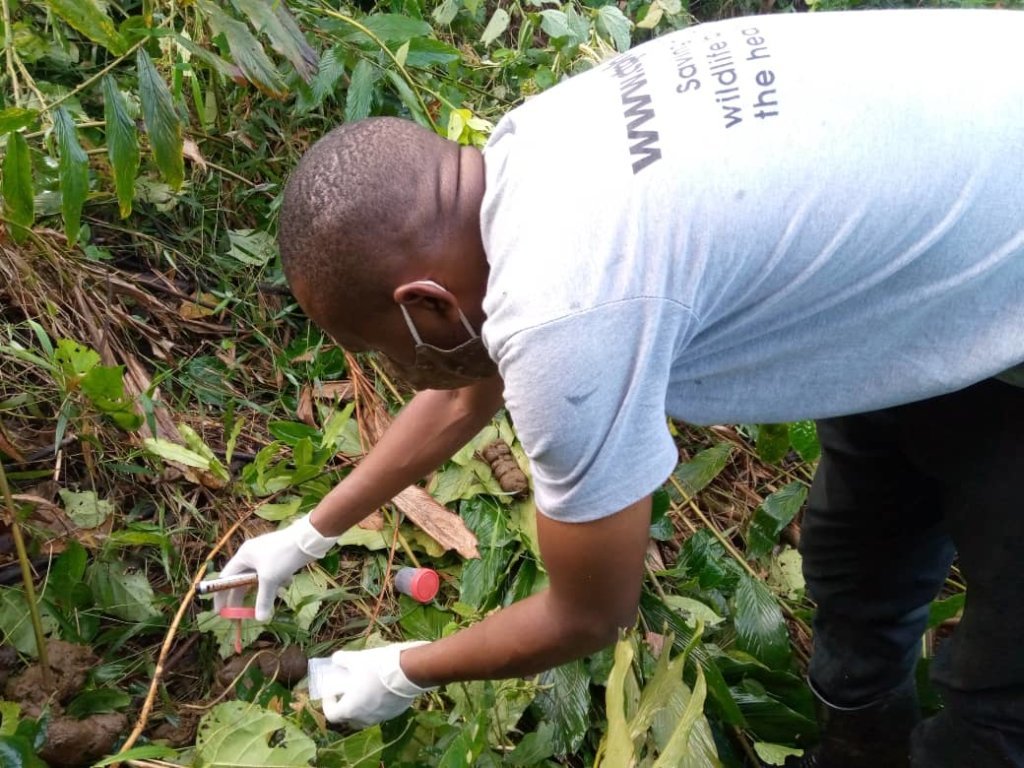
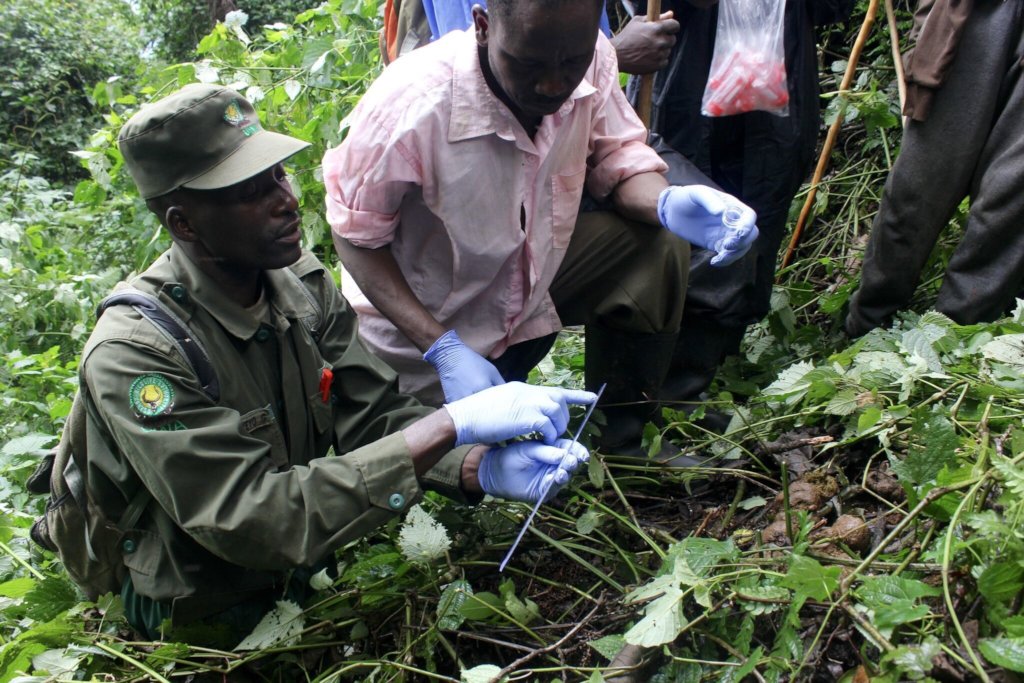
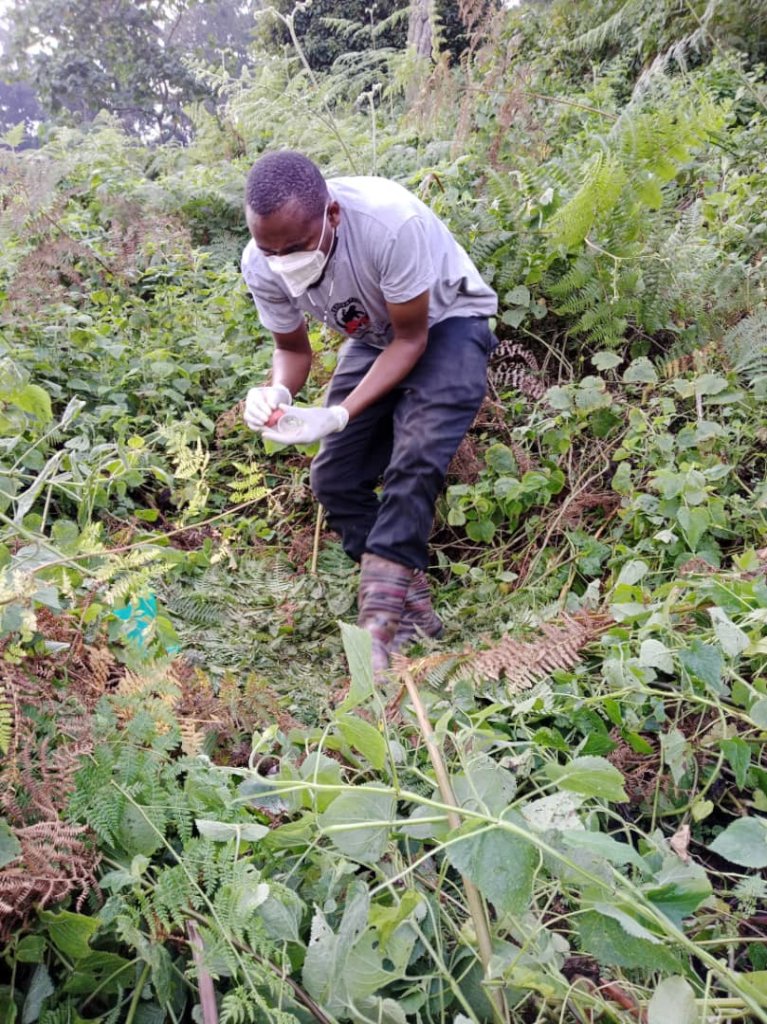
We continued our routine gorilla health-monitoring program in partnership with Uganda Wildlife Authority (UWA) rangers and the Gorilla Guardians of the Bwindi and Mgahinga Conservation Area (BMCA). In this reporting quarter, we successfully collected and analysed an average of 204 gorilla fecal samples each month from all 28 habituated gorilla groups of Bwindi and Mgahinga Conservation Area for intestinal helminth parasites and other pathogens strengthening our early warning system to protect gorillas from diseases. Faecal samples are collected routinely by CTPH staff, UWA park rangers, and Gorilla Guardians/Human and Gorilla Conflict Resolution Teams (HUGOs), all of whom have been trained in non-invasive collection and preservation of faecal samples.
Following a trend in ascaris infections (a human related parasite) in some gorilla groups, CTPH is currently conducting a focused study on Ascaris transmission in the Northern Sector of Bwindi Impenetrable National Park. During this reporting period, 300 human faecal samples and 139 swine samples were collected from 89 households across six villages. Preliminary laboratory analysis identified 121 human and 27 swine Ascaris infections, alongside 25 human and 117 swine hookworm infections, highlighting the continued risk of zoonotic disease transmission at the human-animal-environment interface. CTPH then conducted a large-scale deworming intervention in March 2026 targeting both people and livestock. Follow-up laboratory assessments conducted in May demonstrated remarkable results, with a 100% reduction in Ascaris egg counts in both humans and swine, with all samples testing negative for Ascaris spp. Swine hookworm egg counts were also reduced by 96.8%. While a small residual hookworm burden remains in swine, this may indicate ongoing environmental reinfection pressure, showing the need for continued surveillance and monitoring.
Gorilla Births
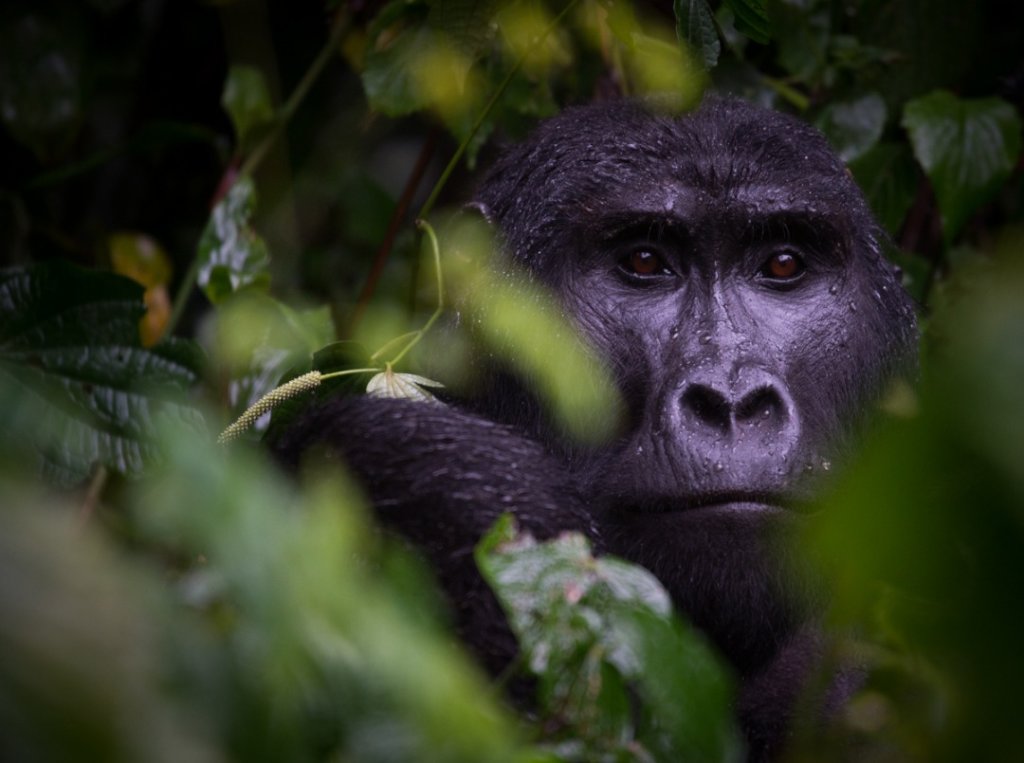
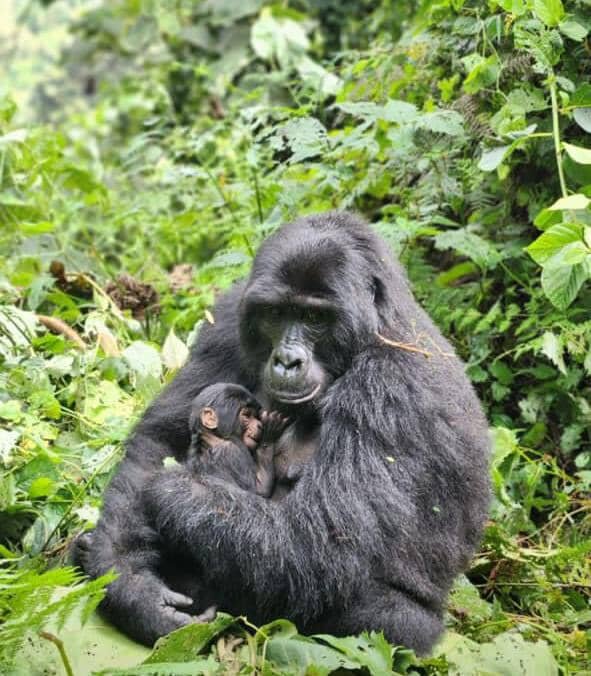
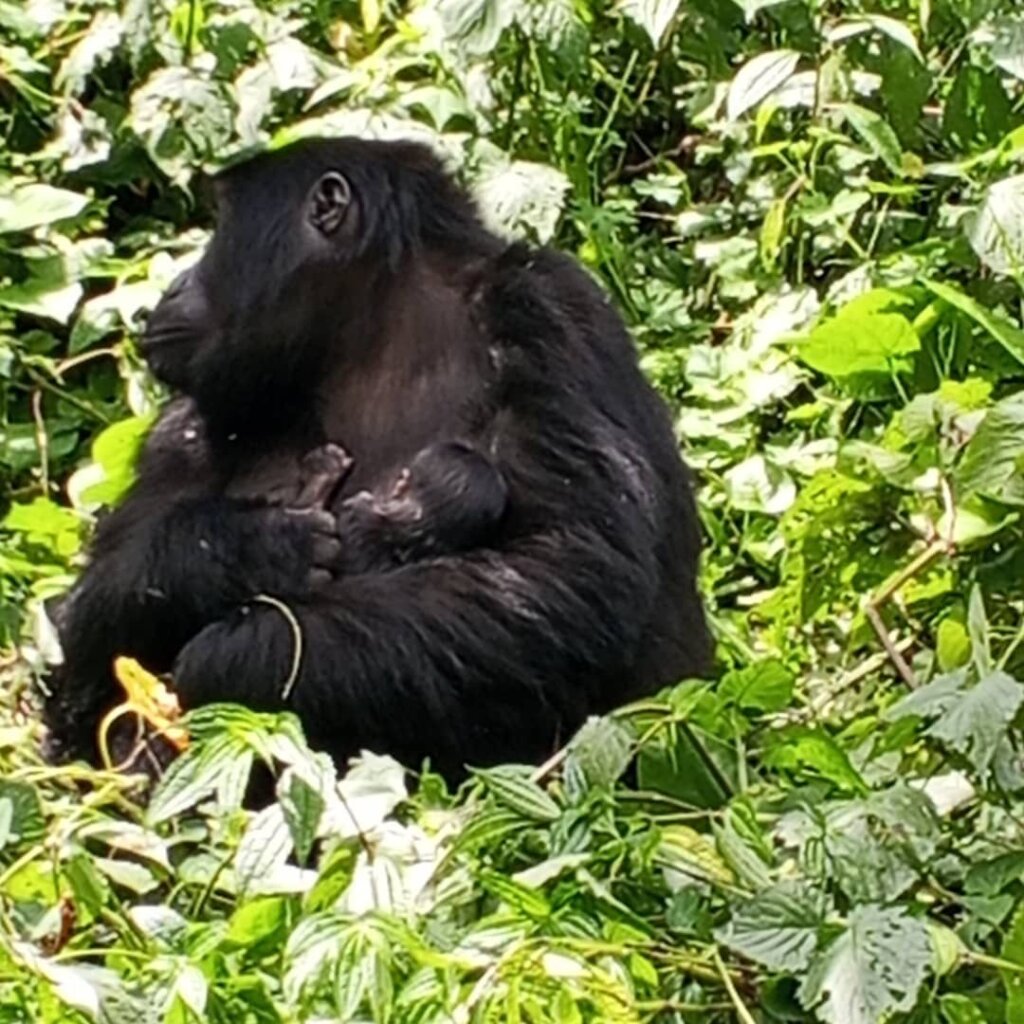
This quarter brought wonderful news from across Bwindi, with two gorilla families welcoming new infants. In the Rushaga sector, the Mishaya Gorilla Family welcomed a newborn, increasing the group's membership from 9 to 10 individuals. The baby's mother is Adult Female Bashekura, and this joyful addition is a further testament to the positive impact of long-term protection, community involvement, and sustained conservation efforts in Bwindi.
From the Eastern Sector, the Bitukura Gorilla Family also celebrated new arrivals. A baby was born on Easter Monday to Adult Female Thursday, bringing great joy to the conservation community. Shortly after, in May 2026, adult female Kanohiri also gave birth, making it a remarkable season of growth for the Bitukura family.
We congratulate both families on welcoming these new bundles of joy, each one a meaningful contribution to the growing mountain gorilla population.
Gorilla Guardian Interventions
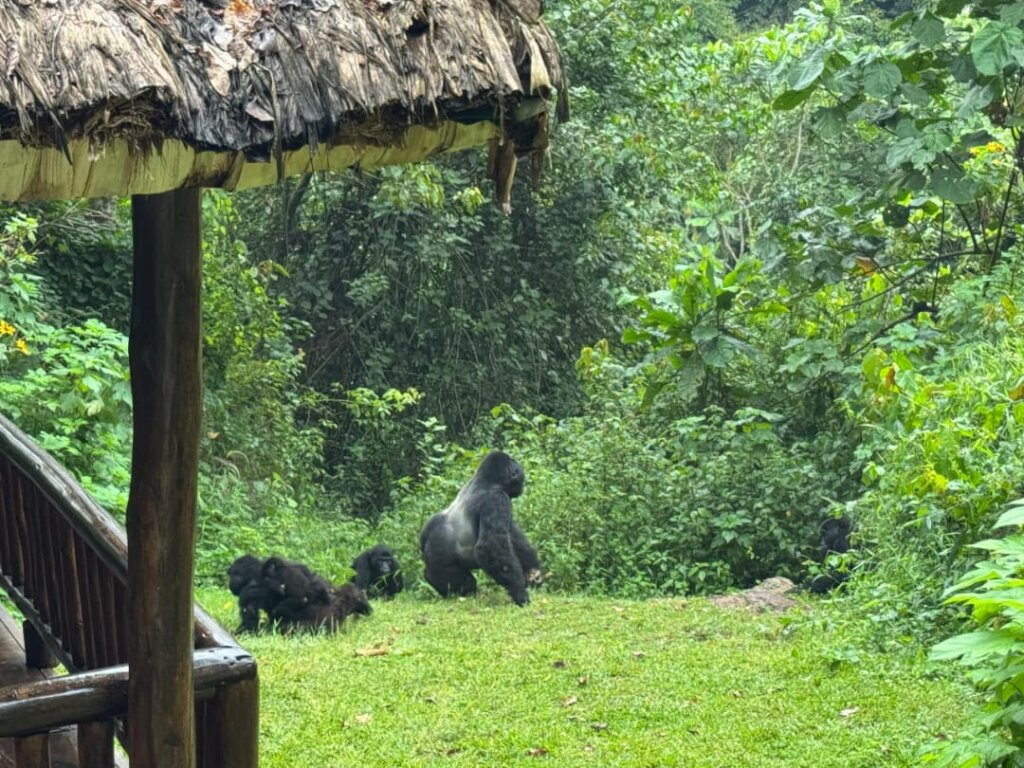
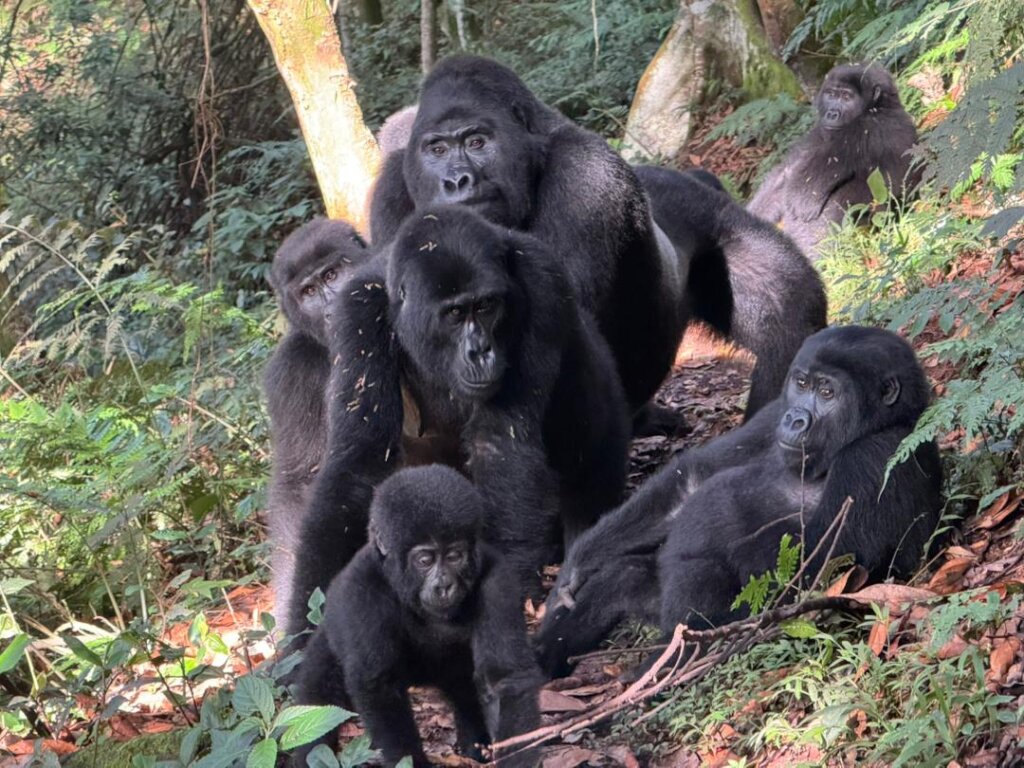
This quarter, the Gorilla Guardians demonstrated why their work remains as vital as ever. In one notable incident, the Mubare Gorilla Group, one of Bwindi's most well-known habituated families, was spotted foraging in the grounds around Engagi Lodge, venturing well outside the boundaries of the forest. The situation had the potential to create a dangerous and stressful encounter for both the gorillas and the people nearby. Responding swiftly, the Gorilla Guardians were called to the scene and successfully guided the family back into the safety of the forest, preventing any harm to the gorillas, lodge staff, or guests. Incidents like this are a powerful reminder of why the Gorilla Guardians program continues to be a cornerstone of CTPH's conservation strategy. As human settlements and tourism infrastructure expand along the edges of Bwindi Impenetrable National Park, the boundaries between gorilla habitat and human space grow increasingly thin.
Keeping gorillas within their natural habitat is not only essential for their physical health and social wellbeing, it also protects the livelihoods of the communities who depend on sustainable gorilla tourism. When gorillas stray into lodges, farms, or villages, the risk of disease transmission, injury, and retaliatory conflict increases significantly. Every intervention carried out by the Gorilla Guardians helps preserve the delicate coexistence that conservation in Bwindi depends upon. We are deeply grateful to these dedicated volunteers, and to supporters like you, whose generosity makes this life-saving work possible.
Ebola Outbreak
Many of you may have heard the deeply concerning news about the Ebola outbreak that has spread from the Democratic Republic of Congo into Uganda, and our hearts go out to all those affected. There is a close connection between conservation and human livelihoods. Loss of income pushes people to enter forests illegally in search of food and fuelwood for their families. This was seen clearly during the COVID-19 pandemic, when many community members around Bwindi lost their livelihoods due to the halt in tourism, and we witnessed the first instance of poaching when Silverback Rafiki from the Nkuringo gorilla family was killed by a poacher.
Thankfully, mountain gorillas have not contracted Ebola before; however, their cousins, the Western Lowland Gorillas in the forests of Congo Brazzaville and Gabon in Central Africa have.
Acting swiftly to prevent further human-to-human transmission of Ebola will prevent potential spread to the mountain gorillas, while also protecting people's livelihoods, which are so important for the continued coexistence between people and gorillas. We are raising funds to train rangers and community volunteers to prevent Ebola among people and between people and gorillas. The Uganda Ministry of Health is working effectively to contain the disease, and CTPH is actively partnering with community volunteers to carry out behaviour change communication to prevent further spread.
Equipment Donation to Uganda Wildlife Authority
This quarter, CTPH donated equipment and materials to Uganda Wildlife Authority (UWA) to strengthen Ebola response efforts and enhance surveillance systems in Bwindi Conservation Area.
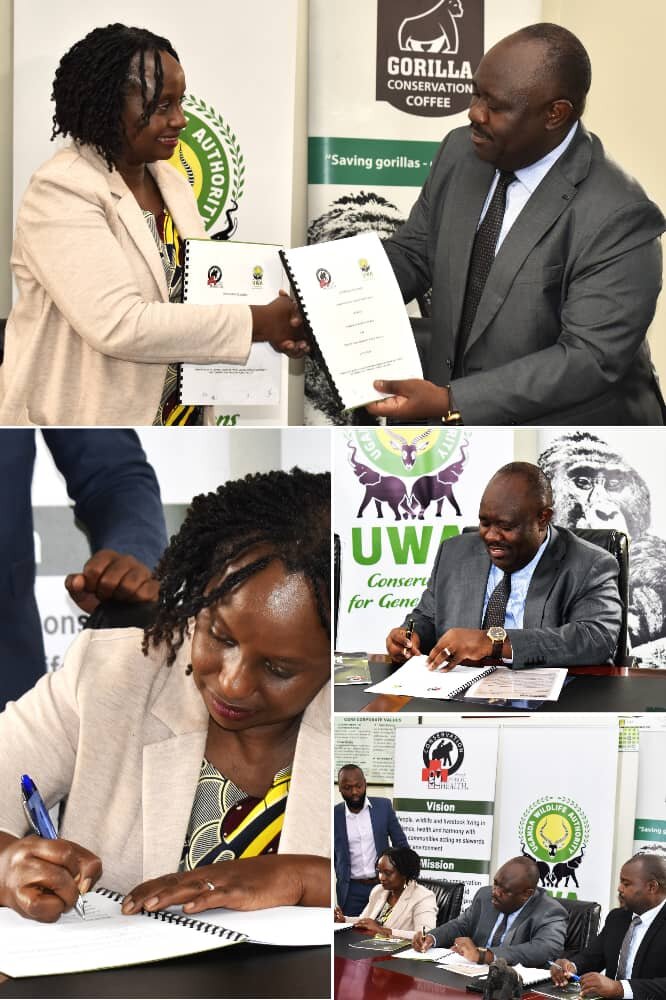
The donation was handed over by Dr. Gladys Kalema-Zikusoka, Founder and CEO of CTPH, in support of ongoing Ebola preparedness and the continued implementation of the Bwindi Impenetrable National Park (BINP) surveillance system. The donation included 25 non-contact infrared thermometers for temperature measurements of frontline workers and tourists, 450 sets of ranger rain gear, 16 Blackview BV5300 Pro smartphones, 17 Blackview BV6200 Plus smartphones, and 33 solar power banks to enhance forest surveillance. The support was mobilised through partnerships with Tusk Trust and the Wildlife Ranger Challenge.
Receiving the donation, UWA Executive Director Dr. James Musinguzi described the support as timely and critical, especially during a period when heightened disease surveillance is required to safeguard both wildlife and visitors. He noted that the thermometers will strengthen health screening efforts, while the smartphones and power banks will improve communication, data capture, and field surveillance. The rain gear will protect rangers and guides working in the challenging conditions of Bwindi's tropical forests, enabling them to continue their duties effectively.
Dr. Musinguzi thanked CTPH for the support and commended the strong partnership between the two institutions, noting that collaborative efforts are essential in addressing emerging conservation and public health challenges. He pledged UWA's continued commitment to working with partners to protect wildlife, support healthy communities, and strengthen Uganda's conservation efforts.
Gorilla and Chimpanzee Census
We are thrilled to share that the long-awaited Gorilla and Chimpanzee Census, as first announced in our previous report, was completed, and the CTPH team was proud to be part of this landmark effort! In partnership with the International Gorilla Conservation Programme (IGCP), Uganda Wildlife Authority (UWA), and other conservation partners under the Greater Virunga Transboundary Collaboration (GVTC) and the Jane Goodall Institute, our team contributed to what is one of the most important wildlife surveys in the region. This vital census assessed the health, population, and habitat conditions of mountain gorillas across Bwindi and beyond. The last census, conducted in 2018, counted 1,063 mountain gorillas worldwide, and we eagerly await the new figures to see how the population has grown. The Gorilla and Chimpanzee Census has now been concluded. The census confirmed 426 chimpanzees in Bwindi Impenetrable National Park, the first-ever chimpanzee census conducted in Bwindi, marking an important milestone for conservation. We are awaiting the official release of the new mountain gorilla population numbers and will keep you updated as soon as the results are out.
Thank you very much for your continued support of Conservation Through Public Health.
Links:
Project reports on GlobalGiving are posted directly to globalgiving.org by Project Leaders as they are completed, generally every 3-4 months. To protect the integrity of these documents, GlobalGiving does not alter them; therefore you may find some language or formatting issues.
If you donate to this project or have donated to this project, you can receive an email when this project posts a report. You can also subscribe for reports without donating.



Support this important cause by creating a personalized fundraising page.
Start a Fundraiser