By Sarah Smith | Fundraising Officer
‘This project report is a submission to GlobalGiving’s 2017 Fail Forward Contest, where organisations are asked to share a story of when they tried something new that didn’t go as planned and how they learned from it. Enjoy!’
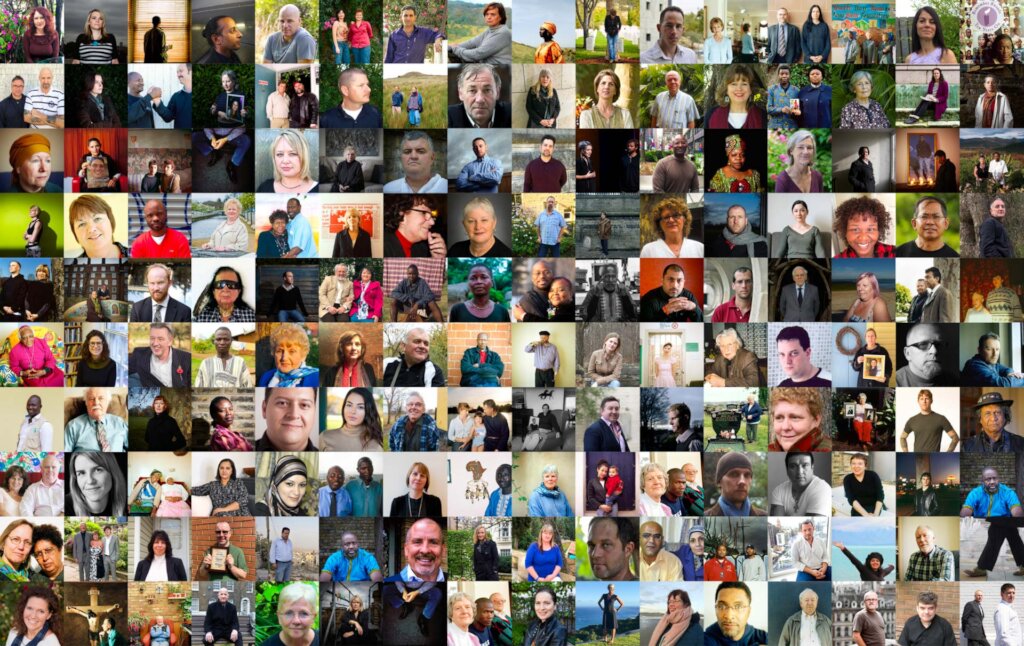
The Forgiveness Project has spent over a decade sharing the possibilities of forgiveness through real human stories. The exhibition The F Word led to the founding of The Forgiveness Project as a charity, and it remains a key part of our work today. The last 14 years have seen us growing, evolving, and of course, making mistakes. Importantly, these mistakes have provided the opportunity to learn and grow.
It’s easy to fall into a pattern when working on a project over the years. However, taking the time to evaluate, and scrutinise exactly why you are doing the work in a particular way, is incredibly important – but often neglected, fuelled by the idea that ‘we’ve always done things this way’. We learnt the importance of this when we carried out a front-end evaluation of The F Word exhibition.
This gave us a completely new perspective, and opened our eyes to one issue in particular; we made too many assumptions about our audience, and the way they would receive the exhibition. Whilst it may be suitable to read an 800 word passage at home on a screen, standing in an exhibition requires an adapted approach. We realised that to read all the stories featured in the exhibition, it would have taken around four hours!
An important part of The F Word, and indeed TFP as a whole, is that the stories are able to reach a wide range of people. Recognising this, it became apparent that we had been making assumptions about our audience’s ability to read that amount of text, and had overlooked the different ways in which people learn. As we wanted The F Word to be inclusive, we recognised that we would need to adapt the way the stories were presented, and even create new ways for people to interact with the exhibition. It started to become apparent to us that the exhibition needed to become an experience, rather than simply a reading exercise.
These findings and reflections are what ultimately inspired the re-launch and new design of the exhibition.
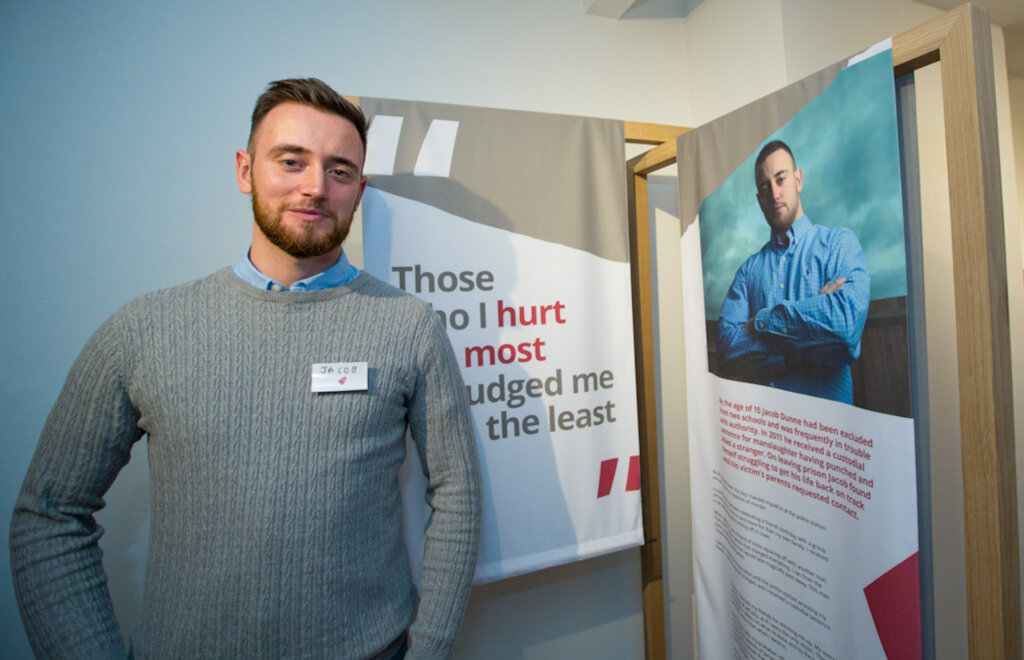
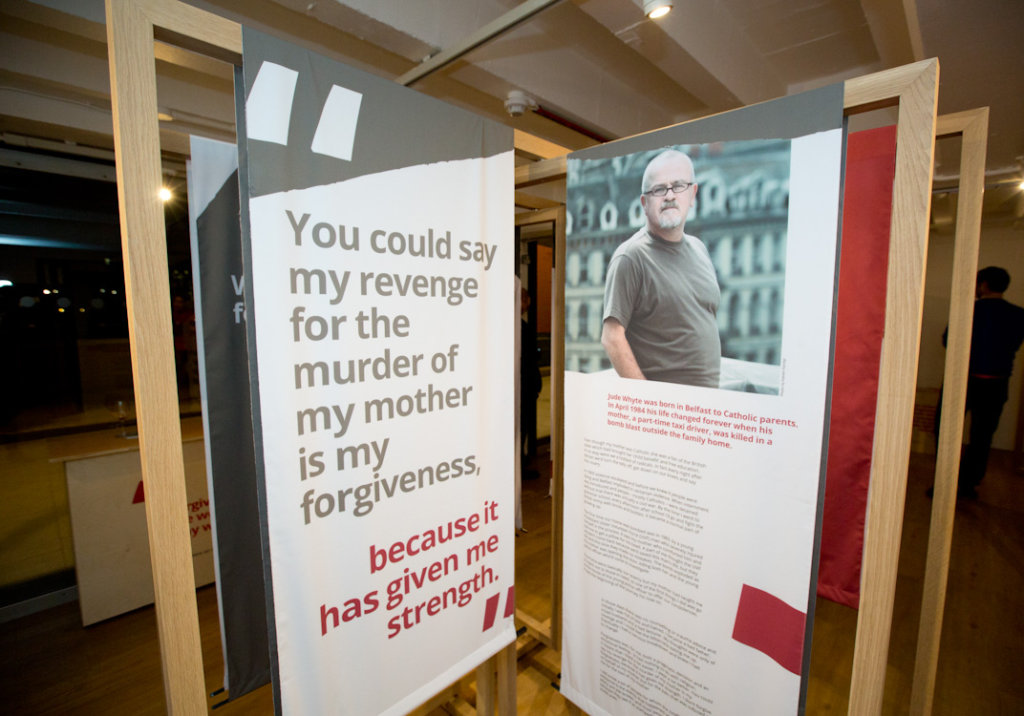
We listened to the feedback, and reduced the amount of text. We pulled key quotes from the stories, displaying them in large font and using colours to highlight and emphasise key points. This gave people more choice in how they understood the stories. We also had a selection made into short videos in response to the overwhelming feedback that videos would help engage viewers, and diversify the exhibition.
The very structure of the exhibition was rethought as we explored how space influenced the experience. From our evaluation, we learnt that people tended to look at the panels nearest the end of the row, suggesting a need for privacy when reading the stories. This inspired our decision to develop a structure in which you could create corners and alcoves, allowing for private engagement.
Creating these changes and seeing our work evolve, was a humbling experience. We do not have all the answers now, but we have the drive to keep seeking for new solutions so that everyone has access to powerful stories of transformation. Importantly, we learned that TFP is just as much a learning experience for those within the team, as is it for those who view the exhibition.
Project reports on GlobalGiving are posted directly to globalgiving.org by Project Leaders as they are completed, generally every 3-4 months. To protect the integrity of these documents, GlobalGiving does not alter them; therefore you may find some language or formatting issues.
If you donate to this project or have donated to this project, you can receive an email when this project posts a report. You can also subscribe for reports without donating.



Support this important cause by creating a personalized fundraising page.
Start a Fundraiser