By Akira Imanari | Global Peace-builders Development Project staff
Thank you for following the Global Peace-builders Development Project. In this update, we share what this year's ten high school students at Tomeikan High School in Saga, Japan, have learned since their course began in May.
Understanding Africa's conflicts through their own research (May–July)
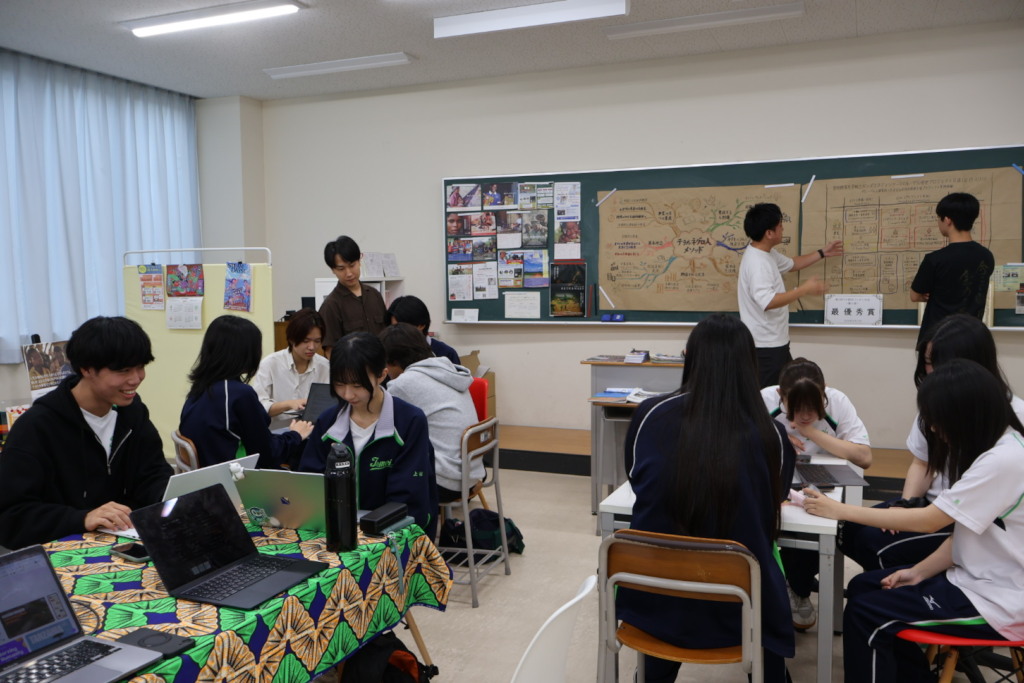
In May, ten second-year students began this year's course. They meet three times a week in a class taught jointly by their teacher and our staff. Each student received a copy of Why Doesn't War End in Our Africa?, written by Shingo Ogawa, who has led our work in Uganda for many years.
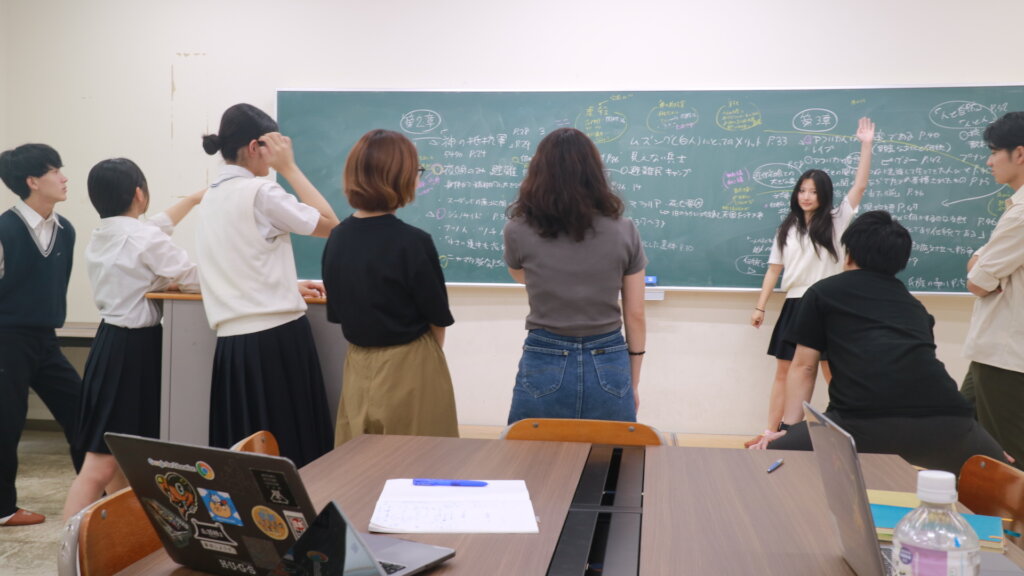
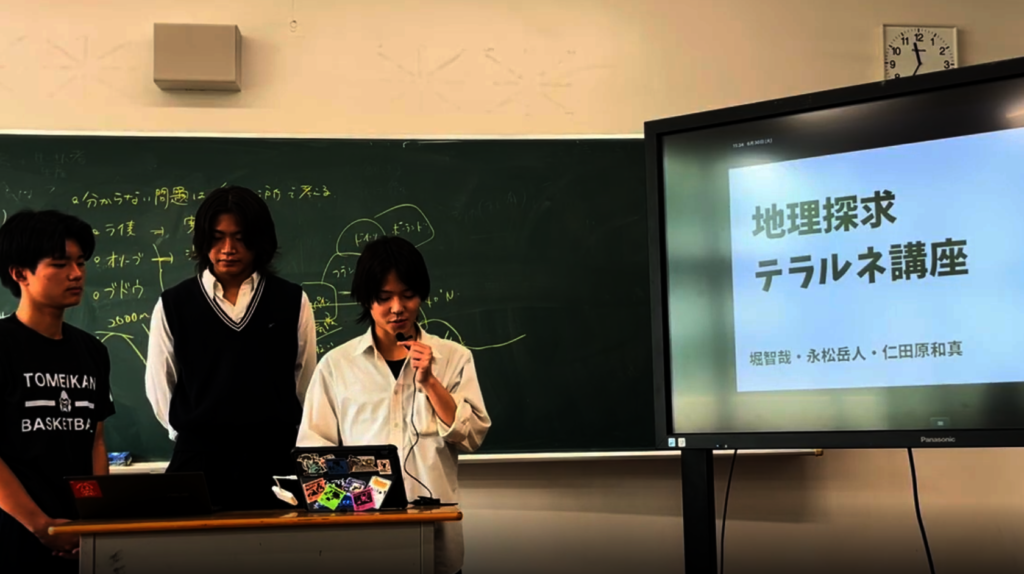
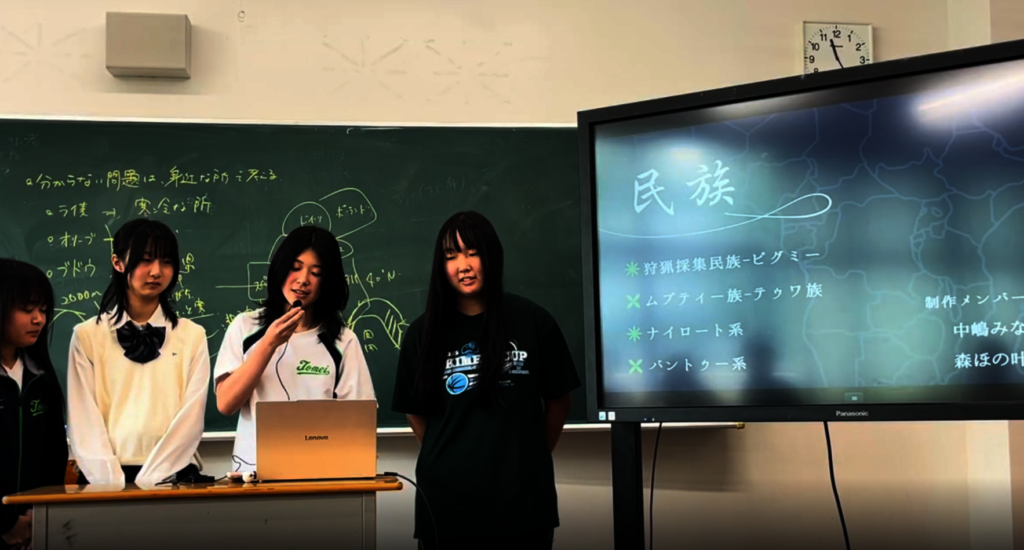
The students worked through the book chapter by chapter. For each one, they split into teams, looked up the words and events they did not understand, and then presented to their classmates. Their topics included the "world war" in the Democratic Republic of the Congo and the conflict minerals linked to the phones we use every day, the Rwandan genocide, colonial rule and the scramble for resources, and why conflicts continue today. In July, the class moved on to dialogue sessions about the world order and what we in Japan can do, including a recorded talk from a staff member of Terra Renaissance in Uganda.
Here is what two students wrote after the first round of presentations:
"Looking things up together as a team made them sink in much faster than studying alone. Presenting without a script, I felt I was speaking from what I really understood."
"The Rwandan genocide is in the past, but discrimination and conflict are still with us today. To avoid repeating the same tragedy, we have to learn from history."
Learning project management in Minamata (July)
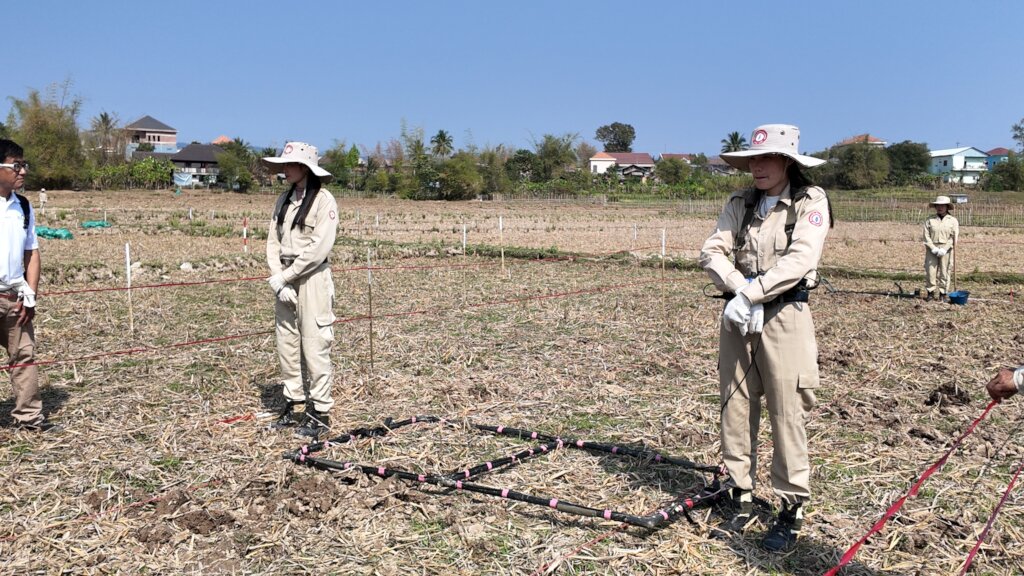
Before the students design a project with communities in Uganda, they need two skills: doing fieldwork with respect for the people they meet, and running a project that involves many stakeholders. After two classroom sessions of project management exercises, the students traveled on July 28 to Minamata, Kumamoto. The city has spent decades recovering from Minamata disease, one of the worst cases of industrial pollution in Japan's history.
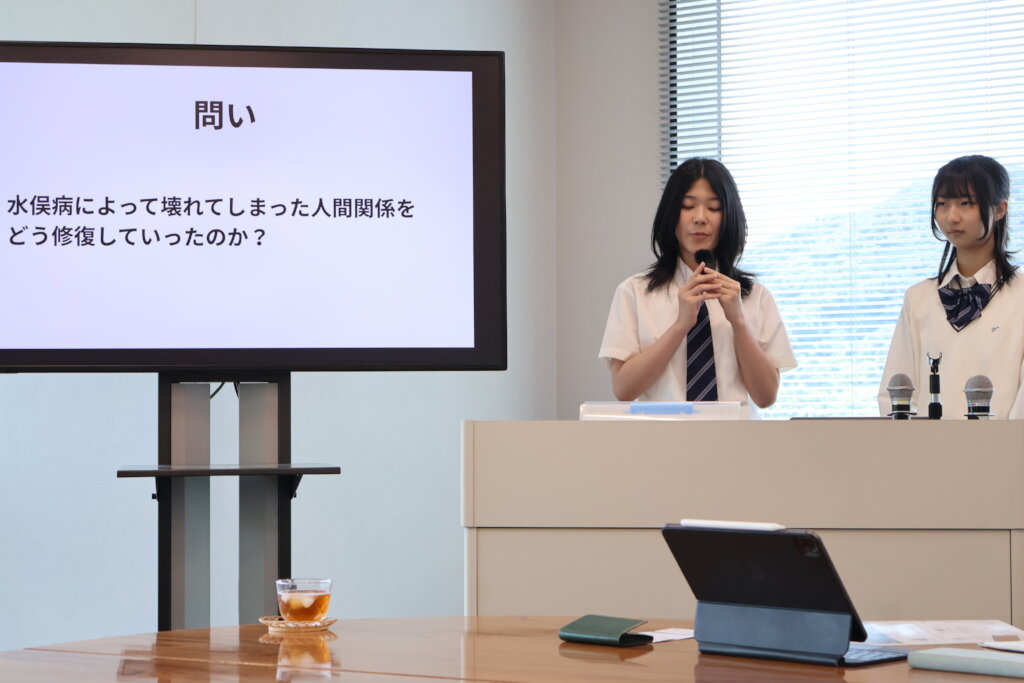
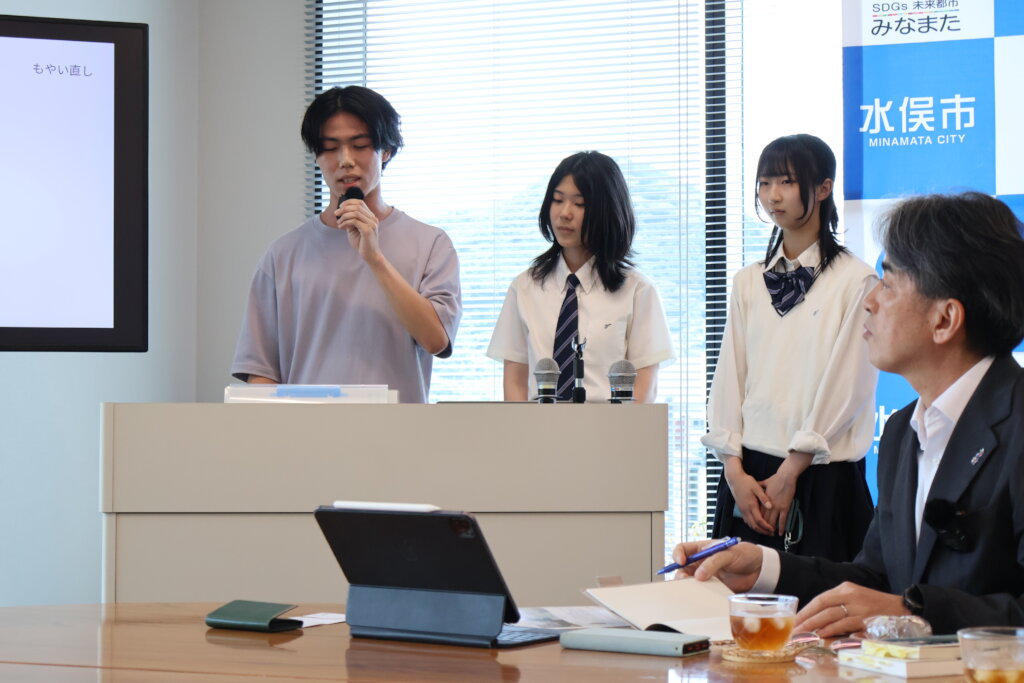
There, the students held a dialogue session with the city's Deputy Mayor, who has years of experience in facilitation and project management. They learned how local government, citizens, companies, and affected people worked together toward recovery over many years.
Back in class, the students turned the fieldwork into a structured research report. It follows a full cycle: background, identifying the problem, a research question, a hypothesis, investigation, findings, discussion, and a proposal. They are preparing to share the report with the Deputy Mayor. This is the same process they will use to design their project for Uganda.
Getting to know Uganda (September)
In September, the class entered its practical phase. The students divided the study of Uganda into five themes (physical geography, daily life, politics, economy, and history) and began researching the country they plan to visit. Our Secretary General gave lectures on how to plan a project. Next, the students will hear directly from our team in northern Uganda about what the community actually needs, before they decide what to do.
What's Next
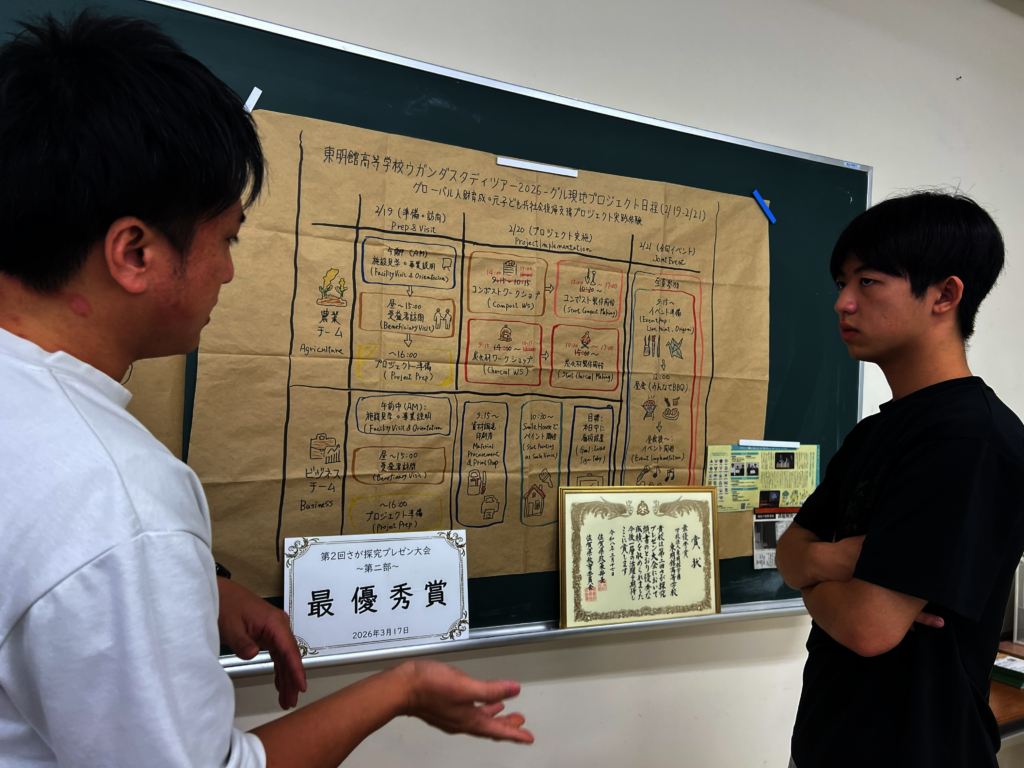
The students plan to travel to northern Uganda in early 2027. There they will put their project into practice alongside the communities our Uganda team works with. A briefing for parents is scheduled for October.
How Your Donation Will Be Used
These ten students have spent months learning to look at conflict not as someone else's problem, but as something they are part of. Please click the "Donate" button today and help them take the next step, from the classroom to the field.
Thank you for walking this journey with them.
Project reports on GlobalGiving are posted directly to globalgiving.org by Project Leaders as they are completed, generally every 3-4 months. To protect the integrity of these documents, GlobalGiving does not alter them; therefore you may find some language or formatting issues.
If you donate to this project or have donated to this project, you can receive an email when this project posts a report. You can also subscribe for reports without donating.



Support this important cause by creating a personalized fundraising page.
Start a Fundraiser