By Dan McIntosh | Manager
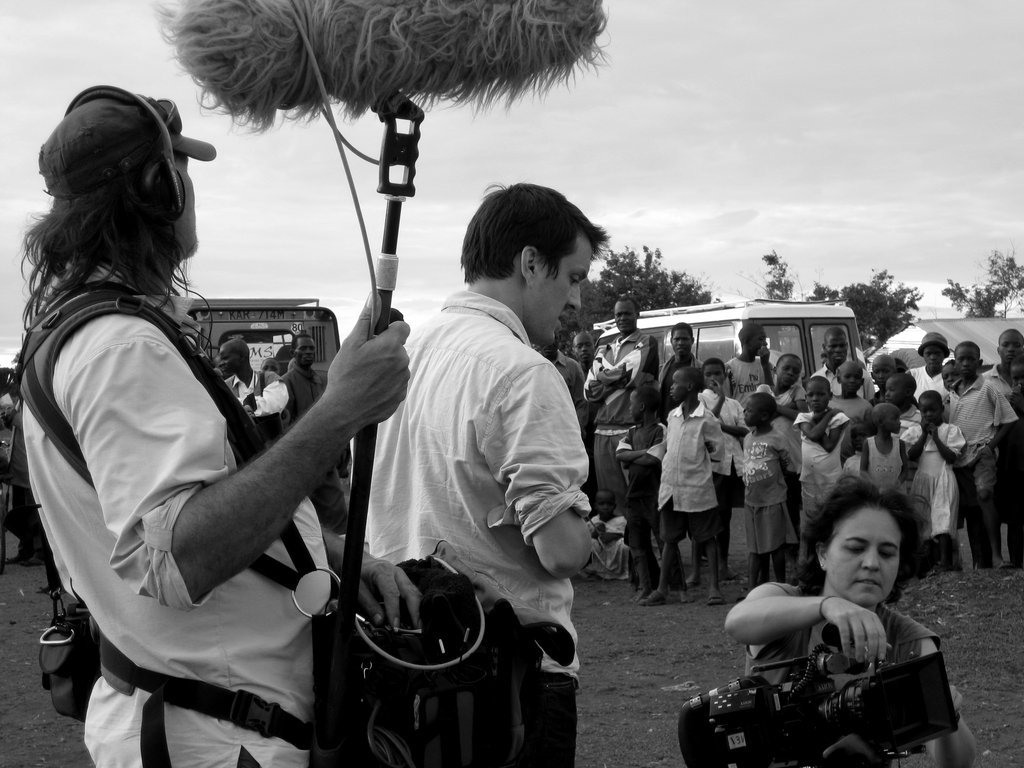
A note from our director, Richard Robbins, who is in Ethiopia with co-producer Alex Dionne.
Hello all-
End of a long but fruitful first day of work.
After what seemed like an exceptionally long few days of travel - LA to Paris, long layover, Paris to Addis Ababa, long drive - we have landed in Hawassa (or Awassa, depending). We are a four or five hours drive South and East from Addis Ababa. From here we drove another two hours into the countryside to Hula. As this is my first time here, there is much to say about Ethiopia in general. The beauty of the landscape is exceeded only by the beauty of the people. Ok, mainly I mean the women. The roads are quite good, thanks to an explosion of building by the Chinese (if you haven't seen the Documentary Group's show for ABC on this subject I highly recommend it). The Chinese infrastructure projects are everywhere. There is so much building going on, that sometimes you wonder if everything has just started, or nothing ever gets finished. Beautiful churches abound. The sky has that high cloud look that I've only seen in Africa and Montana. Big big sky.

People here do not like having their pictures taken, which is unfortunate, as we take a lot (and they are very photogenic).
So in the Hula district we stopped at the side of the road where we met some of the local World Vision staff. I hope Room to Read won't be jealous if we say how great the World Vision staff is. I don't know why the dedication of all these people is so moving. Perhaps because I live amongst so much jaded self involvement in Los Angeles.
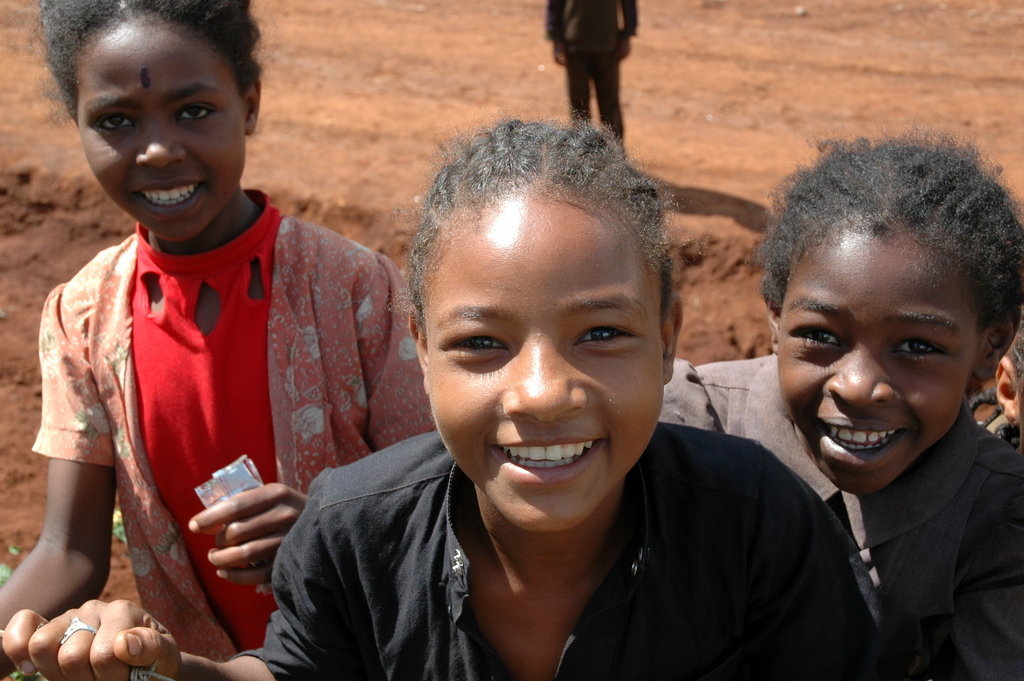
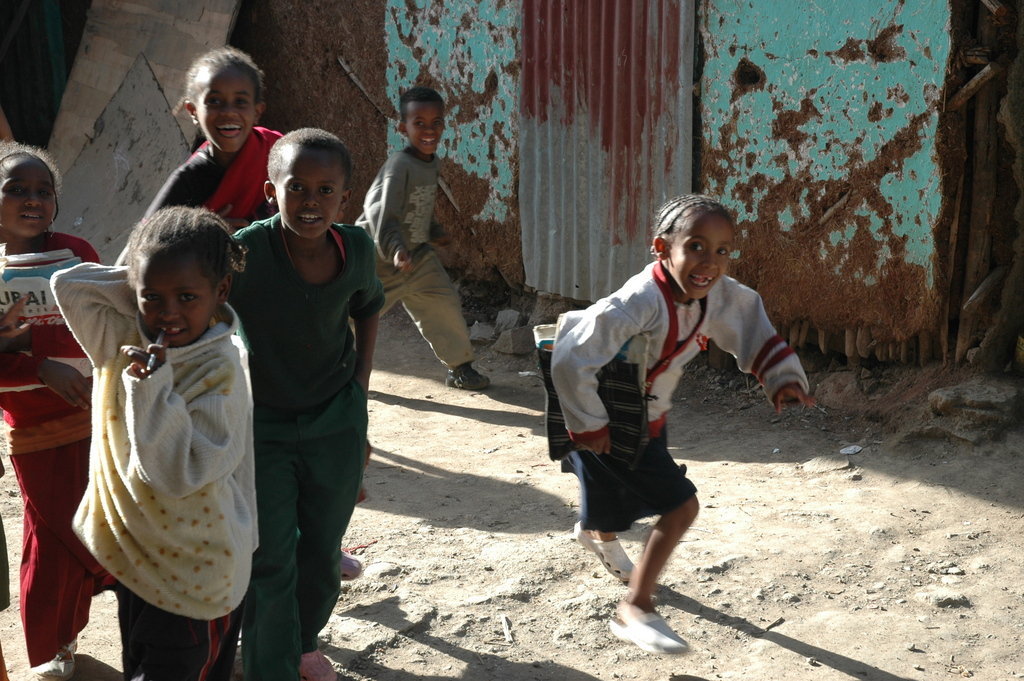
We walked a mile or so through the countryside (no roads) where you could hear our presence being heralded (literally) across the hills by farmers and children unaccustomed to seeing white visitors. I actually caused one toddler to burst into tears at the sight of me. He had never seen a white person. Finally we came to a small, very primitive school where a dozen or so girls were waiting for us. They had come specially for us, as there is no school right now (they are on break).
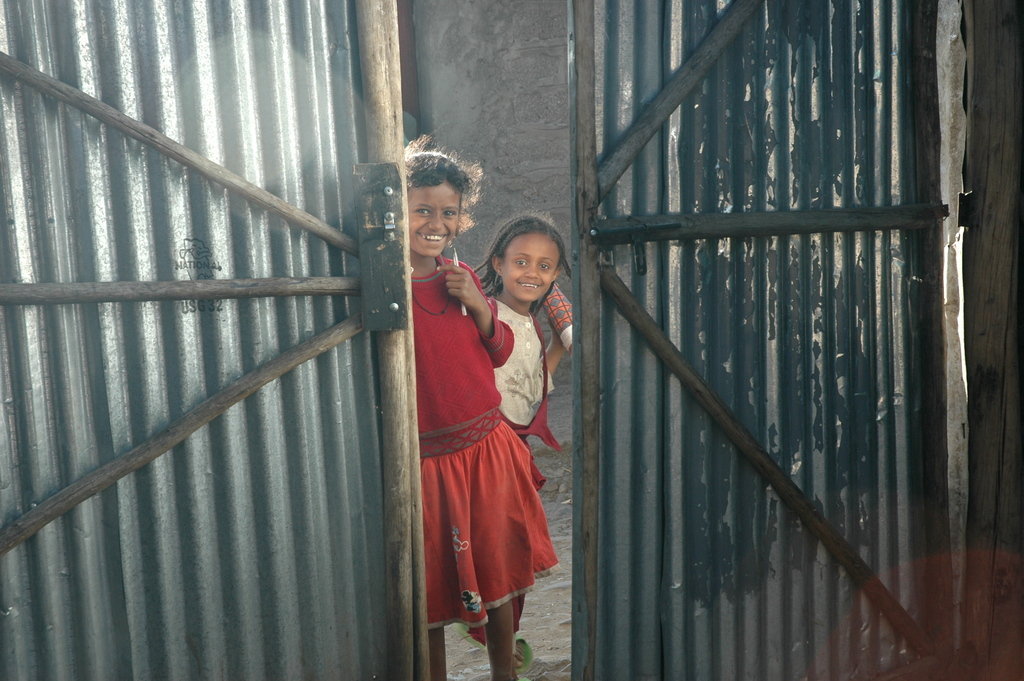
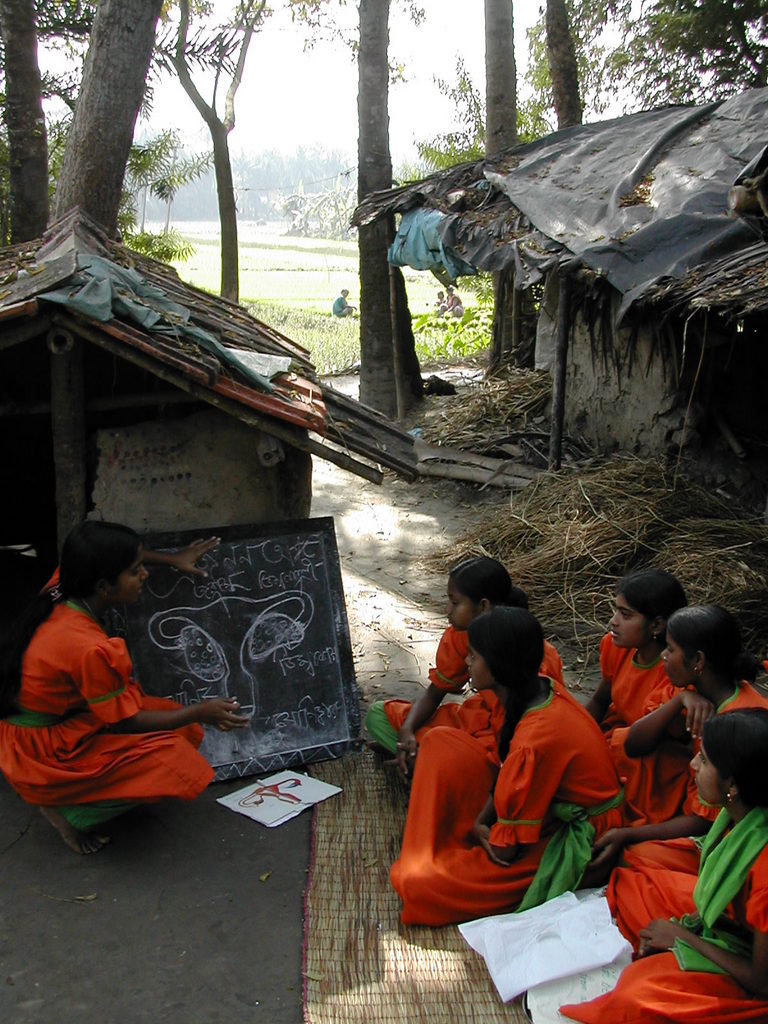
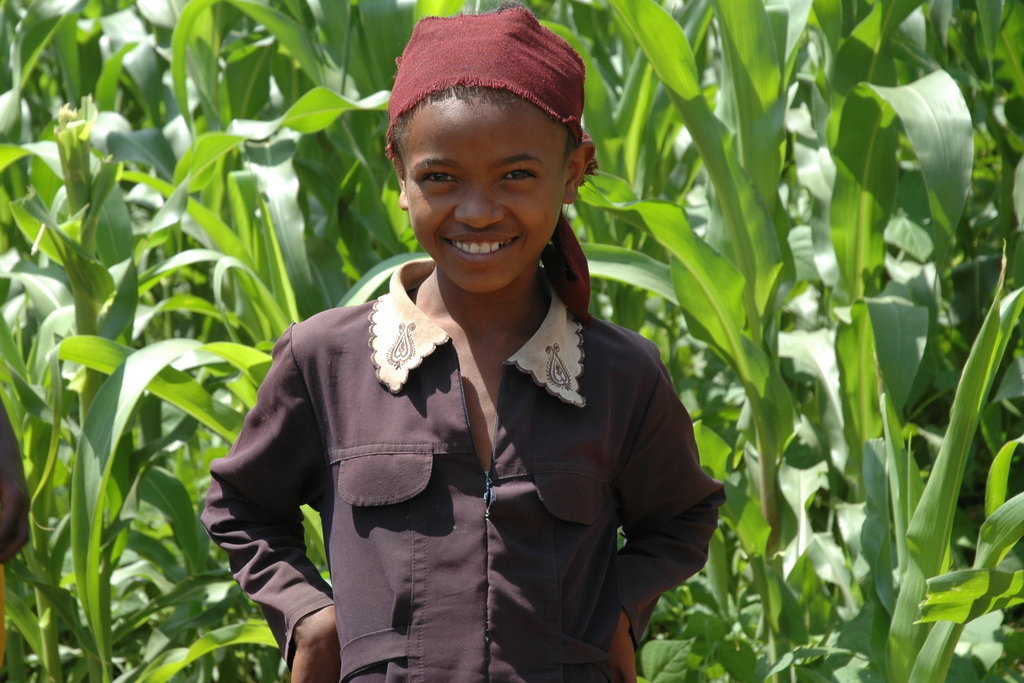
The girls ra nged in age from 9 to 14 - a younger group than we had seen in Nepal or Cambodia - which was fun. These girls are far more shy than any we've met before. They do not smile easily, but when they do it feels like the sun has broken through a bank of heavy clouds. They are the children of poor coffee farmers, and none had literate parents. Like Cambodia they all come from very large families. The issue here, and the reason we came, is early marriage. Unless they are very very lucky, all these girls will be married by the time they are 15 or 16. And pregnant soon after. Their education will never progress past 5th or 6th grade. Some are married even younger, at 10 or 11. Several of these girls are already engaged - by their parents arrangement of course.
So, the good news and the bad news. The bad is that there is not much prospect for these girls to avoid this fate. In some ways it is already too late for them. Help will likely not come soon enough. Their parents will be paid in exchange for their marriage, and that payment is all too inviting. Education may offer a better long term reward, but the parents cannot see it.
The good news, is that the awfulness of this situation has not dampened their hopes and dreams. Time and again we heard that they believe they will find a way. They are convinced they will convince their parents that they should stay in school. They don't know how, but they will. Their spirit is so so strong. Of course it is hard not to notice that it is the younger ones who are the most joyful. The closer they get to the age of marriage, the more serious and focused they become. Of course Alex and I marveled at how certain they were that their future was hopeful. And we repeatedly looked for an explanation for their optimism. I suppose youthful optimism shouldn't need a reason.

I will save the really wrenching story for tomorrow when I hope I will have less jet lag and more energy. I promise it's a killer. We always promise each other in the field that we will not dare complain to those of you back home. We know how lucky we are to be here. But
since our traveler's hardships seem to amuse you all so much...
Last night I slept without a mosquito net, which was a huge mistake. I awoke with bites all over my face. I am dutifully taking my malaria medication, so hopefully the damage is only cosmetic. This
morning I was so tired that I started brushing my teeth with hand lotion, and spent the day with an awful taste in my mouth. We had several serious production problems, mostly as a result of our delayed luggage - but thankfully this is primarily a research trip, not a production one.
Tomorrow we are visiting another nearby area for more of the same. Thanks to all of you for the support and encouragement. It is deeply appreciated.
Best-
Richard
Project reports on GlobalGiving are posted directly to globalgiving.org by Project Leaders as they are completed, generally every 3-4 months. To protect the integrity of these documents, GlobalGiving does not alter them; therefore you may find some language or formatting issues.
If you donate to this project or have donated to this project, you can receive an email when this project posts a report. You can also subscribe for reports without donating.