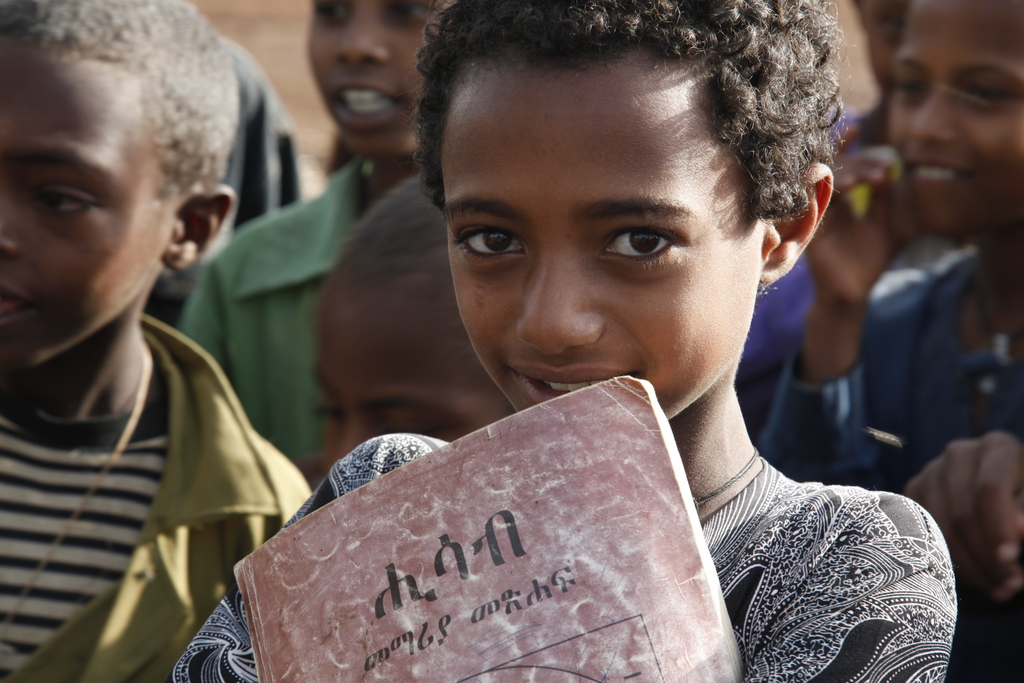
![Girls Soccer Team]()
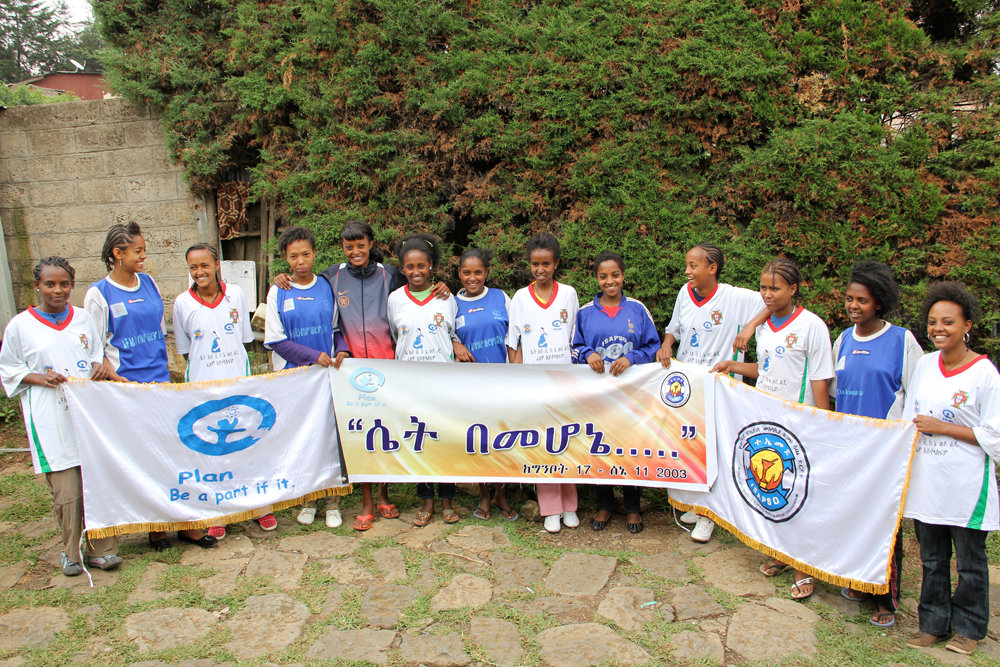
Girls Soccer Team
Hello All--
In the past few months, we have been continuing on our journey to find stories of the most inspiring girls around the world. Recently, our team traveled to Haiti and India, where we worked with NGO partners like World Vision and Plan International, and had the opportunity to meet some very courageous girls.
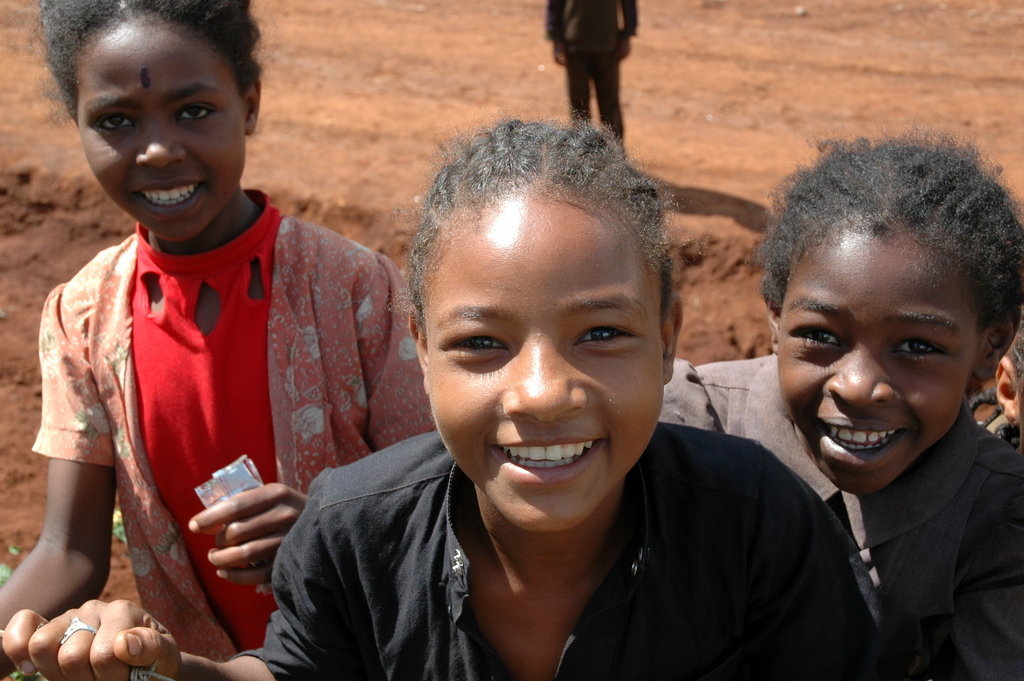
Currently, our team is on its second trip to Ethiopia, with our writer Maaza Mengiste. The team has also met with grassroots organizations all around the country and met with a girls' soccer team that uses sport to educate girls abut HIV/AIDS. These girls' attitudes shine as an inspiration to all of us every day. From the field, 10x10 team member Justin has been sending us updates. Below is one of his notes from the field:
And be sure to read more about what is going on qt 10x10, at 10x10act.org/blog .
Hello Homeland 10x10ers!
After my last shower in New York on Friday and a few last minute e mails
from the airport, I am for the first time in five days both freshly showered and
connected to the internet! Luxuries are rewards in Ethiopia, and their absence
a testament to the lacking infrastructure in the country, but nevertheless at this
moment, putting a huge smile on my face. I am pleased that I did not have
running water or internet connection for my first few days in Africa, somehow...it
made adjusting easier.
Often times after a long journey to a faraway place, when the cockpit door of the
plane opens and you take that first breath, it serves as the first impression of a
place, and leaves a lasting sensory impact that will forever remind one of what
it meant to be there. A pleasing welcome, Africa smelled of semi-damp myrrh,
smoked dung, cedar and diesel, which set the scenario for everything to come
while reinforcing that I had, indeed, arrived in Africa.
There are certain aspects of Ethiopia that indeed make you sit back and say, this
is Africa, while others make you feel like you are simply in any other developing
country: the diesel-infused air, the instant coffee and dry bread (which tastes
smoked) with jam, the laundry hanging from lines, the aggressive flies, street
vendors, and cars dodging donkeys and goats. Africa is both heartbreaking and
hopeful. Perfectly symmetrical concave faces always gazing with piercing eyes
of hatred, desperation and admiration cut through you like barbed reminders of
the injustice of one’s birthright. From time to time, bright white smiles protrude
this façade, serving as genuine happy reminders of of hope, human interaction
and a bright culture embracing opportunities.
After nearly 36 hours of travel by airplane, taxi, and mini-bus, we finally
arrived late Sunday afternoon to Haramaya University, in the mountains just
before the lowlands of the Somalian-Ethiopian border. The resilience of the
students and the teachers were what left the biggest impression on me.
There are no showers, no internet and electricity is very sporadic. Buckets
serve as receptacles for water when it is available. The water schedule
is inconsistent, sometimes once a day for one hour, sometimes not for a
week. Ironically, when the water does run, most likely you can't turn it off. Most
faucets do not shut off, so water just pours until the entire community is shut
off at once. For a country living in a near 20-year drought, this practice seems
illogical to me, but perhaps it is just another reminder of the clear lack of
infrastructure in Ethiopia.
The closest internet is a ride down the mountain, almost one hour away to Dire
Dawa. This trip is both time consuming and expensive, making most curriculum
internet free. Electricity is the most consistent commodity, usually only going out
once or twice a day for 3-4 hours. Student housing are 1 story dorms made of
sheet metal with out-houses. Up to 12 men sleep in the same room, mattresses
are yellowed, sheets are sometimes hung to give a bunk a bit of privacy instead
of used as bedding. The girls are in a similar unit, far from the boys, which I
assume must not smell quite as bad. The resilience and dedication of people is
incredible. Despite all odds, these are the future leaders of Ethiopia, the ones
who had the opportunity to go to school and have received scores high enough
to get into University. These are students so happy to just be studying that the
lack of water, privacy, bathrooms, electricity or internet doesn’t matter. Studying
is the focus, and these students know that they have a role to fulfill to their
country. The students smile and are proud.
The expats in Ethiopia are exhausted and hopeless. Our first nights dinner
was at a VSO employee's home. Patricia Basset is a wonderful woman from
the UK who has dedicated her later years and nursing expertise to teaching
nursing in Malawi and now Sociology in Ethiopia. She is an advocate against
FGM practice. Generally, the expats and volunteers in Ethiopia who we've met
are frustrated by the work of their peers and themselves not seeming to have any
impact. They all seem to critique the lack of local government support and lack of
infrastructure. They all have the same question: will anything ever change here?
The next day we went to the walled city of Harar, a 16th
century Muslim pilgrimage site, with 368 cobblestone alleyways carved into a
1km square hill. The city was incredible, equally Muslim as Orthodox Christian,
both groups co-existing peacefully and praying constantly. The cloaked women
and girls were beautiful, flowered prints flowing as they sauntered down the
streets balancing baskets of figs and mangos on their heads. Cardamom and
ginger permeates the air as you get lost in bustling alleyways, spice markets and
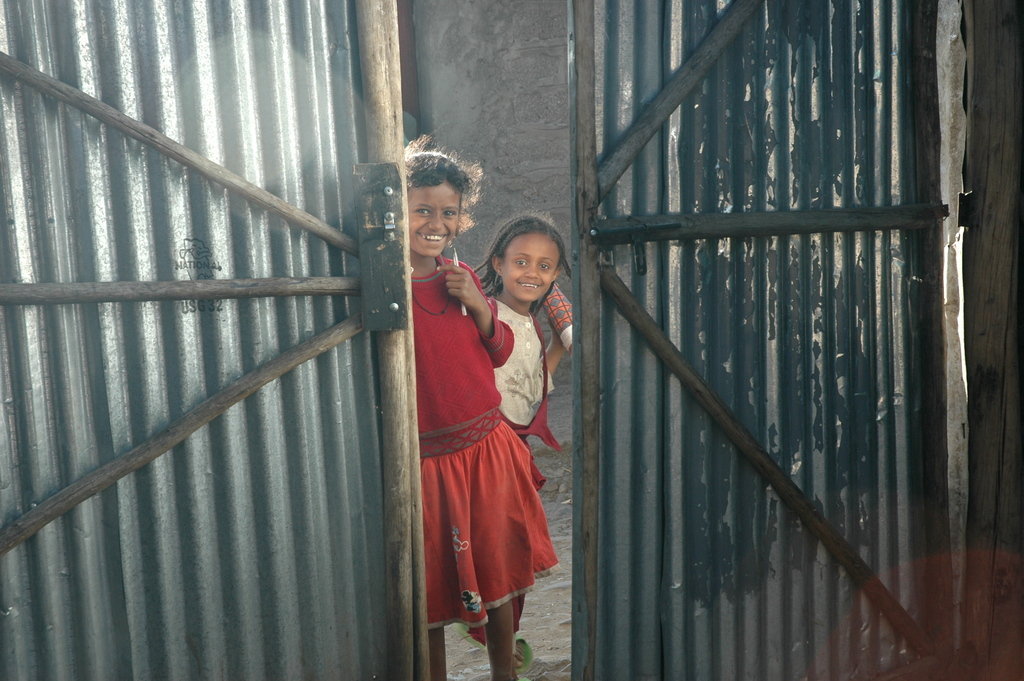
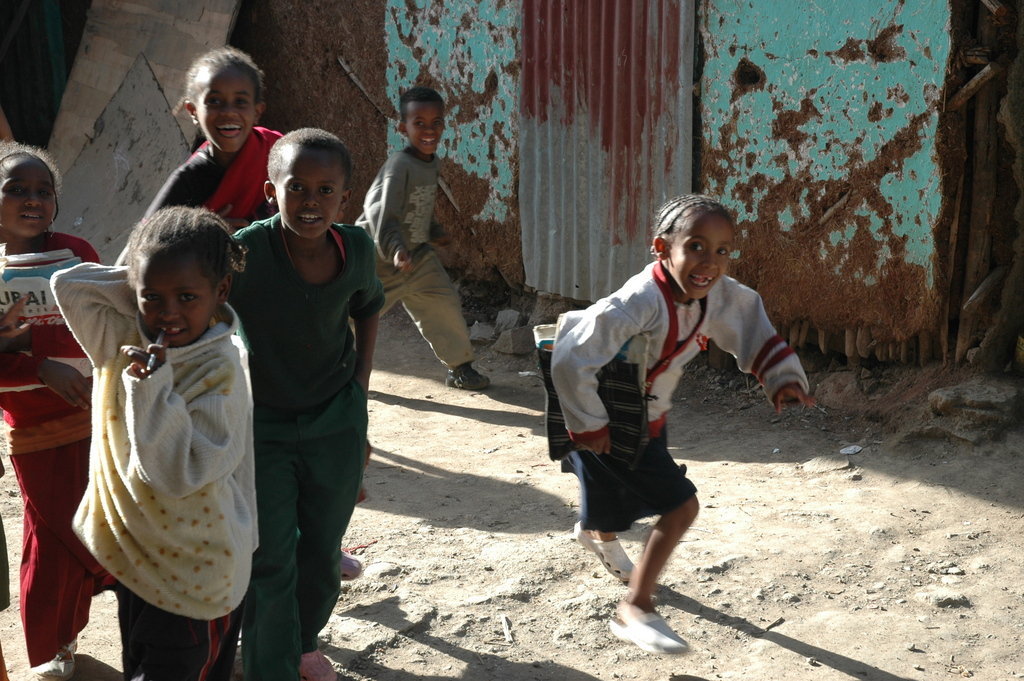
fabric shops. The children in the city yell - FARANJI (foreign) - upon spotting
bright white skin and sneak out of dark corners and little doors to get in a quick
touch. Certain brave ones would latch on to my hand and accompany me a
block of two, smiles from ear to ear, while others would rub my arm and look
at their hand, a curious gesture answering whether or not the white rubs off or
not. Unfortunately, most of these children are not in school.
I was pleased to sit down and interview a Gender Expert in the Gender Office
at Haramaya University. Rozina, a stunning 25 year old Ethiopian from Addis,
spoke with me for almost 2 hours about the situation for girls growing up in
Ethiopia, what it means to go to University post-secondary, as well as the
tremendous barriers girls and women face, even into adulthood.
I have just made it to Addis and have a few good hours of work before I am off at
7:00 a.m. with CARE Ethiopia to drive to the Northeast region of Ethiopia to visit
schools and girls in migratory pastoral communities. We will be there for the next
three days. From my understanding, the climate in this region, low desert and
soaring temperatures, make it among the most unbearable places to survive on
the planet. I can hardly wait! My excitement is insatiable now that I have gotten
a taste!
We are in good spirits, happy, healthy and humbled. Probably will be off the
radar for a couple of days, so please don't worry. Hope all is well at home base!
Justin
Thank you all for your support!
![]()
Links:
![Share on Twitter]()
![Share on Facebook]()