By Mercy Kamau | Team Leader
Teenage motherhood in Nairobi’s informal settlements, such as Mathare, remains a pressing public health and gender equity challenge. Rooted in poverty, structural inequality, and restrictive gender norms, adolescent mothers face a complex set of overlapping barriers. These include limited access to education, healthcare, and economic opportunities, compounded by stigma, reproductive coercion, and exposure to gender-based violence (GBV). These factors severely undermine their autonomy and perpetuate cycles of dependency, limiting their ability to envision and realize a future beyond early motherhood.
Repeat teenage pregnancies are often a consequence of unequal power relations, lack of access to comprehensive sexual and reproductive health and rights (SRHR) information, and limited decision-making power. These pregnancies increase health risks and obstruct educational and economic progress, deepening intergenerational poverty. Existing interventions often fail to address these challenges holistically, treating health and economic empowerment as separate issues rather than interconnected ones.
To fill this critical gap, Mathare Children’s Fund Panairobi (MCFP) developed the Chanua Teen Moms program, a gender-transformative, integrated model that seeks to dismantle the reproductive and economic dependencies experienced by adolescent mothers. By combining vocational training, SRHR services, mental health support, and accessible childcare, the program empowers young mothers to reclaim control over their lives. It fosters self-efficacy, challenges harmful gender norms, and builds sustainable pathways for these young women to transform their futures.
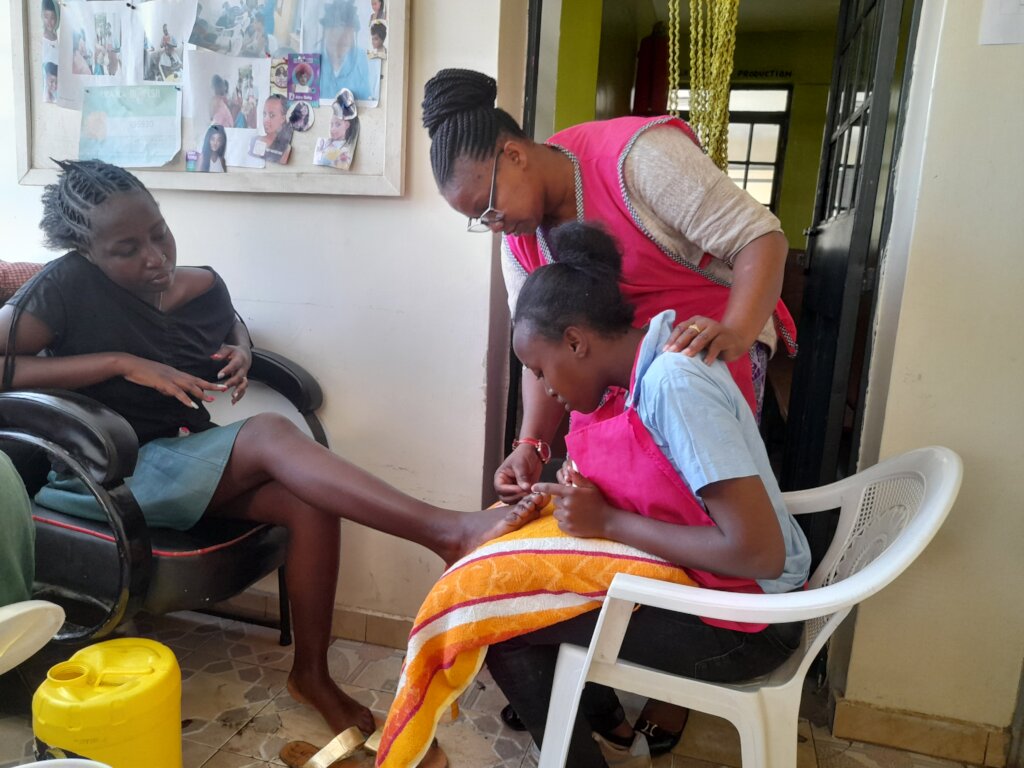
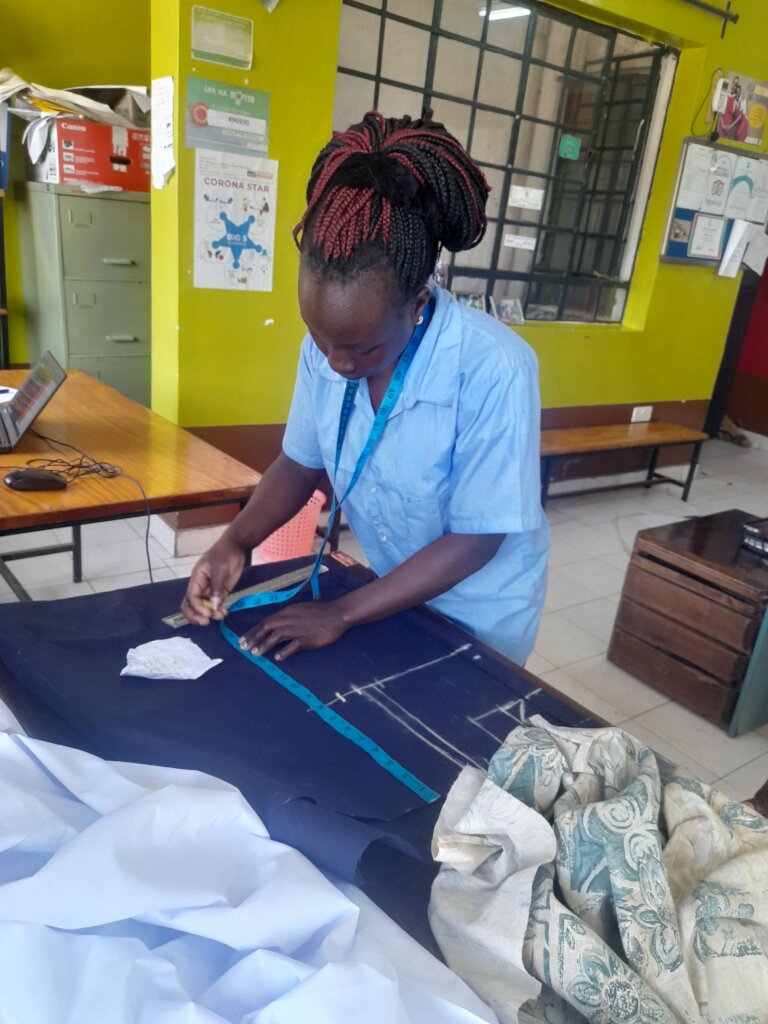
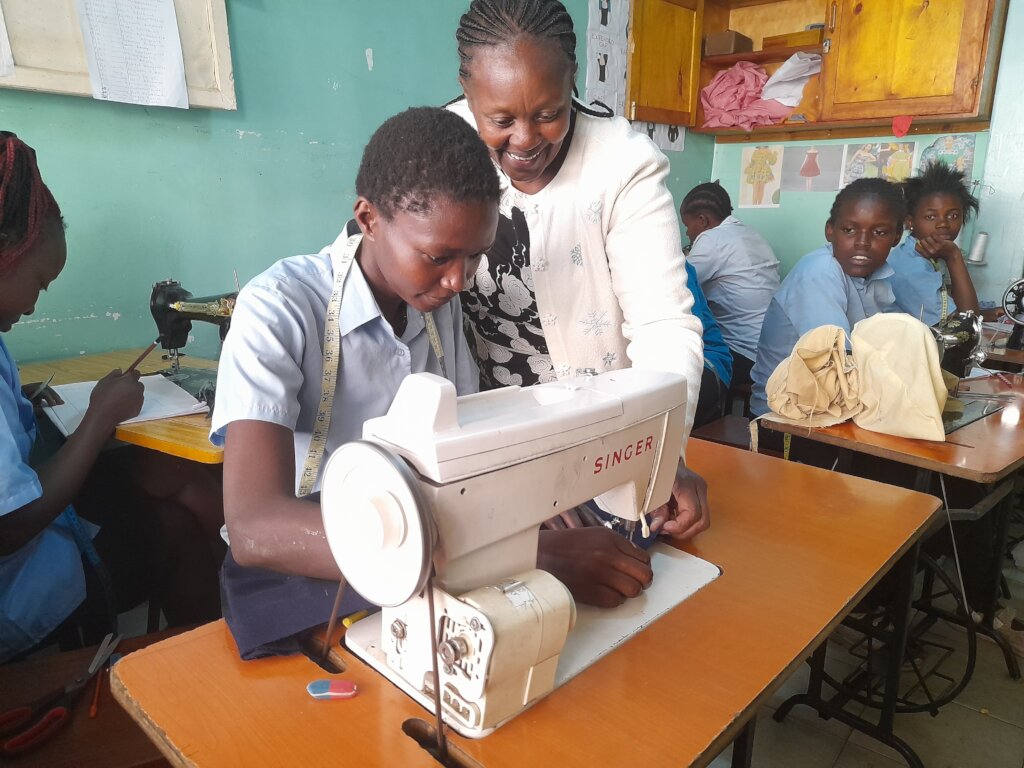
From January 2023 to June 2024, 153 teenage mothers aged 19 or younger, each with children under three, enrolled in the six-month cohort-based intervention. Enrollment occurred in three phases: 41 participants between January and June 2023, 57 between July and December 2023, and 55 between January and June 2024. The program offered vocational skills training in cosmetology, tailoring, and garment making to increase employability and financial independence. On-site daycare was provided to reduce barriers to participation.
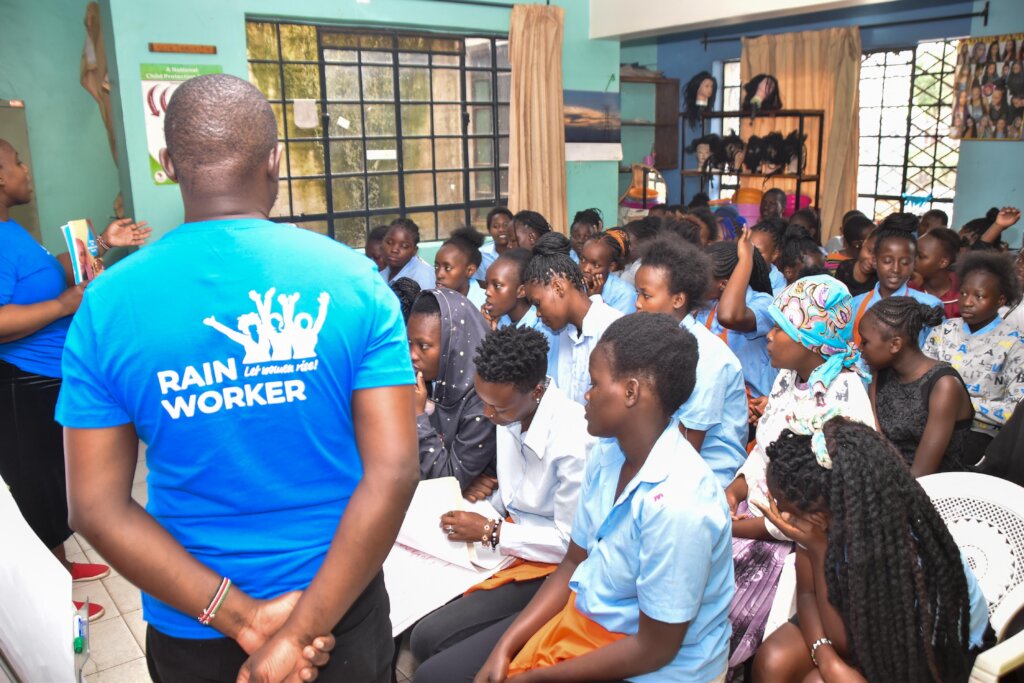
Participants received comprehensive SRHR services, including contraceptive counseling, family planning options such as condoms, oral contraceptives, Depo-Provera injections, and implants, as well as menstrual health education and HIV prevention. Mental health and psychosocial support addressed trauma related to GBV and helped strengthen emotional well-being. Monthly health outreaches provided HIV screening, maternal and child health care, SRHR services, and mental health check-ins. The program tracked participants through six-month post-completion follow-ups to assess lasting impacts on economic independence, reproductive autonomy, and overall well-being.
The program demonstrated strong results. Ninety-six (96%) percent of participants completed their vocational training and took either internal or NITA-accredited exams, gaining marketable skills. In terms of SRHR, 93 participants accessed condoms, 15 chose oral contraceptives, 11 opted for Depo-Provera, and 42 selected implants. HIV screening reached 149 participants; nine tested positive and were promptly linked to care. At six-month follow-up, 72% reported increased financial independence, 83% exhibited greater confidence and autonomy in reproductive health decisions, and 76% experienced reduced exposure to GBV. Participants also reported improved mental health and greater capacity to delay or prevent repeat pregnancies.
By addressing adolescent mothers’ reproductive health, economic opportunities, mental health, and childcare as interconnected needs, the Chanua Teen Moms program has shifted power dynamics, centering teenage mothers as agents of their own change. This holistic, gender-responsive approach stands apart from fragmented interventions, enabling real transformation in participants’ lives.
The program underscores the importance of integrated, intersectional programming that acknowledges the structural causes of adolescent motherhood and challenges entrenched gender norms. The positive outcomes support broader adoption of gender-responsive policies that integrate economic empowerment and SRHR as co-dependent levers of adolescent well-being.
Chanua Teen Moms offers a replicable, policy-relevant model that contributes to dismantling social structures that sustain early motherhood, dependency, and inequality. It calls for a shift from reactive, isolated solutions toward proactive, systemic investments that affirm teenage mothers’ rights and potential. Programs like Chanua Teen Moms demonstrate the transformative power of integrated, gender-transformative approaches in enabling young mothers to reclaim power, challenge stigma, and unlock new possibilities for themselves and their communities.
With your support, we can expand this gender-transformative model to reach many more teenage mothers facing poverty, stigma, and gender-based violence. By scaling up, we will increase access to vocational training, comprehensive sexual and reproductive health services, mental health care, and childcare—offering young mothers a holistic pathway to reclaim power and possibilities for themselves and their children.
Join us in investing in their futures, because when teenage mothers are empowered, entire communities flourish.
Links:
Project reports on GlobalGiving are posted directly to globalgiving.org by Project Leaders as they are completed, generally every 3-4 months. To protect the integrity of these documents, GlobalGiving does not alter them; therefore you may find some language or formatting issues.
If you donate to this project or have donated to this project, you can receive an email when this project posts a report. You can also subscribe for reports without donating.