By Kate Bulteel | Director of Recruitment and Training
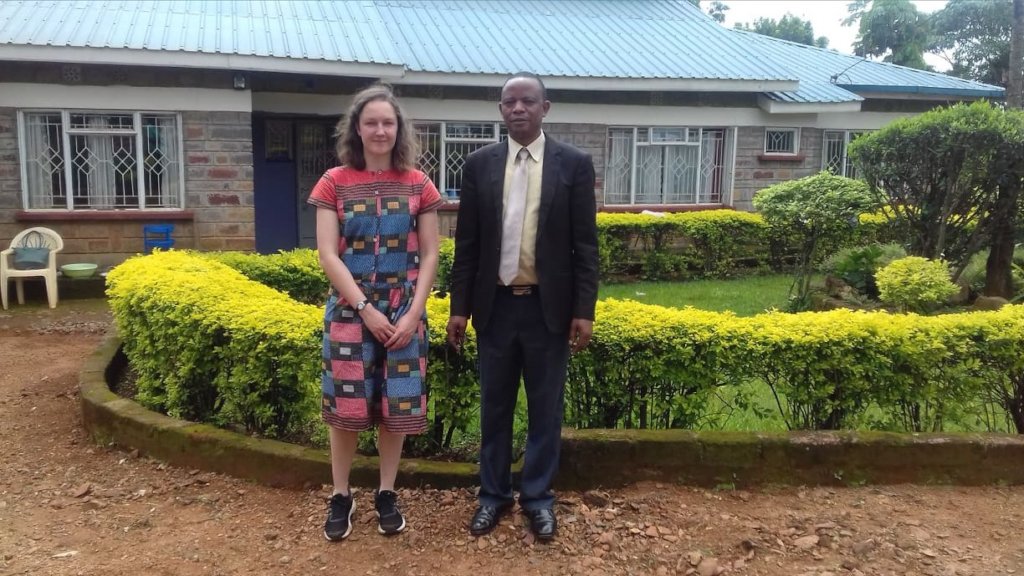
It’s been five years since I’ve been in Kenya, and three since I was part of an EPAfrica Summer Team. This is my first time in Kisii.
I’ve been involved with EPAfrica every year since 2011-12; I’m now one of the Directors because I care so much about the work EPAfrica does. I enjoy my role in the UK. However I write this in Kisii, Kenya, and being here has reminded me why I love EPAfrica so much. Specifically, all three Head Teachers I’ve met (as I’ve made brief check-in visits before the PWs arrive) have been absolutely great people who have done so much already to improve their students’ chances.
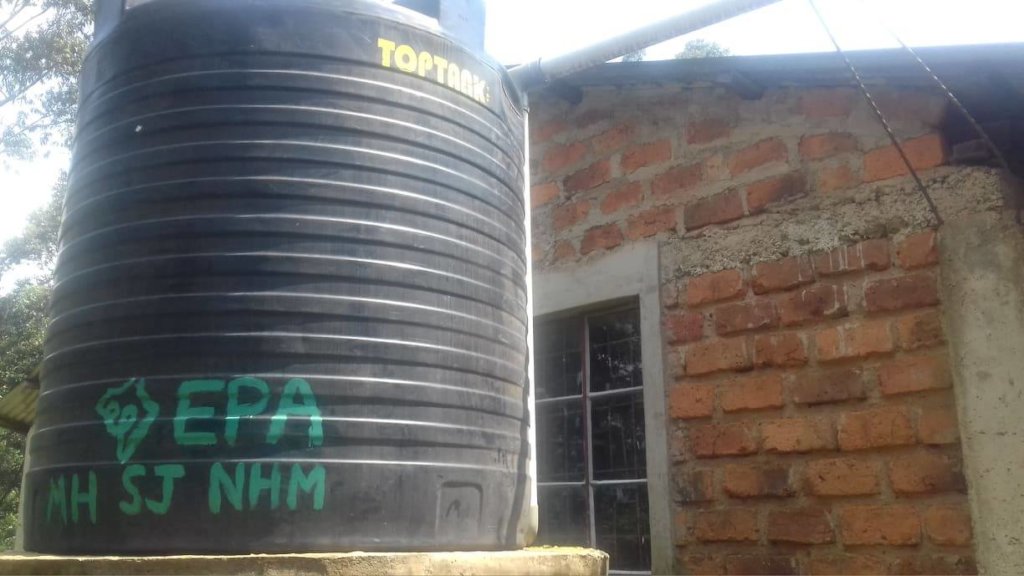
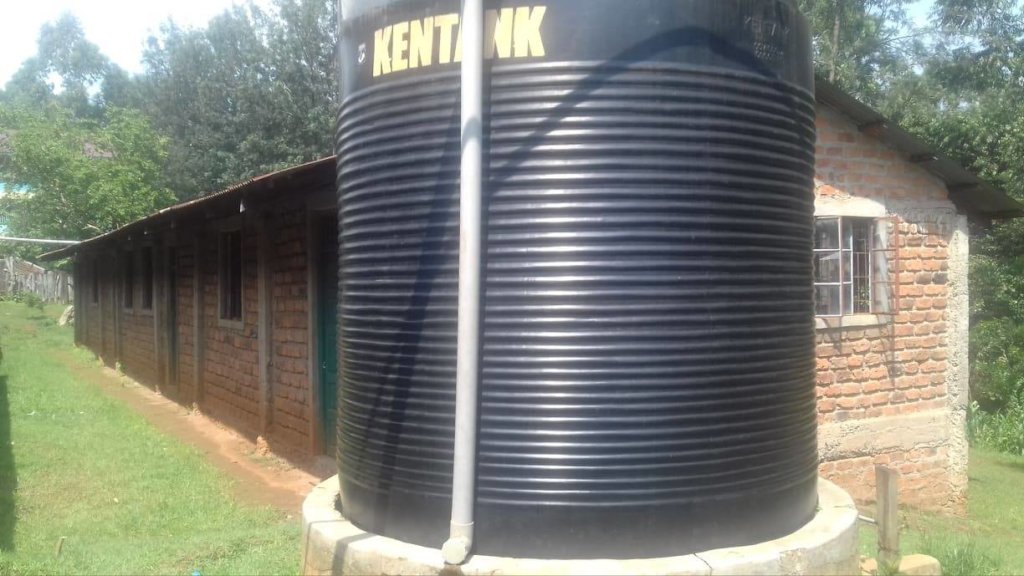
Let me give a couple brief examples. Our first year of investment at Buyonge High School (near Ogembo, for those of you who know Kisii) was in 2017. Not only did every single teacher I met while I was there say how much they enjoyed having the Project Workers, but the PWs and school had clearly worked really well together. The twin labs had all 14 taps and 28 burners (installed by the PWs) in pristine condition but were clearly also being used by the students. The PWs had worked with Aqua Clara to install a water tank and filtration system. The school was so impressed that they brought Aqua Clara back to install the same system on their other tank. The instructions for cleaning the filters are posted up in the office of Mr Omori, the Deputy.
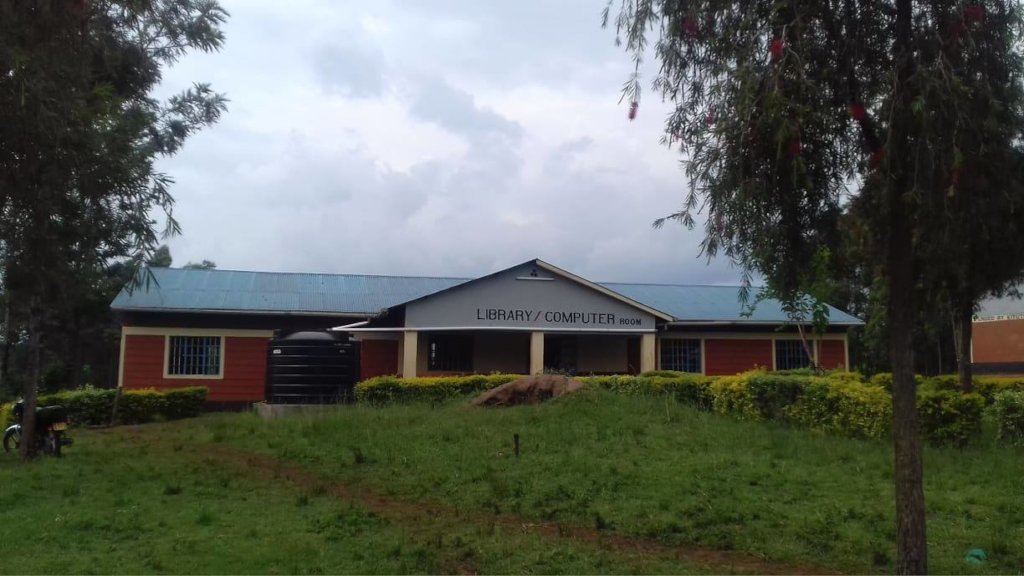
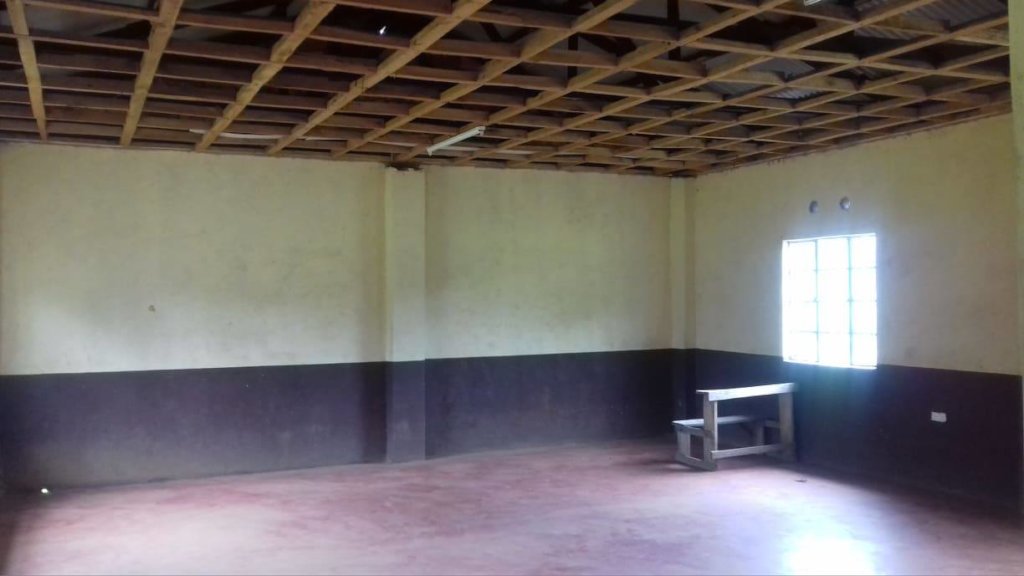
The day after, I visited Matieko. It’ll be our first year working there. Mr Otiso, the Head, told me, as we took chai and chapati in his office, about his time as a teacher and head teacher in the Turkana region, and how, despite his initial dislike of the heat and aridity, he stayed there for almost fifteen years. He saw how important education was for the students there, especially the girls, and wanted to do his best for them. At Matieko, he’s quickly built a really good relationship with the local MP and the CDF funders: there’s a brand new and lovely IT and library building. It doesn’t have tables, chairs, computers, or shelves, but I suspect that the PWs might be responsible for starting to change that.
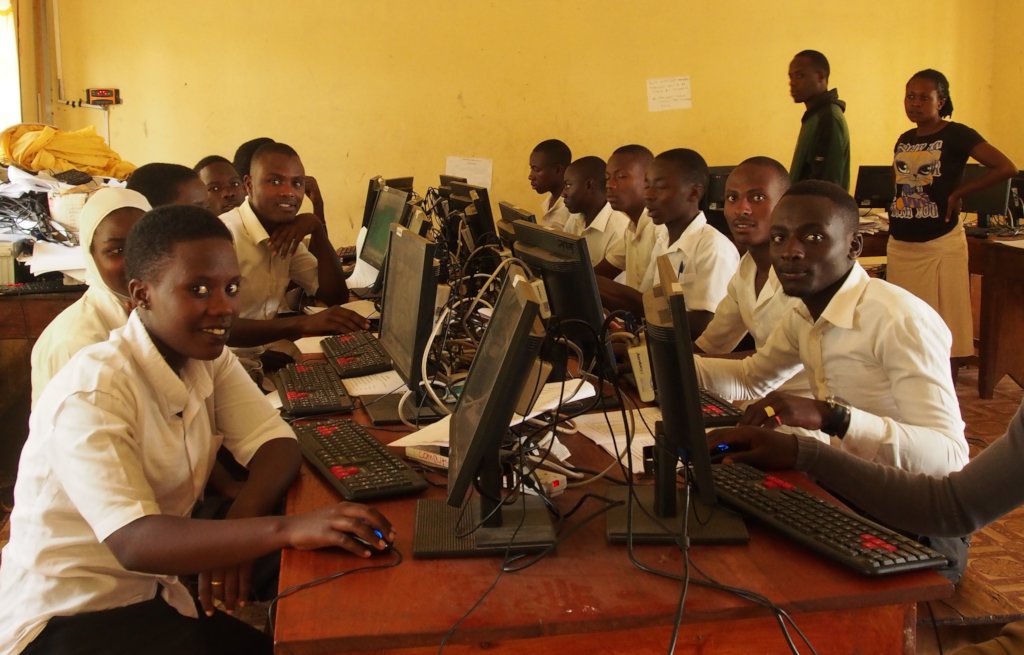
We spoke about his ambitions to develop a functioning IT classroom so that students can learn IT at school. Currently if they want to learn computer programmes like excel or work students have to pay a lot to learn each package at a computer college, putting it out of the reach of many. He wants the students to know "the new way of doing things, not the old manual way".
ICT and e-Learning was further discussed at the Kisii Head Teachers conference, with it being a priority for many schools. Head Teachers stressed that without ICT skills their students would be "left behind". We will be using this consultation to inform the 2019 Teachnology for Learning programme, which is just beginning now. Watch this space for more updates on the technology projects we are able to support with these GlobalGiving funds!
Everyone I’ve met here so far has done so much with the resources of time and money they have. These schools seem like prime examples of where EPAfrica’s model can work best: I feel confident that our partnerships with these schools will help them advance toward their long-term goals, and we’ll be able to see, too, that we have taken steps toward improving the quality of, and access to, education for rural secondary school students.
It’s for these students and these schools that we all do this work, and personally I will be returning to the UK reinvigorated – and probably already wondering the next time that I can come back!
Project reports on GlobalGiving are posted directly to globalgiving.org by Project Leaders as they are completed, generally every 3-4 months. To protect the integrity of these documents, GlobalGiving does not alter them; therefore you may find some language or formatting issues.
If you donate to this project or have donated to this project, you can receive an email when this project posts a report. You can also subscribe for reports without donating.