By Jessica Bailly | Director of Development
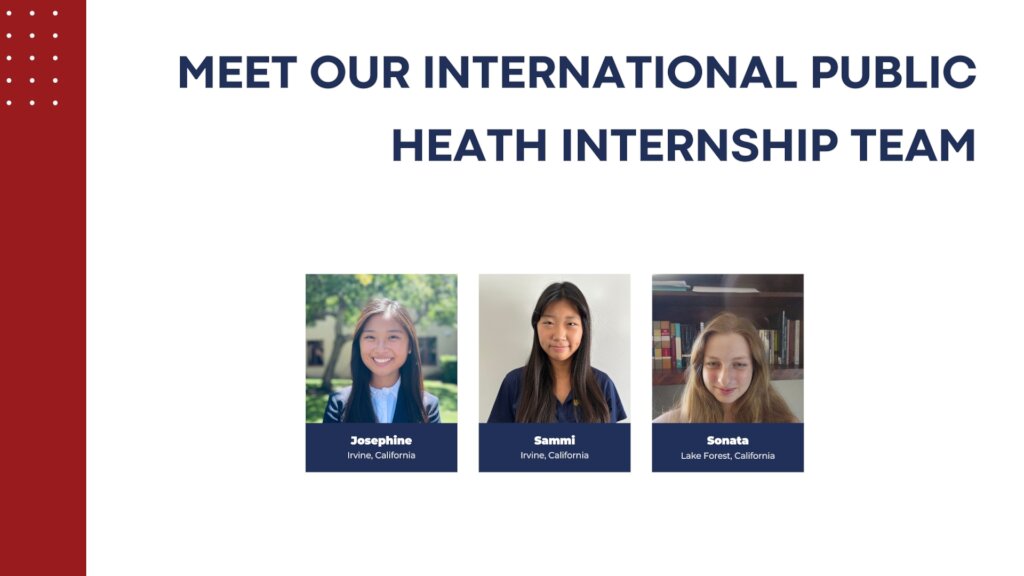
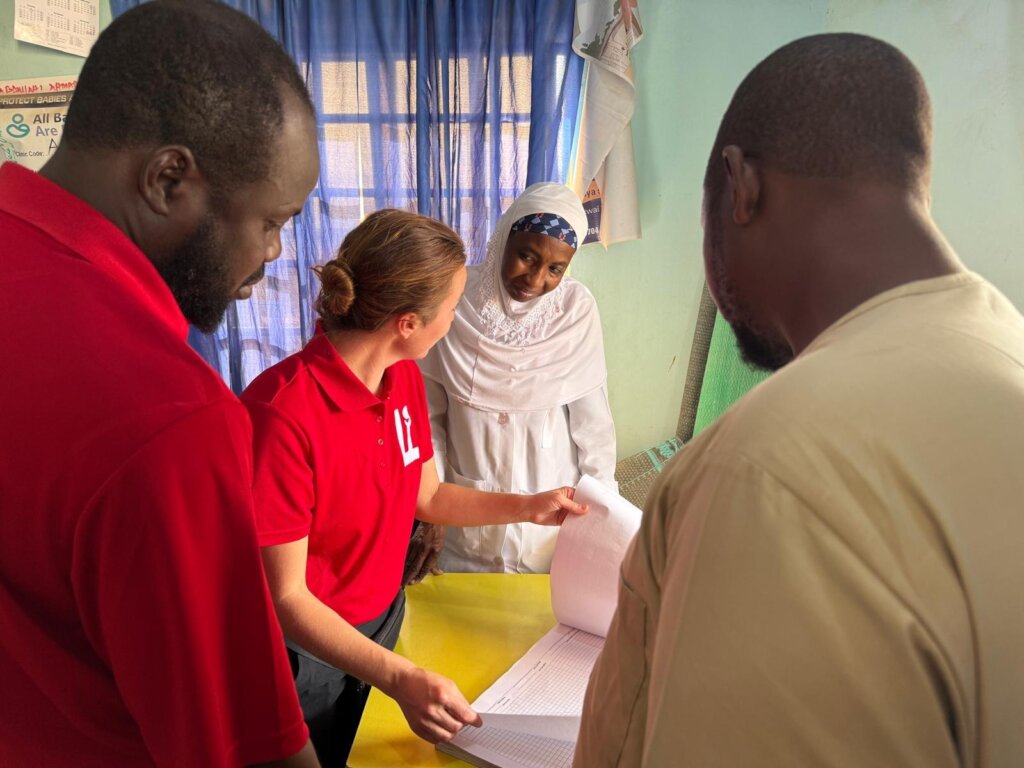
Since Josephine, Samantha, and Sonata began interning with Leadership Initiatives, they have been working to build a strong, research-based understanding of the Buli community. Under the guidance of Project Coordinator Auwal MJ, the team has spent the past several months studying daily health realities and the broader social and economic factors that shape well-being in Northern Nigeria. This hands-on learning model has allowed interns to grow their public health knowledge while building tools that directly support families.
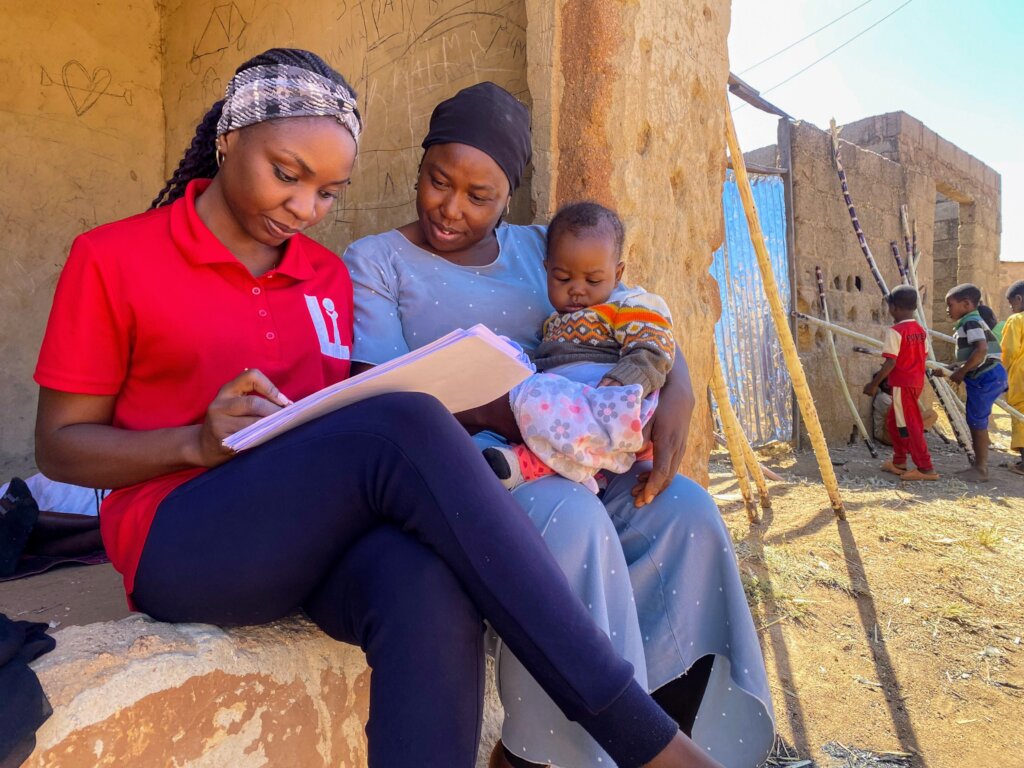
To ensure their work reflects the true experiences of the community, interns created a comprehensive baseline health survey. They learned how to design survey questions, understand cultural context, and analyze responses with care. Through this process, they gained insight into household routines, health-seeking behaviors, and the barriers most commonly faced when illness occurs. Interns were trained to interpret both quantitative patterns and narrative responses, helping them understand not just what families do, but why they make the decisions they make.
The results of the survey were deeply meaningful. Many households in Buli expressed that while they want to access care early, financial hardship often forces them to delay treatment or rely on informal remedies. Others described challenges such as long travel distances to clinics, limited health literacy, fear of misdiagnosis, and difficulty affording medications. These insights reminded the team that improving health outcomes is not only about services available but also about the social and economic pressures that limit access. For the interns, these findings strengthened their motivation and clarified the path forward for their work.
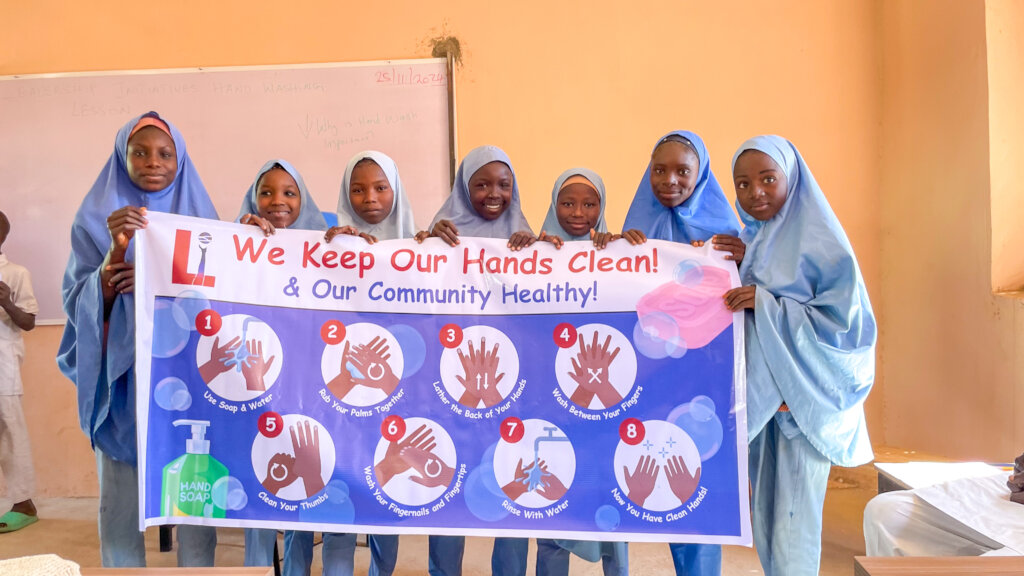
Using the information gathered, the team is now creating a culturally grounded public health campaign designed to teach key health messages in ways that are simple, visual, and immediately usable. These infographics will focus on helping families recognize symptoms early, understand risk factors, and take practical steps that do not require significant financial resources. Interns are also learning how to design materials that are accessible to low-literacy audiences and visually aligned with the environment where they will be shared, including homes, markets, clinics, and community gathering spaces.
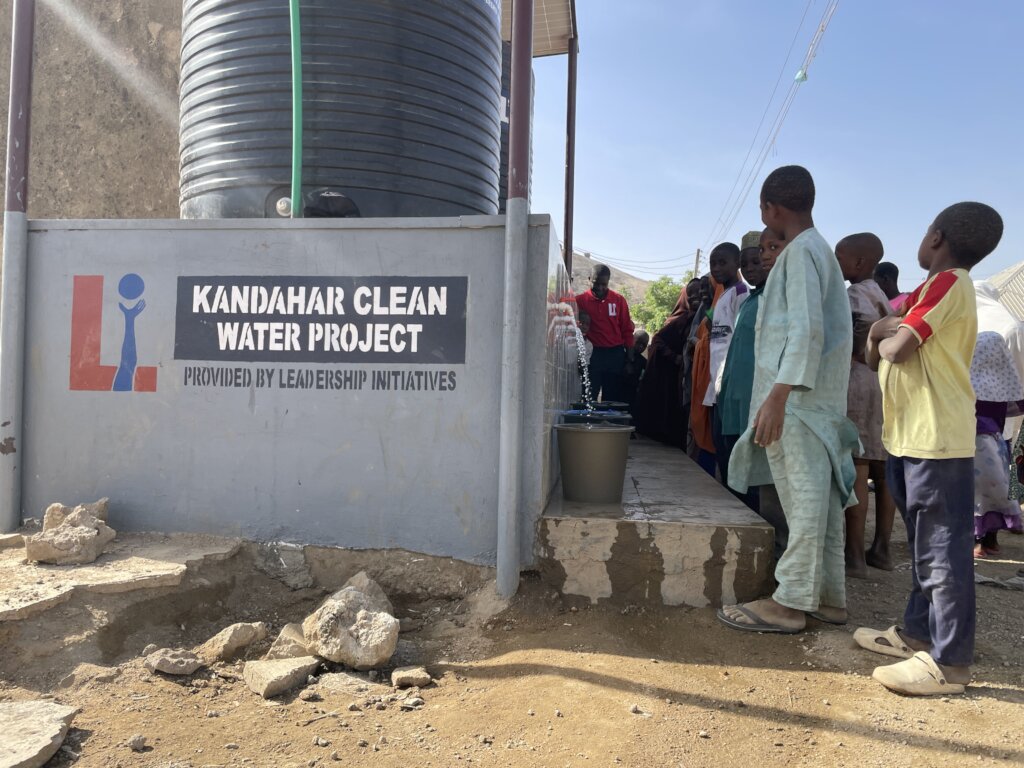
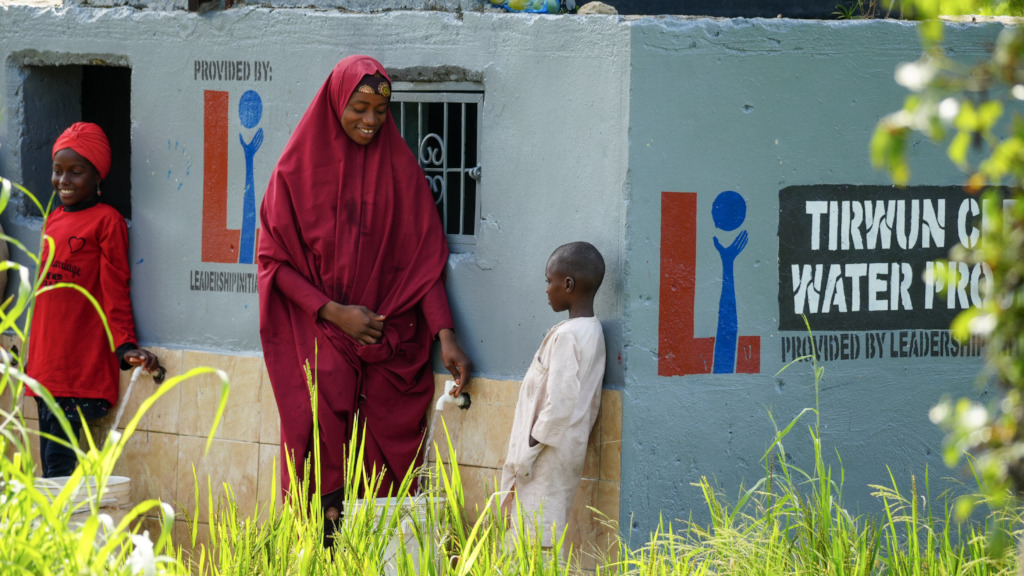
Over the next few months, Josephine, Samantha, and Sonata will begin drafting a community workshop to strengthen local understanding of WASH Promotion. This workshop will include demonstrations, discussion prompts, and real-life examples drawn from the survey. The team is working closely with Auwal MJ to ensure the workshop reflects community values, respects cultural norms, and provides families with a welcoming space to ask questions and learn together.
This internship experience has given students the opportunity to learn directly from families in Buli, analyze real-world data, and translate public health concepts into practical tools that meet community needs. Through your support, these young leaders are gaining invaluable skills while contributing to long-term health improvements in Northern Nigeria. We are deeply grateful for your generosity and for making community-driven public health education possible.
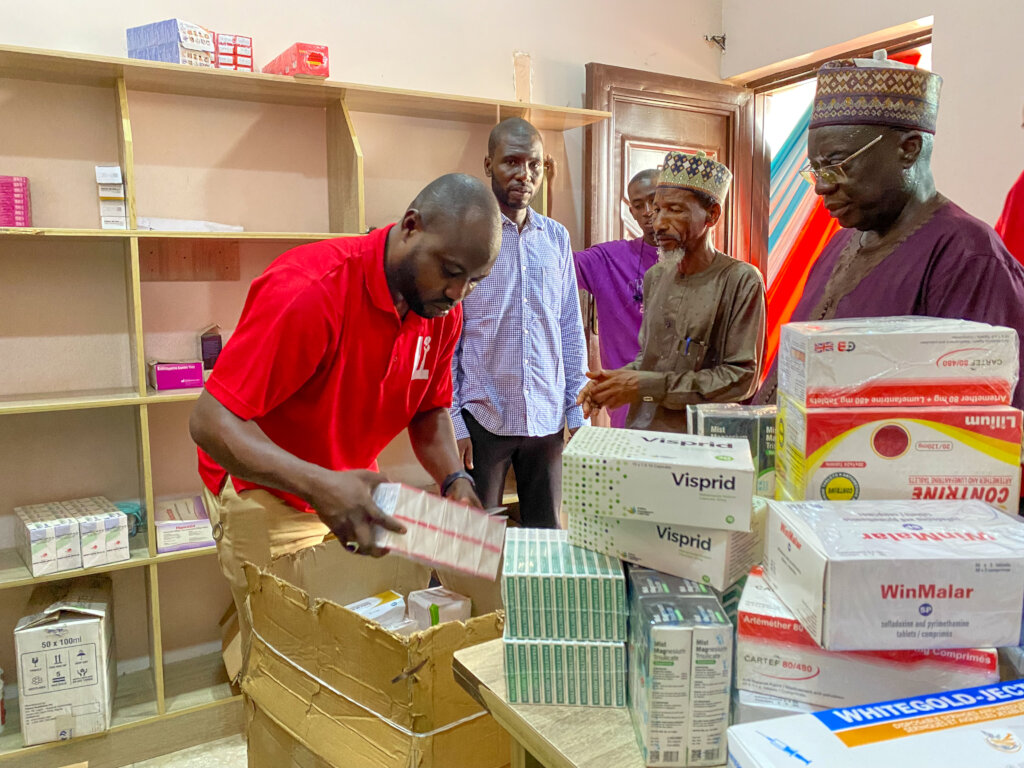
Leadership Initiatives is also expanding its long-term commitment to improving health access across Northern Nigeria. Recently, we broke ground on a new maternity clinic in Sabon Layi, designed to provide safe delivery services, prenatal care, and emergency support for mothers who currently face long travel distances or unaffordable private clinic fees. In addition, construction is underway on two new rural health clinics in Doka and Birshi Gandu. These clinics will offer essential primary care, basic laboratory services, childhood immunizations, and health education outreach. The goal is to reduce preventable illness and death by bringing reliable, affordable healthcare closer to families who have historically lacked consistent access. The insights interns are gathering help inform the educational strategies these clinics will use once they open.
We are grateful for your support, which makes it possible for interns to learn directly from communities, build meaningful solutions, and contribute to long-term health improvements in Buli.
Thank you for your support,
Leadership Initiatives
By Marshall Bailly | Executive Director
Project reports on GlobalGiving are posted directly to globalgiving.org by Project Leaders as they are completed, generally every 3-4 months. To protect the integrity of these documents, GlobalGiving does not alter them; therefore you may find some language or formatting issues.
If you donate to this project or have donated to this project, you can receive an email when this project posts a report. You can also subscribe for reports without donating.