By Victoria Denison | UK Operations Manager
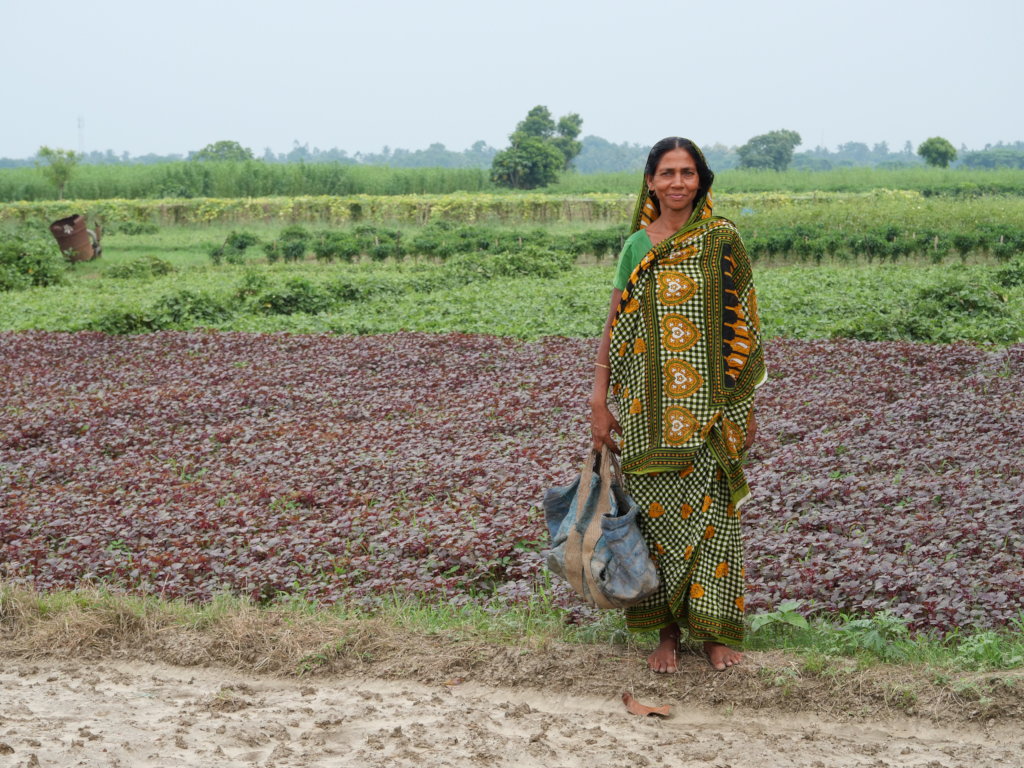
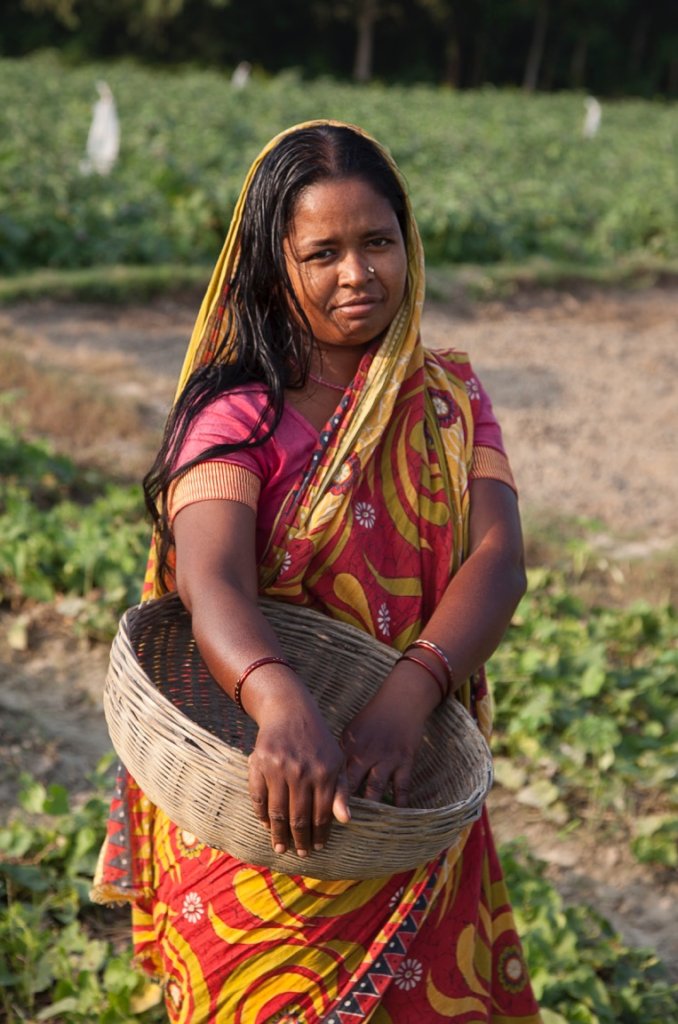
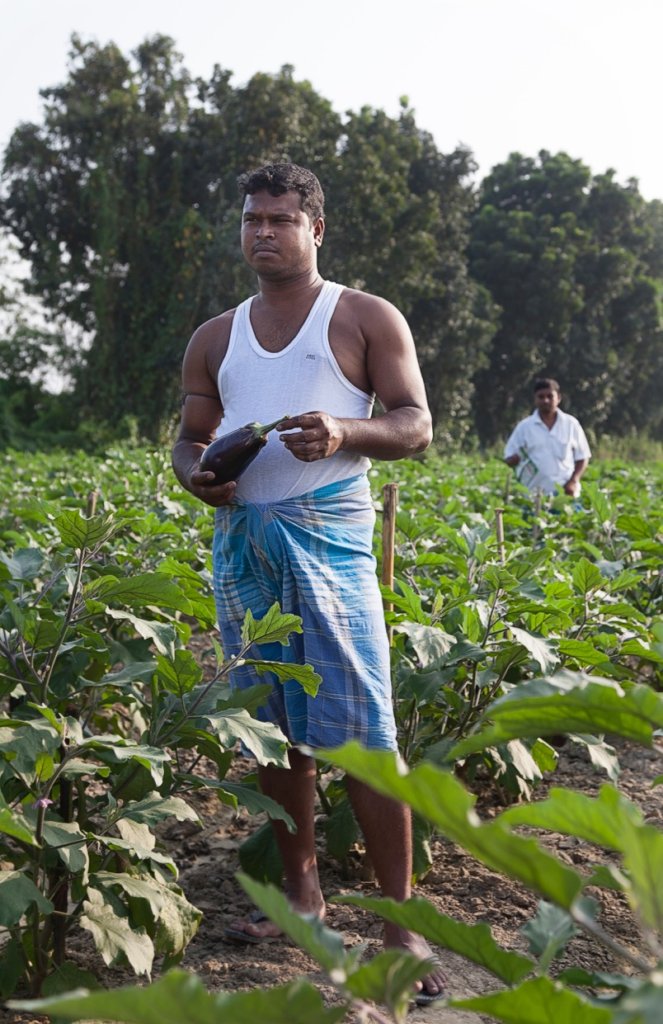
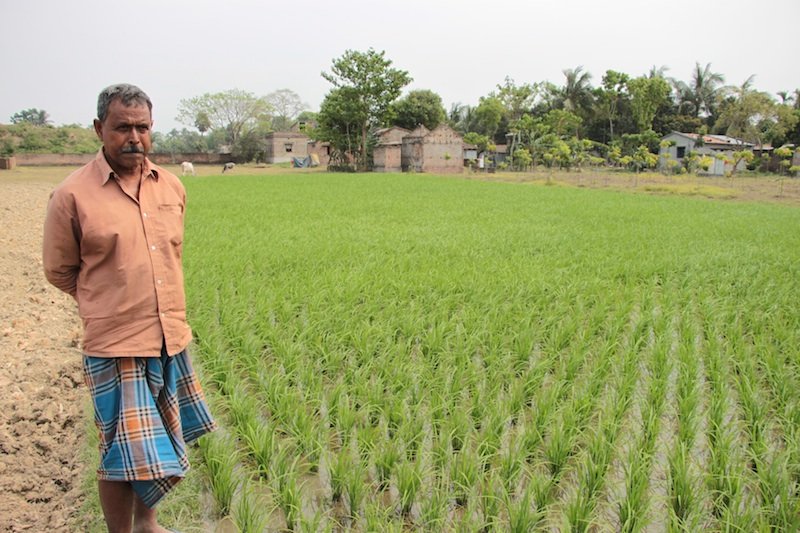
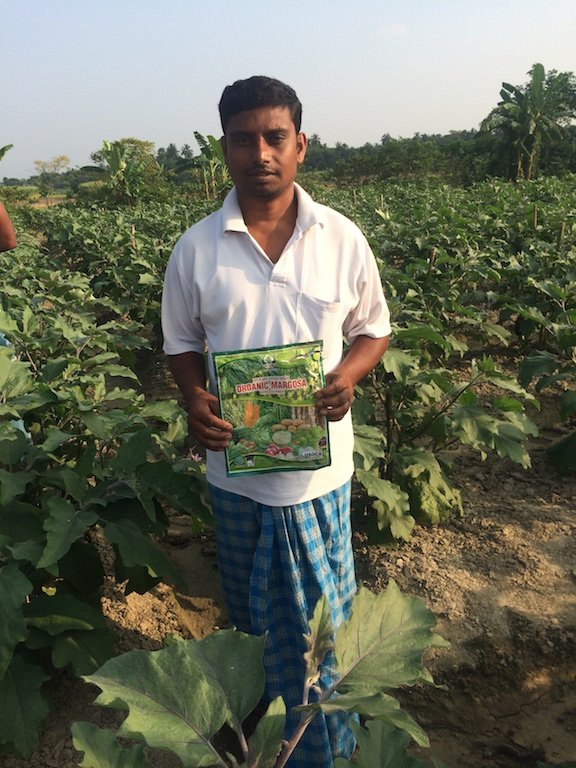
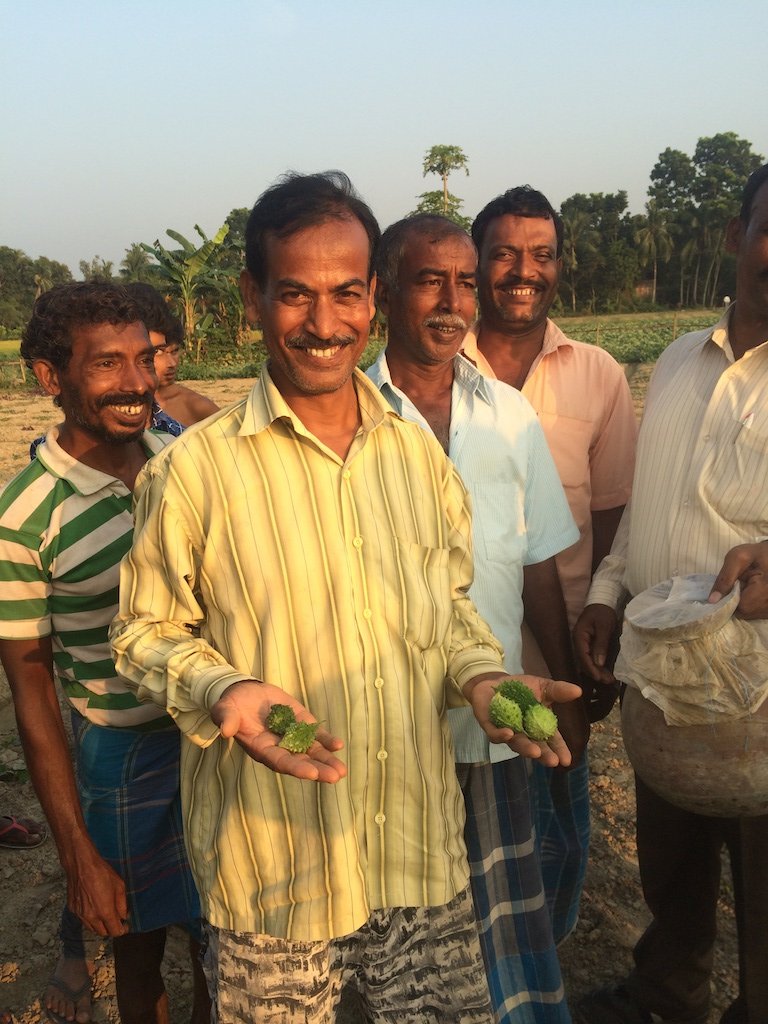
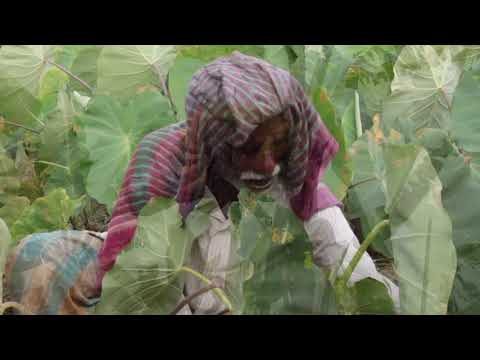
I have been talking this week to Joe Rao, our General Manager in India, about how our AMS farmers are coping with ramifications of Covid-19 and the extended period of lockdown throughout their village communities. Added to this, the devastation caused by Cyclone Amphan in May has made life very difficult for everyone, with whole crops completely wiped out due to the hurricane-force winds and subsequent flooding. There can be no doubt that these two unforeseen disasters have hit the poorest communities hardest and this includes our AMS farmers.
The first step to recovery from the effects of Cyclone Amphan has been to help our farmers claim compensation for their loss from the government. Our field team have worked relentlessly to ensure that all the correct paperwork has been submitted to the local government offices. This is an onerous task and beyond the means of many of our beneficiaries, so the help provided by our team has been invaluable. Everyone affected will be fully compensated for the crop damage in due course.
The second challenge our field team faced was how best to continue with the AMS training and advisory programme when lockdown meant they could not visit farmers in the fields or at their homes. Often a crisis can lead to innovation and new ways of working and Joe explained how this is true in the case of our AMS programme.
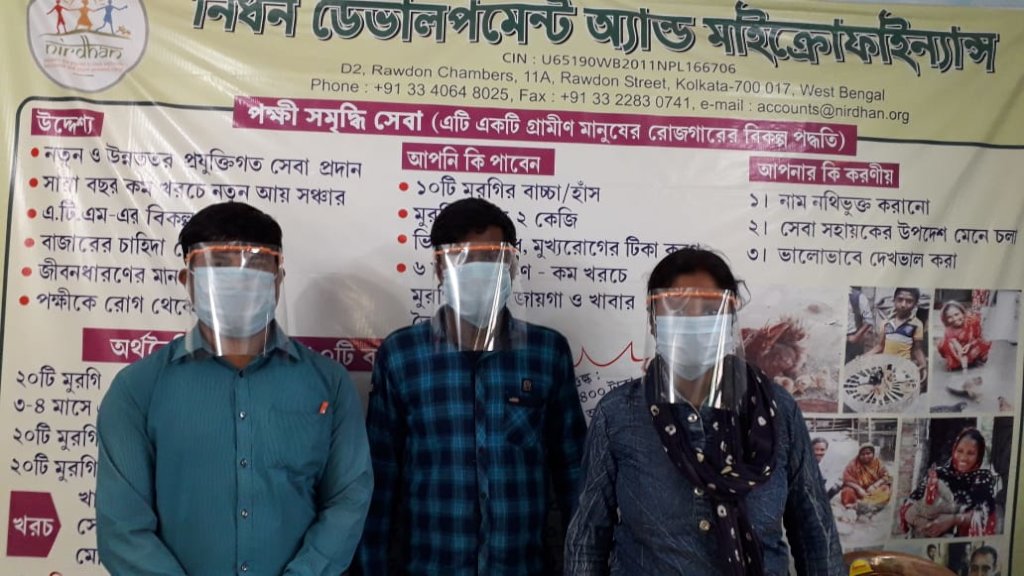
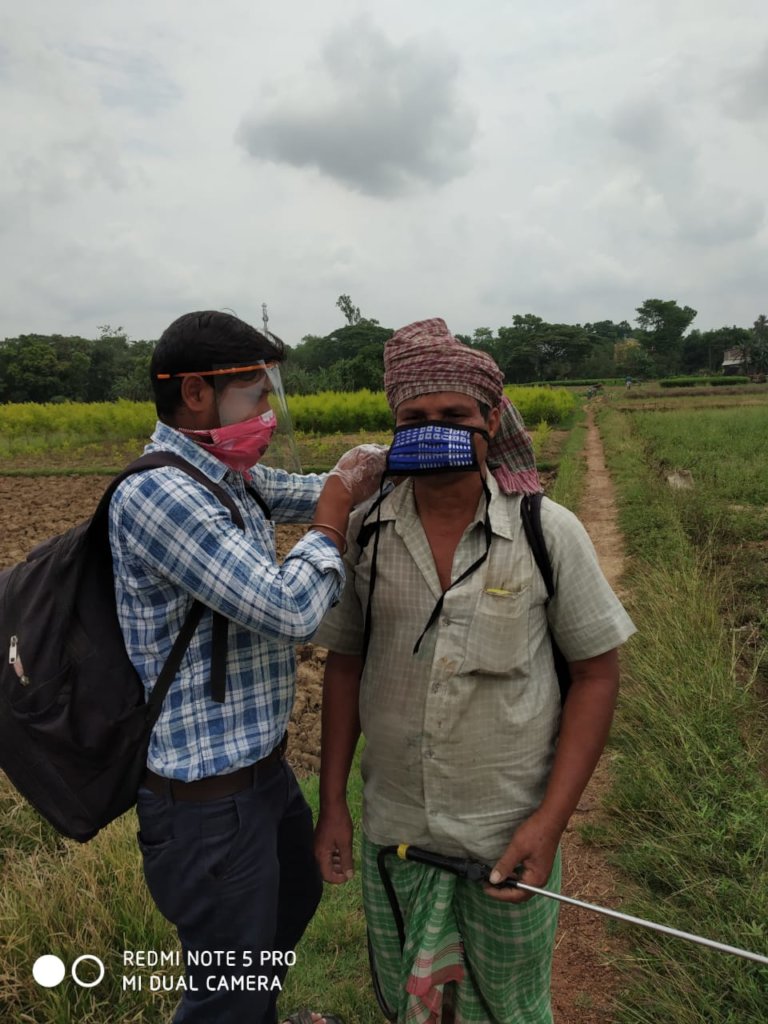
Our Field Supervisors and Livelihood Service Providers have started using WhatsApp to deliver the training and advice they would normally provide face-to-face. We already organise farmers into small working groups (called Farmer Interest Groups or FIGs) and now each group is using WhatsApp for knowledge sharing and for asking advice from the field team and our agricultural expert. Farmers can ask questions about any farming problems they are facing and send photos of their crops to show evidence of possible disease, and everyone benefits from the answers. Also, the LSPs are recording videos to publish on the WhatsApp groups to demonstrate, for example, how to make and apply bio-fertilisers and bio-pesticides using cow dung and urine. This may seem a simple or even obvious solution but, prior to lockdown, communicating with and between Farmer Interest Groups hadn’t even been a problem. Now everyone feels connected again and our AMS programme continues to make a significant impact for all our farmers.
“If a farmer has any issues he can now send a WhatsApp message to the group and the LSP or the AMS expert will be able to provide the solution. It’s an easy way to communicate with the whole group and everyone benefits from the same information. And now we have added the local government officer to the group who can also answer agri-related questions and tell the farmers about any new government sponsored schemes that are available for small-holder farmers. This is a big step forward for our farmers and the AMS programme in general. It’s ironic to think that this positive new initiative has come out of such a massive crisis.” Joe Rao, General Manager, Shivia India (Nirdhan)
Project reports on GlobalGiving are posted directly to globalgiving.org by Project Leaders as they are completed, generally every 3-4 months. To protect the integrity of these documents, GlobalGiving does not alter them; therefore you may find some language or formatting issues.
If you donate to this project or have donated to this project, you can receive an email when this project posts a report. You can also subscribe for reports without donating.



Support this important cause by creating a personalized fundraising page.
Start a Fundraiser