By J M Balaraj | Project Leader
BALAJOTHI CENTRE FOR THE DISABLED
PROJECT # 21529 – USE OF ELECTRONIC TEACHING AIDS FOR DISABLED CHILDREN
REPORT DUE ON : AUG 16, 2017
None can deny the fact that our school age kids schedule is loaded with fun activities, and rightly so. And use of music does play a predominant role. I will go one step forward and say that this especially applies to a child with special needs since use of music in any form goes a long way in making his life better and happier . If you're on the fence about adding music classes to the list, take note of the benefits that come with signing your little one up for violin or piano lessons. Maybe she won't be the next Beethoven, but she may have an easier time learning math, practicing good manners (including patience!), and becoming a team player. Read on to learn more about the benefits of music education.
Music improves academic skills.
Music and math are highly intertwined. By understanding beat, rhythm, and scales, children are learning how to divide, create fractions, and recognize patterns. It seems that music wires a child's brain to help him better understand other areas of math. As kids get older, they'll start reciting songs, calling on their short-term memory and eventually their long-term memory. Using a mnemonic device to do this is a method that can later be applied to other memory skills, says Mary Larew, Suzuki violin teacher at the Neighborhood Music School in New Haven, Connecticut. Musical instrument classes also introduce young children to basic physics. For instance, plucking the strings on a guitar or violin teaches children about harmonic and sympathetic vibrations. Even non-string instruments, such as drums and the vibraphone, give big kids the opportunity to explore these scientific principles.
Music develops physical skills.
Certain instruments help children develop coordination and motor skills as they require movement of the hands, arms, and feet. This type of instrument is great for high-energy kids, says Kristen Regester, Early Childhood Program Manager at Sherwood Community Music School at Columbia College Chicago. String and keyboard instruments, like the violin and piano, demand different actions from your right and left hands simultaneously. "It's like patting your head and rubbing your belly at the same time," Regester says. Instruments not only help develop ambidexterity, but they can also encourage children to become comfortable in naturally uncomfortable positions. Enhancing coordination and perfecting timing can prepare children for other hobbies, like dance and sports.
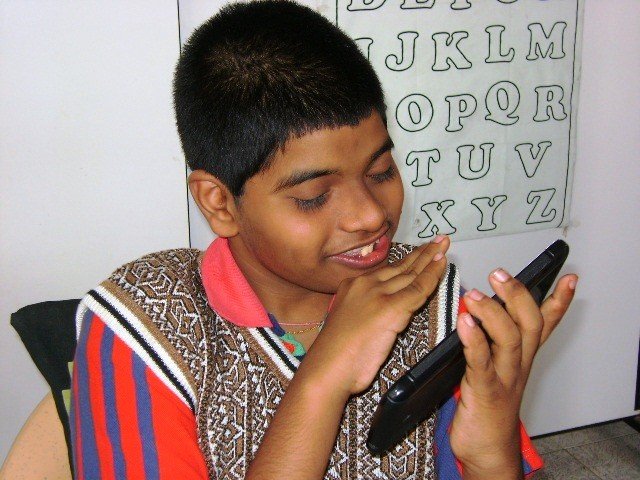
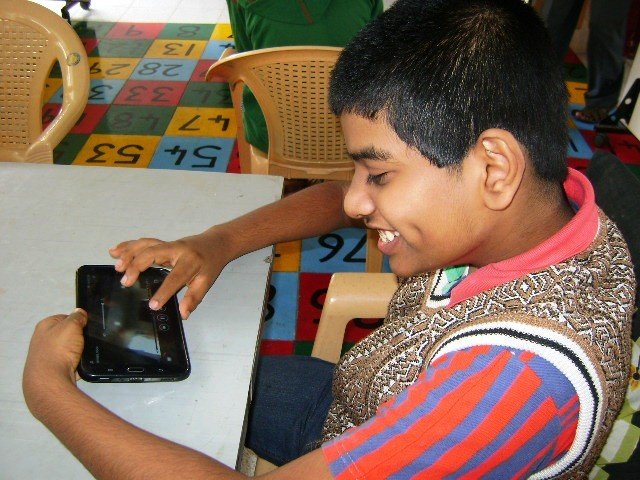
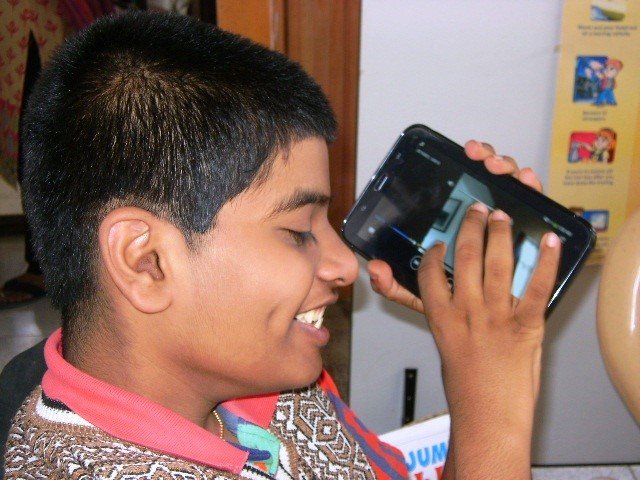
Balajothi is grateful to every donor who has donated for making it possible for our special children to learn music on desktops, keyboards and I-pads which has resulted in improvement in their concentration and attention skills, learning skills and even in behavior modifications. Thank you dear donor for being instrumental in this process. To date Balajothi have received $ 232.98 towards this worthy cause and we assure you that every dollar contributed by you is well spent towards this project.
J M Balaraj
Team leader
(To be continued)
Project reports on GlobalGiving are posted directly to globalgiving.org by Project Leaders as they are completed, generally every 3-4 months. To protect the integrity of these documents, GlobalGiving does not alter them; therefore you may find some language or formatting issues.
If you donate to this project or have donated to this project, you can receive an email when this project posts a report. You can also subscribe for reports without donating.



Support this important cause by creating a personalized fundraising page.
Start a Fundraiser