By Sheena Shah | Director
We lose an average of 100 tons of topsoil per year per acre with traditional farming practices. Why? We’re leaving the soil bare. Then we till the soil and destroy the fungal networks that make it so rich. And then we spray it! And all those chemicals are not just killing the pests. They’re also killing up to 120 beneficial organisms at a time. It’s called the Degenerative Model. Our farming system results in degraded land.
We’re exposing our soil to the heat from the sun, which oxidizes it and turns it into carbon dioxide. It’s creating wind erosion and water erosion.
We know that building healthy soil has the miraculous ability to sequester carbon from the atmosphere. Use cover crops so that photosynthesis can pump carbon into the ground. From an intensive use of cover crops, crop rotation and compost to ensuring the humus of the soil is retaining proper water, fertility is then able to thrive.
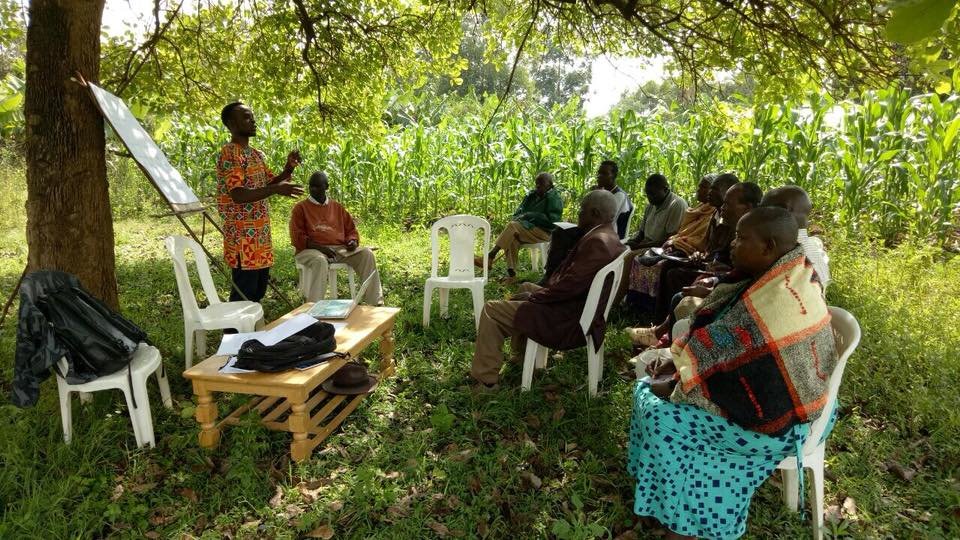
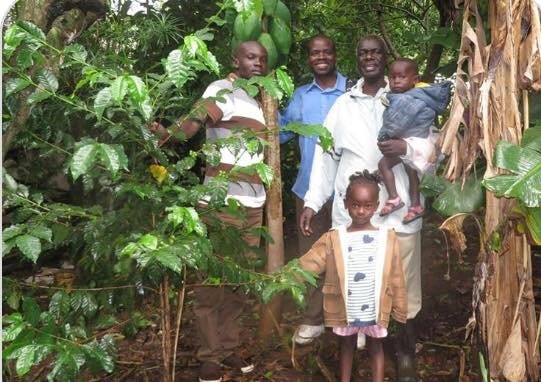
Our partner project in Rongo already model the use of cover crops as a measure of weed control and soil health. Farmers here mainly grow sweetpotatoes (vines) and pumpkins as cover crops that suppress the growth of the weed and regenerate the soil. We have also trained farmers in simple mulching, using dry grass and maize (corn) stalk residues which enrich the soil overtime. These practices also help farmers tackle food security and take excess produce to the market.
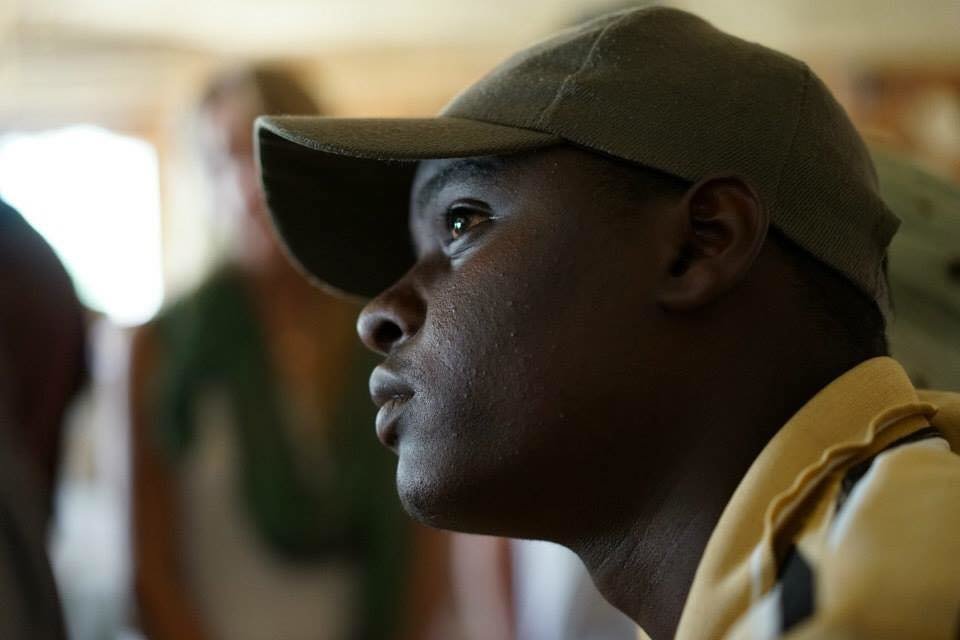
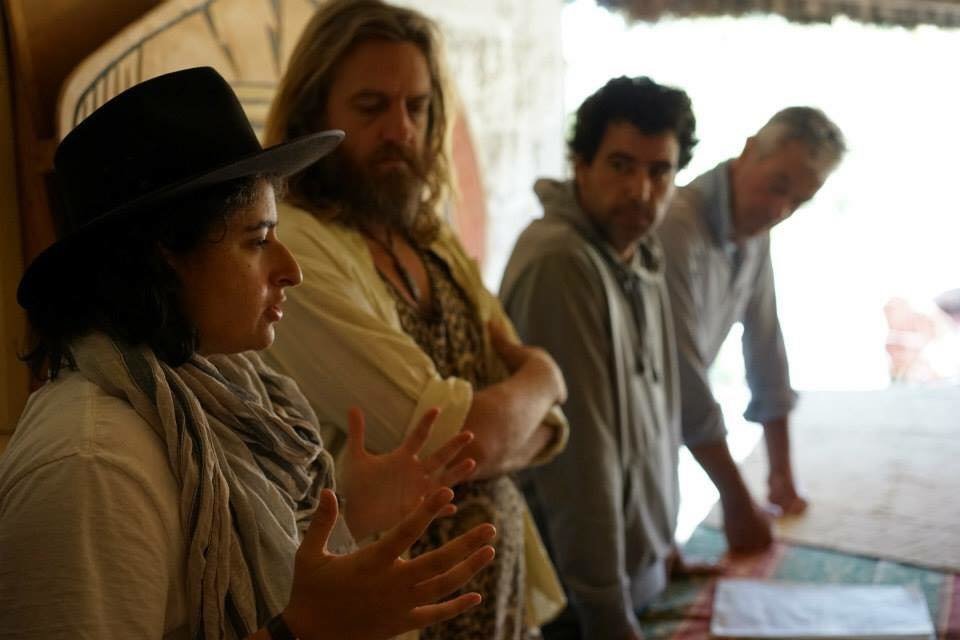
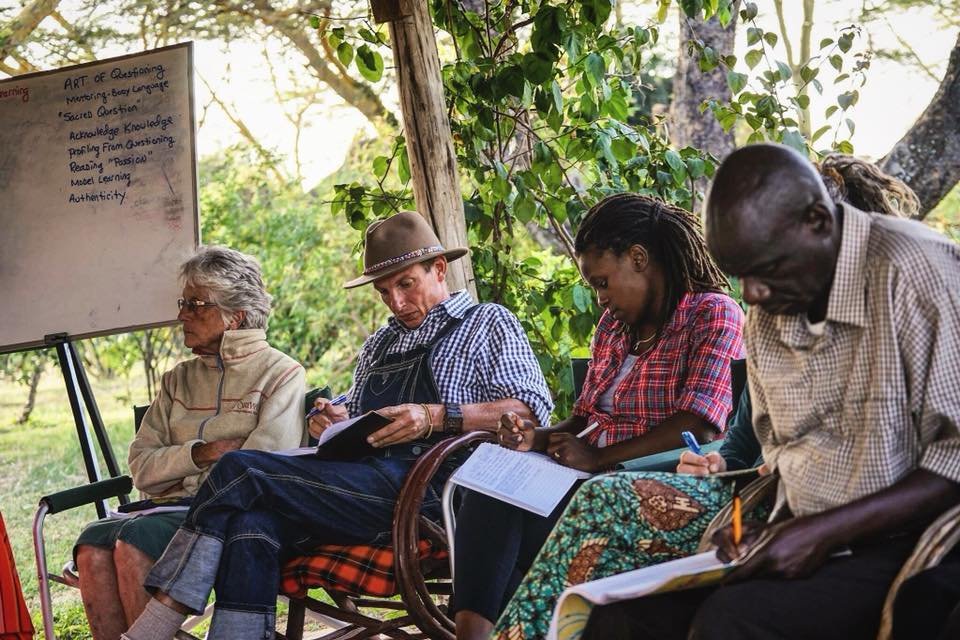
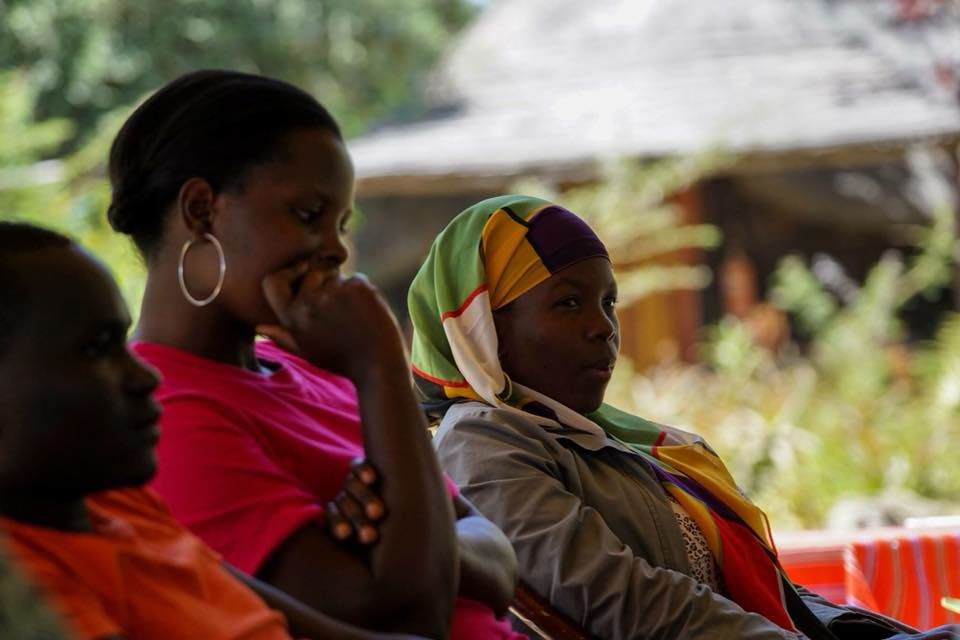
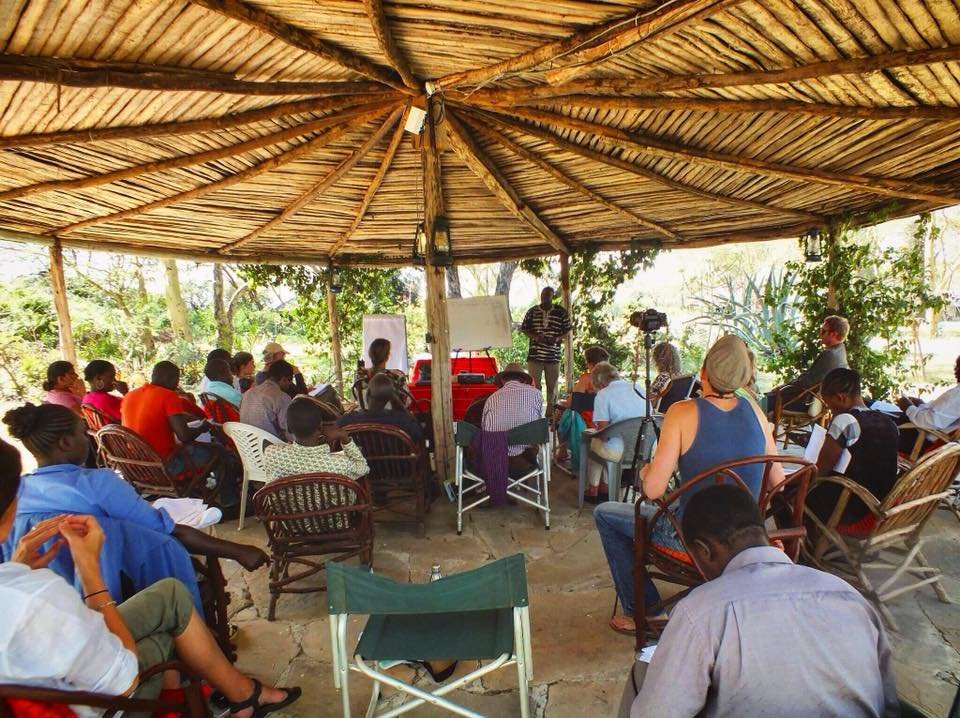
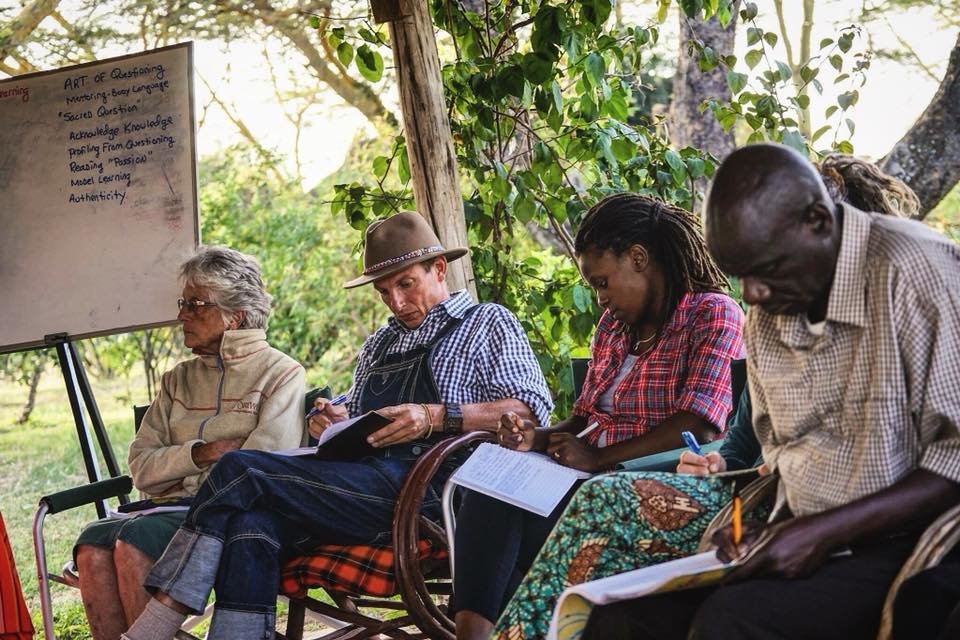
At present the Rongo Project are part of a new pilot programme. The team have selected 20 lead farmers to train in permaculture over a three month period, to promote the development of sustainable food systems by training farmers in permaculture techniques and empowering these farmers to help each other with continuing support services and a new mobile phone platform.
The aim is to train farmers to design their own regenerative food systems, and support them in creating model farms, empowering whole communities to achieve food security. They will continue to receive support from qualified teachers within the Rongo itself and experts, in person and through mobile technology, multiplying the impact by using cell phones to develop and share local expertise.
Thank you for your support!
Project reports on GlobalGiving are posted directly to globalgiving.org by Project Leaders as they are completed, generally every 3-4 months. To protect the integrity of these documents, GlobalGiving does not alter them; therefore you may find some language or formatting issues.
If you donate to this project or have donated to this project, you can receive an email when this project posts a report. You can also subscribe for reports without donating.