By Elin L Duby | Regeneration of Kenya's local communities
Background
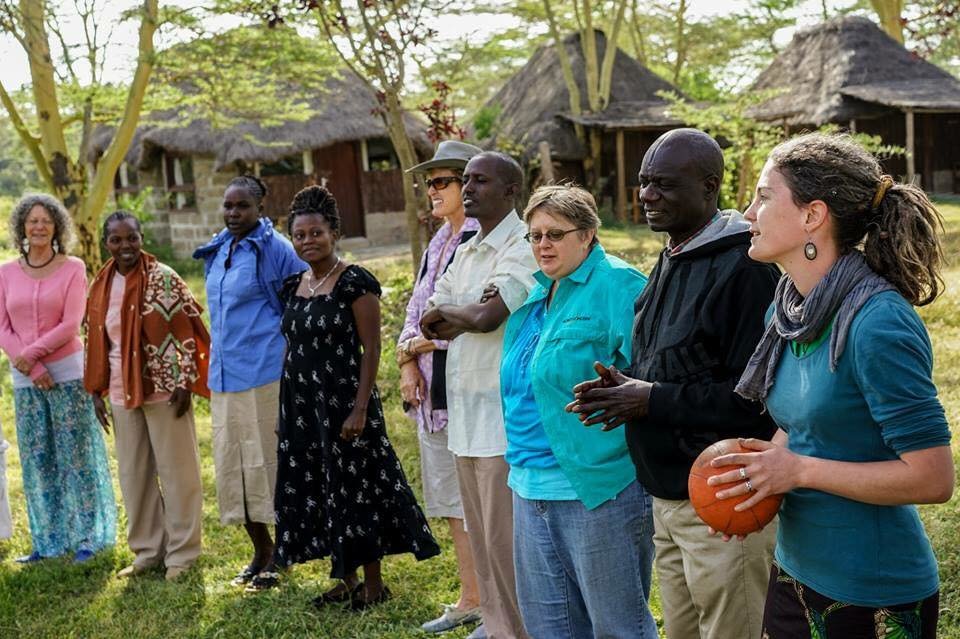
The Permaculture & Regenerative Enterprise Programme is a new initiative for PRI-Kenya. Our aim is to help small permaculture project in turn help their local communities by builing ecological enterprises using permaculture techniques. Our partnerships are created with people who we know and trust and who have trained with us and who, wishing to help their local community, have set up a Community Based Organization or similar with the aim of improving holistically the livelihoods of their community. So far in our programme we have worked with two partners for two years, on Rusinga Island in Western Kenya and in Laikipia in Northern Kenya, and have this last year added another two- Rongo, also in Western Kenya and DNRC in Eastern Kenya.
What has happened so far
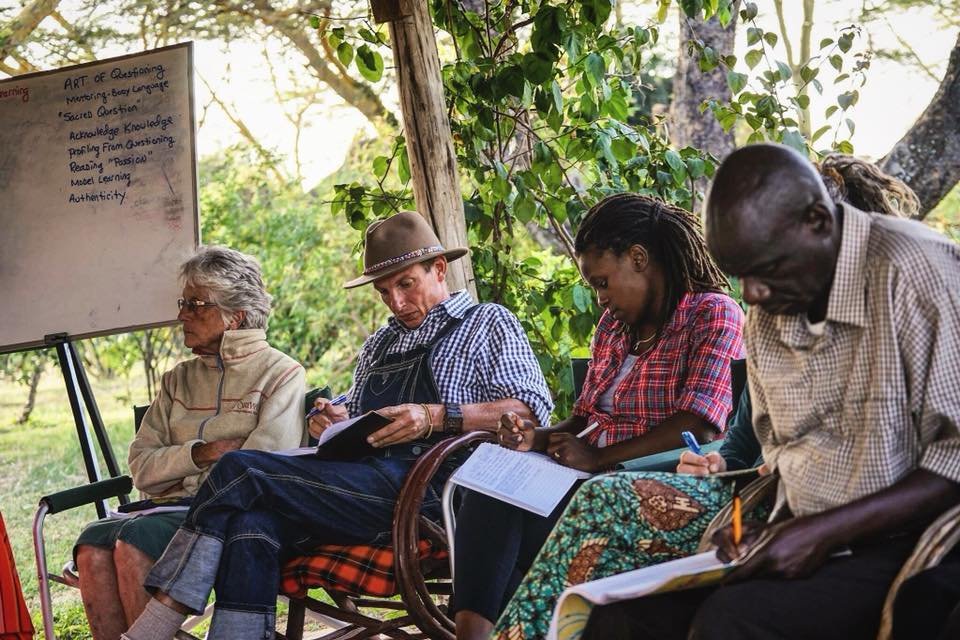
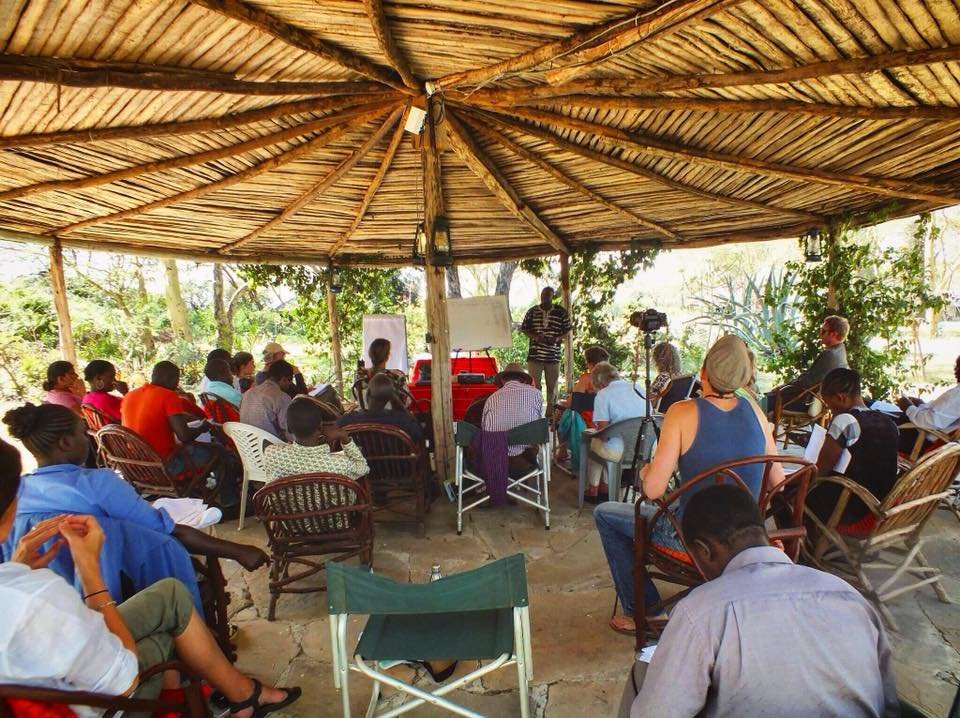
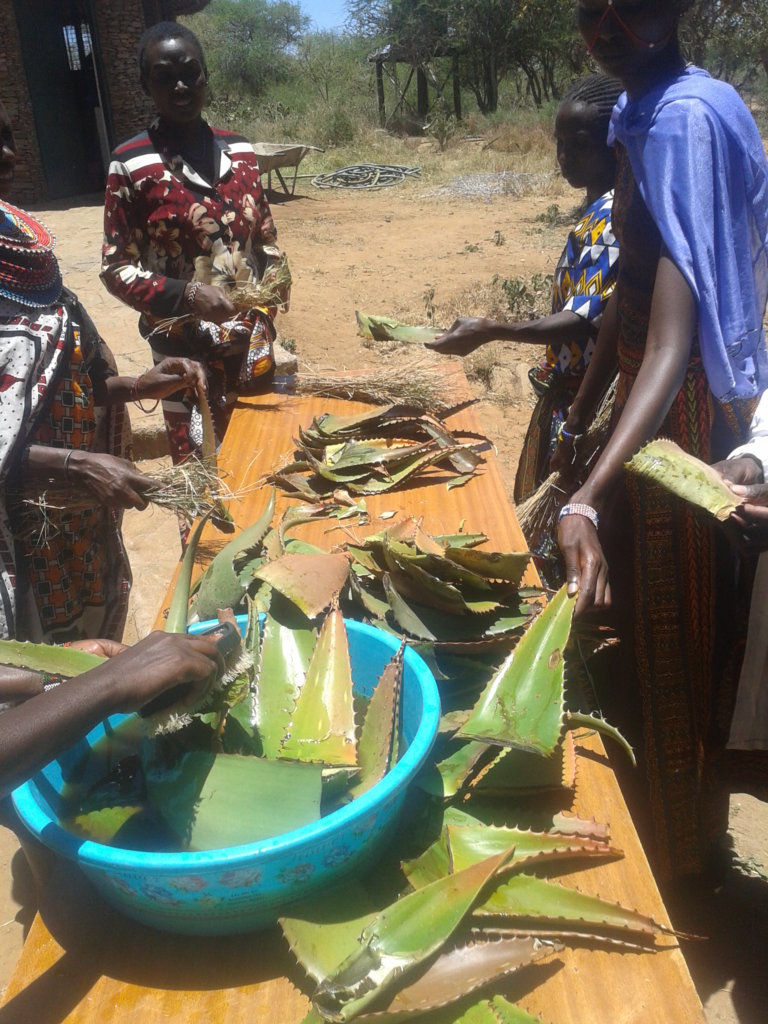
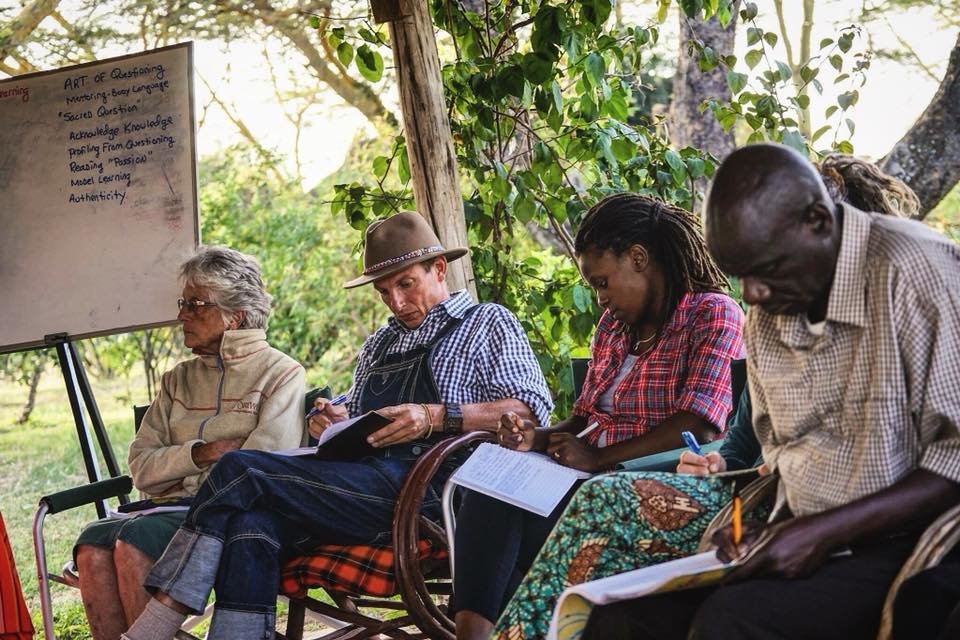
In Laikipia the Laikipia Permaculture Centre (LPC) is blossoming and starting to truly stand out as a good example of permaculture practices. This year a kitchen with a seating area for up to 30 people was built using natural building techniques, local builders were invited to learn new techniques which they can add to their skills set. LPC also added a number of income generating activities this year including running courses, baking bread in the new cob oven, selling milk and vegetables and tree seedlings. In our partner project with the Pastoralist Maasai women we have this year worked on improving the aloe farms to improve production, all of the women's groups made a good income from sales of Aloe leaves this year and also learnt how to harvest and dry the aloe flowers to make tea as another income generating activity.
On Rusinga the Rusinga Island Organic Farmers Association (RIOFA) have been very busy building their own demonstration, education and processing site. From being an empty lot at the beginning of this year the site now has an office, gardens growing vegetables a plenty, a tree nursery selling tree seedlings to the local community and a moringa drying unit where farmers are drying their moringa leaves which they are also selling. Little by little the farmers are all improving their income. RIOFA also completed their organic certification for East Africa training this year which is a great achievement.
In Rongo we have this year started working with a local coffee farmers association. Through our partnership project the association have built up a small processing site, got a motorbike for transporting of their coffee and have been trained on a variety of techniques for organic coffee production, harvesting and processing. The income generated from the coffee sold through PRI-Kenya networks has both supported the association itself and enabled them to get a small office space, as well as giving essential income to the individual farmers. One of the members, a widow with five children, bought herself a cow with the profit made from selling her coffee. Now her family enjoys fresh milk daily and are also able to sell the surplus.
What we want to do next
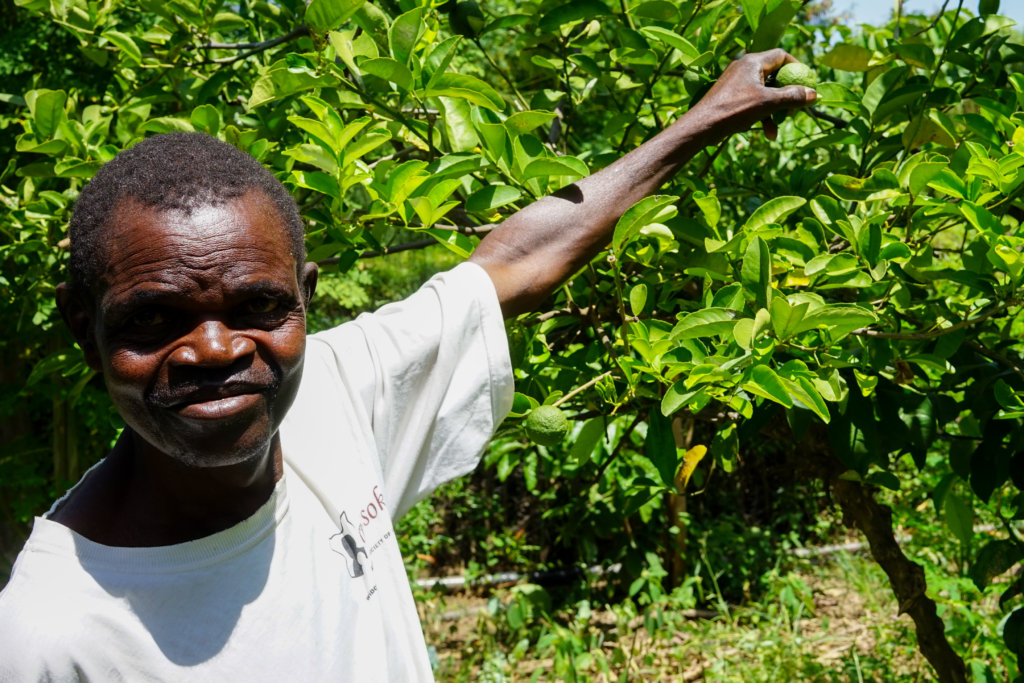
As we move into 2016 we are looking forward to supporting the Maasai women in Laikipia learning to make organic, handmade soaps with all natural ingredients, which we can market widely. We also hope to see improvements to the degraded landscape in Laikipia as we launch an initiative to do earthworks to prevent the soil erosion and build up soil fertility. We hope to see RIOFA and DNRC learning to dry moringa powder and press moringa oil and thus significantly improve their income. We hope to see the Rongo Coffee Farmers improve their production and sales of coffee as we support them in the marketing efforts and to see their coffee farms turn into veritable permaculture demonstration sites with flourishing coffee food forests with a variety of crops grown both for consumption and income.
%MCEPASTEBIN%
Project reports on GlobalGiving are posted directly to globalgiving.org by Project Leaders as they are completed, generally every 3-4 months. To protect the integrity of these documents, GlobalGiving does not alter them; therefore you may find some language or formatting issues.
If you donate to this project or have donated to this project, you can receive an email when this project posts a report. You can also subscribe for reports without donating.