By Ohad Frans Loffler and Masesa Demian | Fundraiser Collaborator and Director of Programs
Key Highlights of the Quarter
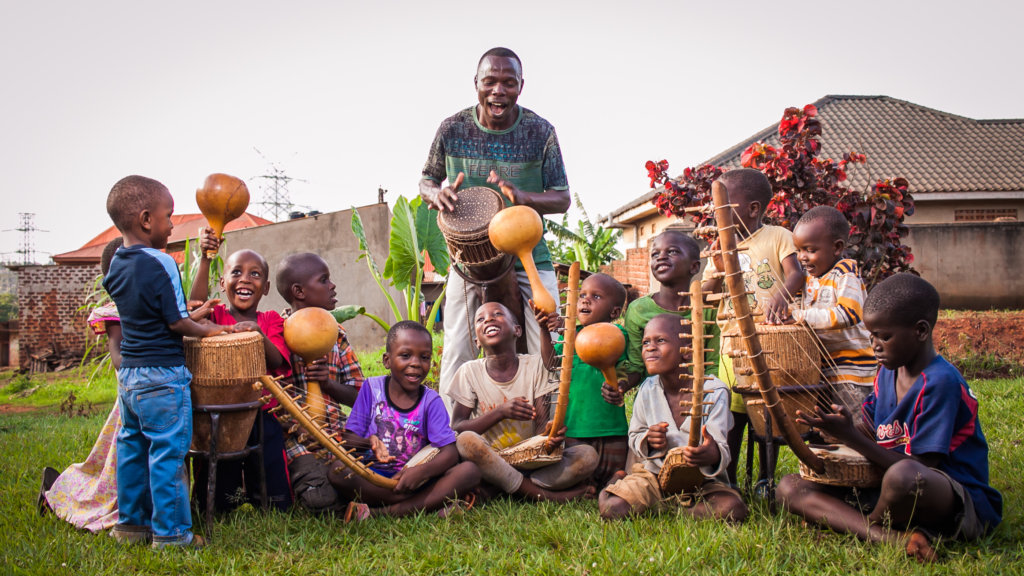
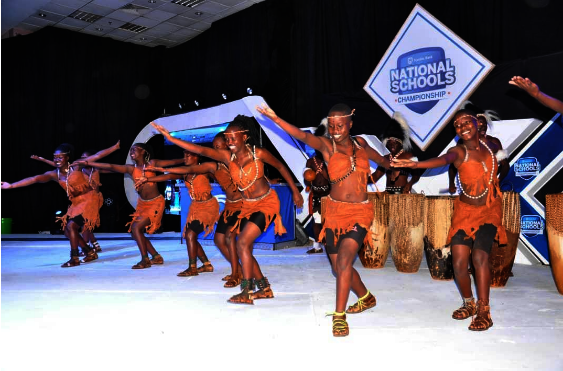
This quarter was a reflective period, brainstorming on and making an understanding and appreciating Music, Dance and Theater at our newly developed idea of “Ensibuulo-Born Fire Brainstorm”. This initiative is intended to bring around scholars, artists, celebrities, politicians and all personalities, stakeholders onto a targeted discussion mainly one that promote and build confidence of young people in the field of Creative and Performing Arts.
The discussion stated thus, the fact that young people should and have a responsibility in protecting and preserving the industry. The idea came through from the Board of Directors seating, which raised concerns on how much the young people especially the Rockies Academy are investing in ensuring we have professionals in this field.
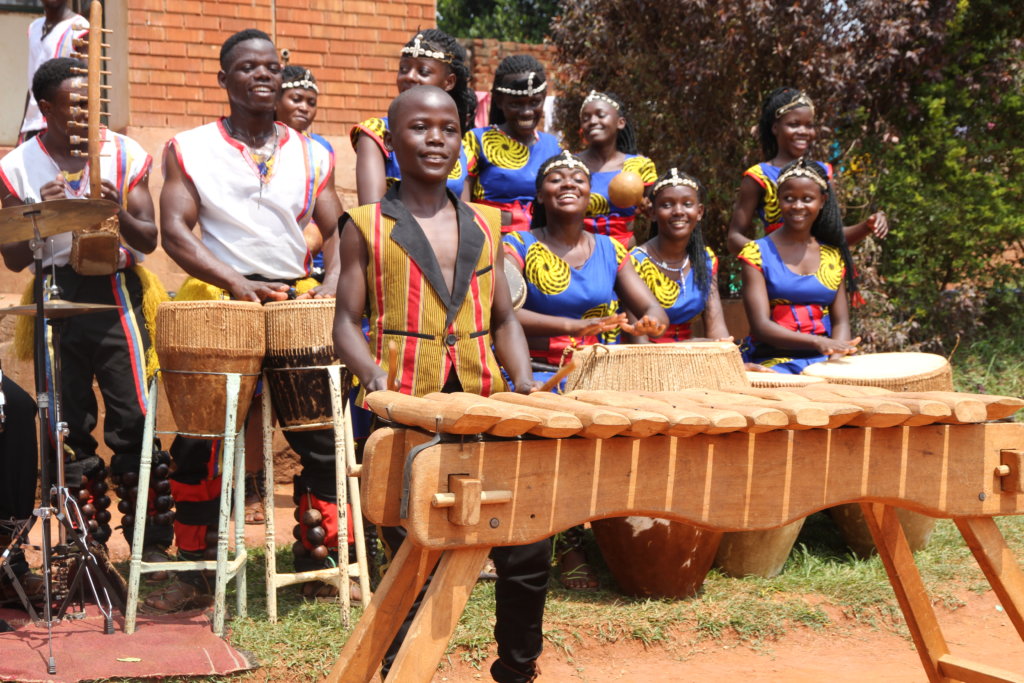
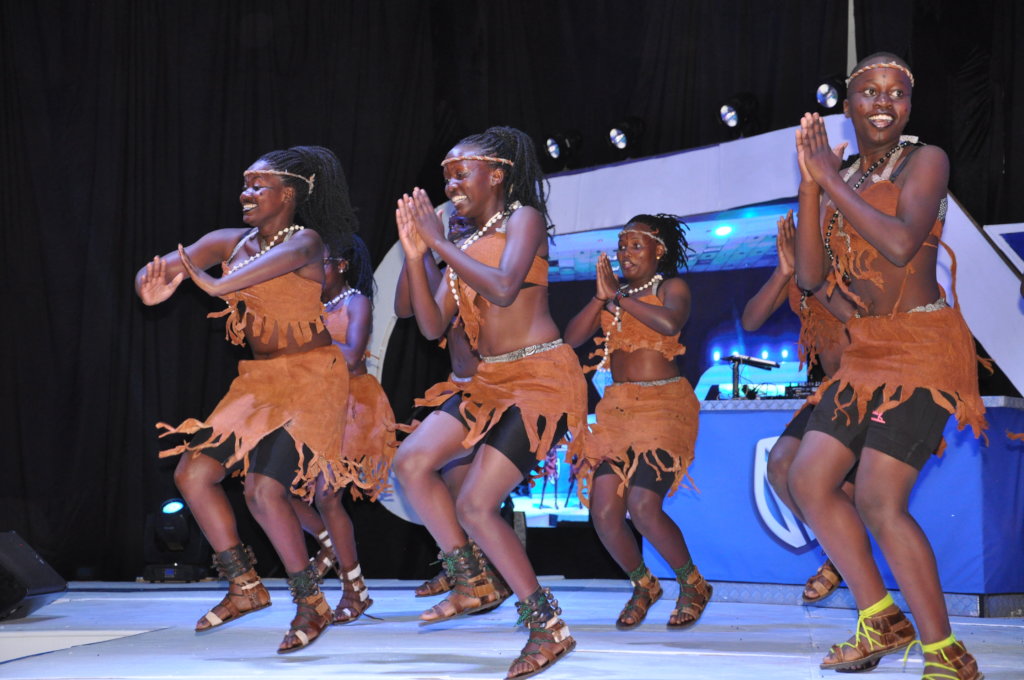
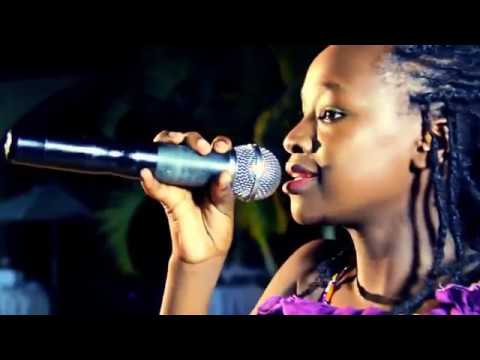
The discussion made progress and gave us a clear understanding that performing arts ranges from vocal and instrumental music, dance and theatre to pantomime, sung verse and beyond. They include numerous cultural expressions that reflect human creativity and that are also found, to some extent, in many other intangible cultural heritage domains. We would like to share with you some of our thoughts and findings.
Music is perhaps the most universal of the performing arts and is found in every society, most often as an integral part of other performing art forms and other domains of intangible cultural heritage including rituals, festive events or oral traditions. It can be found in the most diverse contexts: sacred or profane, classical or popular, closely connected to work or entertainment. There may also be a political or economic dimension to music: it can recount a community’s history, sing the praises of a powerful person and play a key role in economic transactions. The occasions on which music is performed are just as varied: marriages, funerals, rituals and initiations, festivities, all kinds of entertainment as well as many other social functions.
Dance, though very complex, may be described simply as ordered bodily movements, usually performed to music. Apart from its physical aspect, the rhythmic movements, steps and gestures of dance often express a sentiment or mood or illustrate a specific event or daily act, such as religious dances and those representing hunting, warfare or sexual activity.
Traditional theatre performances usually combine acting, singing, dance and music, dialogue, narration or recitation but may also include puppetry or pantomime. These arts, however, are more than simply ‘performances’ for an audience; they may also play crucial roles in culture and society such as songs sung while carrying out agricultural work or music that is part of a ritual. In a more intimate setting, lullabies are often sung to help a baby sleep.
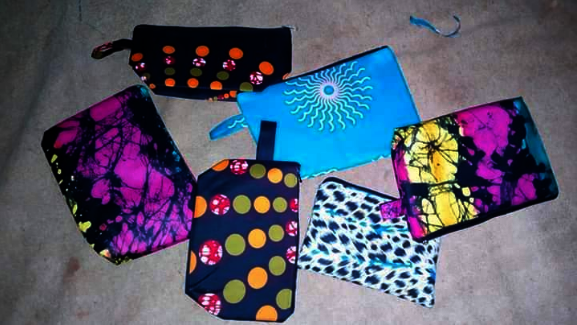
The month of September saw us make a temporary shift into a more spacious premises to allow for expansion of the Entrepreneurship department. This department has now been able to add on 3 Electronic Sewing machines, this means that we shall have increased effectiveness in the department especially in making products for both the market and the attires for our stage performances.
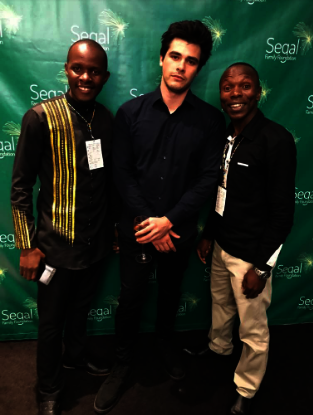
Our Executive Director and the Director of Programs represented the Organization at the Annual Segal Family Foundation Conference in Nairobi-Kenya. Segal being our partner has opened enormous opportunities for us, it gave us the understanding of many potential spaces not only for learning but also networking and fundraising. Just like we got the opportunity to be featured on GlobalGiving, it’s the opportunity provided by Segal. While in Kenya, another opportunity was created for our Director of Programs to join our Founder into storming this space where Segal brings together donors and partners to interact and share thoughts on how well donor-grantee relation can be enhanced, a great networking space that has proven to be a good lead for great partnerships from the networks created.
Project reports on GlobalGiving are posted directly to globalgiving.org by Project Leaders as they are completed, generally every 3-4 months. To protect the integrity of these documents, GlobalGiving does not alter them; therefore you may find some language or formatting issues.
If you donate to this project or have donated to this project, you can receive an email when this project posts a report. You can also subscribe for reports without donating.