By Houng Koktean | Project Manager
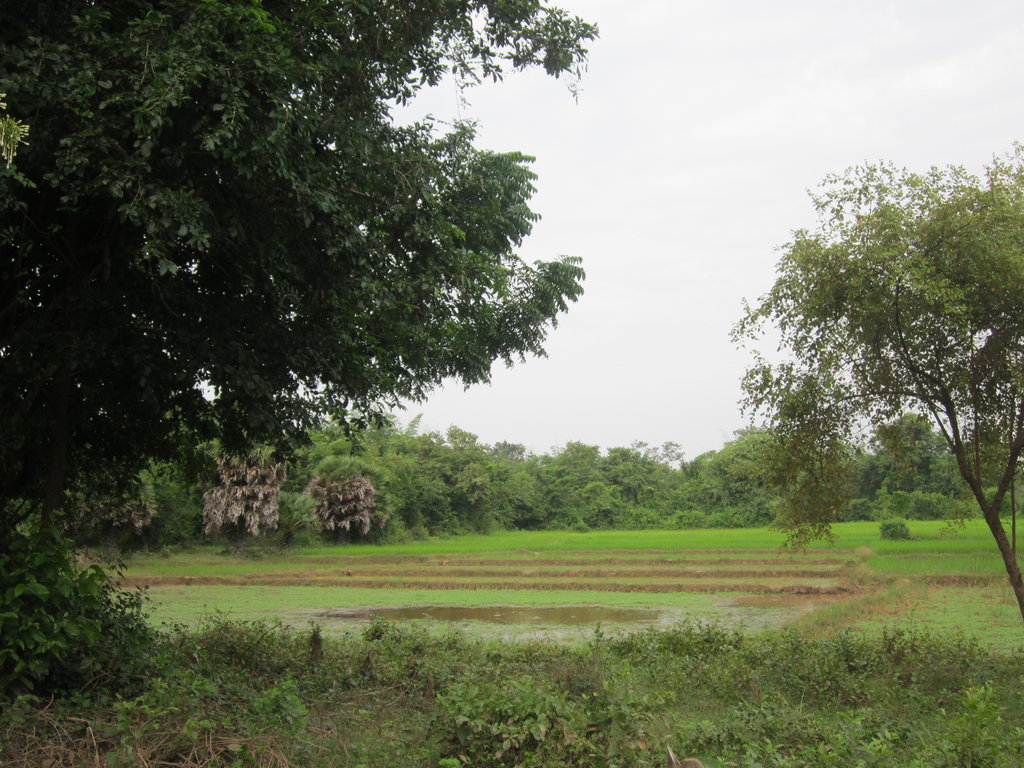
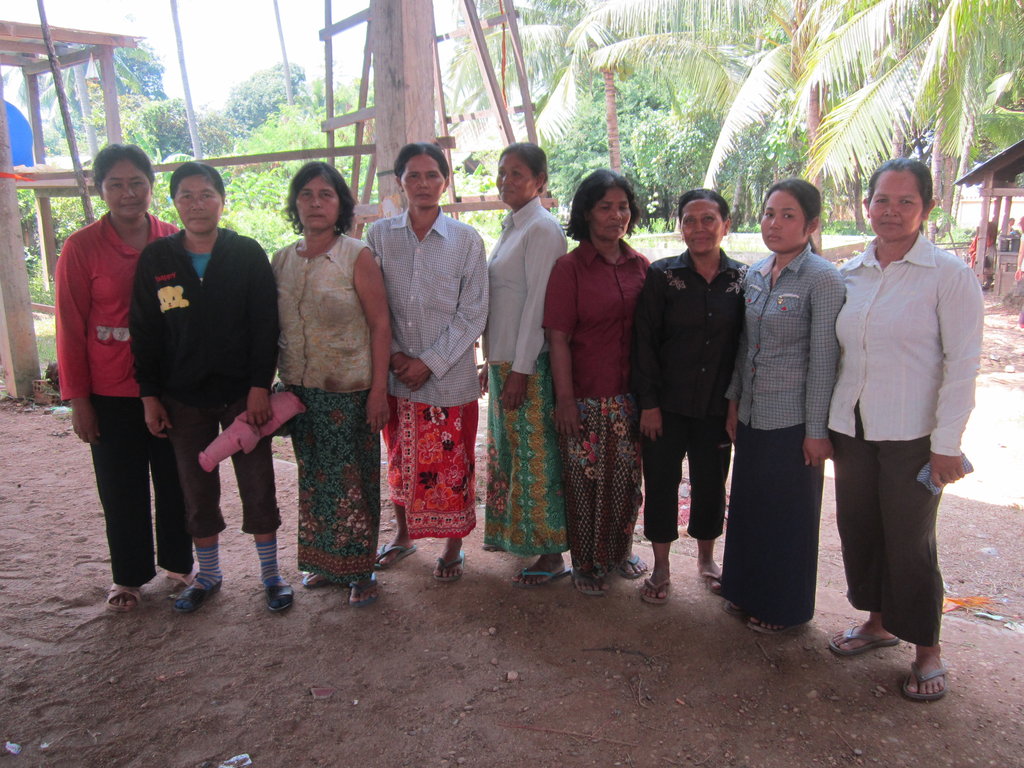
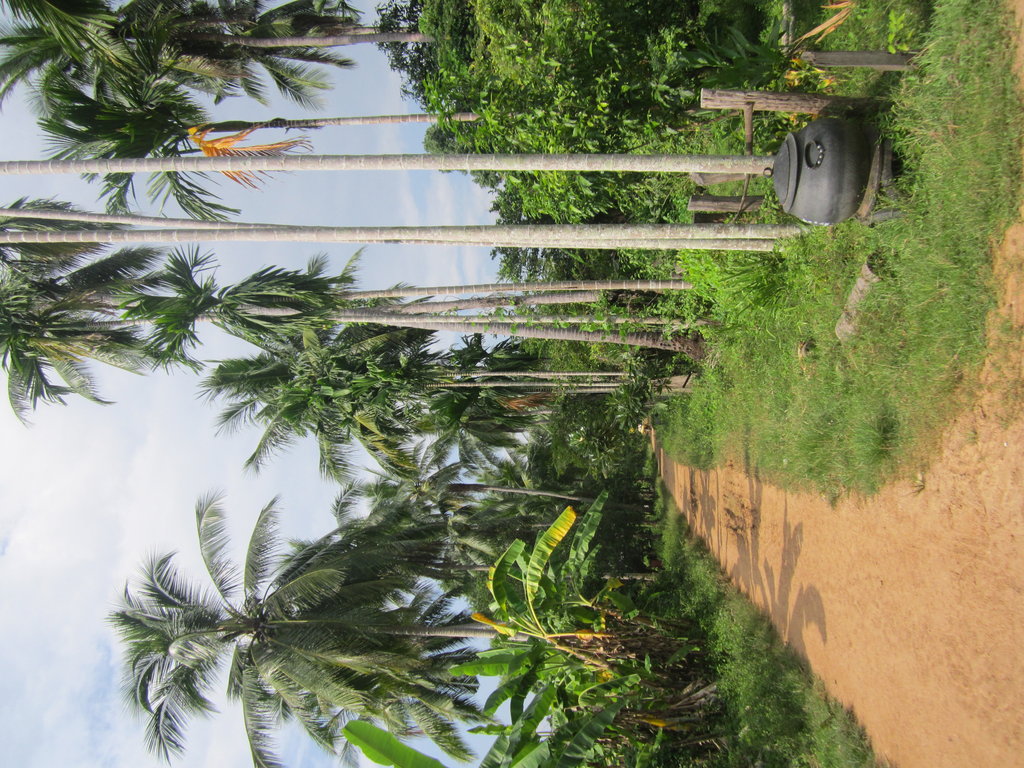
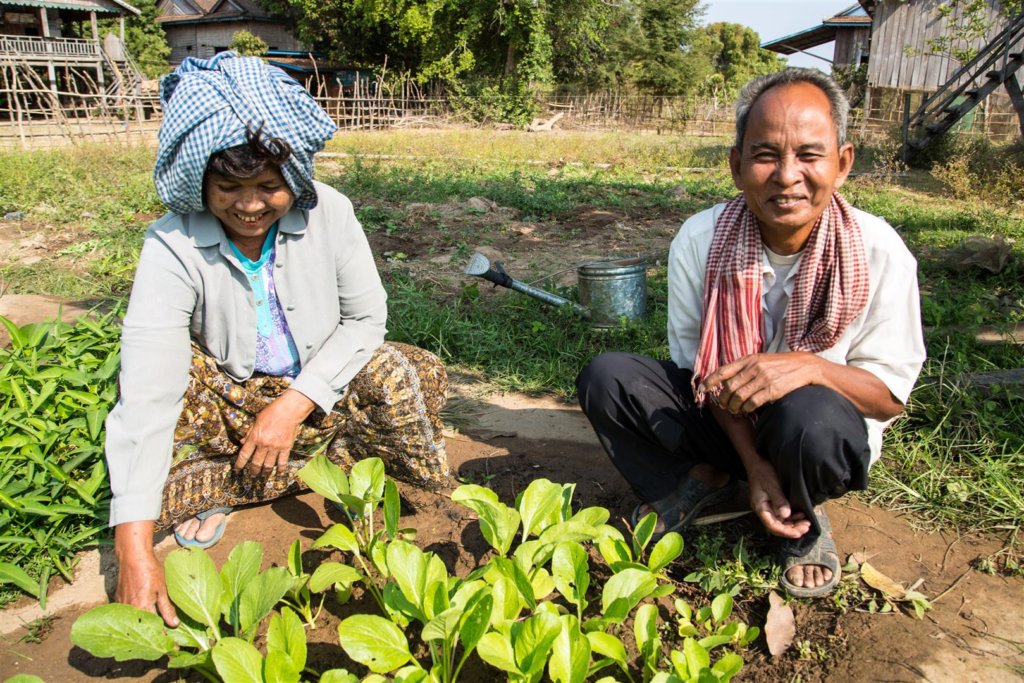
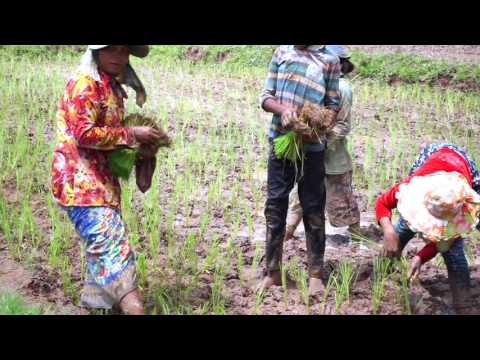
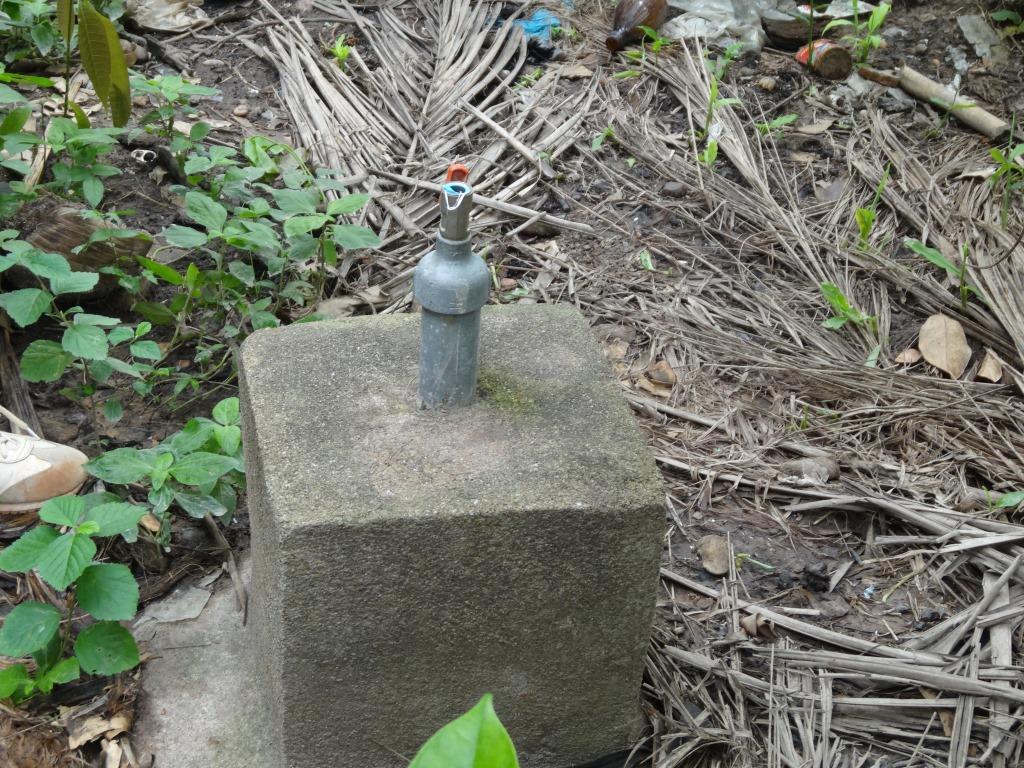
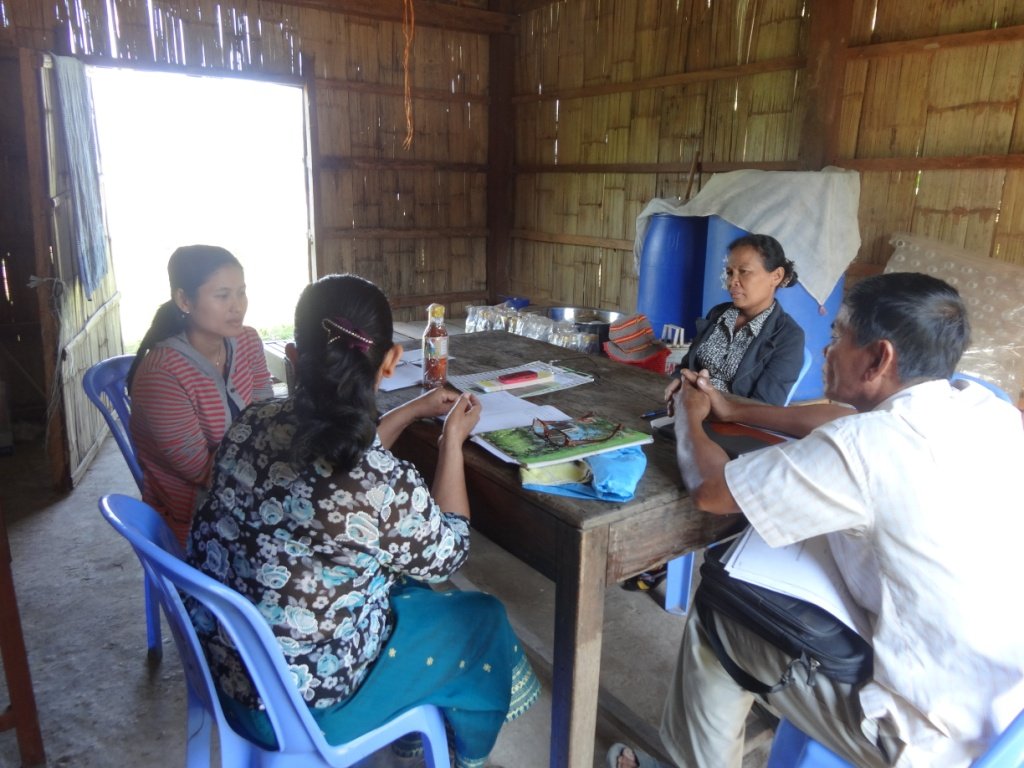
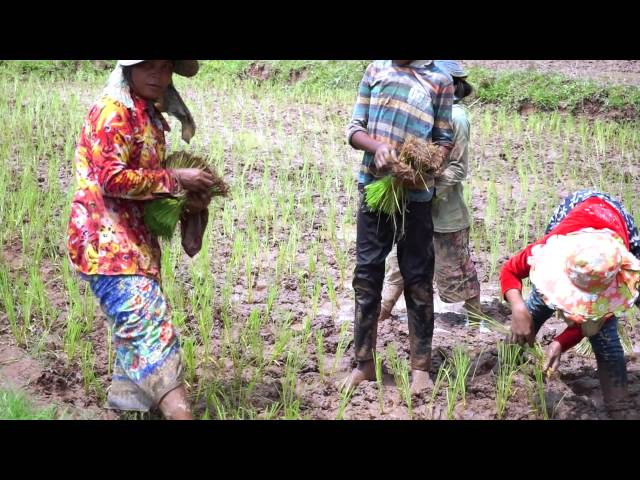
This time of the year and with the arrival of the rainy season, most of our beneficiaries in Koh Preah commune have been busy with their rice farming. Thus, during our 3- day trip (2 to 4 July) to assess the needs for repairing bio-digesters, we have noticed that some villages were rather quieter than usual. Meeting with our CBO members who have bio-digesters, we found that 42 out of the 55 households are having problems with the spare parts of the systems. Some have problems with cookers while others have problems with lamps. Five of them have not been able to use their bio-digesters for almost two years due to two problems: (1) the broken parts of the system such as tube, lamps, tab, and cookers which are not available in Cambodia and (2): the lack of animal manure to produce bio-gas when their livestock kept dying especially during hot season.
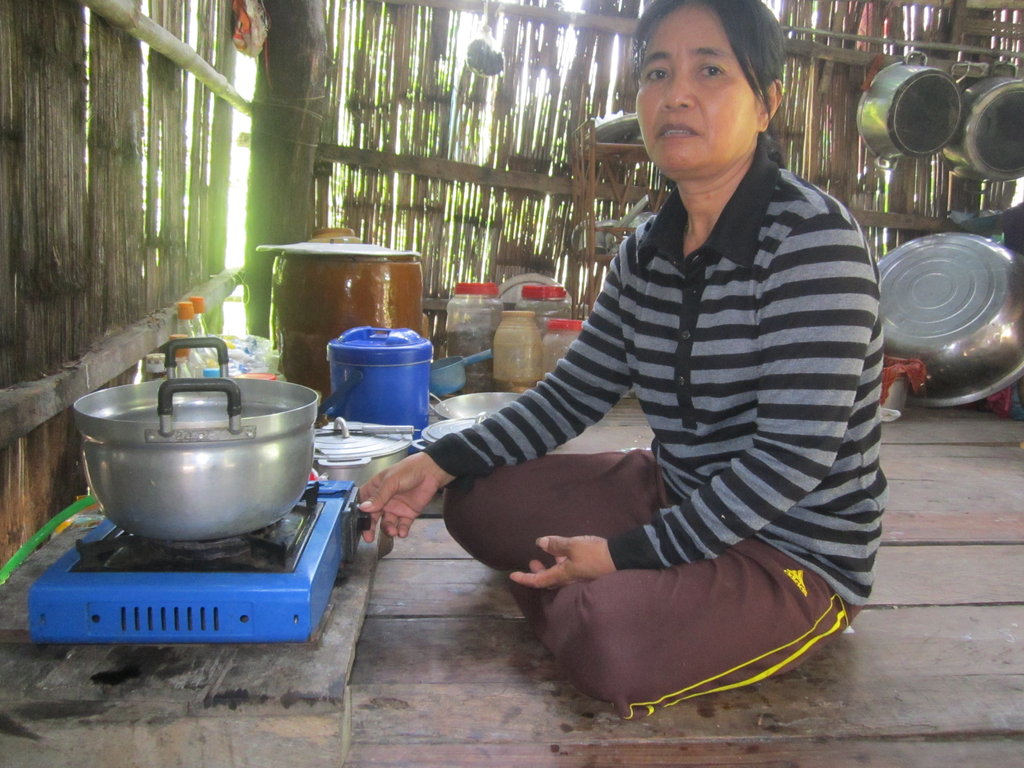
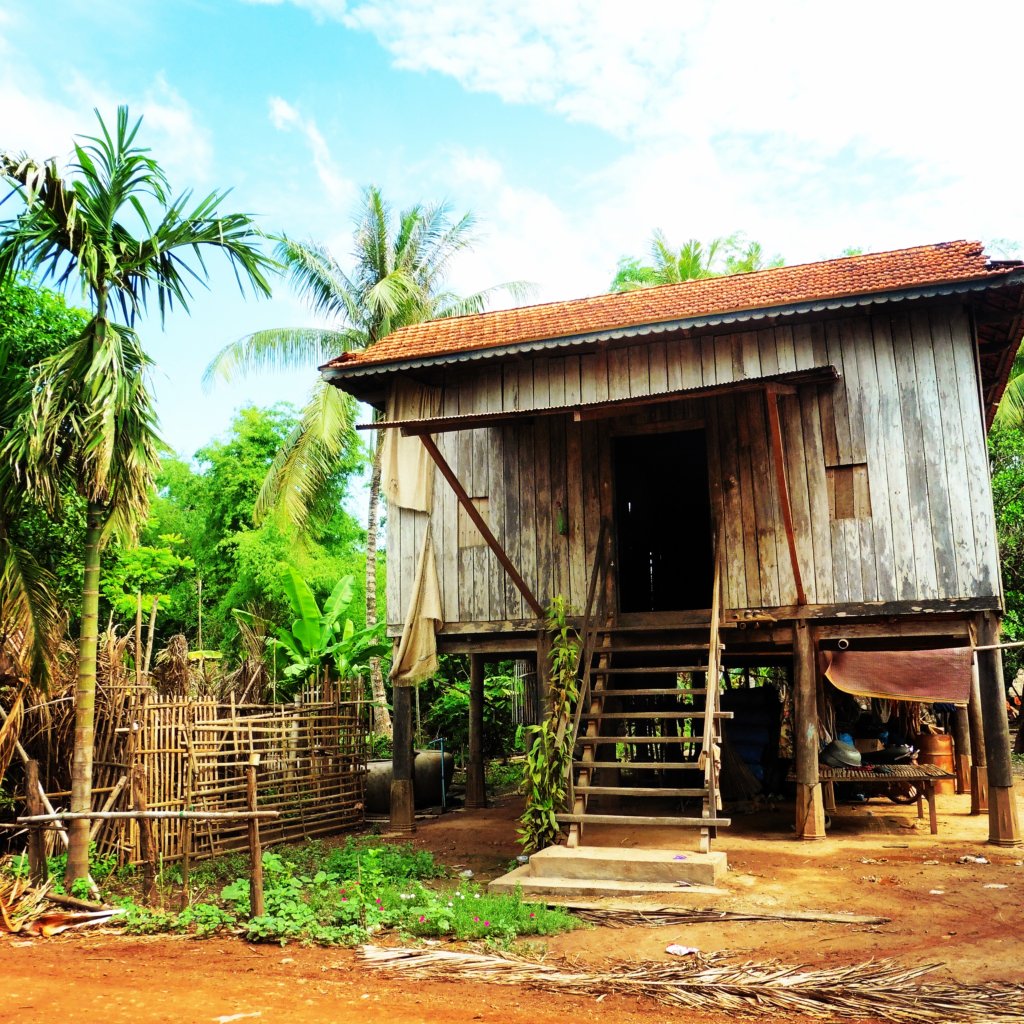
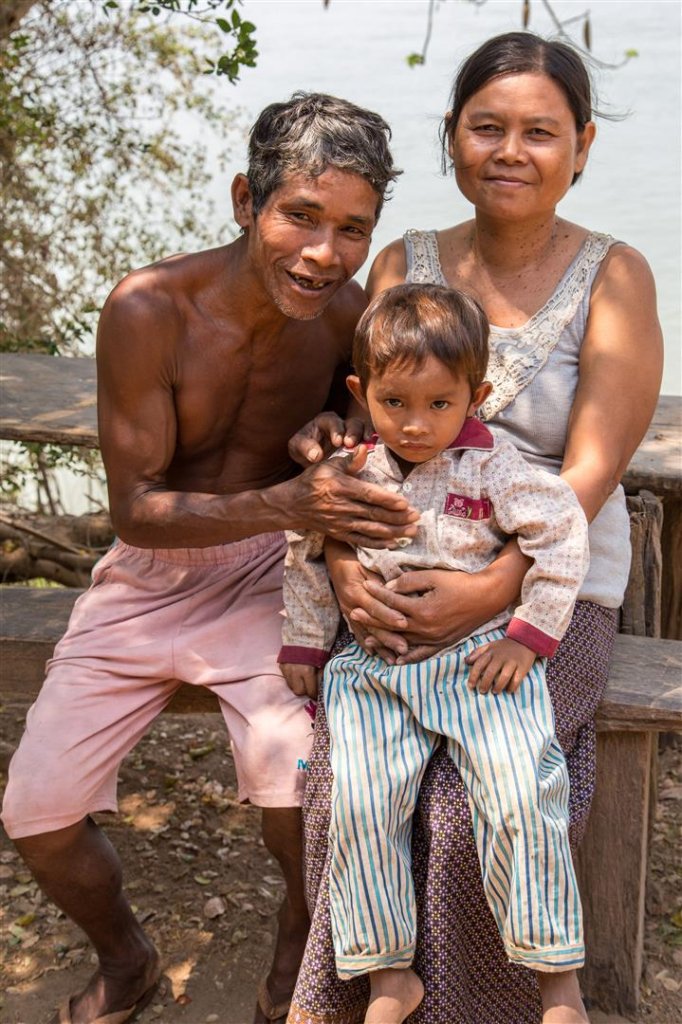
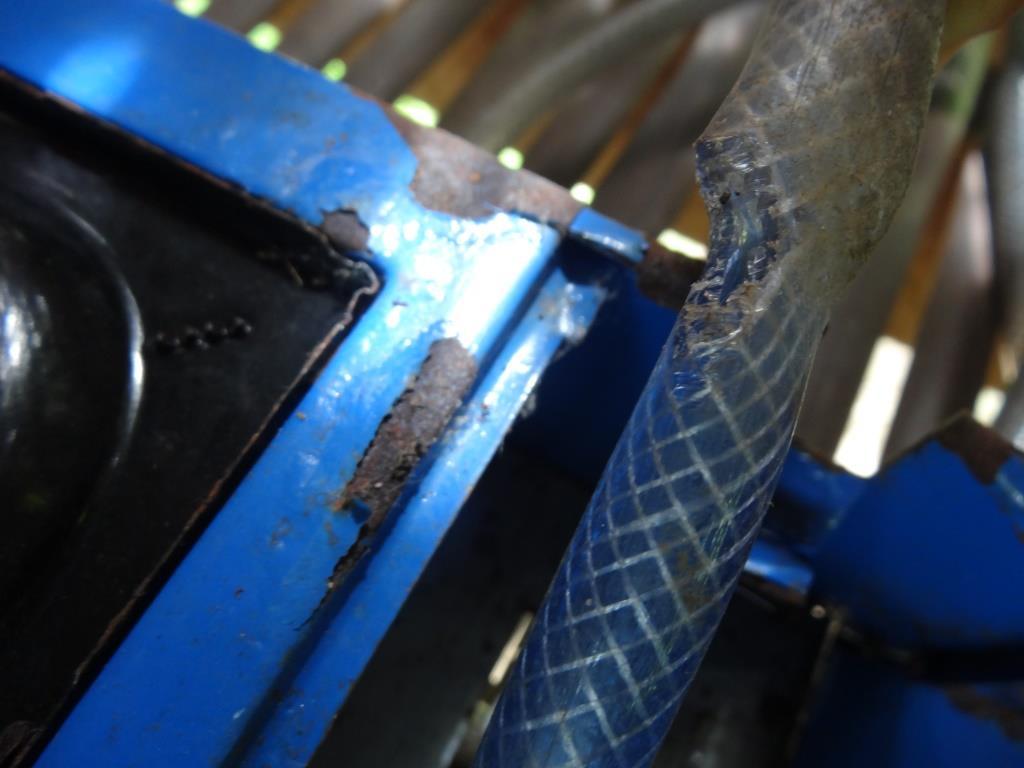
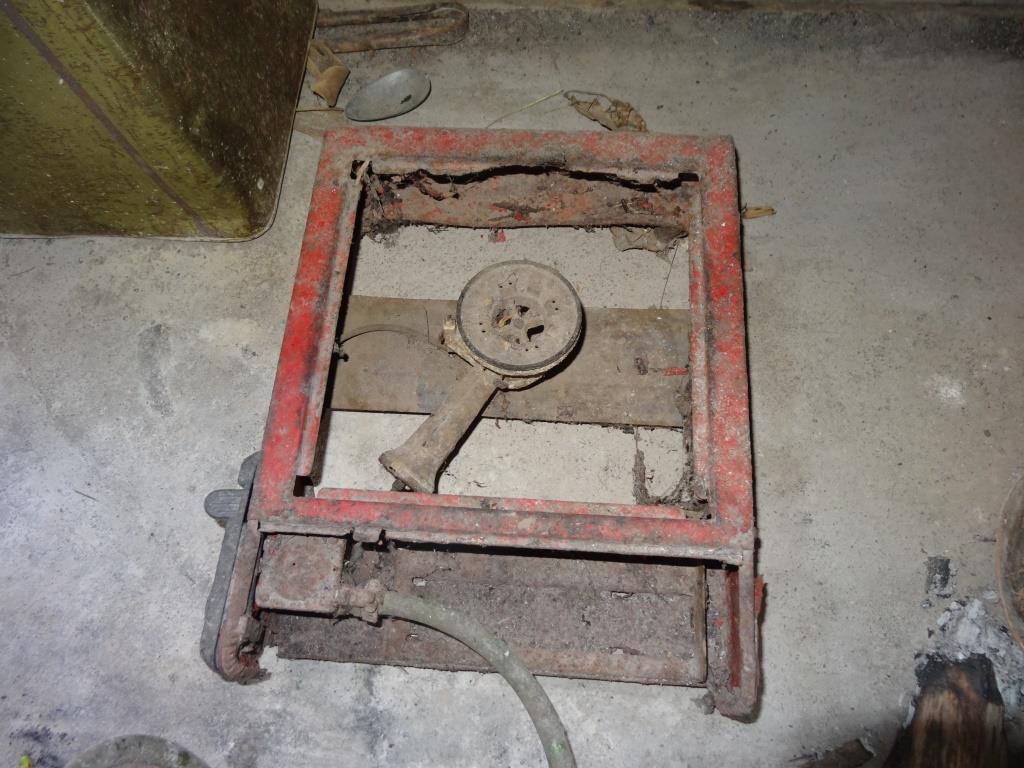
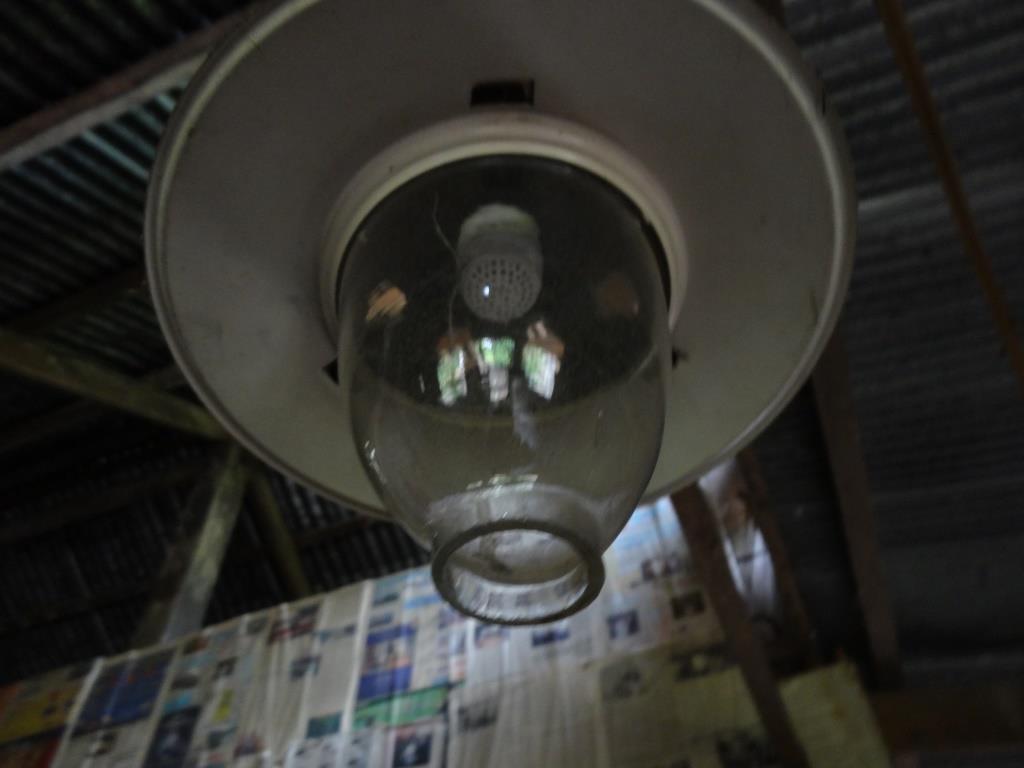
With bio-digester, Ms. Vibol had been living very conveniently for 8 months before its spare parts were broken, because she did not need to go to the forest to collect fuel wood for daily cooking and boiling water. The tube connected from the bio-digester to the cooker was broken because of storms and heavy rain. Her cooker is rusty and cannot function because it has not been used for almost two years. The lamp using bio-gas for lighting her home does not work. She has asked CRDT to repair these spare parts, which are not available in her community.
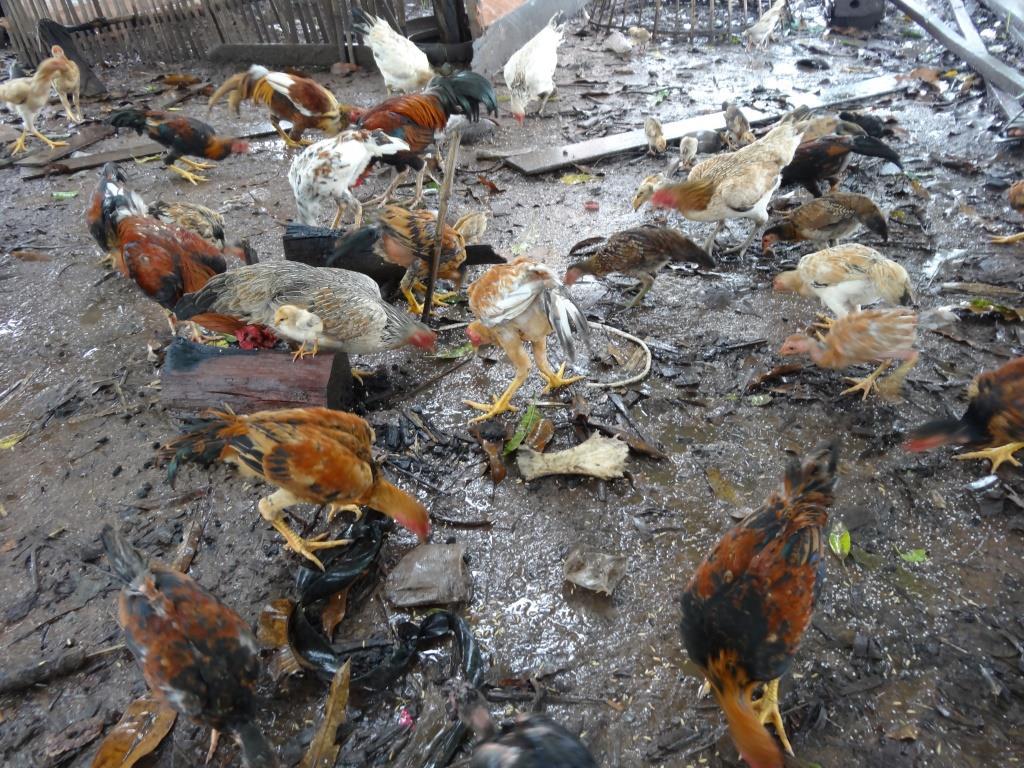
Ms. Vannara reported that her chickens and ducks kept dying in hot season during March and April. At the beginning, she raised 50 chickens and 15 ducks. Four months later, her livestock grew bigger and almost ready for sale. Unfortunately, 35 chickens died during 7 days and all ducks died in a day. She felt very hopeless and decided to postpone raising chickens and ducks since then. She would like CRDT to help provide new techniques for raising livestock that adapts to climate change, especially to protect her chickens and ducks during the season when diseases breakout.
In response to the first problem, with fund raised from GlobalGiving donors, CRDT has planned in late August 2014 to help these families by replacing the broken spare parts and involving them in the repairing process, so that later they will be able to repair the bio-digester themselves as well as help other villagers to repair theirs. The cost of the new spare parts were agreed among the villagers that half will be covered by the fund from Global Giving and the other half will be settled by the families themselves.
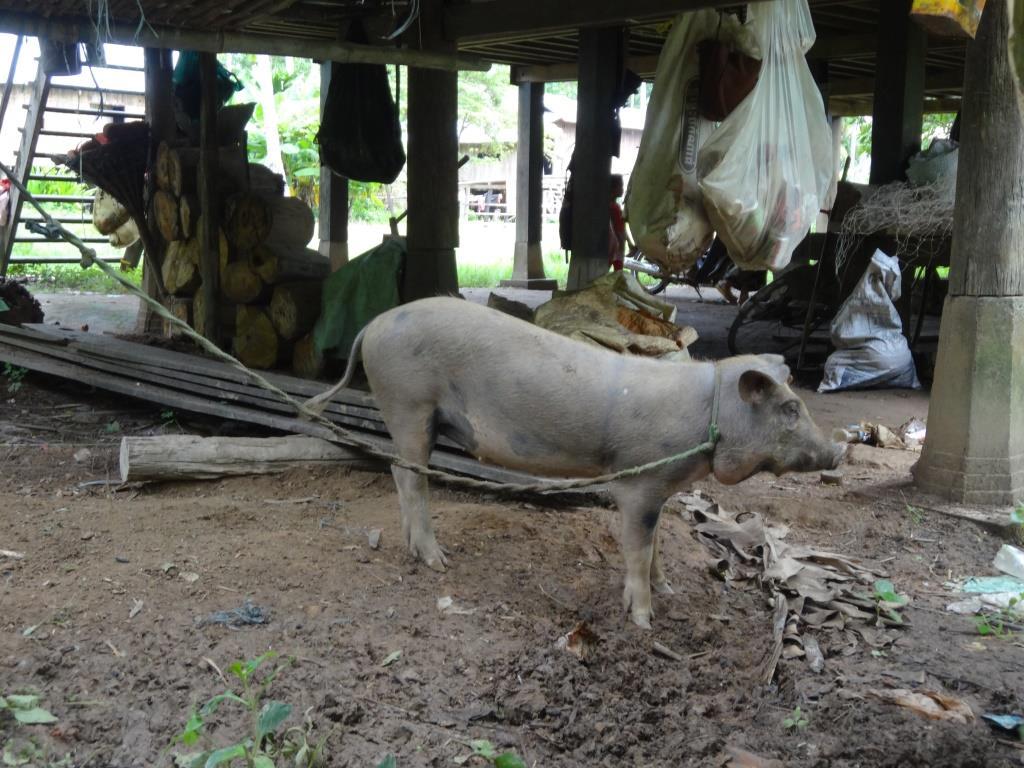
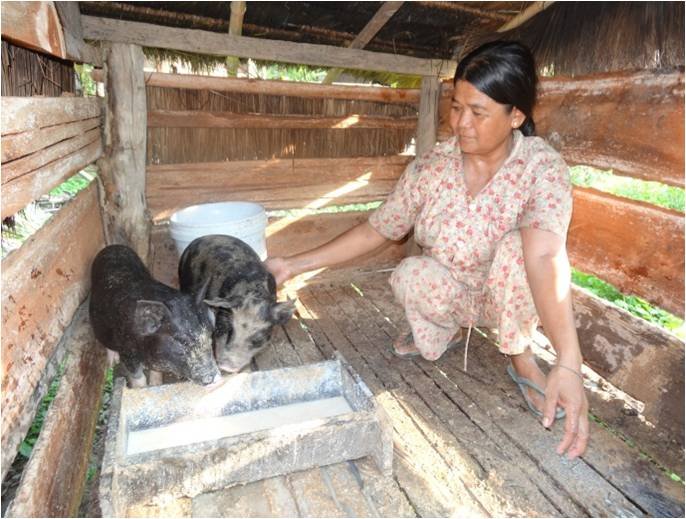
To address the challenge in raising livestock as well as the lack of animal manure for producing bio-gas, we have planned to provide them with trainings on livestock raising and disease preventive methods adapted to climate change. Families which do animal raising are confronted by the continuous death of their livestock due to the fact that climate change becomes noticeable in their localities causing animals being prone to diseases. If a pig dies, it is a big loss for the family. To avoid such loss, some villagers decided to reduce or stop raising such animals as pigs, chickens, and ducks.
We estimated a needed budget of around USD 4,340 (USD 840 for half of the cost for bio-digesters repair plus USD 3,500 to provide trainings on livestock raising for 319 families). The fund of USD 1,500 raised over the last semester would be used to address the problem of bio-digesters first. Your recurring donation is really necessary and your support could have even more impact if you decide to donate to CRDT on Global Giving matching day on July 16th from 9 am to 11:59 pm (time in New York) or July 16th from 3 pm to July 17th at 6: 00 am (time in Europe). Your donation will be matched at 50% which will tremendously help CRDT and this project.
CRDT would like to take this opportunity to thank Charissa, GlobalGiving volunteer, for visiting our project last May and giving a lot of helpful suggestions.
Finally, thank you to all donors for your kindness to our Cambodian rural families.
Links:
By Por Narith | Project Manager
By Por Narith | Project Manager
Project reports on GlobalGiving are posted directly to globalgiving.org by Project Leaders as they are completed, generally every 3-4 months. To protect the integrity of these documents, GlobalGiving does not alter them; therefore you may find some language or formatting issues.
If you donate to this project or have donated to this project, you can receive an email when this project posts a report. You can also subscribe for reports without donating.