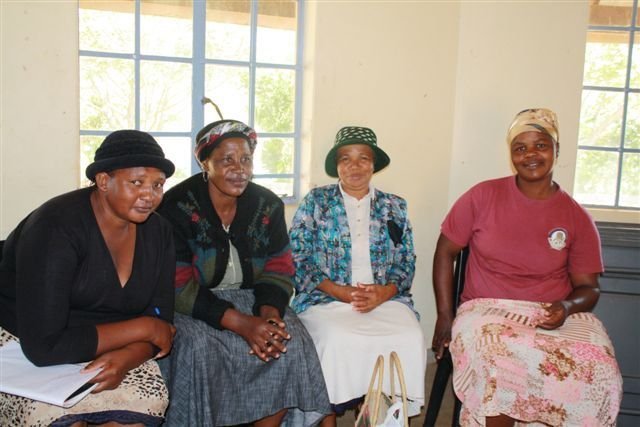
Provide training in traditional, sustainable farming methods for rural farmers, households and schools in 4 communities in KwaZulu-Natal to ensure that people have control over their food supply.
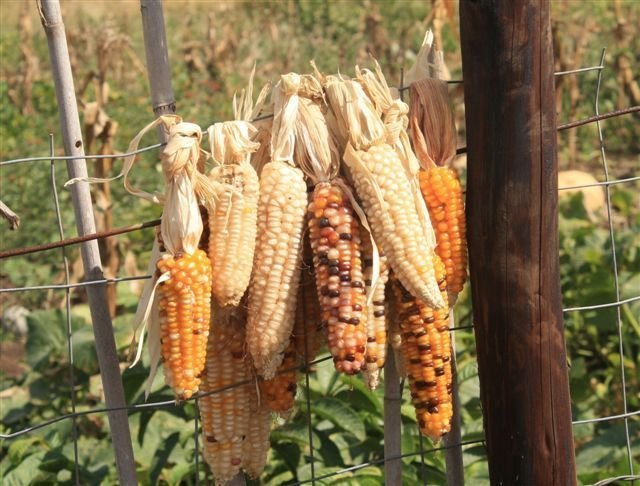
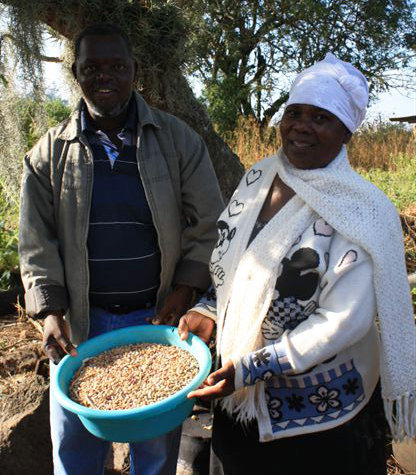
Access to food is an ongoing crisis in rural communities in KwaZulu-Natal, South Africa. And farmer safety is threatened by increasing use of pesticides. But there are alternatives. Low-cost, environmentally-friendly farming methods - including seed saving, composting, mulching, trenching and natural pest control - provide ways for communities to grow their own food and improve their diets. More and more communities in this area of South Africa are requesting this type of training.
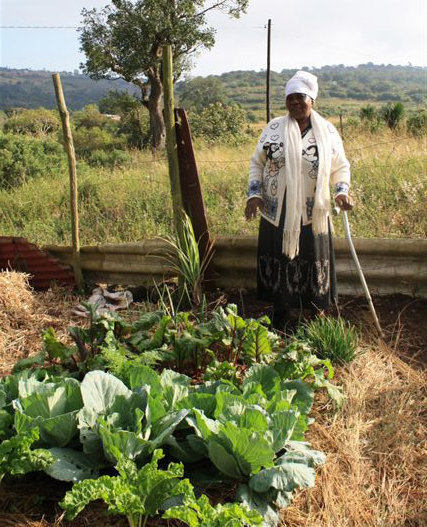
This project will support over 200 households and 9 primary schools in rural KwaZulu Natal with training and support to control their food supply. Gardens will provide nutritious, low-cost alternatives for poor rural community members.
Rural communities will have the knowledge and tools to improve food access. The esablishment of alterative approaches to agriculture (such as household gardens) will serve as examples for other communities facing similar issues.
This project has provided additional documentation in a Microsoft Word file (projdoc.doc).