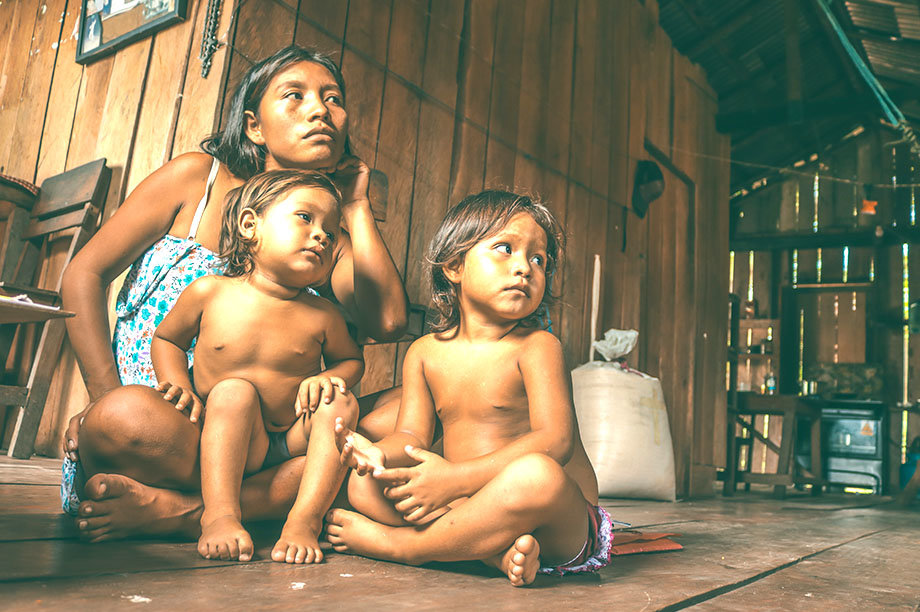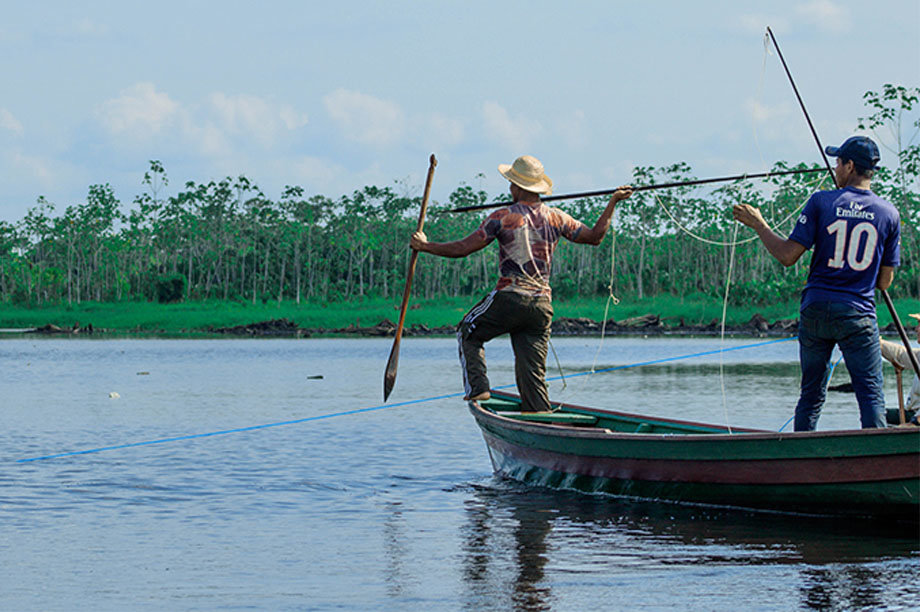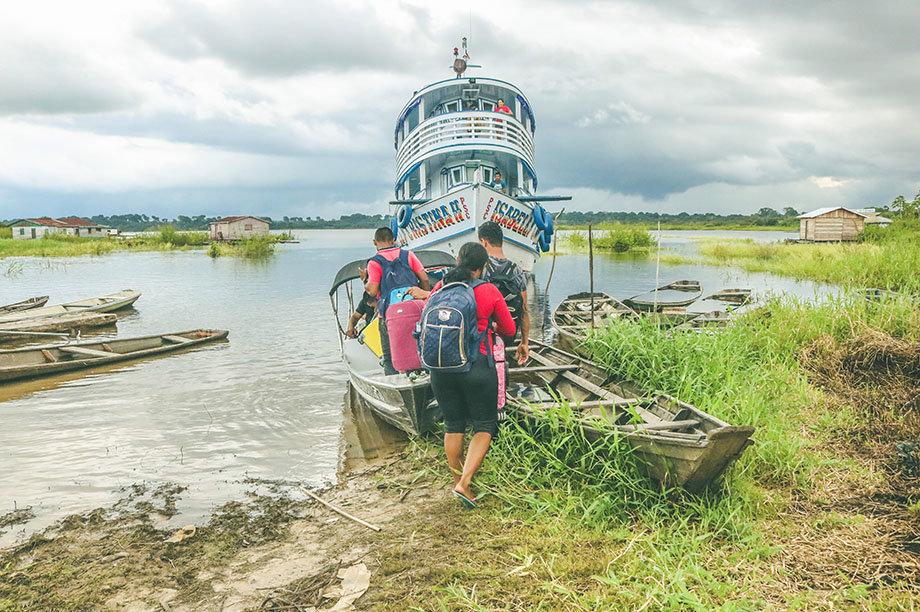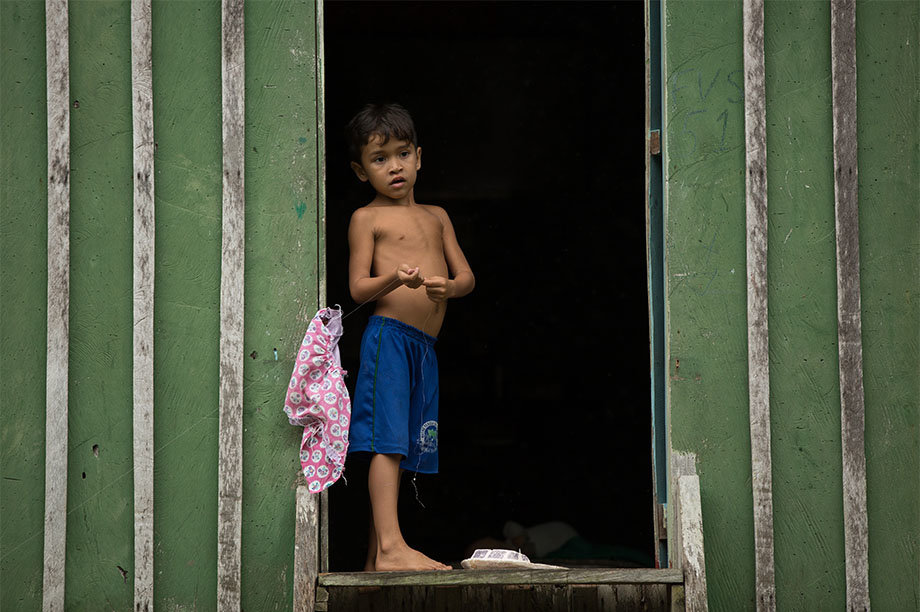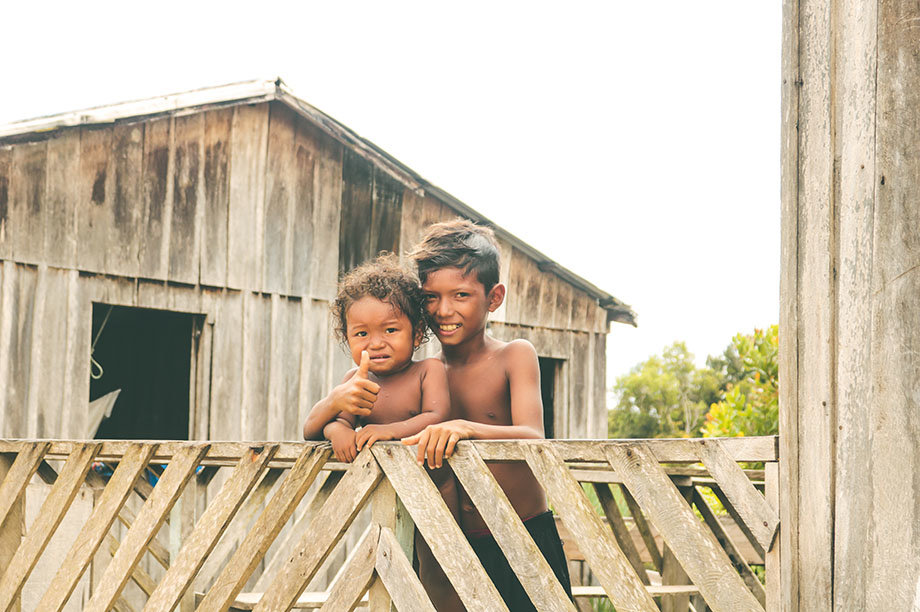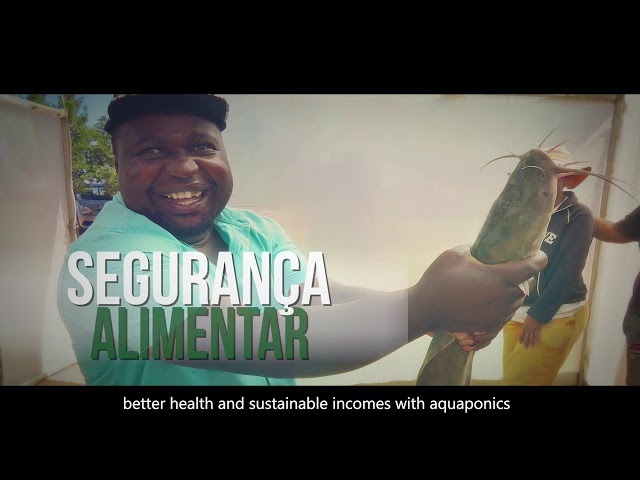
The Amazon is the largest remaining rain forest, producing most of the world's oxygen and 1/5 of its freshwater. Deforestation, poverty and COVID-19 are destroying the region and its indigenous people. This project will build an Aquaponics Center of Excellence to strengthen food security, economic recovery and sustainable livelihoods for indigenous and traditional peoples in 9 regions of the Amazon, while protecting critical habitat and biodiversity.
The Amazon is at an urgent tipping point. Shocking levels of poverty, food insecurity and hunger, driven by rampant deforestation--and magnified by the deadly coronavirus pandemic--are threatening the region's very survival. The time to protect indigenous livelihoods and biodiversity in the Amazon is now, through a proven adaptive agriculture, agroforestry, education and training initiative that will improve food security, build markets to generate income for current and future generations.
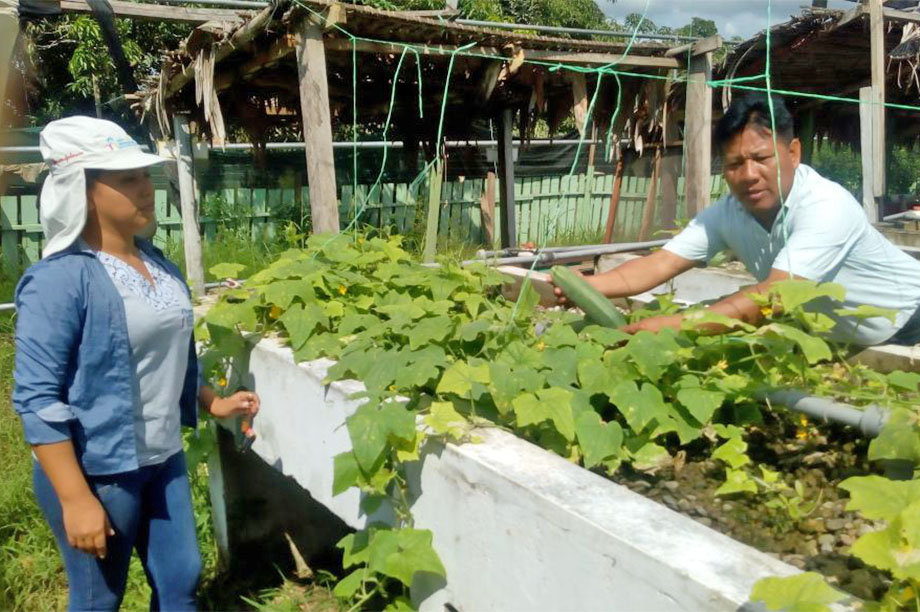
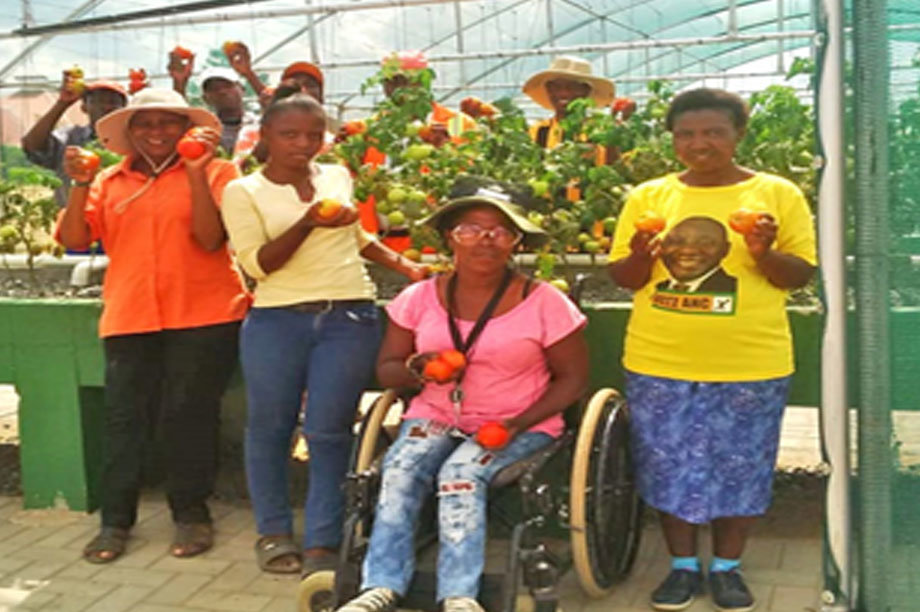
INMED and Sustainable Amazon Foundation will implement aquaponics throughout the Amazon. A combination of fish and crop farming in 1 symbiotic system, it produces 10X+ more harvests than traditional farming. The Aquaponics Center of Excellence in Tumbira will train local indigenous peoples how to use aquaponics to generate year-round organic produce/fish, protect the environment and earn sustainable incomes. The center will support similar projects in 8 other regions of the Amazon.
Long-term impacts include food security, stable local economies, environmental protection and climate-change adaptation that lead to reduced poverty, increased access to healthcare, a healthier ecosystem and resilient indigenous populations. The Tumbira center alone is projected to produce 10+ tons of food, create full- and part-time jobs, provide formal education in adaptive agriculture and benefit 10,000 people annually.