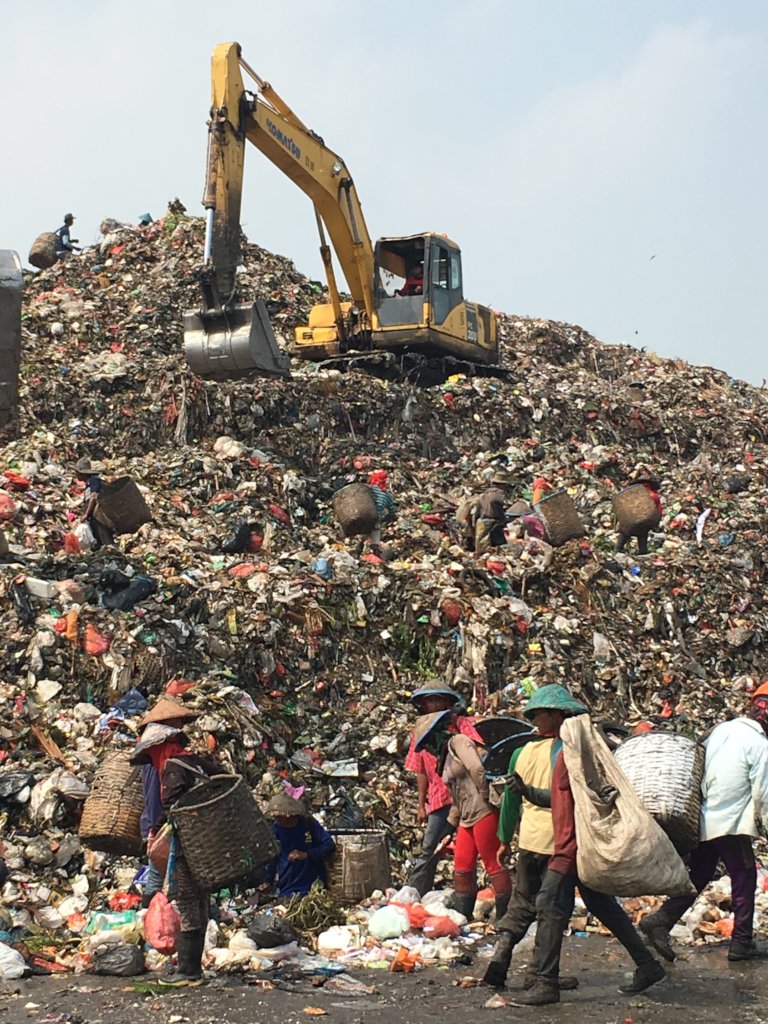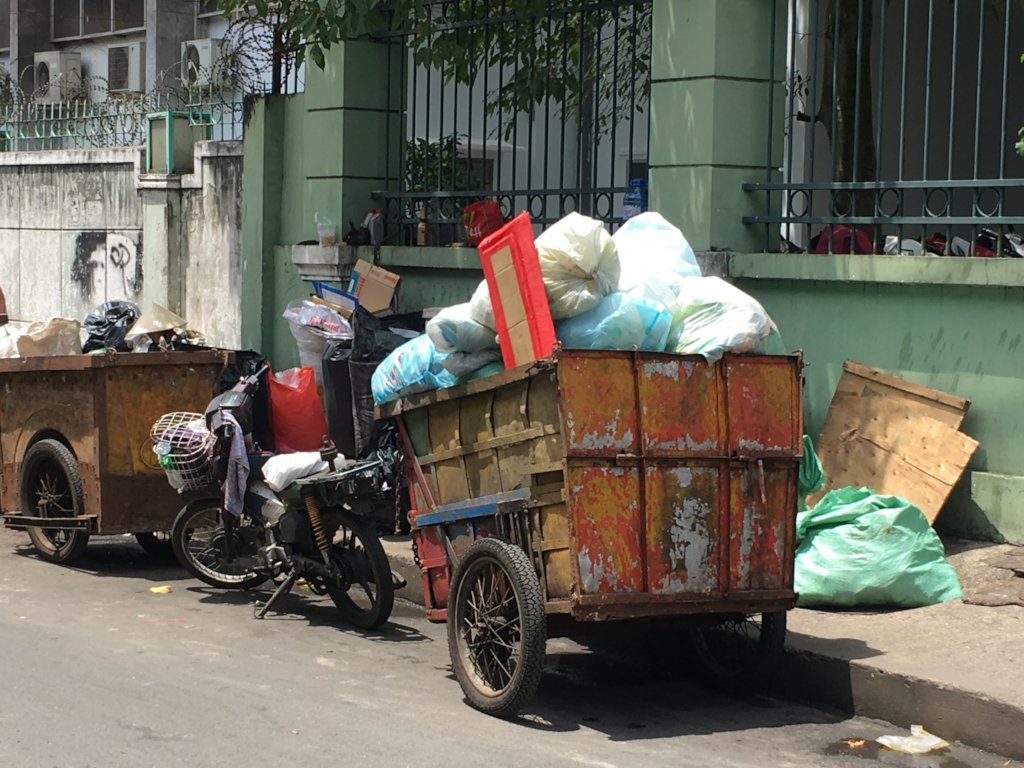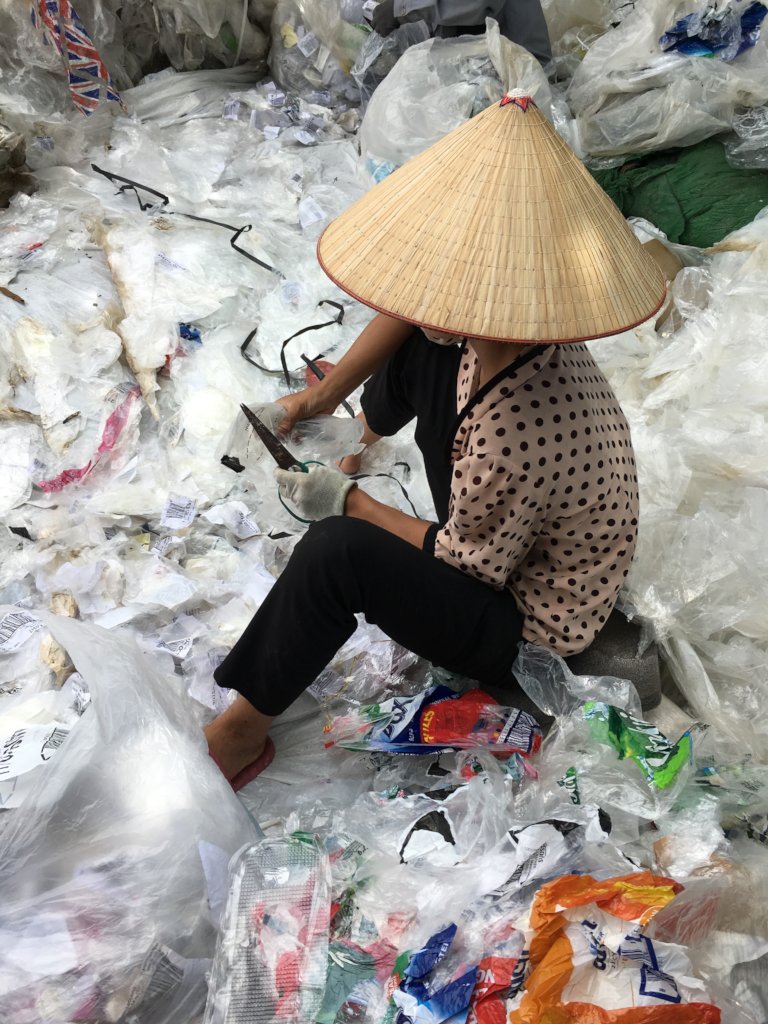
In many parts of SE Asia and Latin America, informal waste collectors are the backbone of the waste management system, salvaging materials and keeping them out of the ocean and environment. Now they are also on the frontline of the COVID19 crisis - vulnerable and exposed. The Circulate Initiative is working with partners in Indonesia, Vietnam, and Argentina to get food, protective gear, and hygiene kits to these communities now, and to help them build a better future post-crisis.
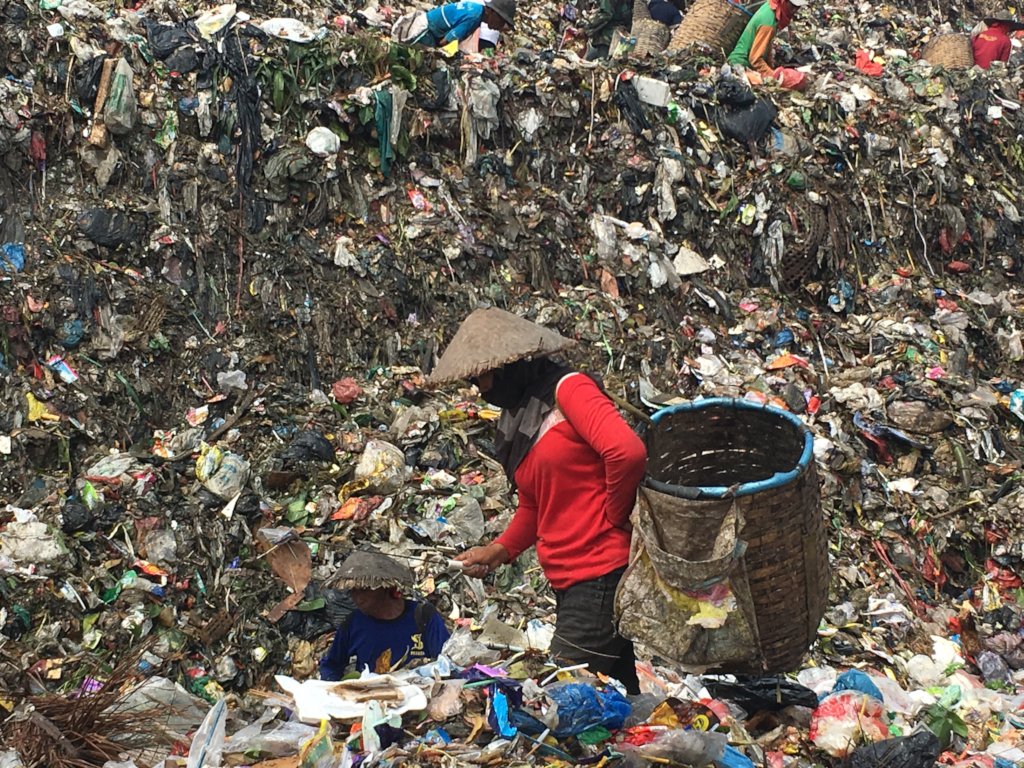
Globally over 15M people make their living informally collecting and selling what others think of as trash. They are the frontlines against ocean plastic. Many are women, children, or migrants. Most live on daily earnings and work in poor conditions with no access to healthcare. This makes them especially vulnerable during the COVID19 pandemic, where many can't work and so can't even buy food. Those that can work lack basic protection and risk infection as they perform a vital public service.
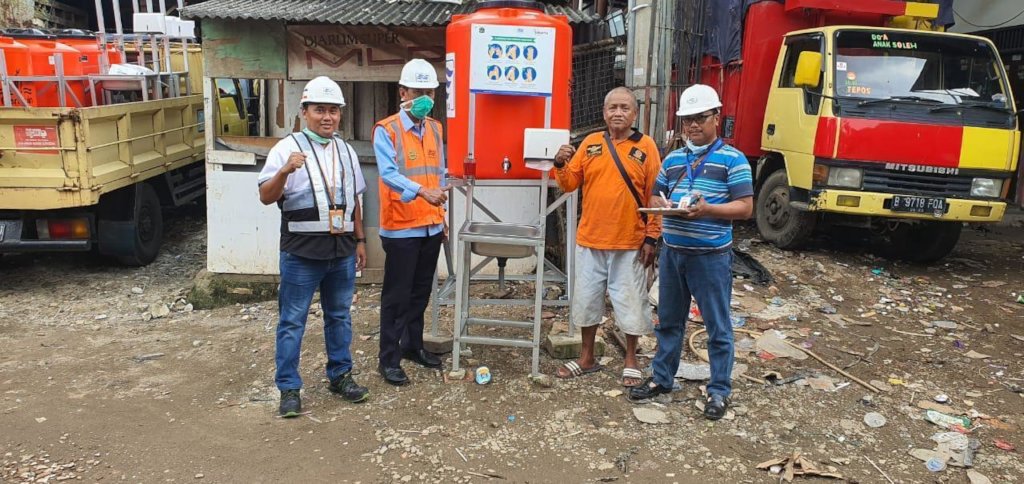
The Circulate Initiative is working with local partners in Indonesia, Vietnam, and Argentina to identify and address the immediate needs of waste pickers during the COVID19 crisis. We are providing basics such as food, hygiene kits, personal protective equipment, and handwashing stations. We also work with them to address inherent flaws in the waste system through recovery efforts so they can return to work under better, safer conditions.
This project will allow local organizations to reach up to 10,000 waste pickers immediately with basics like food, hygiene kits, and personal protective equipment. We will also work with these communities to ensure the vital service they provide continues post-crisis, under better conditions, by working to ensure they have fair markets for their materials and access to services and support. The result is better lives for thousands of people and more plastic kept out of the ocean.