By Natalie Calderon | Fundraising and Programmes Intern
Dear friends at GlobalGiving,
From the entire team at Children Change Colombia, we would like to thank you for your crucial support in raising global awareness about our organisation and our projects. Our core mission is to empower vulnerable, at-risk children in Colombia through a variety of educational, recreational, and sports-based activities. Your generous support is helping to keep these children safe from the dangers in their communities, and allowing them to develop important life skills in order to build happy, healthy, and positive futures. We believe that, when equipped with the right skills and knowledge, children are able to transform their own lives, their communities, and Colombia at large.
Thanks to the continual support of our donors, our project partners - CRAN and Tiempo de Juego (TDJ) - are in a position to maintain the implementation of this project. This report covers the period of June 15th 2022 to 30th June 2023, and shows the impact that this support has had on the lives of some of Colombia’s most at-risk young people, their families, and their communities.
This project is dedicated to the facilitation of multifaceted support systems for children and young people (CYP) who are at-risk of, or who have been directly affected by, forced recruitment by local armed groups and gangs. The project takes a novel, community-based, narrative approach to psychosocial care, trauma, and reintegration. It focuses on making resources of support more accessible to these CYP, equipping them with the tools and skills needed to deal with trauma and stigmatisation, while also encouraging a shift towards narratives of resilience to create positive, healing environments within communities. The projects are focused in communities in Bogotá, Restrepo, and Villavicencio.
The first-year estimates for this project predicted that a total of 269 CYP would benefit. In reality, 471 CYP benefited from the project, representing an increase of 75% CYP beneficiaries. From this total, 421 were CYP beneficiaries from Bogotá; strikingly, 131 CYP were direct beneficiaries (i.e. at risk of, or victims of, forced recruitment). 50 CYP were from Arcadia, 103 were from Semillas de Amor, and 137 were from Junior Masculino Bogotá. In Villavicencio, 23 CYP were beneficiaries; in Restrepo, there were 27 CYP participants.
Additionally, this project aimed to engage the family members, guardians, and carers of the involved CYP. The initial estimate of parents and carers who would benefit from this project was 100. Ultimately, the project saw the involvement of 225 family members and carers, representing a 125% increase in these beneficiaries.
This project is designed with two principal objectives regarding the improvement of mental health in CYP and the creation of protective, community environments. Each objective outlines sub-goals with measurable outcomes. The end-of-year outcomes are as follows:
At the end of the first year of the project’s implementation, 90% of CYP were able to actively participate and engage in activities designed to strengthen the skills needed to face every-day challenges, difficulties, and risks. In the process, the CYP focused on creating healthy bonds and relationships, both with others and with themselves, enhancing their emotional well-being and mental health.
Activities:
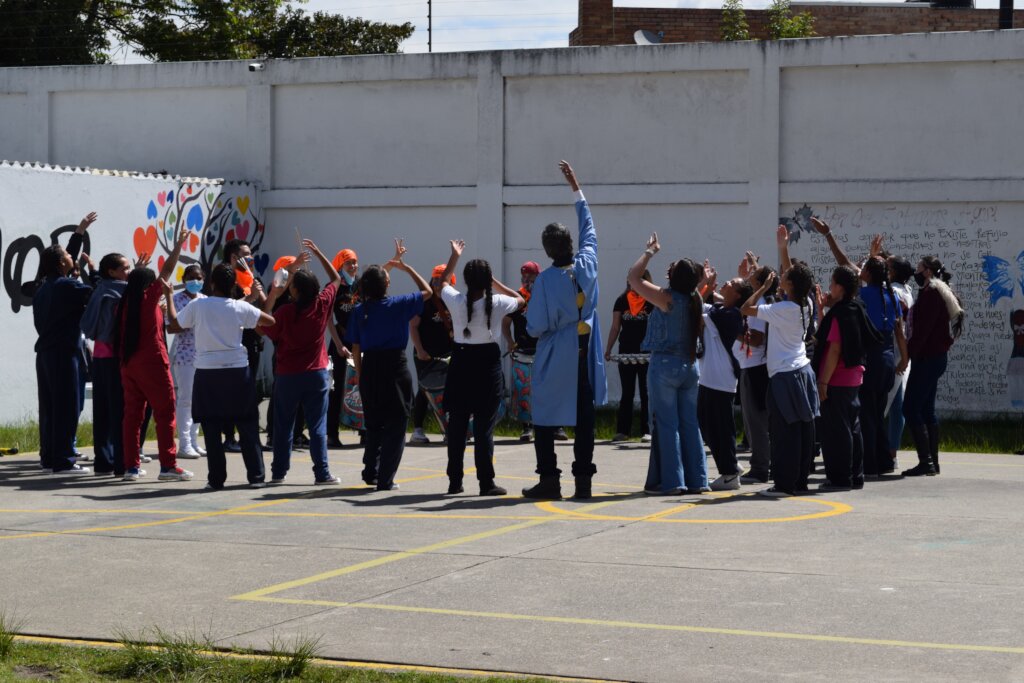
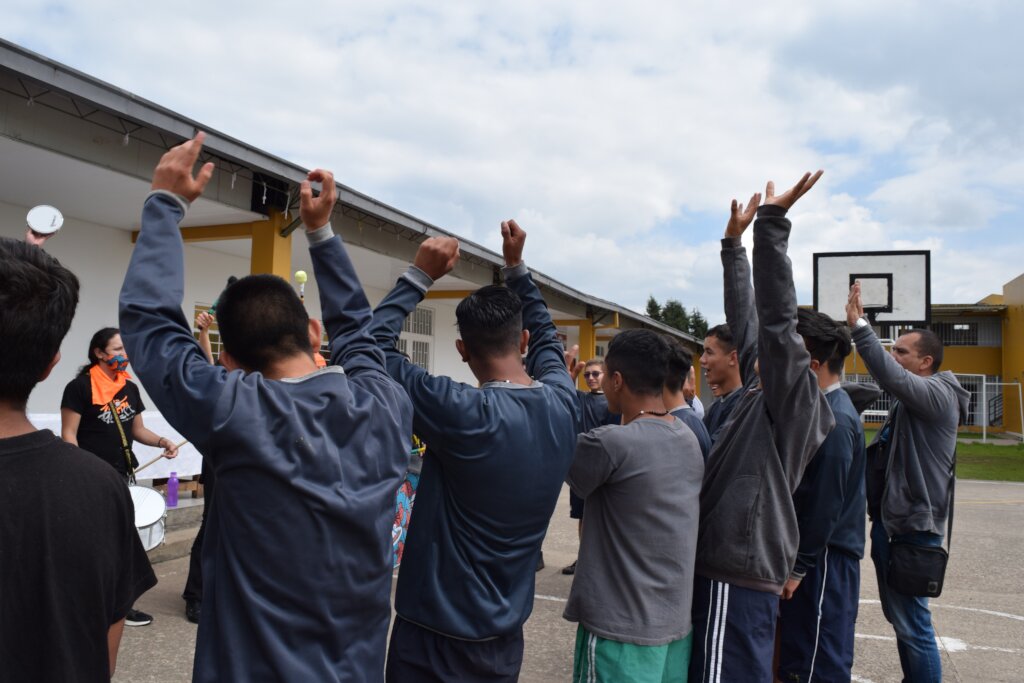
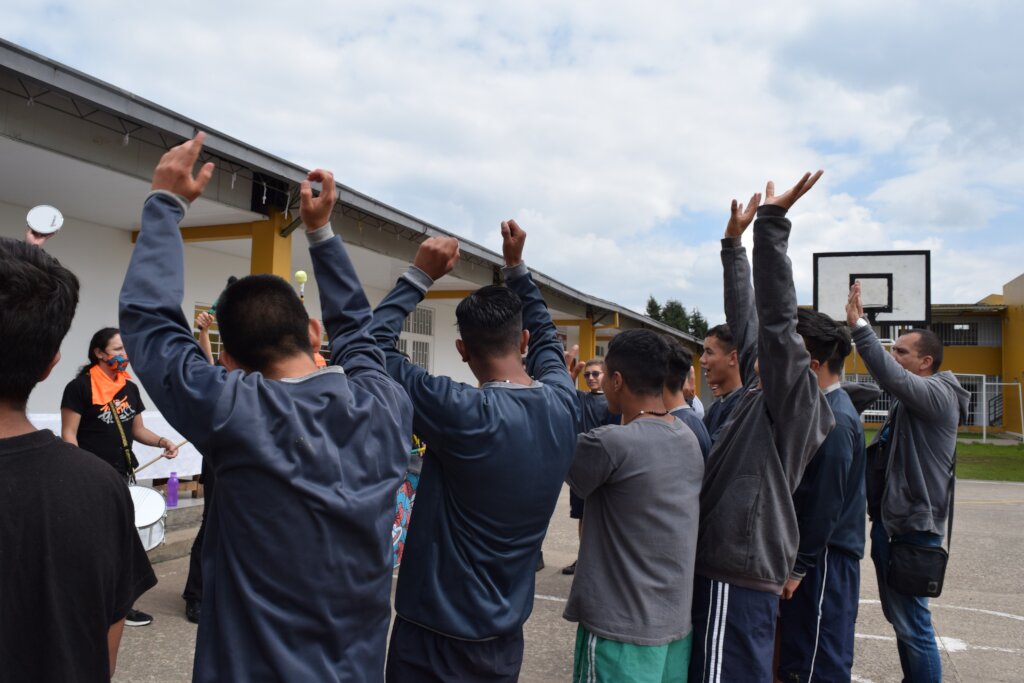
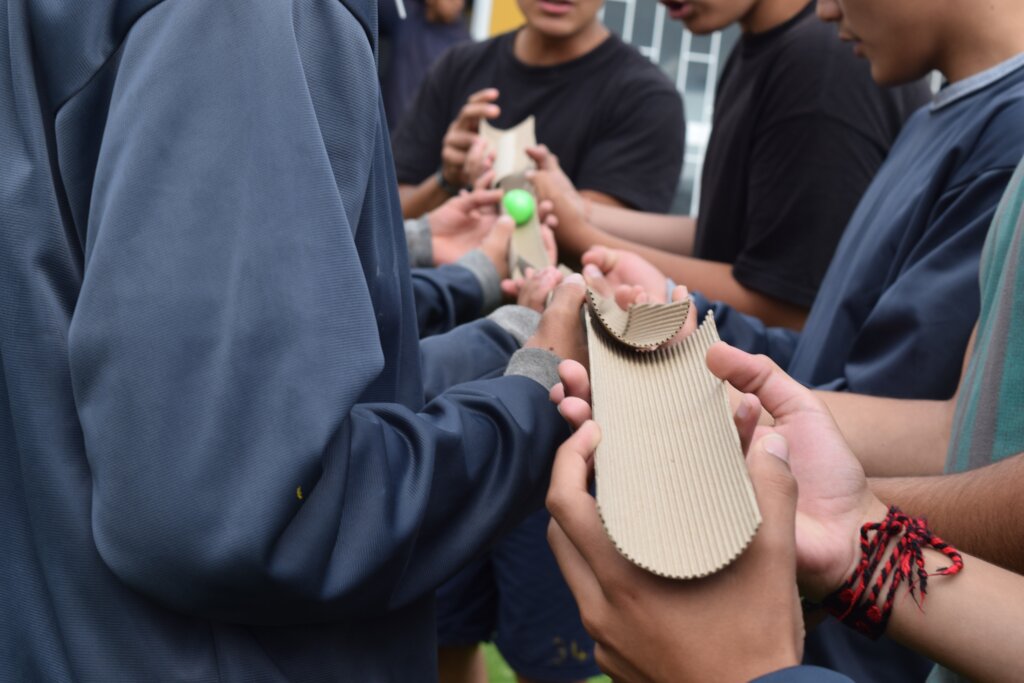
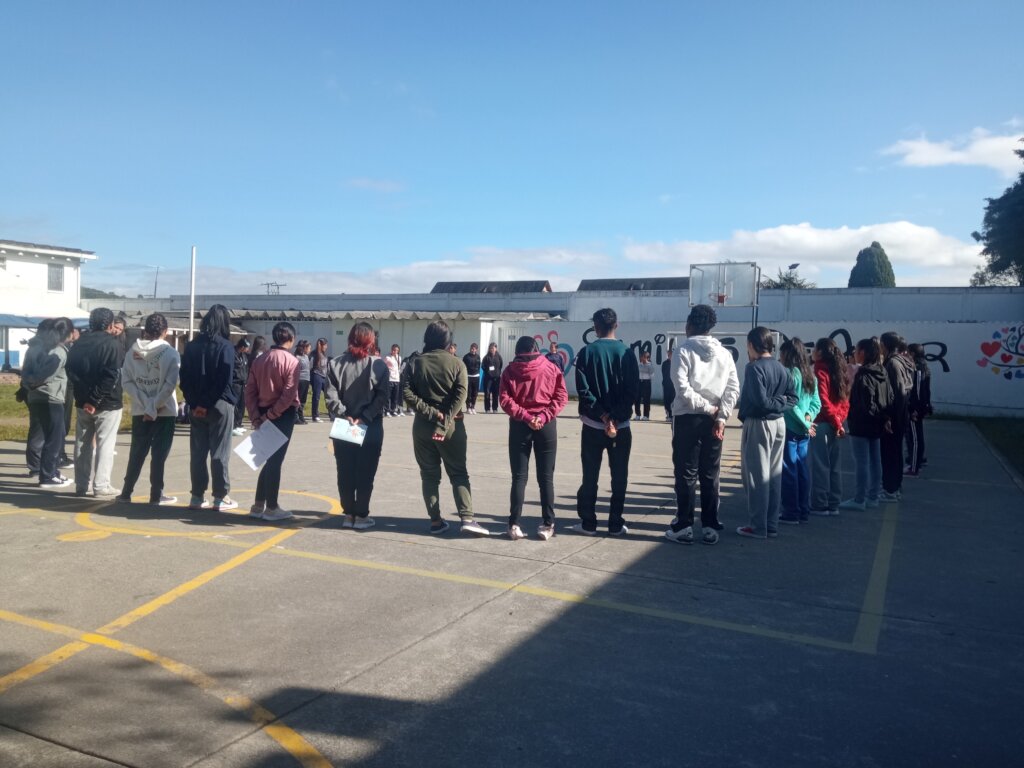
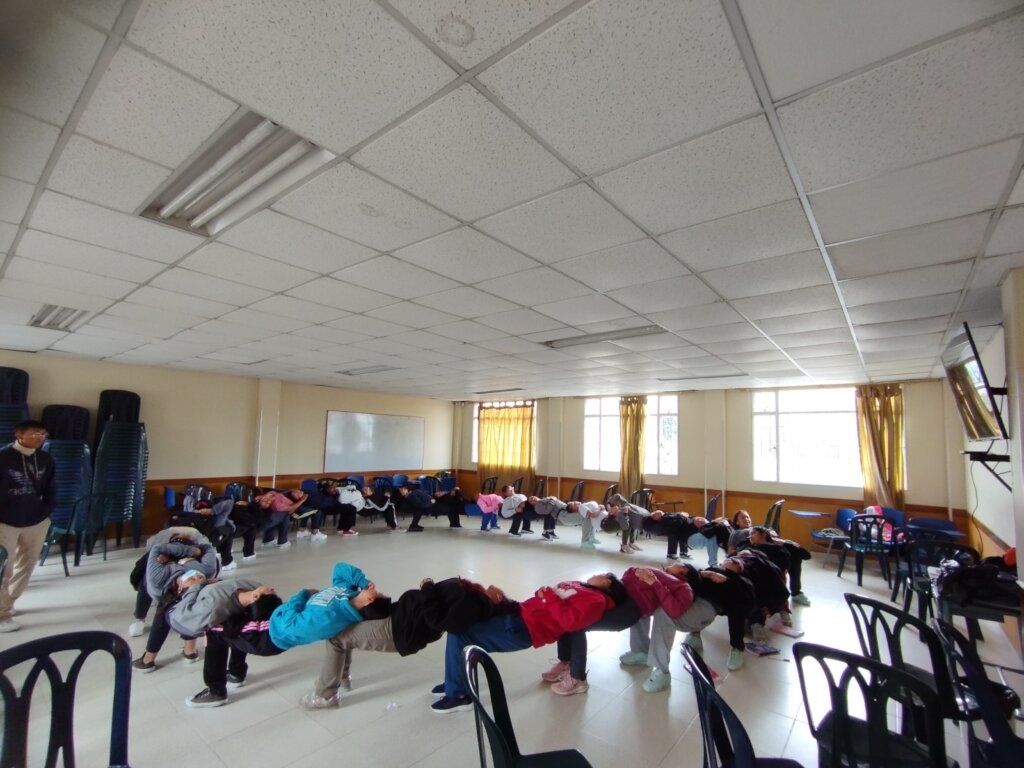
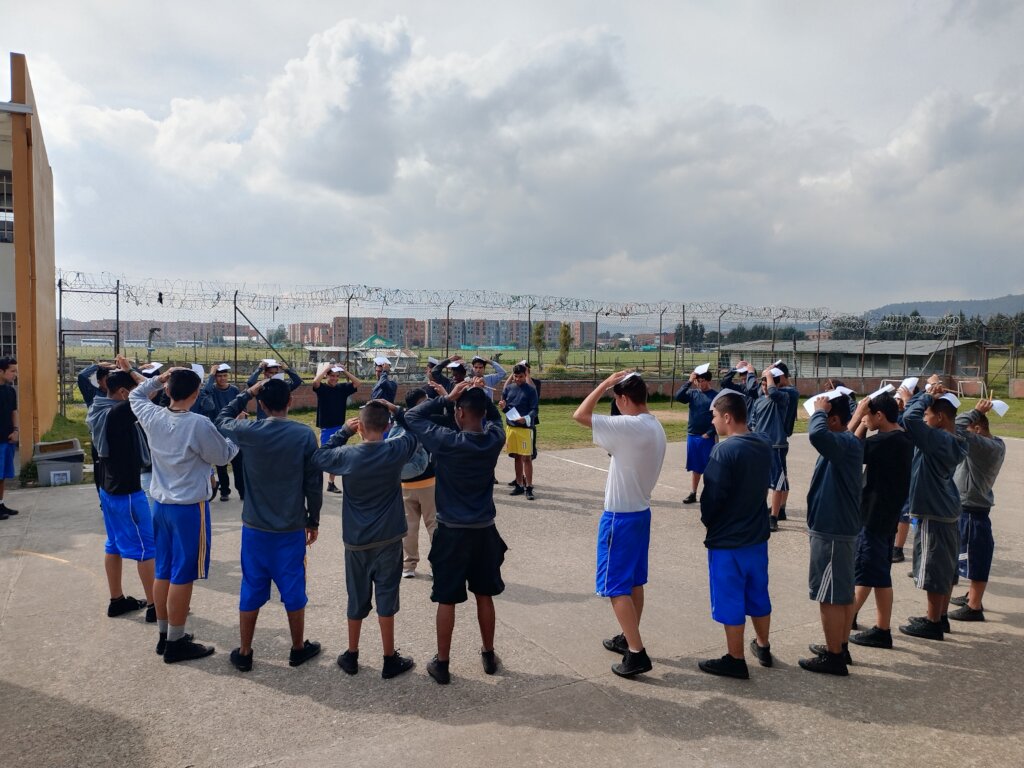
Building relationships based on trust: This session was crucial in establishing a sense of trust with, and between, the participants. They were able to express themselves in a safe space, engaging in dialogue, play, and creative expression. The staff organised a variety of physical trust-forming activities. They taught communication skills as well as the importance of teamwork, while also recognising the importance of appreciating one’s individuality. The CYP participants were encouraged to share their experiences of leaving home through art: drawing, painting, ceramics, etc.
“The dreams that I sow today”: This session encouraged the CYP to reconnect with, and embrace, their childhood, allowing them to reflect on the dreams and desires they had when they were younger. They leaned into artistic, creative expression: their art pieces were both symbolic of those goals, and the fact that they would achieve those dreams.
From the 107 at-risk children and adolescents who participated in the training and strengthening process, 73% were able to engage in meaningful self-reflection in order to enhance their positive leadership skills. They reflected on their self-esteem, self-image, and emotional awareness. The CYP identified their future desires and aspirations, including occupational projections.
Activities:
Discovering what I feel and how I feel it: These sessions aimed to guide the CYP on how to both process and express their emotions, as well as understand the impact that their way of expression can have on the people around them. CYP left the sessions with one overarching takeaway: “the way I manage and express what I feel creates an impact on others”. In this way, new forms of leadership can be formed, strengthening the participants self-esteem and promoting protective and safe environments.
Think positively about yourself: This activity enabled the CYP to change the meaning of a ‘life story’, focusing on a perspective that focused on one’s own positive skills, abilities, and traits. With the winning stories, an exercise was carried out which allowed the CYP to turn themselves into characters, emulating their own personal life stories.
Training sessions on positive leadership: These sessions aimed to develop the CYP’s intrapersonal skills in order to strengthen their ability to work in a group, and moreover, to encourage them to see themselves as positive leaders within the group.
“Revealing our masks”: In this activity, the participants were asked to build and decorate a mask. This activity encouraged consideration about the characteristics that they show on the outside, versus those that are on the inside. A reflection of this exercise was carried out, and the CYP were encouraged to contemplate why they hide certain emotions and show others.
This outcome was measured by having the participants complete the WHO-5 survey, an internationally certified and recognised survey that indicates a level of well-being index. The use of the survey was to ensure a concrete way of monitoring the project’s performance regarding the mental health of CYP participants. Of the 70 children and adolescents who took the survey, 99% (33 from Meta and 37 from Bogotá) stated that they enhanced their well-being, showing that through the care, training and strengthening processes, they could develop skills and capacities for their life.
Of the 107 at-risk children and adolescents who participated in activities to prevent forced recruitment, 73% managed to carry out processes of self-identification: identifying their emotions, self-image, self-awareness of their social interactions with family and peers, and their life goals, empowering themselves individually and collectively.
Activities:
“Messages from the heart”: In this session, the staff introduced and analysed texts about essential life skills regarding emotions and communication. The participants connected with their hearts, exploring new narratives and identifying the areas that they feel they need to work on and may have a hard time processing. The staff have noted that it is quite common for CYP who are at risk of, or have been victims of, forced recruitment to find it difficult to be vulnerable: they struggle to express their emotions as they are wary of trusting others. The session ended by recognising that each person’s life and path is sacred, and that continual self-reflection is key in becoming comfortable with vulnerability, a crucial aspect of healing.
Strengthening intrapersonal skills: The aim of this activity was for the CYP to use their voices as a projection tool to tell their own experiences as tales. The participants recorded themselves telling these stories, and through writing exercises they generated a narrative of how they have been able to experience this creative process. This was in order to ‘give voice’ to the anecdotes that the CYP believed were relevant and important.
Of the 129 families that participated in the project, 67% showed a willingness to
change and strengthen their knowledge and learning in order to consolidate protective and caring environments for CYP. They learned how to effectively build healthy relationships in order to create positive networks and support systems as they overcome their own challenges, prejudices, upbringing, and patterns of behaviour. They acknowledged the importance of recognizing emotions and feelings - this provided them with balanced personal and social growth.
Activities:
Resignification of experiences: These workshops were focused on creating a productive space in which the concepts of ‘support networks’ and ‘resources’ could be redefined and adapted to the life experiences of the families and carers participating. Further, the aim of this activity was to identify, analyse, and build future tools and strategies for community networks based on the observations and declared needs of the carers and other participating communities.
Flooding memories (Anundando memorias): These sessions were focused on honouring the body as a ‘territory’: actions of reconciliation and recognising the voice, emotions, footprints, traces, scars, and generational experiences of the family members and carers. The participants shared personal stories related to pain, but also to strength. Finally, they brainstormed strategies of forgiveness and learned to see their bodies as temples of resistance against the dominant narratives of their histories and experiences. The carers recognised that they do not often take the time to thank the pain produced by their experiences: they learned to instead speak positively to themselves, emphasising their personal growth and achievements.
We communicate with each other: The staff introduced a dynamic activity in which the participants located as many chairs as possible, and then placed them in a row. Then, the participants were invited to stand on top of them, each person atop their own chair. They were told that the floor was dangerous, and that they couldn’t touch it. From there, the group was tasked with the following: organising the group alphabetically, A-Z according to the initial of the first name; placing the group in height order; organising the group by date of birth. This challenging activity stressed the importance of establishing and exploring different methods of effective communication in order to meet their goals.
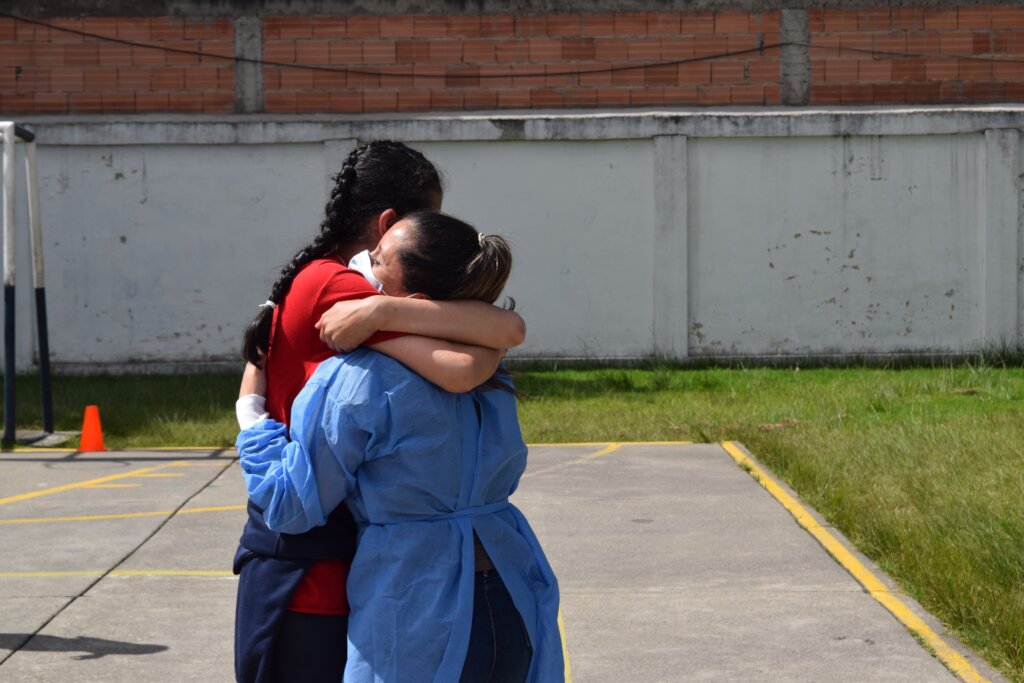
In Bogotá, after the “Caring for Carers” sessions, all of the carers from different Centers mentioned the need to have spaces dedicated to processing difficult emotions, thereby improving their emotional well-being. In CRAN, 27 carers and foster family members participated in these sessions, while 25 were involved in TDJ. They recognized these meetings as the only space they had to talk openly and prioritise their mental health. They agreed to enjoy these activities as moments for themselves but also as opportunities to share with their peers, allowing them to understand their own limits and vulnerabilities while holding compassion and empathy towards others.
Activities:
Memory box: In this session, the staff proposed the construction of a ‘memory box’. This box would be a tool for the families to reconstruct their past based on individual and collective memories and stories. With the help of guiding questions, families reflected on how small actions have allowed them to take care of their mental health and prioritise self-care, ‘unconsciously’ impacting their lives in a positive way. Families were asked to write their responses to the following questions: What is the best advice you have ever received? What is your mantra or personal statement? What is your passion? What is your life purpose; what have you done to achieve it, or what is missing?
The organisation CRAN maintained previous relationships with The Apoyar Foundation (Bogotá) and the Crecer en Familia Foundation (Villavicencio). Relationships with two private primary educational institutions were also forged: the Semillas de Esperanza and Nueva América schools. Regarding government entities, the following relationships were established: the ICBF (Bogotá; Villavicencio), the Agency for Reincorporation and Normalisation (ARN), the rural schools San Juan Bosco and Caney Alto (Restrepo, Meta).
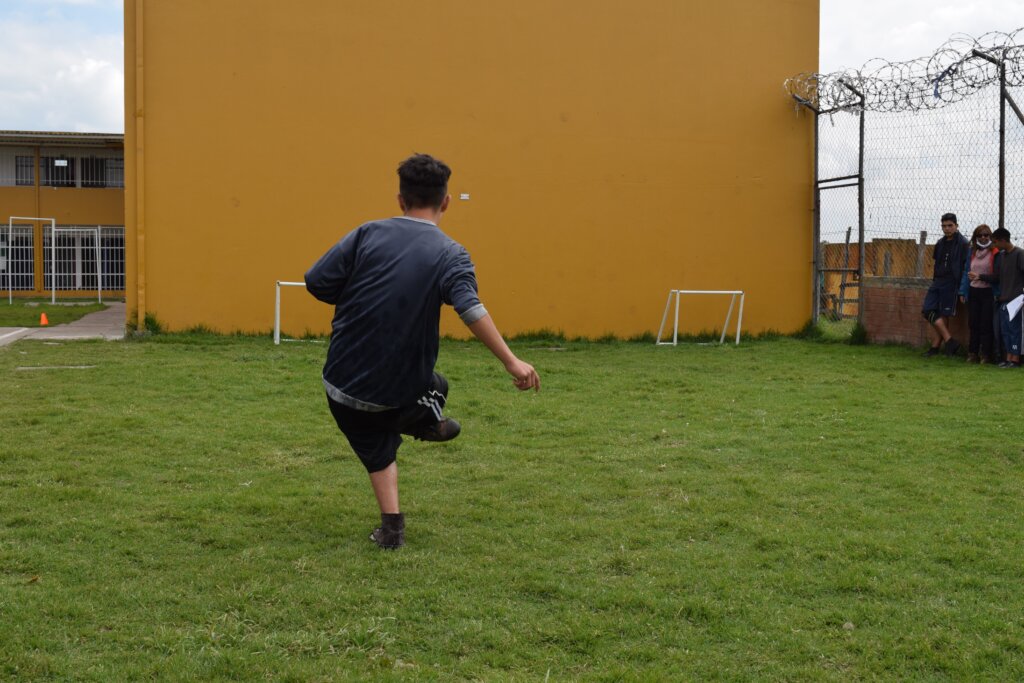
TDJ worked alongside Semillas de Amor, Junior Masculino, and Arcadia. Furthermore, in the last semester, they received support from the production company Tarantula.
Case Studies
Names have been changed for safeguarding reasons.
Foundation: CRAN
Jorge, 16, joined the program in 2021.
My situation is very good now. In the past, I had planned to enter this program thanks to comments from other young people. They'd told me that it was very good and you learn a lot. Now that I live in the CRAN centre, I live very well. First of all, I have a lot of respect and admiration for the parents and carers at the centre; they are great people. They love the teenagers who come here and that is important to me and helps me to continue fulfilling my dreams. I have learnt to not be afraid, build resilience, and despite all the problems I have, to move forward and have respect for the people around me, as well as being a responsible and friendly person with others.
Foundation: TDJ
Andrés, 14.
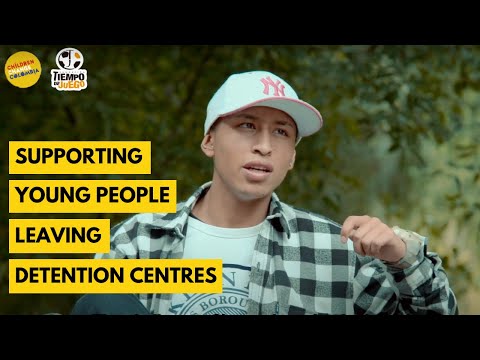
Andrés, a 14-year-old teenager who has participated in the Tiempo de Juego activities, decided to go to hospital after feeling that his difficulties with substance misuse were increasing. During that time he decided to travel from town to town. Adnrés had a few bad accidents and as a result, he suffered several fractures. He also was injured by a knife in the city of Medellín. Consequently, he made the decision to join the program.
A month after being hospitalised, Andrés began to participate in the activities offered by Tiempo de Juego after being inspired by the activities his classmates were participating in.
Andrés tells us: "Well, for me Tiempo de Juego helped me clear my mind because when I arrived I was bored. Yes, I wanted to escape and that, and Tiempo de Juego made me clear my mind and not to think about bad things and nothing like that, and it helped me... and for me Tiempo de Juego is like another family.”
Thank you!
This project has proven to have real, tangible impacts on the lives of vulnerable, at-risk children in various communities in Colombia. It is only with the support from organisations like GlobalGiving that we are able to achieve this progress, and stay true to the name of our organisation: providing children with the mindset, skills, and opportunity to change Colombia. We thank you again for your support!
Project reports on GlobalGiving are posted directly to globalgiving.org by Project Leaders as they are completed, generally every 3-4 months. To protect the integrity of these documents, GlobalGiving does not alter them; therefore you may find some language or formatting issues.
If you donate to this project or have donated to this project, you can receive an email when this project posts a report. You can also subscribe for reports without donating.



Support this important cause by creating a personalized fundraising page.
Start a Fundraiser