By Victoria Cornelio | Communications Manager
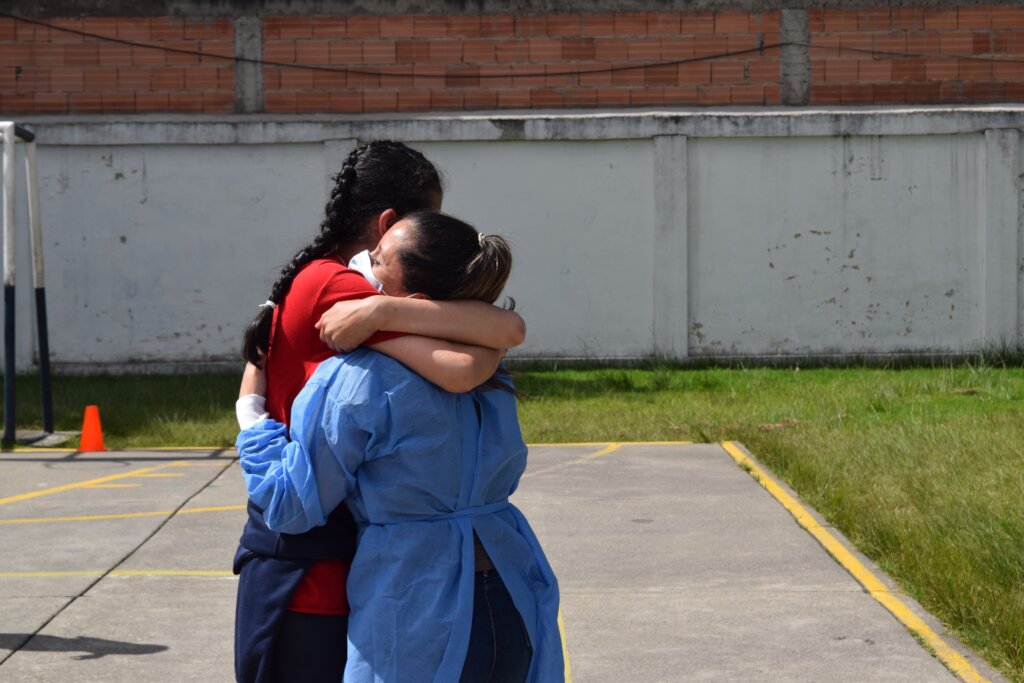
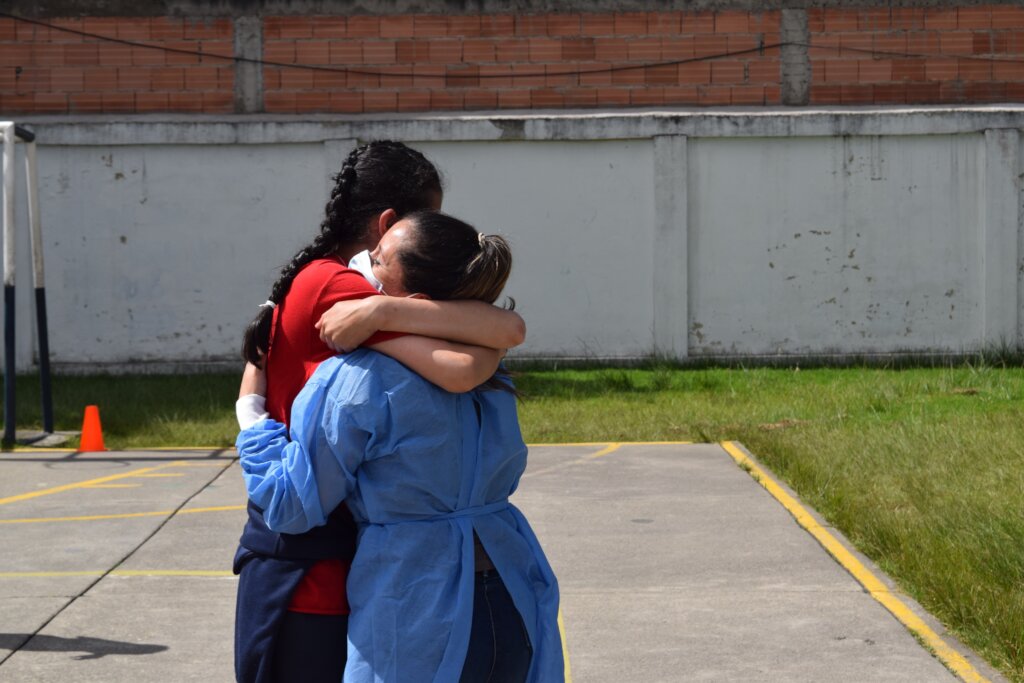
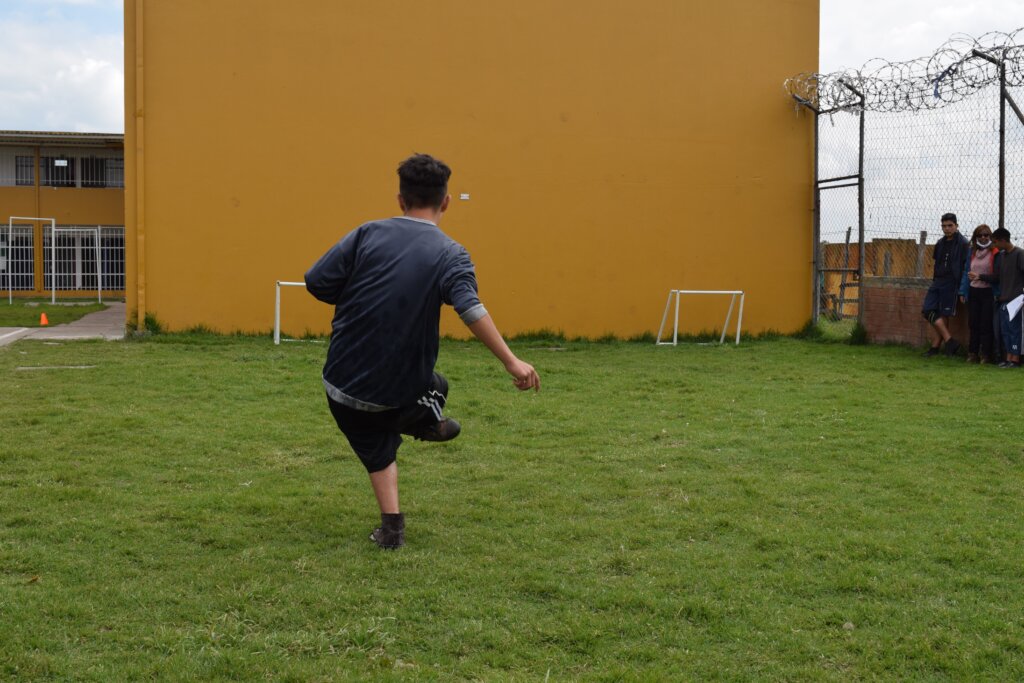
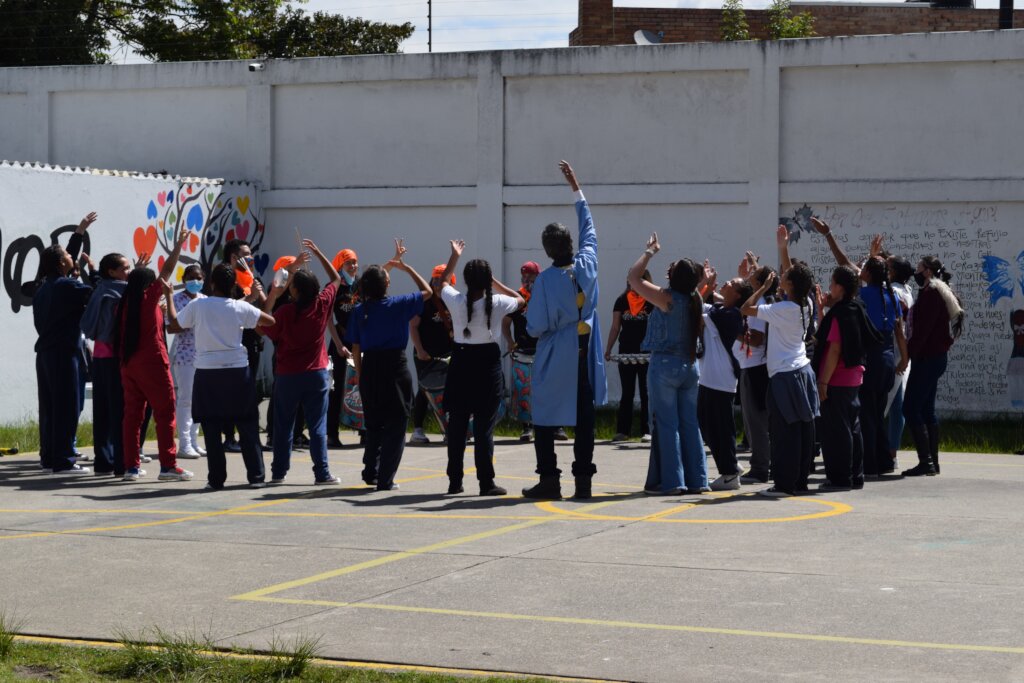
Children and adolescents living in areas affected by violence and recruitment risks can face pressures that have a lasting impact on their emotional wellbeing and sense of safety. That is why our work with CRAN takes a preventative, community-based approach helping children, families, educators and communities recognise risks early and build stronger support networks around young people.
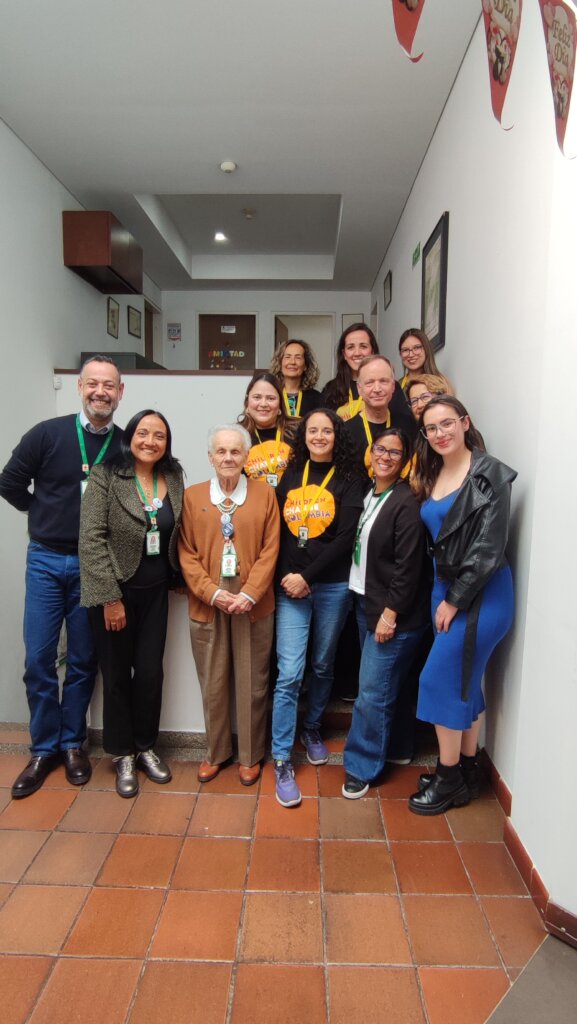
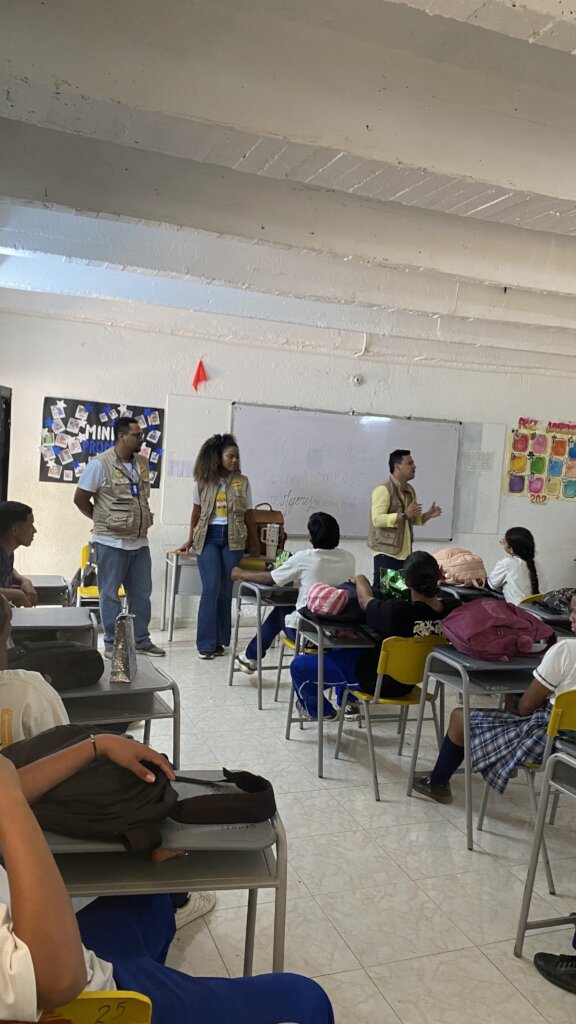
In the initial stages of the project, we have been mapping and engaging with local organisations and schools across Magdalena to identify children and adolescents who may be at greater risk and establish trusted focal points who can support the project’s implementation.
At the same time, preparations are underway for a digital prevention campaign designed to reach at least 350,000 people in high-risk areas. The campaign will use anonymous, locally adapted messages to raise awareness of recruitment risks and provide information that can help children, families and communities recognise warning signs and seek support.
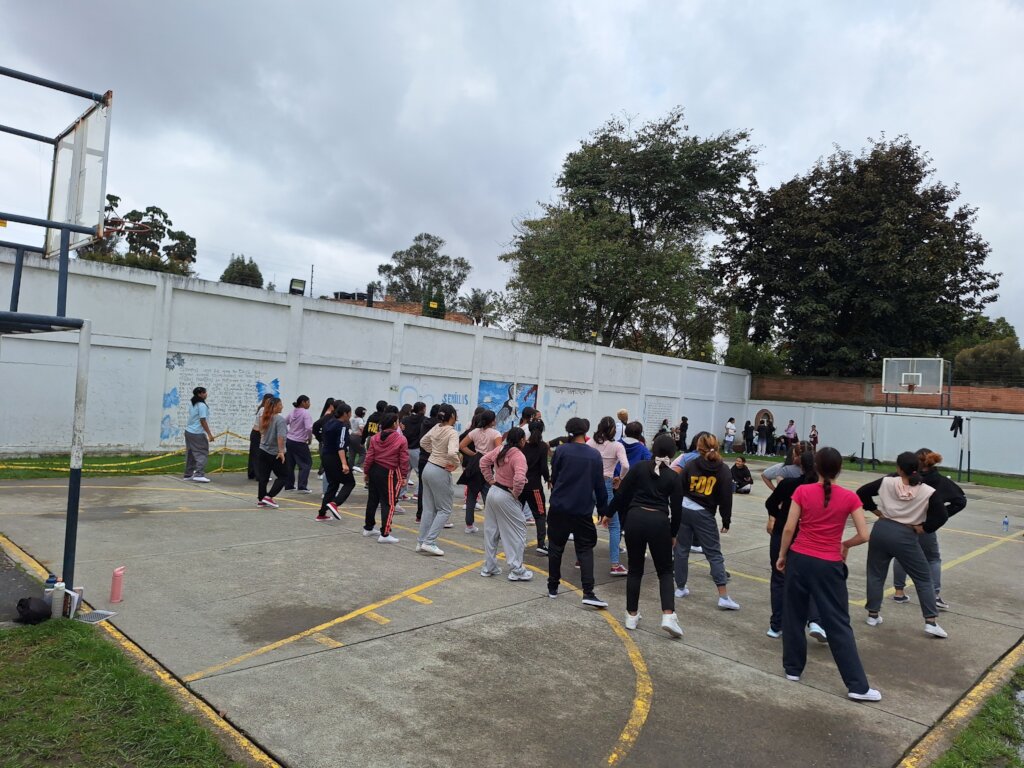
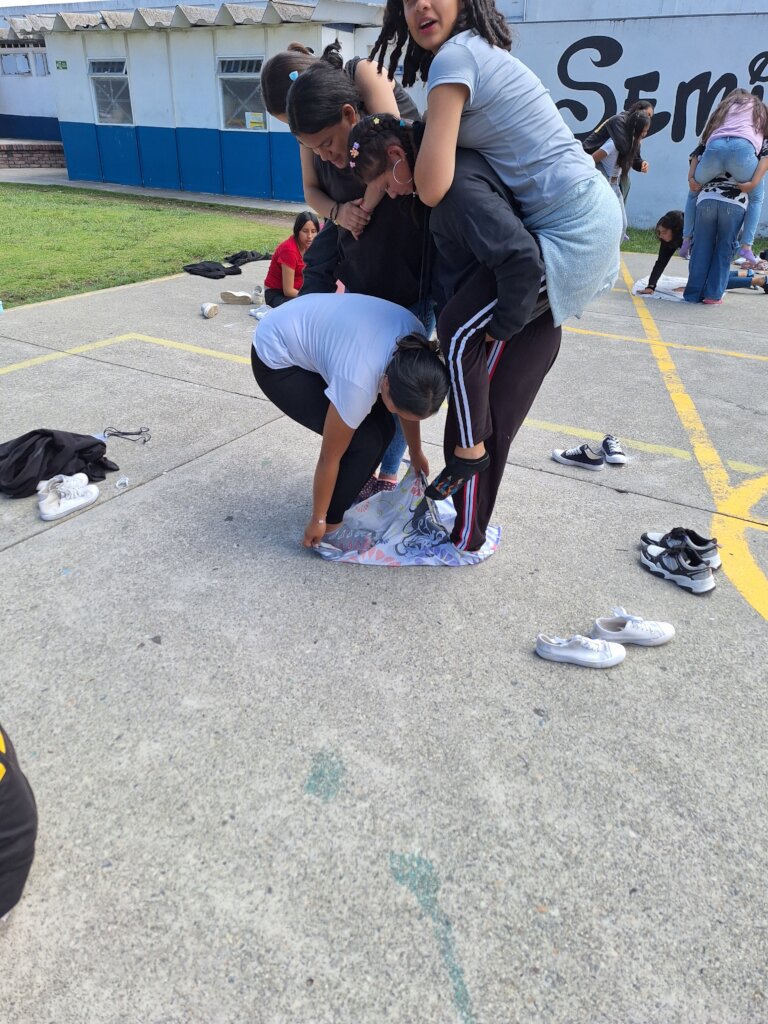
Importantly, our approach looks beyond individual children. By strengthening the capacity of families, teachers and community organisations, we are helping create environments where young people can feel safer, supported and better equipped to navigate difficult situations.
Through this work, we aim to promote resilience, emotional wellbeing and safer environments for children and adolescents, both online and offline. Early support and open conversations can make an important difference, particularly for children growing up in communities where violence and recruitment are a real concern.
Your support helps us work alongside local organisations, schools, families and communities to ensure that children and adolescents are not facing these challenges alone. Together, we can strengthen the networks around young people and help build communities where children can grow up feeling safe, supported and able to reach their potential.
By Victoria Cornelio | Communications Manager
By Victoria Cornelio | Communications Manager
Project reports on GlobalGiving are posted directly to globalgiving.org by Project Leaders as they are completed, generally every 3-4 months. To protect the integrity of these documents, GlobalGiving does not alter them; therefore you may find some language or formatting issues.
If you donate to this project or have donated to this project, you can receive an email when this project posts a report. You can also subscribe for reports without donating.



Support this important cause by creating a personalized fundraising page.
Start a Fundraiser